
Algorithmic Commerce & The Machine-Initiated Economy
c Traditional commerce has historically relied on people initiating transactions: consumers browse products, compare prices, place orders, and businesses coordinate supply chains manually. However, advances in artificial intelligence, autonomous agents, connected devices, and digital payment systems are creating a radically different economic model.
In 2026, one of the most transformative emerging concepts is the rise of Algorithmic Commerce and the Machine-Initiated Economy — an ecosystem where AI agents, autonomous systems, and connected devices independently discover, negotiate, execute, and optimize economic transactions.
This evolution may fundamentally redefine markets, consumption patterns, business operations, and the relationship between humans and economic systems.
What Is Algorithmic Commerce?
Algorithmic commerce refers to economic activity where software systems and intelligent algorithms participate directly in commercial decision-making and transaction execution.
- Autonomous purchasing systems
- AI-driven transaction execution
- Machine-to-machine payments
- Continuous optimization of commercial decisions
Commerce increasingly becomes machine-assisted and machine-executed.
What Is the Machine-Initiated Economy?
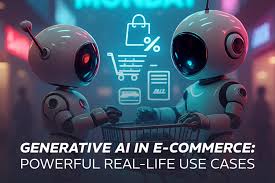
The machine-initiated economy describes a system in which intelligent agents and devices independently trigger economic activity.
- AI agents initiating purchases
- Autonomous negotiation systems
- Self-managing supply chains
- Device-to-device financial interactions
Machines evolve from passive tools into active economic participants.
Why This Shift Is Happening
Several technological developments are accelerating machine-driven commerce.
- Artificial intelligence advancement
- Internet of Things expansion
- Real-time payment systems
- Autonomous agent ecosystems
- Digital identity and payment infrastructure
Machines increasingly possess the information and capabilities required for transactions.
How Algorithmic Commerce Works
Autonomous systems continuously analyze needs, prices, preferences, and market conditions.
- Data collection and contextual analysis
- Decision optimization algorithms
- Automated negotiation systems
- Digital payment execution
Transactions occur with minimal human intervention.

Examples of Machine-Initiated Transactions
Autonomous economic activity could emerge across multiple sectors.
- Smart vehicles purchasing charging services
- Industrial machines ordering replacement parts
- AI assistants managing subscriptions
- Smart homes purchasing supplies automatically
Machines increasingly become transaction initiators.
AI Agents as Economic Participants
AI agents increasingly act on behalf of individuals and organizations.
- Personal commerce agents
- Enterprise procurement systems
- Autonomous financial assistants
- Supply chain optimization agents
AI shifts from advisory systems toward operational actors.
Machine-to-Machine Payments
Autonomous commerce requires new payment systems.
- Programmable digital currencies
- Stablecoin payment networks
- IoT transaction systems
- Instant settlement infrastructure
Payments become embedded within machines themselves.
Benefits of Algorithmic Commerce
- Reduced operational friction
- Faster transaction execution
- Continuous optimization of purchasing decisions
- Lower transaction costs
- Improved efficiency across supply chains
Automation may significantly increase economic productivity.
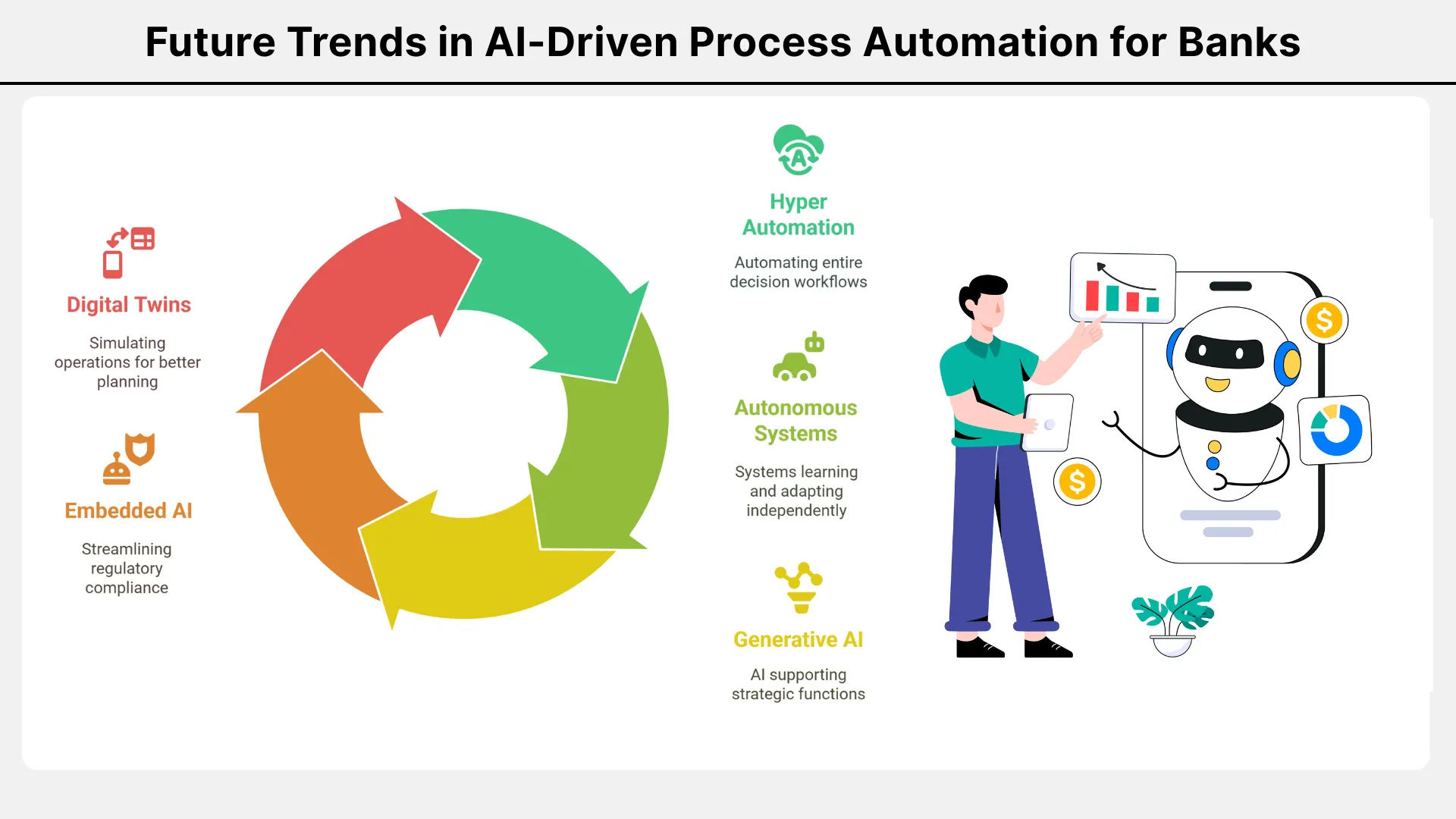
The machine-initiated economy transforms commerce from human-triggered transactions into continuously adaptive interactions among intelligent systems.
Traditional Commerce vs Algorithmic Commerce
- Traditional → Human-initiated transactions
- Algorithmic → Machine-triggered economic activity
- Traditional → Manual decision processes
- Algorithmic → Continuous autonomous optimization
This changes how markets operate.
Role of Digital Identity
Autonomous systems require trusted identity frameworks.
- Machine authentication systems
- Digital ownership credentials
- Permission and authorization frameworks
- Identity verification infrastructure
Trust becomes critical for autonomous economic participation.
Risks and Challenges
Machine-driven economies introduce significant concerns.
- Algorithmic errors
- Cybersecurity vulnerabilities
- Autonomous fraud risks
- Market manipulation concerns
- Loss of human oversight
Strong governance mechanisms remain essential.
Regulatory Considerations
Governments and regulators face emerging challenges.
- Liability and accountability questions
- AI governance requirements
- Machine identity standards
- Autonomous transaction regulations
Legal frameworks must evolve alongside technology.
Future of Machine Commerce
The future economy may become increasingly autonomous and interconnected.
- AI-native marketplaces
- Autonomous supply chains
- Continuous machine negotiations
- Integrated economic intelligence networks
Economic systems may increasingly operate as digital ecosystems.
Economic and Strategic Implications
The rise of algorithmic commerce could reshape global economic structures.
- Transformation of business operations
- Expansion of digital economic ecosystems
- New forms of market competition
- Changes in consumer behavior
This transformation may redefine the nature of economic participation itself.
Frequently Asked Questions
What is algorithmic commerce?
Commerce where intelligent software systems directly participate in commercial decisions and transactions.
What is the machine-initiated economy?
An economic system where AI agents and connected devices independently initiate transactions and commercial activity.
Why is this important?
Because autonomous systems may significantly improve efficiency, reduce friction, and reshape how markets function.
Conclusion
Algorithmic Commerce and the Machine-Initiated Economy represent a fundamental shift in the future of economic systems. By enabling AI agents, autonomous devices, and machine-to-machine payment infrastructures to independently participate in commerce, this model transforms economic activity from human-centered processes into continuously adaptive digital ecosystems. While this evolution promises major gains in efficiency and automation, it also raises critical questions regarding governance, security, accountability, and the future role of humans within increasingly autonomous economies.