
Balance Sheet Explained: Meaning, Elements, Formula, Importance and How It Works in Accounting
A balance sheet is one of the most important financial statements in accounting. It provides a snapshot of a company’s financial position at a specific point in time by showing what it owns and what it owes. It is widely used by businesses, investors, and financial analysts to assess financial health and stability.
The balance sheet is based on a fundamental accounting principle that ensures everything owned by a business is financed either by borrowing money or by the owner’s investment. This makes it a critical tool for understanding how resources are managed.
Understanding the balance sheet is essential for making informed financial decisions, evaluating business performance, and ensuring transparency in accounting.
What Is a Balance Sheet?
A balance sheet is a financial statement that presents a company’s assets, liabilities, and equity at a given time. It helps stakeholders understand the financial structure of a business.
- Shows financial position
- Lists assets and liabilities
- Includes owner’s equity
- Used for financial analysis
It is also known as the statement of financial position.
Elements of a Balance Sheet
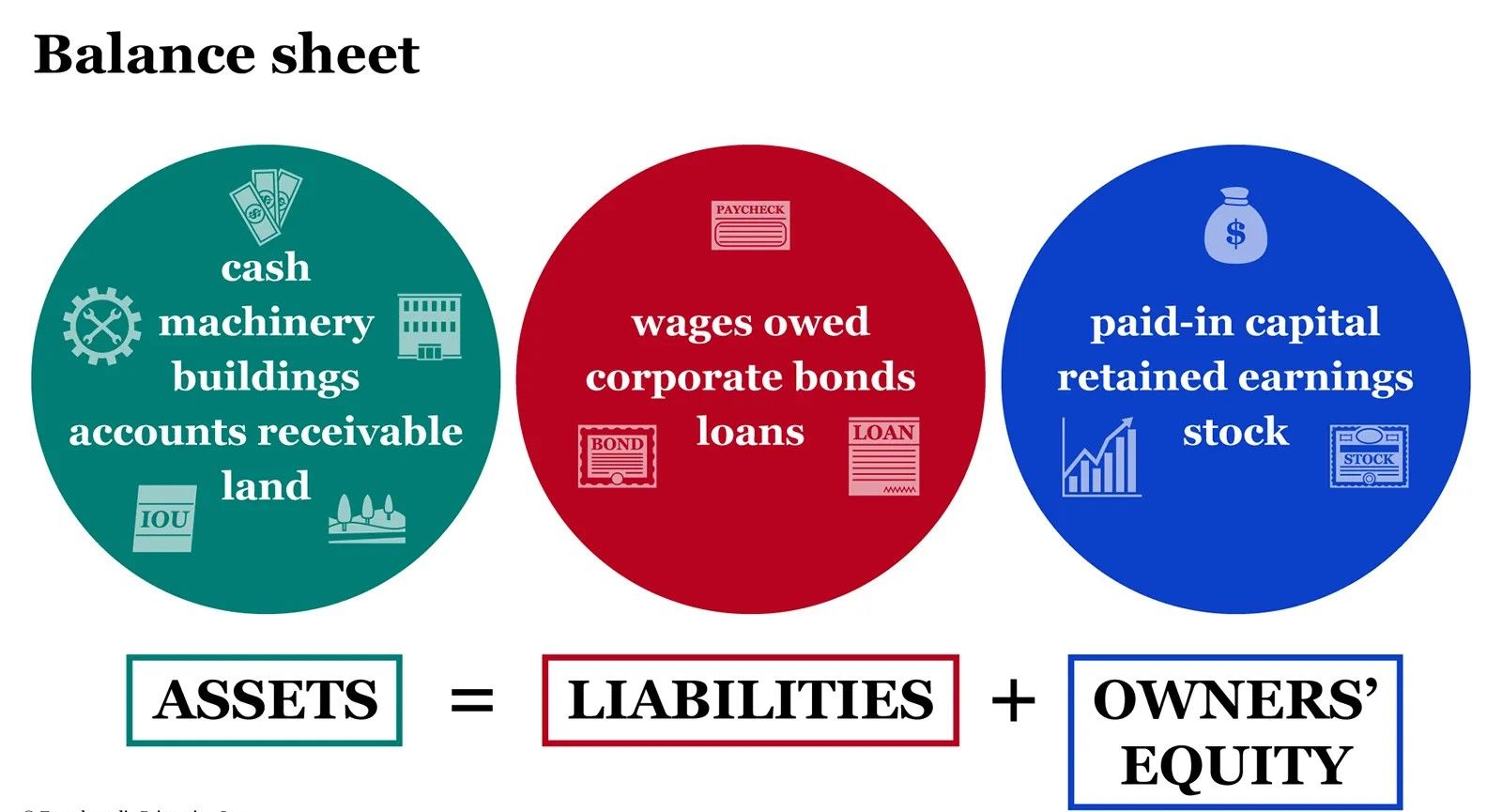
The balance sheet consists of three main components that form its structure.
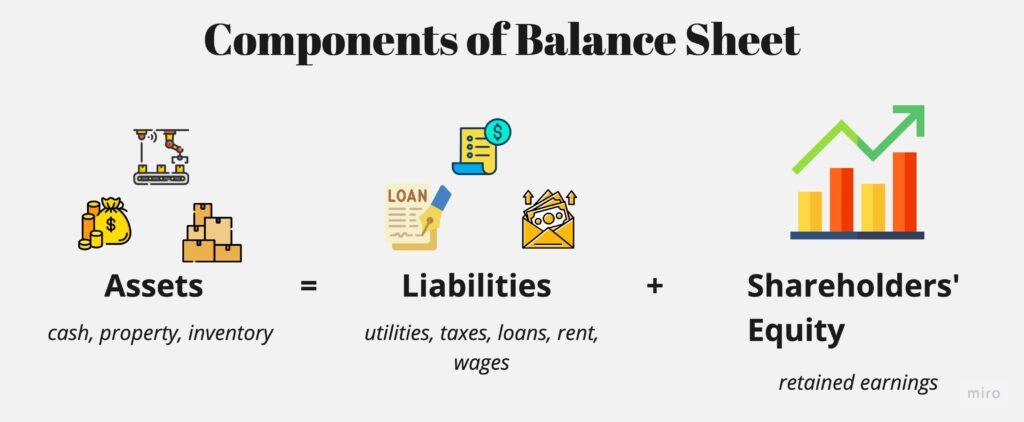
- Assets: What the business owns
- Liabilities: What the business owes
- Equity: Owner’s share in the business
These elements provide a complete view of financial status.
Assets Explained
Assets are resources owned by a business that have economic value.
- Current assets (cash, inventory)
- Non-current assets (property, equipment)
- Intangible assets (goodwill, patents)
Assets are essential for generating revenue.
Liabilities Explained
Liabilities are obligations that a business must pay in the future.
- Current liabilities (short-term debts)
- Long-term liabilities (loans, bonds)
They represent financial commitments.
Equity Explained
Equity represents the owner’s residual interest in the business after deducting liabilities from assets.
- Owner’s capital
- Retained earnings
- Reserves and surplus
It indicates the net worth of the business.
Balance Sheet Formula
The balance sheet is based on a simple yet powerful formula:
- Assets = Liabilities + Equity
This equation ensures that the balance sheet always remains balanced.
How a Balance Sheet Works
The balance sheet works by summarizing financial data at a specific time.
- Records assets and liabilities
- Calculates equity
- Ensures balance
- Supports financial reporting
This helps in analyzing financial performance.
Importance of Balance Sheet
The balance sheet is essential for evaluating financial health.
- Helps in decision-making
- Assesses financial stability
- Supports investment analysis
- Ensures transparency
It is widely used by investors and analysts.
Advantages of a Balance Sheet
- Provides financial clarity
- Helps track assets and liabilities
- Supports strategic planning
- Improves financial control
These advantages make it a vital financial tool.
Common Mistakes to Avoid
- Incorrect classification of assets
- Ignoring liabilities
- Calculation errors
- Outdated data
Regular review ensures accuracy.
A balance sheet is a financial mirror—it reflects the true position of a business at any given moment.
Role in Financial Reporting
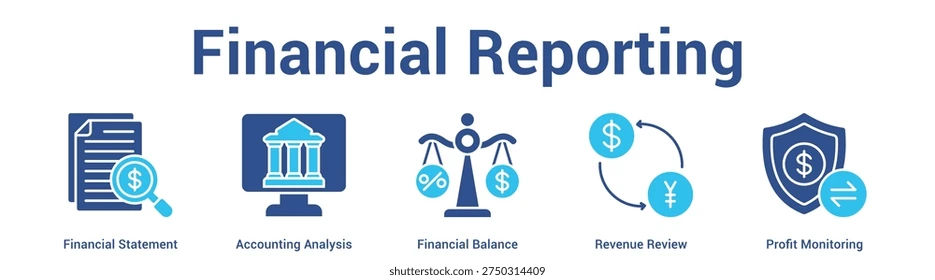
The balance sheet plays a key role in financial reporting and analysis.
- Supports audits
- Provides financial insights
- Ensures compliance
It is essential for transparency and accountability.
Frequently Asked Questions
What is a balance sheet?
It is a financial statement showing assets, liabilities, and equity.
What is the formula?
Assets = Liabilities + Equity.
Why is it important?
It helps assess financial health and supports decision-making.
Conclusion
A balance sheet is a fundamental financial statement that provides a clear picture of a business’s financial position. By understanding its elements, formula, and importance, individuals and organizations can make better financial decisions and achieve long-term success.