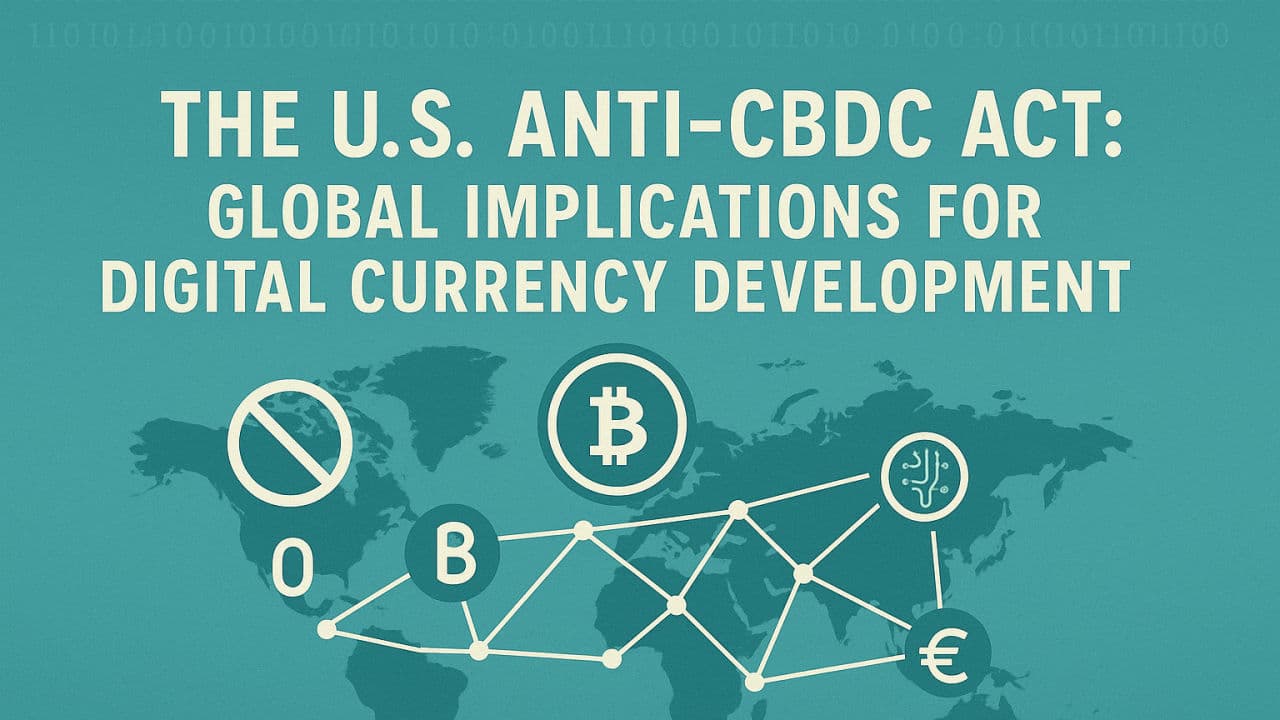
Demolishing SWIFT: The Rise of Bilateral CBDC Bridges
The global financial system is entering a period of profound transformation driven by digital currencies, geopolitical shifts, programmable finance, and real-time payment infrastructure. For decades, international money movement relied heavily on centralized messaging networks and correspondent banking systems, with SWIFT functioning as one of the most important components of global financial communication.
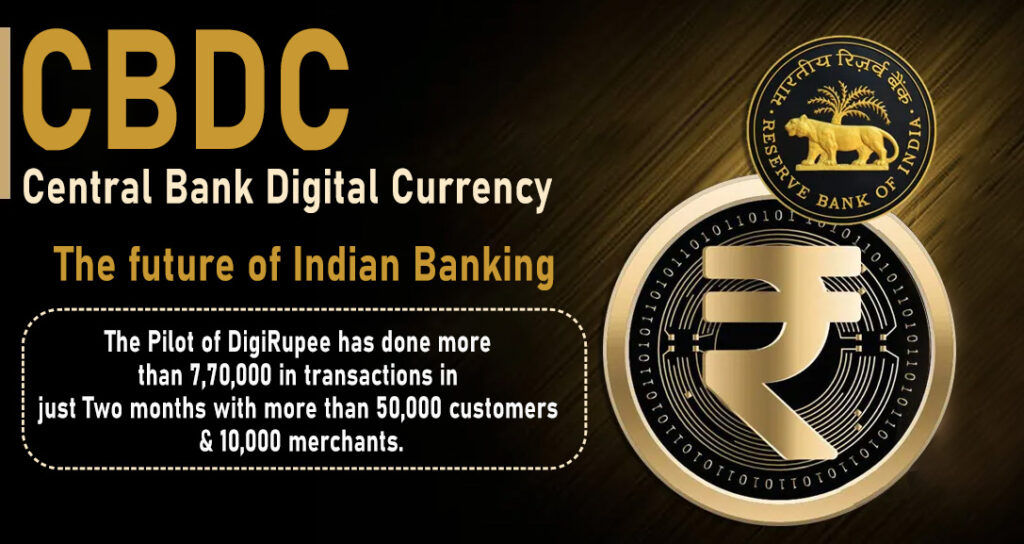
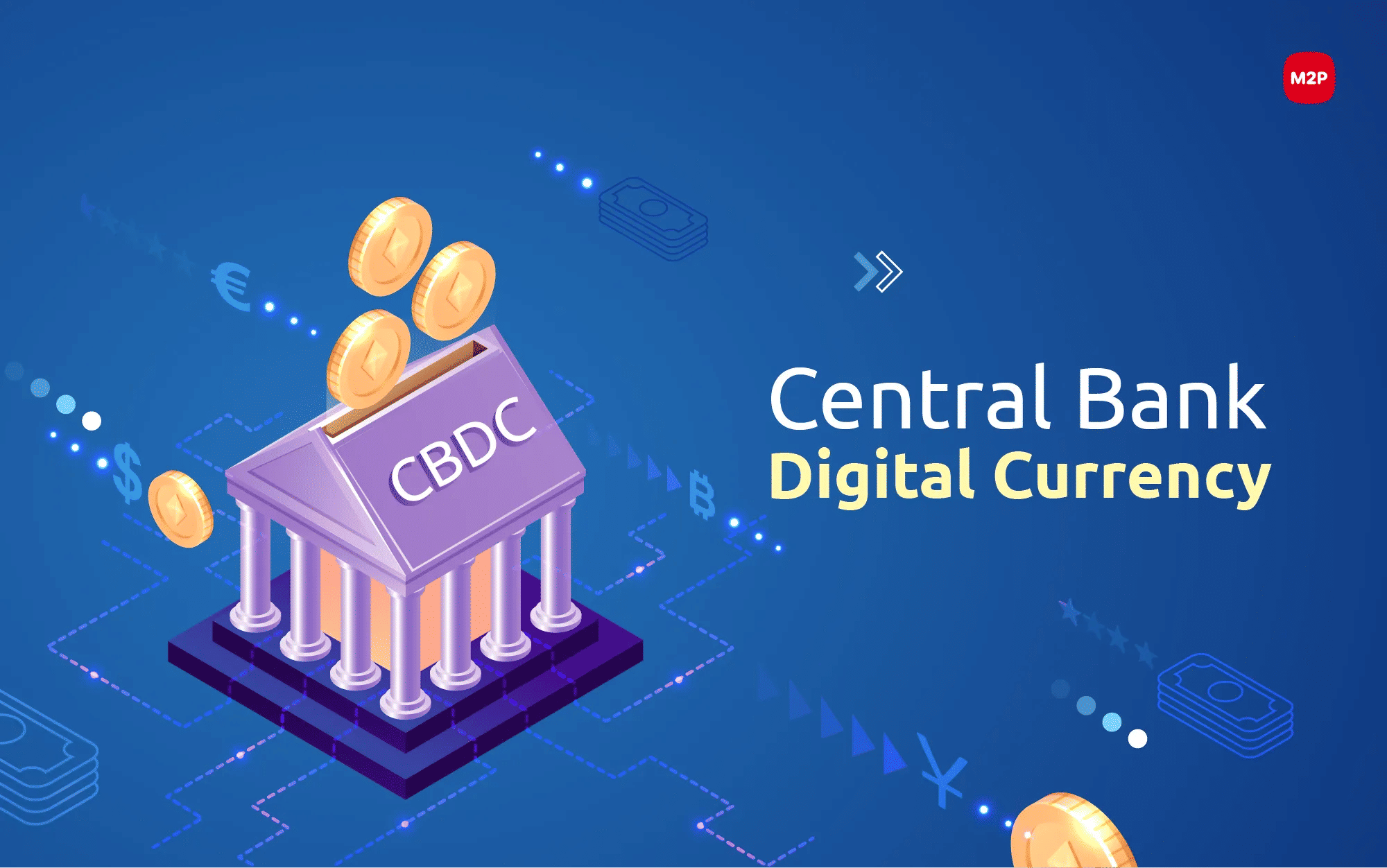
However, the rise of Central Bank Digital Currencies (CBDCs) introduces a fundamentally different architecture for moving value internationally. Increasingly, governments and central banks are exploring bilateral and regional CBDC bridge systems that could enable direct value transfer between countries without relying on traditional intermediary structures.
In 2026 and beyond, this emerging transition is often described as the rise of “Bilateral CBDC Bridges.” While the phrase “Demolishing SWIFT” is provocative, the more realistic discussion involves whether CBDC networks may gradually reduce dependence on existing systems rather than eliminate them entirely.
This shift could reshape global payments, international trade, monetary policy, and financial geopolitics.
What Is SWIFT?
SWIFT (Society for Worldwide Interbank Financial Telecommunication) is a global financial messaging network used by banks and financial institutions.
- Cross-border payment messaging
- Interbank communication
- Trade settlement instructions
- Financial transaction coordination
SWIFT primarily moves information rather than money itself.
Limitations of Traditional International Payments
Conventional international systems often involve multiple intermediaries.
- Delayed settlement times
- High transaction costs
- Complex correspondent banking chains
- Limited operating hours
- Liquidity requirements across jurisdictions
Cross-border transactions can sometimes take days to settle.
What Are CBDC Bridges?
CBDC bridges are digital infrastructures connecting central bank digital currency systems across jurisdictions.
- Direct currency exchange mechanisms
- Cross-border settlement systems
- Shared payment infrastructure
- Programmable transaction logic
These systems aim to enable faster movement of value between nations.
What Does Bilateral Mean?
Bilateral CBDC arrangements involve two countries establishing direct payment connections.
Examples could include:
- Country A digital currency ↔ Country B digital currency
- Direct settlement rules
- Shared compliance standards
- Integrated payment infrastructure
Transactions may bypass multiple intermediary institutions.
How CBDC Bridges Might Work
Future systems could operate using shared settlement infrastructure.
- Digital wallets connect institutions
- Transaction requests are validated
- Currency conversion occurs automatically
- Settlement executes instantly
Value transfer becomes increasingly direct.
Potential Benefits
- Near real-time settlement
- Reduced transaction costs
- Lower dependency on intermediaries
- Improved liquidity efficiency
- 24/7 operational capability
Payment infrastructure may become significantly faster and more efficient.
Geopolitical Implications
CBDC bridges are not purely technological developments.
- Monetary sovereignty concerns
- International trade relationships
- Financial influence shifts
- Strategic payment independence
Payment infrastructure increasingly intersects with geopolitics.
The future question may not be whether SWIFT disappears, but whether global payments evolve from centralized messaging systems toward interconnected digital settlement networks.
SWIFT vs Bilateral CBDC Bridges
| SWIFT Model | CBDC Bridge Model |
|---|---|
| Messaging-focused | Settlement-focused |
| Multiple intermediaries | Direct connections |
| Delayed settlement | Potential near real-time settlement |
| Traditional infrastructure | Digital-native systems |
Challenges and Risks
CBDC bridge systems face significant hurdles.
- Interoperability issues
- Cybersecurity threats
- Privacy concerns
- Regulatory fragmentation
- Political coordination difficulties
- Technical standardization challenges
Global payment systems require high levels of trust and coordination.

Possible Future Scenarios
- SWIFT integrates with CBDC systems
- Regional CBDC networks emerge
- Hybrid international payment systems develop
- Direct bilateral settlement ecosystems expand
A mixed infrastructure model appears more likely than an immediate replacement.
Economic and Strategic Implications
The growth of bilateral CBDC bridges could reshape global finance.
- Changes in international payment economics
- Reduced settlement friction
- New monetary relationships
- Evolution of digital trade ecosystems
The architecture of global money movement may increasingly shift toward programmable and interconnected systems.
Frequently Asked Questions
Will CBDCs replace SWIFT?
Near term, a coexistence model appears more likely than complete replacement.
What is a CBDC bridge?
A system connecting multiple central bank digital currencies for cross-border settlement.
Why are countries interested in bilateral CBDC systems?
Potential reasons include faster payments, reduced costs, and greater financial independence.
Conclusion
“Demolishing SWIFT” is a dramatic framing, but the broader reality involves a gradual redesign of international financial infrastructure. Bilateral CBDC bridges represent a move toward programmable, direct, and digital-native settlement systems that could reduce reliance on traditional intermediary structures. Rather than eliminating existing systems overnight, the future may involve interconnected layers where legacy infrastructure and digital currency networks operate together.