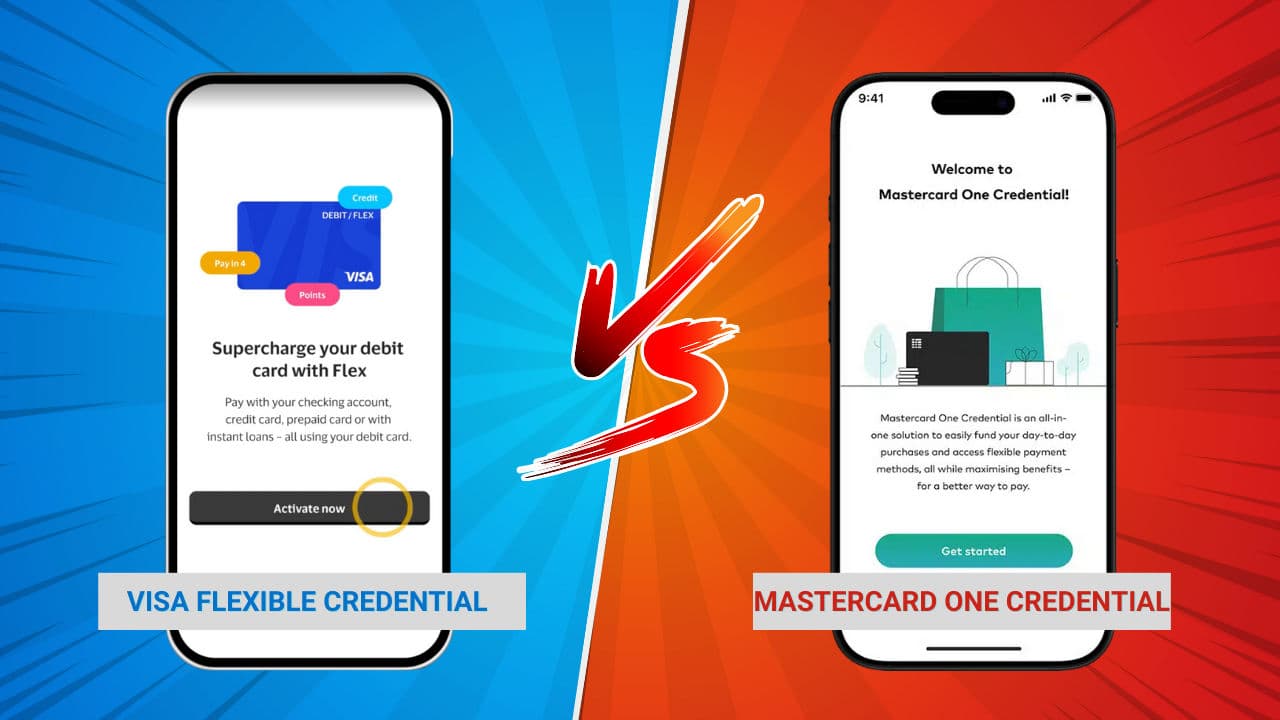
Flexible Credentials & The Payment Card Renaissance
The payments industry is undergoing a profound transformation driven by digital wallets, embedded finance, artificial intelligence, tokenization, biometric identity systems, and programmable financial infrastructure. Traditional payment cards—once viewed simply as plastic instruments linked to a bank account—are evolving into intelligent financial identities capable of dynamically adapting to context, user preferences, and financial goals.
In 2026, a major emerging concept is the rise of “Flexible Credentials” and what many analysts describe as a “Payment Card Renaissance.” Instead of static payment instruments, future credentials may dynamically switch between funding sources, payment rules, identity frameworks, loyalty systems, and programmable financial capabilities.
This evolution could fundamentally reshape how people authenticate, pay, borrow, save, and interact with financial systems.
What Are Flexible Credentials?
Flexible credentials are adaptive payment and identity systems capable of dynamically changing how transactions are processed.
- Multiple payment source integration
- Dynamic transaction routing
- Programmable payment preferences
- Identity-linked financial functionality
Instead of one fixed payment method, a single credential can support multiple financial functions.
Why Traditional Payment Cards Are Evolving
Conventional card systems face increasing limitations within modern financial ecosystems.
- Fixed funding relationships
- Limited personalization capabilities
- Fragmented rewards systems
- Static transaction behavior
- Dependence on legacy payment infrastructure
Consumers increasingly expect adaptive and intelligent financial experiences.
What Is the Payment Card Renaissance?
The payment card renaissance refers to the reinvention of payment credentials from simple transaction tools into programmable financial platforms.
- AI-powered financial intelligence
- Context-aware payment decisions
- Embedded loyalty ecosystems
- Integrated identity services
Payment cards evolve into intelligent digital financial companions.
How Flexible Credentials Work
Adaptive credentials use real-time data and decision systems to determine optimal transaction behavior.
- Transaction context analysis
- Funding source optimization
- Risk assessment systems
- Dynamic payment routing
Financial decisions increasingly occur automatically in the background.

Examples of Flexible Credential Capabilities
Future credentials may automatically adjust payment behavior.
- Selecting debit versus credit automatically
- Optimizing rewards and loyalty points
- Switching payment methods by merchant category
- Adjusting spending rules dynamically
Payment systems become increasingly intelligent and personalized.
AI and Adaptive Financial Intelligence
Artificial intelligence is becoming central to payment innovation.
- Personalized spending recommendations
- Predictive financial assistance
- Fraud detection systems
- Dynamic financial optimization
AI transforms payment credentials into active financial assistants.
Tokenization and Security
Modern payment credentials increasingly rely on token-based security systems.
- Virtual payment tokens
- Device-level transaction credentials
- Dynamic authentication systems
- Reduced exposure of sensitive account data
Tokenization improves security and privacy.
Benefits of Flexible Credentials
- Greater personalization
- Improved financial efficiency
- Enhanced fraud protection
- Reduced payment friction
- Integrated financial experiences
Adaptive credentials may significantly improve user experiences.
Flexible credentials transform payment cards from static financial tools into adaptive digital identities capable of making intelligent financial decisions.
Traditional Cards vs Flexible Credentials
- Traditional → One card linked to one funding source
- Flexible → Multiple funding and identity layers
- Traditional → Static transaction behavior
- Flexible → Context-aware adaptive decisions
This changes the role of payment infrastructure.
Digital Identity Integration
Future payment systems increasingly integrate financial identity capabilities.
- Biometric authentication
- Verified digital credentials
- Identity-based authorization systems
- Privacy-preserving authentication mechanisms
Payments and identity become increasingly connected.
Embedded Finance Ecosystems
Payment credentials increasingly function within broader financial ecosystems.
- Integrated lending services
- Real-time budgeting tools
- Embedded insurance products
- Automated savings mechanisms
Financial services become integrated directly into payment experiences.
Risks and Challenges
Flexible financial systems introduce important challenges.
- Privacy concerns
- Cybersecurity threats
- Algorithmic decision risks
- Identity management complexity
- Regulatory uncertainty
Governance and transparency remain essential.
Future of Payment Credentials
The future payment ecosystem may become increasingly intelligent and identity-centric.
- AI-native payment assistants
- Autonomous financial optimization
- Unified identity-payment ecosystems
- Programmable financial relationships
Payment systems increasingly evolve into digital financial platforms.
Economic and Strategic Implications
The payment card renaissance could reshape banking and consumer finance.
- Transformation of payment economics
- Greater consumer personalization
- Expansion of digital financial ecosystems
- Redefinition of financial relationships
This evolution may fundamentally alter how individuals interact with money and financial systems.
Frequently Asked Questions
What are flexible credentials?
Adaptive payment and identity systems capable of dynamically changing payment behavior and funding sources.
What is the payment card renaissance?
The evolution of payment cards from static transaction tools into intelligent programmable financial platforms.
Why are these technologies important?
Because they improve personalization, security, efficiency, and integration across financial ecosystems.
Conclusion
Flexible Credentials and the Payment Card Renaissance represent a major evolution in digital finance where payment instruments become adaptive, intelligent, and deeply integrated with identity and financial services. As AI, embedded finance, tokenization, and digital identity systems continue to mature, payment credentials may evolve from passive transaction tools into active financial decision systems. This transformation could redefine the future relationship between individuals, payments, and the broader financial ecosystem.