"De-Extinction" Underwriting & Bio-Risk Premium
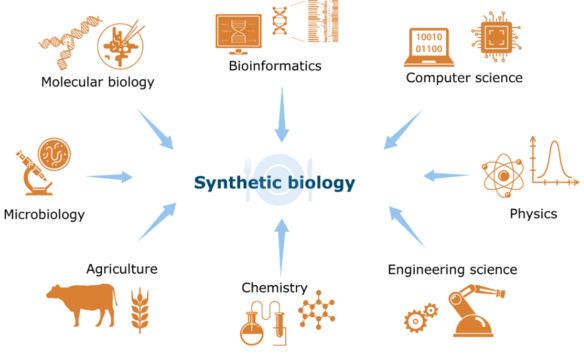
The convergence of synthetic biology, gene editing, biodiversity engineering, and de-extinction technologies is creating entirely new categories of economic risk. For decades, insurance and underwriting systems focused primarily on familiar domains such as property damage, health events, environmental risks, and financial uncertainty. However, advances in biotechnology are introducing risks associated with engineered ecosystems, revived species, synthetic organisms, and large-scale biological interventions.
In 2026 and beyond, a new concept is emerging: “De-Extinction Underwriting” and the rise of Bio-Risk Premium models. These frameworks attempt to quantify and price risks associated with resurrected species, engineered biological systems, ecosystem disruption, and synthetic life technologies.
This evolution could fundamentally transform insurance, environmental risk assessment, and the economics of biotechnology.
What Is De-Extinction?
De-extinction refers to scientific efforts aimed at restoring extinct species or creating functionally similar organisms using modern biotechnology.
- Genetic reconstruction techniques
- Gene-editing systems
- Synthetic biology platforms
- Selective breeding technologies
- Biological ecosystem engineering
The objective is not simply recreating ancient organisms but potentially restoring ecological functions.
What Is De-Extinction Underwriting?
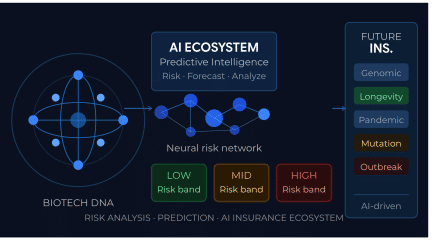
De-extinction underwriting refers to risk assessment frameworks used to evaluate and price biological uncertainties associated with revived or engineered species.
- Ecosystem disruption analysis
- Species behavior prediction
- Biological containment assessment
- Long-term environmental impact modeling
Insurance systems increasingly adapt to biological complexity.
What Is a Bio-Risk Premium?
A bio-risk premium represents additional financial costs or pricing adjustments reflecting uncertainty associated with biological technologies.
- Environmental uncertainty premiums
- Genetic risk adjustments
- Containment risk pricing
- Ecosystem volatility factors
Biological uncertainty becomes measurable financial risk.
Why Traditional Risk Models Are Changing
Conventional insurance frameworks were not designed for synthetic biological systems.
- Limited historical datasets
- Unpredictable ecosystem interactions
- Novel biological behavior patterns
- Cross-disciplinary risk complexity
Biotechnology introduces new categories of uncertainty.
Potential Bio-Risks in De-Extinction Programs
Several risks could emerge from large-scale biological engineering projects.
- Unexpected ecosystem disruption
- Species adaptation failures
- Disease transmission pathways
- Genetic instability risks
- Biodiversity imbalance effects
Complex biological systems can create difficult-to-predict outcomes.
AI and Bio-Risk Modeling
Artificial intelligence increasingly supports biological forecasting systems.
- Predictive ecosystem simulation
- Behavioral pattern modeling
- Genetic interaction analysis
- Risk scenario forecasting
AI expands the ability to analyze biological complexity.
Applications of Bio-Risk Underwriting
Future insurance and financial systems may apply these models broadly.
- Biotechnology companies
- Environmental restoration projects
- Agricultural genetic systems
- Synthetic biology laboratories
- Conservation initiatives
Risk frameworks increasingly extend into biological innovation.
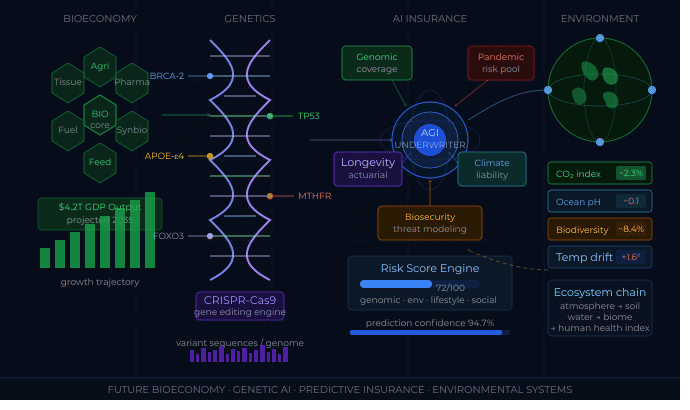
Benefits of Bio-Risk Intelligence Systems
- Improved risk visibility
- Enhanced environmental forecasting
- Greater investor confidence
- More informed biotechnology decisions
- Improved ecosystem management
Advanced risk intelligence may improve responsible innovation.
As biotechnology expands beyond traditional boundaries, biological uncertainty itself becomes a measurable financial and strategic variable.
Traditional Underwriting vs Bio-Risk Underwriting
- Traditional → Historical event-based models
- Bio-Risk → Predictive ecosystem intelligence
- Traditional → Static actuarial frameworks
- Bio-Risk → Dynamic biological simulations
This transition changes how uncertainty is measured.
Ethical and Governance Challenges
Biological engineering introduces difficult ethical questions.
- Species welfare concerns
- Ecological intervention ethics
- Long-term environmental responsibility
- Ownership of engineered organisms
Technology alone cannot resolve these challenges.
Regulatory Considerations
Governments and scientific organizations may require new frameworks.
- Biological safety standards
- Containment requirements
- Environmental assessment regulations
- Cross-border biotechnology governance
Regulation becomes critical for responsible deployment.
Future of Bio-Risk Economics
The future bioeconomy may increasingly rely on sophisticated risk systems.
- AI-native biological forecasting
- Dynamic ecosystem insurance
- Programmable environmental risk systems
- Integrated biotechnology financial models
Risk analysis increasingly becomes a component of biological innovation.
Economic and Strategic Implications
Bio-risk frameworks could reshape biotechnology economics.
- Expansion of biotech insurance markets
- New investment evaluation models
- Growth of biological risk intelligence systems
- Transformation of environmental finance
This evolution may redefine how society evaluates uncertainty in future biological systems.
Frequently Asked Questions
What is de-extinction underwriting?
A framework used to assess and price risks associated with revived or engineered biological systems.
What is a bio-risk premium?
An additional risk cost reflecting uncertainty associated with biological technologies and ecosystem effects.
Why is this important?
Because emerging biotechnology may create risks that traditional financial and insurance systems are not designed to evaluate.
Conclusion
De-Extinction Underwriting and Bio-Risk Premium models represent a future where biotechnology and finance increasingly intersect. As synthetic biology, ecosystem engineering, and species restoration efforts expand, risk systems may evolve beyond conventional actuarial methods into predictive biological intelligence platforms. While these developments could support responsible innovation and environmental restoration, they also introduce profound scientific, ethical, regulatory, and economic challenges that may shape the future bioeconomy.