Invoice Explained: Meaning, Types, Importance and How Invoicing Works in Business
An invoice is one of the most essential documents in business transactions. It serves as a formal request for payment and provides a detailed record of goods or services provided. Whether you are a small business owner, freelancer, or large enterprise, invoicing is a critical part of managing finances and maintaining transparency.
Invoices not only help businesses track sales and revenue but also play a vital role in accounting, taxation, and financial reporting. A well-structured invoicing system ensures smooth cash flow and strengthens business relationships.
Understanding invoices, their types, and how they work is essential for efficient business operations.
What Is an Invoice?
An invoice is a commercial document issued by a seller to a buyer that lists the products or services provided along with their prices. It also includes payment terms and other transaction details.
- Acts as a payment request
- Provides transaction details
- Includes pricing and taxes
- Serves as legal proof
It is an essential document for both buyers and sellers.
Key Elements of an Invoice
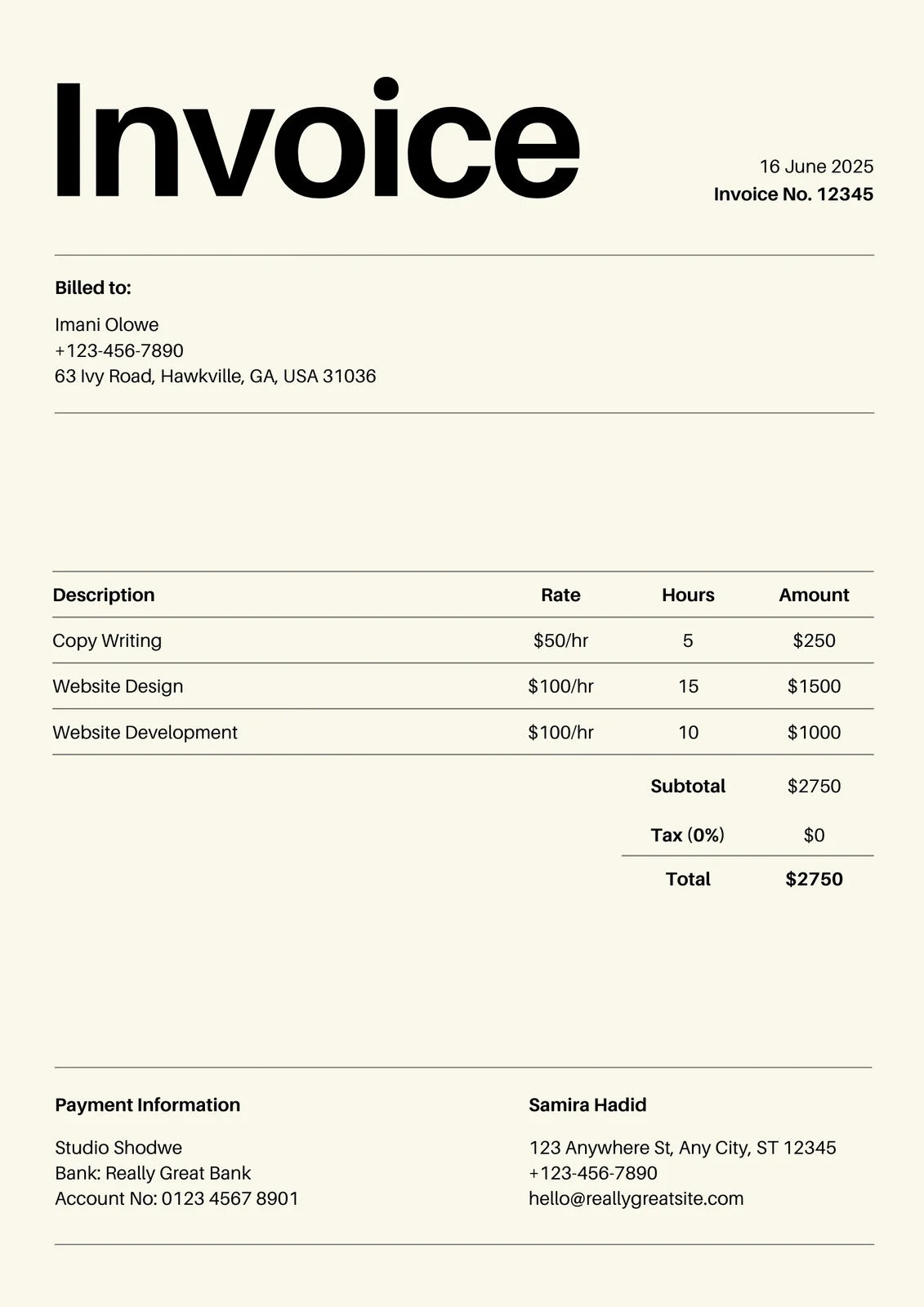
An invoice contains several important components that ensure clarity and accuracy.
- Invoice number
- Date of issue
- Seller and buyer details
- Description of goods/services
- Quantity and price
- Total amount and taxes
- Payment terms
These elements help in proper documentation and tracking.
Types of Invoices
Different types of invoices are used depending on business needs.
- Standard Invoice: Regular billing document
- Proforma Invoice: Preliminary invoice before sale
- Credit Invoice: Issued for refunds or discounts
- Debit Invoice: Used for additional charges
- Recurring Invoice: For subscription-based services
Each type serves a specific purpose in business transactions.
How Invoicing Works
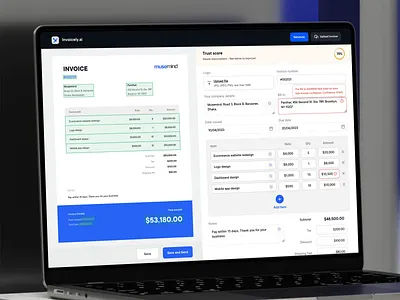
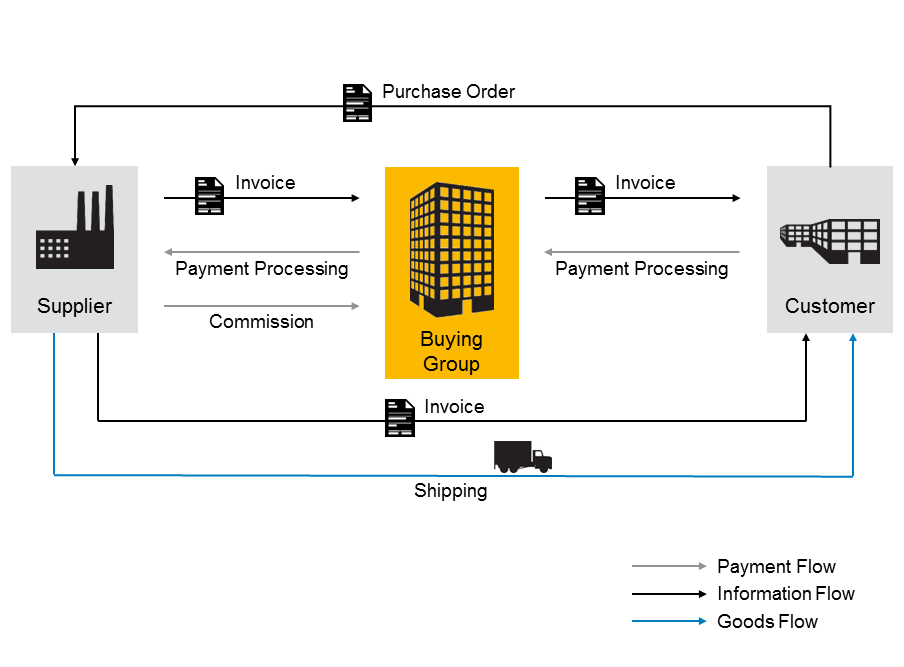
The invoicing process involves several steps that ensure smooth payment collection.
- Provide goods or services
- Create and send invoice
- Set payment terms
- Receive payment
- Record transaction
This process ensures proper financial tracking and cash flow management.
Importance of Invoicing in Business
Invoicing is crucial for maintaining financial discipline and transparency.
- Ensures timely payments
- Maintains financial records
- Supports tax compliance
- Improves cash flow
It is a key component of business success.
Benefits of Proper Invoicing
- Better financial management
- Reduced payment delays
- Improved customer relationships
- Accurate accounting records
These benefits enhance overall business efficiency.
Common Mistakes to Avoid
- Missing important details
- Incorrect pricing
- Delayed invoicing
- Not following up on payments
Avoiding these mistakes ensures smooth operations.
Invoice vs Receipt
It is important to distinguish between an invoice and a receipt.
- Invoice → Request for payment
- Receipt → Proof of payment
- Invoice → Issued before payment
- Receipt → Issued after payment
Both are essential for financial documentation.
An invoice is not just a bill—it is a powerful tool that drives business cash flow and financial clarity.
Role in Financial Management
Invoices play a significant role in managing business finances and ensuring transparency.
- Tracks revenue
- Supports audits
- Ensures compliance
They are essential for financial control and planning.
Frequently Asked Questions
What is an invoice?
It is a document requesting payment for goods or services.
Why is invoicing important?
It ensures timely payments and accurate financial records.
What are types of invoices?
Standard, proforma, credit, debit, and recurring invoices.
Conclusion
An invoice is a vital business document that ensures smooth transactions, accurate record-keeping, and financial transparency. By understanding its meaning, types, and importance, businesses can improve cash flow, maintain compliance, and achieve long-term success.