Lattice-Based Cryptography & "Quantum-Safe" Finance
The financial world is approaching a historic cybersecurity transition as quantum computing advances threaten the cryptographic systems that currently protect global banking, digital payments, stock exchanges, and blockchain infrastructure. Traditional encryption methods such as RSA and Elliptic Curve Cryptography (ECC) have long served as the foundation of modern digital finance. However, future quantum computers may eventually possess the power to break these systems.
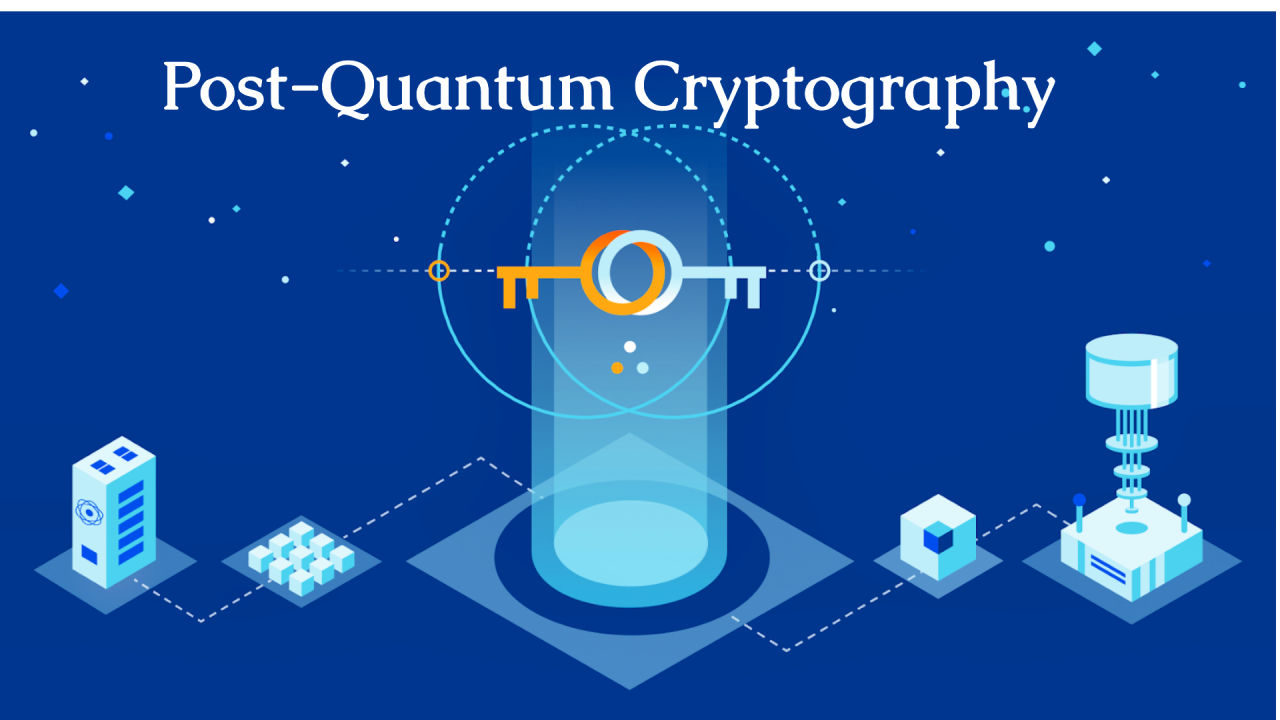
In response, financial institutions, governments, and cybersecurity organizations are increasingly investing in quantum-safe cryptography. At the center of this movement is lattice-based cryptography—one of the most promising approaches to post-quantum security.
In 2026, lattice-based systems are becoming critical to the future of “quantum-safe finance,” enabling secure transactions, digital identity protection, blockchain resilience, and next-generation financial infrastructure.
What Is Lattice-Based Cryptography?
Lattice-based cryptography is a form of post-quantum cryptography built on complex mathematical structures called lattices.
- Based on hard mathematical problems
- Designed to resist quantum attacks
- Supports encryption and digital signatures
- Enables advanced cryptographic functionality
It is considered one of the strongest candidates for future quantum-safe systems.

Why Quantum Computing Threatens Finance
Modern financial systems depend heavily on cryptographic security.
- Secure banking transactions
- Digital payment authentication
- Blockchain wallet protection
- Interbank communication systems
- Identity verification infrastructure
Quantum computers could potentially break many existing encryption standards.
What Is Quantum-Safe Finance?
Quantum-safe finance refers to financial infrastructure designed to remain secure against quantum computing attacks.
- Post-quantum encryption systems
- Quantum-resistant blockchain protocols
- Secure digital asset custody
- Future-proof banking infrastructure
This transition is becoming a strategic priority for global finance.
How Lattice Cryptography Works
Lattice-based systems rely on mathematical problems that remain difficult even for quantum computers.
- High-dimensional lattice structures
- Shortest Vector Problem (SVP)
- Learning With Errors (LWE) problem
- Noise-based cryptographic security
These mathematical challenges provide strong resistance to quantum attacks.
Why Lattice-Based Cryptography Is Important
- Quantum-resistant security
- Efficient encryption performance
- Strong mathematical foundation
- Support for advanced cryptographic protocols
- Scalable implementation potential
These advantages make lattice systems central to post-quantum finance.
Applications in Financial Systems
Lattice-based cryptography is being explored across multiple financial domains.
- Secure digital banking
- Central Bank Digital Currencies (CBDCs)
- Blockchain security upgrades
- Cross-border payment systems
- Institutional digital asset custody
Its applications are expanding rapidly.
Quantum-Safe Blockchain Infrastructure
Blockchain ecosystems face major risks from future quantum attacks.
- Private key exposure risks
- Smart contract vulnerabilities
- Quantum-resistant wallet systems
- Post-quantum consensus security
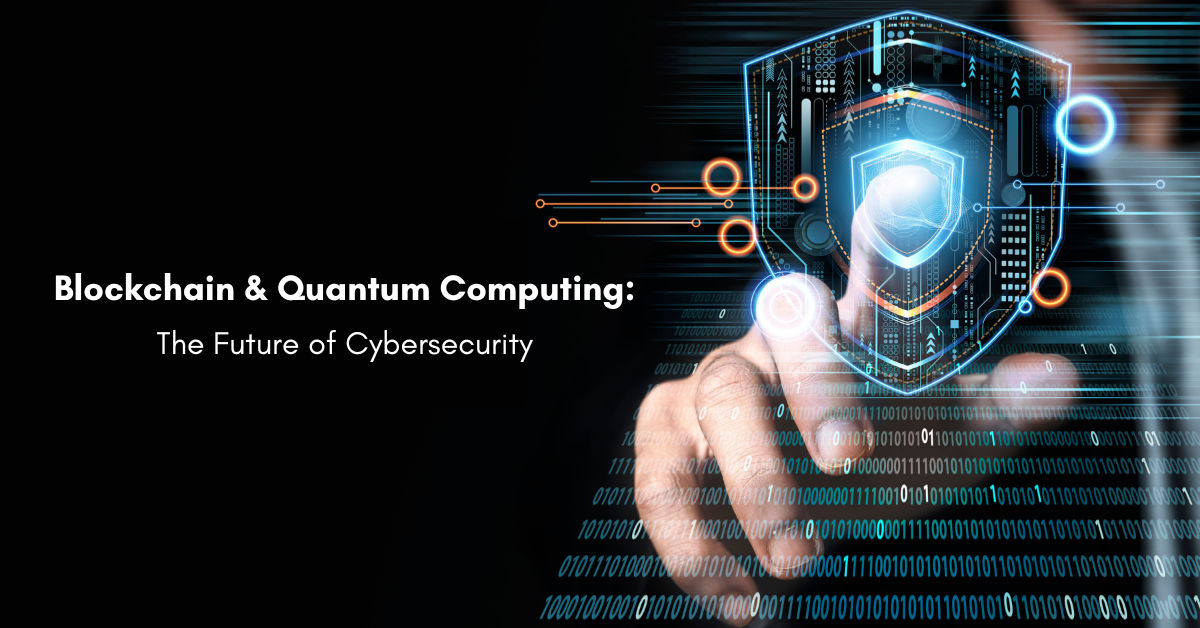
Lattice cryptography may become foundational for next-generation blockchain systems.
Role in Central Bank Digital Currencies (CBDCs)
Governments are increasingly exploring quantum-safe financial infrastructure.
- Secure national digital currencies
- Long-term transaction integrity
- National payment infrastructure protection
- Quantum-resistant monetary systems
Post-quantum security may become mandatory for future CBDCs.
Benefits of Quantum-Safe Financial Systems
- Long-term cybersecurity resilience
- Protection against future quantum threats
- Enhanced institutional trust
- Improved digital infrastructure security
- Reduced systemic financial risk
These benefits are accelerating institutional adoption.
Quantum-safe finance is not simply an upgrade to cybersecurity—it is the foundation for protecting the future architecture of the global digital economy.
Traditional Cryptography vs Post-Quantum Security
- Traditional → Vulnerable to future quantum attacks
- Post-quantum → Designed for quantum resistance
- Traditional → Based on factorization problems
- Post-quantum → Based on lattice mathematics
This transition represents a major shift in digital security architecture.
Challenges and Limitations
Despite its promise, lattice-based cryptography faces several challenges.
- Larger key sizes
- Implementation complexity
- Migration costs for institutions
- Performance optimization requirements
- Standardization and interoperability issues
These challenges are actively being addressed by researchers and regulators.
The Role of Governments and Regulators
Governments are increasingly preparing for the post-quantum era.
- National cybersecurity initiatives
- Quantum-safe financial standards
- Critical infrastructure protection programs
- Central bank digital security frameworks
Policy coordination is accelerating globally.
Institutional Migration Strategies
Financial institutions are beginning long-term migration planning.
- Hybrid cryptographic systems
- Incremental infrastructure upgrades
- Post-quantum compliance planning
- Quantum risk assessment frameworks
The transition to quantum-safe systems may take many years.
AI, Quantum Computing, and Cybersecurity
Artificial intelligence is increasingly intersecting with quantum-safe finance.
- AI-powered threat detection
- Automated cryptographic analysis
- Quantum risk modeling
- Adaptive cybersecurity systems
AI may play a critical role in defending future financial infrastructure.
Future of Quantum-Safe Finance
The future financial system will likely be fundamentally post-quantum.
- Quantum-resistant global payment networks
- Secure AI-driven financial ecosystems
- Post-quantum blockchain infrastructure
- Resilient digital identity systems
Quantum-safe architecture may become a standard requirement across finance.
Economic and Strategic Implications
The post-quantum transition carries major geopolitical and economic importance.
- Cybersecurity competitiveness between nations
- Protection of financial sovereignty
- Stability of digital economies
- Long-term trust in financial systems
Quantum-safe finance is becoming a strategic national priority.
Frequently Asked Questions
What is lattice-based cryptography?
A post-quantum cryptographic system based on complex lattice mathematics.
Why is quantum-safe finance important?
Because future quantum computers could break current financial encryption systems.
Where will lattice cryptography be used?
Banking, blockchain systems, CBDCs, payments, and digital identity infrastructure.
Conclusion
Lattice-based cryptography and quantum-safe finance represent one of the most important cybersecurity transformations of the digital age. As quantum computing advances threaten traditional encryption systems, financial institutions and governments are accelerating efforts to secure critical infrastructure using post-quantum technologies. By enabling resilient banking systems, secure blockchain ecosystems, and future-proof digital economies, lattice-based cryptography may become a foundational layer of the next generation of global finance.