
Liability Explained: Meaning, Types, Importance and Examples in Accounting
Liability is a fundamental concept in accounting and finance that represents a company’s financial obligations or debts. It refers to what a business owes to external parties, such as lenders, suppliers, or employees. Understanding liabilities is essential for evaluating a company’s financial health and stability.
In simple terms, liabilities are obligations that arise from past transactions and must be settled in the future through the transfer of money, goods, or services. They play a crucial role in shaping a company’s financial structure and decision-making.
Whether in business accounting or personal finance, managing liabilities effectively is key to maintaining financial balance and avoiding excessive debt.
What Is a Liability?
A liability is a financial obligation that a business or individual is required to pay in the future. It arises when an entity borrows money or receives goods and services on credit.
- Represents debts or obligations
- Arises from past transactions
- Requires future payment
- Recorded in financial statements
Liabilities are an essential part of the balance sheet.

Types of Liabilities
Liabilities are classified based on their duration and nature.
- Current Liabilities: Short-term obligations due within one year
- Non-Current Liabilities: Long-term obligations
- Contingent Liabilities: Potential obligations based on future events
Each type helps in understanding financial commitments.
Current Liabilities Explained
Current liabilities are obligations that must be settled within a short period, usually one year.
- Accounts payable
- Short-term loans
- Outstanding expenses
- Taxes payable
They are crucial for managing daily operations.
Non-Current Liabilities Explained
Non-current liabilities are long-term obligations that are due after one year.
- Long-term loans
- Bonds payable
- Mortgage obligations
They support long-term investments and growth.
Contingent Liabilities Explained
Contingent liabilities are potential obligations that may arise depending on the outcome of future events.
- Legal disputes
- Guarantees
- Warranty claims
They are recorded only when certain conditions are met.
Examples of Liabilities
Liabilities exist in various forms in both business and personal finance.
- Bank loans
- Credit card dues
- Supplier payments
- Employee salaries
These examples highlight common financial obligations.
Importance of Liabilities in Accounting
Liabilities are essential for understanding a company’s financial position.
- Helps assess financial risk
- Supports business operations
- Provides insight into debt levels
- Ensures accurate financial reporting
They are critical for decision-making.
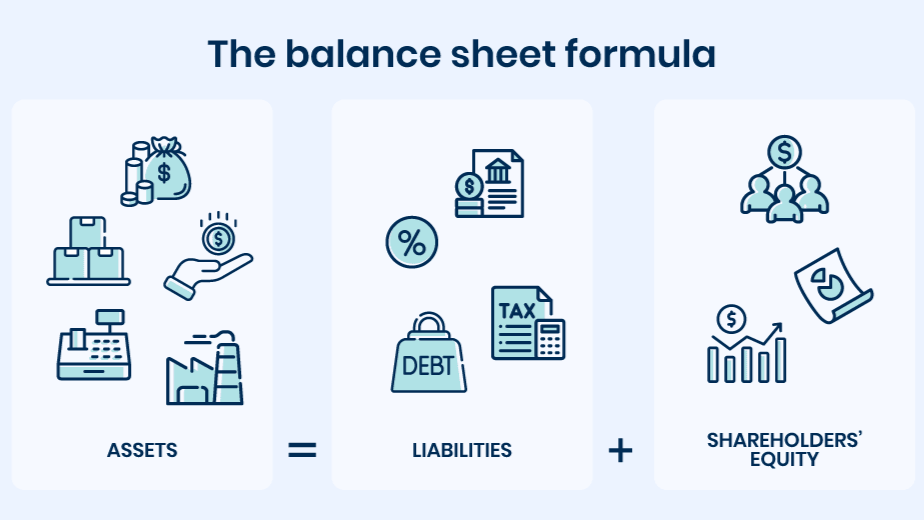
Liabilities vs Assets
Understanding the difference between liabilities and assets is important.
- Liabilities → What you owe
- Assets → What you own
- Liabilities reduce net worth
- Assets increase value
Both are essential components of financial statements.
Advantages of Liabilities
- Provides funding for growth
- Helps expand business operations
- Supports cash flow management
Liabilities can be beneficial when managed properly.
Disadvantages of Liabilities
- Increases financial risk
- Requires regular payments
- Can lead to debt burden
Excessive liabilities can harm financial stability.
Liabilities are not just debts—they are commitments that shape financial decisions and business growth.
Role in Financial Planning
Liabilities play a key role in financial planning by helping individuals and businesses manage obligations effectively.
- Supports budgeting
- Helps manage debt
- Ensures financial discipline
Proper management leads to financial stability.
Frequently Asked Questions
What is a liability?
It is a financial obligation that must be paid in the future.
What are types of liabilities?
Current, non-current, and contingent liabilities.
Why are liabilities important?
They help assess financial health and obligations.
Conclusion
Liabilities are a core component of accounting that represent financial obligations and commitments. By understanding their meaning, types, and importance, individuals and businesses can manage debt effectively, maintain financial balance, and achieve long-term stability. Proper liability management is essential for sustainable financial success.