
Neuro-Pricing & Behavioral FinTech
The intersection of neuroscience, artificial intelligence, behavioral economics, and financial technology is creating a new frontier in digital finance known as Neuro-Pricing and Behavioral FinTech. As financial systems become increasingly data-driven and personalized, institutions are moving beyond traditional economic models to better understand how human emotions, cognitive biases, and neural responses influence financial decisions.
In 2026, behavioral analytics and neuroeconomic insights are transforming how banks, investment platforms, insurance companies, and digital marketplaces design pricing systems, financial products, and customer experiences. This shift is enabling highly adaptive financial ecosystems capable of responding to real-time behavioral signals.
Neuro-Pricing and Behavioral FinTech are redefining the relationship between psychology, technology, and economic behavior.
What Is Neuro-Pricing?
Neuro-Pricing refers to pricing strategies influenced by neuroscience, cognitive psychology, and behavioral data analysis.
- Emotion-driven pricing models
- Cognitive response analysis
- Behavior-based personalization
- AI-enhanced pricing optimization
It seeks to understand how the brain responds to financial decisions.

What Is Behavioral FinTech?
Behavioral FinTech combines behavioral economics, AI, and financial technology to create adaptive financial systems.
- Behavior-based financial personalization
- AI-driven user behavior analysis
- Digital financial nudging systems
- Emotion-aware financial interfaces
It aims to improve financial decision-making and engagement.
Why Behavioral Finance Matters
Traditional financial theory assumed rational economic behavior, but real-world decisions are heavily influenced by psychology.
- Emotional investing behavior
- Loss aversion and fear responses
- Impulse spending patterns
- Cognitive biases in risk assessment
Understanding these factors improves financial system design.
How Neuro-Pricing Works
Neuro-Pricing systems analyze behavioral and cognitive signals to optimize pricing strategies.
- AI-driven customer segmentation
- Behavioral data modeling
- Real-time emotional response analysis
- Dynamic pricing personalization
This creates highly adaptive financial experiences.
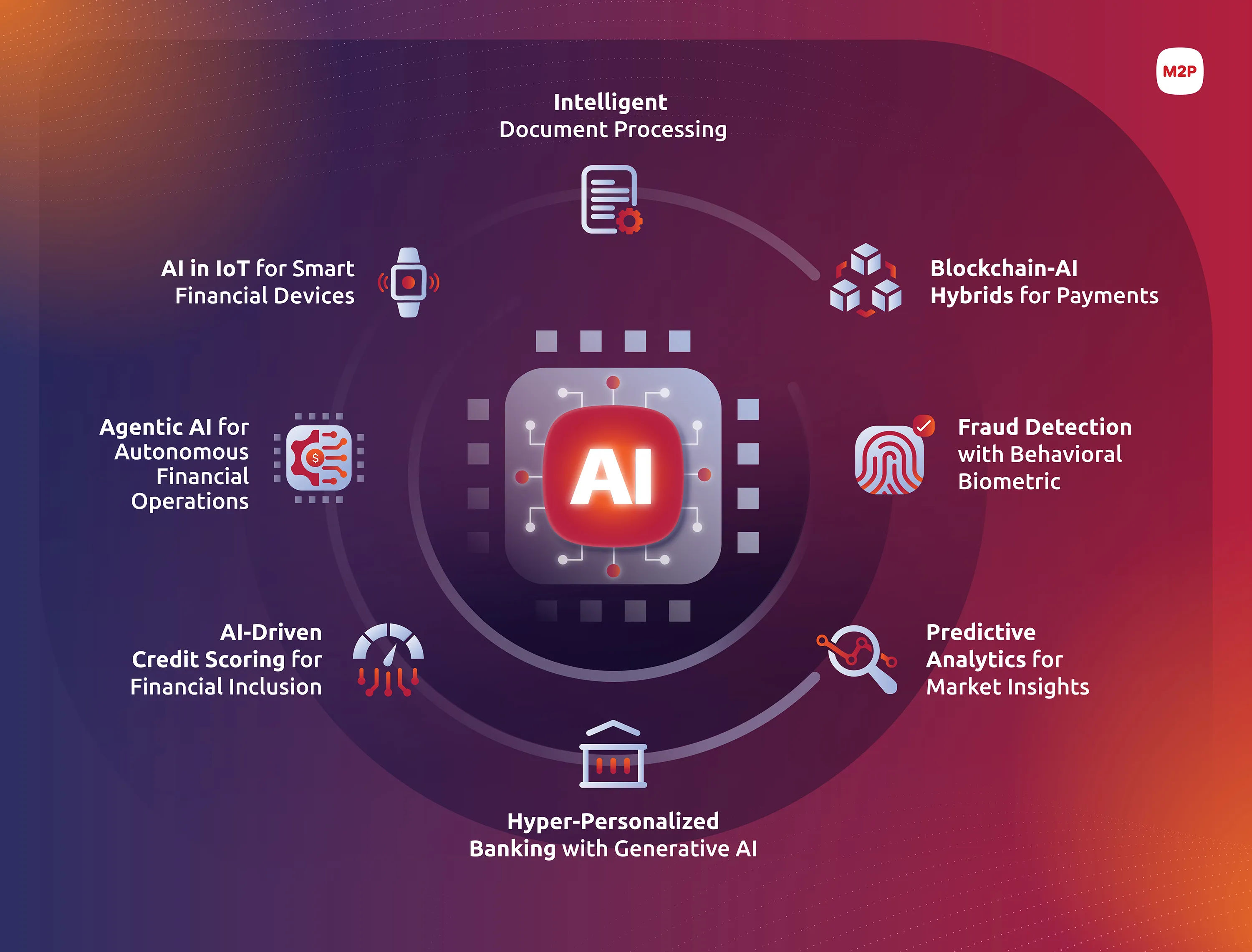
Technologies Powering Behavioral FinTech
- Artificial intelligence and machine learning
- Neuroeconomic research models
- Biometric and behavioral analytics
- Real-time data processing systems
- Personalized recommendation engines
These technologies enable intelligent financial personalization.
Applications in Financial Services
Behavioral FinTech is reshaping multiple sectors.
- Digital banking personalization
- AI-driven investment advisory platforms
- Insurance risk pricing
- Behavior-based credit scoring
- E-commerce financial optimization
Its influence is rapidly expanding.
Behavioral Nudging in Finance
Behavioral nudging helps guide users toward improved financial decisions.
- Automated savings prompts
- Risk-awareness notifications
- Spending behavior recommendations
- Investment discipline reinforcement
These systems encourage healthier financial behavior.

Benefits of Neuro-Pricing and Behavioral FinTech
- Improved customer engagement
- More personalized financial services
- Enhanced pricing optimization
- Better risk assessment models
- Increased financial inclusion
These advantages are driving rapid adoption.
Behavioral FinTech is transforming finance from a purely numerical system into an adaptive ecosystem that understands human psychology and emotional decision-making.
Traditional Pricing vs Neuro-Pricing
- Traditional → Static pricing models
- Neuro-Pricing → Dynamic behavior-driven pricing
- Traditional → Rational consumer assumptions
- Neuro-Pricing → Emotion and cognition-aware systems
This shift fundamentally changes financial personalization.
AI and Predictive Behavioral Modeling
Artificial intelligence is central to Behavioral FinTech systems.
- Behavioral forecasting algorithms
- Predictive financial modeling
- Real-time adaptive recommendations
- Emotion-sensitive engagement systems
AI enables continuous behavioral optimization.
Behavior-Based Credit Systems
Financial institutions are exploring alternative credit assessment models.
- Digital behavior analysis
- Spending pattern evaluation
- Behavioral trust scoring
- AI-powered risk profiling
This could expand access to financial services.
Ethical and Privacy Concerns
The rise of neuro-financial systems raises major ethical questions.
- Behavioral manipulation risks
- Consumer privacy concerns
- Data ownership issues
- Algorithmic discrimination risks
- Emotional exploitation concerns
Ethical governance is becoming increasingly important.
Regulatory Challenges
Behavioral financial systems may require new regulatory frameworks.
- Consumer protection laws
- AI transparency requirements
- Behavioral data governance
- Financial algorithm oversight
Regulators are beginning to address these emerging risks.
Future of Behavioral FinTech
The future of finance is becoming increasingly personalized and adaptive.
- Emotion-aware financial assistants
- AI-driven autonomous financial coaching
- Neuro-responsive digital marketplaces
- Hyper-personalized banking ecosystems
Behavioral intelligence may become central to future financial systems.
Societal and Economic Implications
Behavioral FinTech could reshape global financial behavior.
- Changes in consumer spending patterns
- New forms of financial personalization
- Enhanced digital economic participation
- Redefinition of customer-finance relationships
This transformation extends beyond banking into broader digital society.
Frequently Asked Questions
What is Neuro-Pricing?
A pricing strategy based on neuroscience, behavioral psychology, and AI analytics.
What is Behavioral FinTech?
A financial technology approach that uses behavioral and psychological insights to personalize financial systems.
Why is behavioral finance important?
Because human financial decisions are strongly influenced by emotions and cognitive biases.
Conclusion
Neuro-Pricing and Behavioral FinTech represent a major evolution in digital finance, combining neuroscience, behavioral economics, and artificial intelligence to create adaptive financial ecosystems. By understanding how humans emotionally and cognitively respond to financial decisions, these systems are transforming pricing models, banking experiences, and investment behavior. As AI and behavioral analytics continue to advance, Behavioral FinTech may become one of the defining pillars of next-generation financial infrastructure.