Open Finance vs. Open Banking (The Data Super-App Evolution)
The financial world is rapidly transitioning from isolated banking systems toward interconnected digital ecosystems where data, payments, investments, insurance, identity services, and financial products increasingly operate through integrated platforms. Early digital transformation efforts focused primarily on improving access to banking data through APIs. However, as financial ecosystems evolve, a broader model called Open Finance is emerging.
In 2026, the evolution from Open Banking to Open Finance is creating what many describe as the “Data Super-App Era,” where individuals can access and manage nearly every aspect of their financial life through intelligent and interconnected digital ecosystems.
This transition could fundamentally reshape banking, consumer behavior, financial competition, and ownership of financial data.
What Is Open Banking?
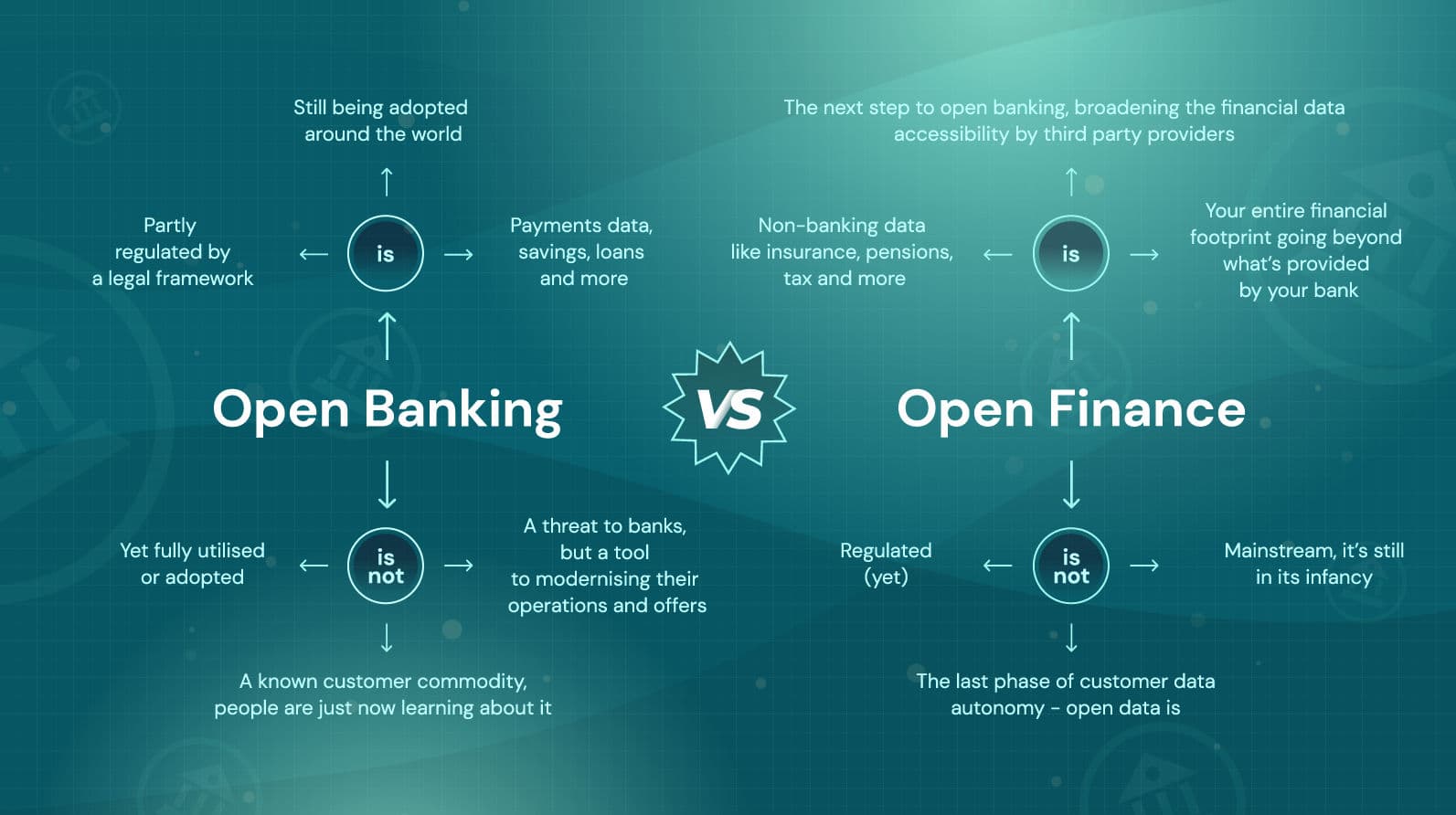
Open Banking is a framework that allows banks to securely share customer financial data with authorized third parties through APIs.
- Bank account data sharing
- Payment initiation systems
- Third-party financial applications
- Customer-controlled access permissions
The objective is to improve competition and innovation within banking services.

What Is Open Finance?
Open Finance extends Open Banking by expanding data sharing beyond traditional bank accounts into broader financial ecosystems.
- Banking data
- Investment portfolios
- Insurance information
- Retirement products
- Credit and lending systems
- Digital assets and payment systems
Financial information becomes interconnected across multiple services.
Why Open Banking Is Evolving
Modern financial behavior increasingly spans multiple platforms and services.
- Multiple financial applications
- Digital investment platforms
- Embedded finance systems
- Cross-platform payment ecosystems
- Personalized financial experiences
Consumers increasingly expect unified financial ecosystems.
Open Banking vs Open Finance
| Open Banking | Open Finance |
|---|---|
| Bank account focused | Entire financial ecosystem |
| Payment and account APIs | Multi-service data integration |
| Limited financial scope | Comprehensive financial intelligence |
Open Finance expands the reach of data connectivity significantly.
The Rise of Data Super-Apps
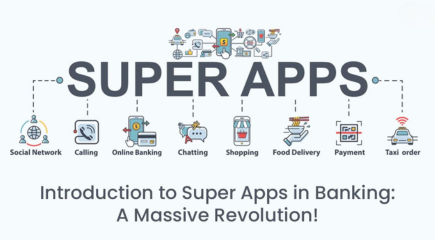
Financial super-apps integrate multiple services into a unified experience.
- Payments and transfers
- Investing tools
- Insurance products
- Personal budgeting systems
- Lending services
- Digital identity capabilities
Users increasingly interact with a single financial interface.
AI and Financial Personalization
Artificial intelligence increasingly powers financial experiences.
- Personalized recommendations
- Predictive spending insights
- Adaptive financial planning
- Behavior-based product suggestions
AI converts connected financial data into actionable intelligence.
Benefits of Open Finance
- Greater financial transparency
- Improved customer experience
- Enhanced personalization
- Expanded financial inclusion
- Greater innovation across financial services
Consumers gain greater control and visibility over their financial activities.

Open Banking shares banking data. Open Finance transforms all financial information into a connected intelligence ecosystem.
Data Ownership and Consumer Control
Future financial ecosystems increasingly prioritize user-controlled data access.
- Permission-based data sharing
- Consumer ownership models
- Granular privacy controls
- Consent management systems
Users become active managers of financial information.
Embedded Finance and Ecosystem Integration
Financial services increasingly operate inside non-financial platforms.
- E-commerce lending
- Integrated insurance services
- Subscription payment systems
- Context-based financial recommendations
Finance increasingly becomes invisible infrastructure.
Challenges and Risks
Open financial ecosystems introduce several important concerns.
- Data privacy risks
- Cybersecurity threats
- Platform concentration concerns
- Consent management complexity
- Regulatory fragmentation
Trust and governance remain essential requirements.
Future of Open Financial Ecosystems
Financial systems may increasingly evolve toward intelligent and interconnected platforms.
- AI-native financial assistants
- Unified financial identities
- Cross-platform economic ecosystems
- Autonomous financial optimization systems
Financial experiences become increasingly seamless and personalized.
Economic and Strategic Implications
The expansion from Open Banking to Open Finance could reshape financial systems globally.
- Transformation of banking business models
- Expansion of fintech ecosystems
- Greater competition among providers
- Shift toward data-driven financial services
This transition may redefine the future relationship between consumers, institutions, and financial data.
Frequently Asked Questions
What is Open Banking?
A system allowing secure sharing of banking information through APIs.
What is Open Finance?
An expanded ecosystem that includes banking, investments, insurance, lending, and broader financial data.
What are financial super-apps?
Integrated platforms combining multiple financial services into one unified experience.
Conclusion
Open Finance and the evolution beyond Open Banking represent one of the most significant transformations in digital financial systems. By connecting financial data across banking, insurance, investments, payments, and identity ecosystems, the future financial experience increasingly shifts toward AI-powered super-app environments. While this transformation promises greater convenience, personalization, and financial inclusion, it also raises important questions around privacy, governance, and ownership of financial information in an increasingly connected world.