Parametric Micro-Hedging for Small Businesses
Small businesses increasingly operate in an environment characterized by climate uncertainty, supply-chain disruptions, fluctuating commodity prices, changing customer behavior, cyber threats, and macroeconomic volatility. Traditionally, risk management and hedging strategies were largely reserved for large corporations with sophisticated treasury teams and access to derivatives markets.
In 2026, an emerging financial concept known as “Parametric Micro-Hedging” is attracting attention as a potential solution for smaller enterprises. This model combines AI-driven risk intelligence, real-time data feeds, automated insurance structures, and programmable financial contracts to provide highly targeted protection against specific business risks.
Instead of requiring large hedging positions or complex financial products, micro-hedging enables small businesses to obtain precise and affordable risk coverage.
This evolution could fundamentally transform financial resilience for small enterprises.
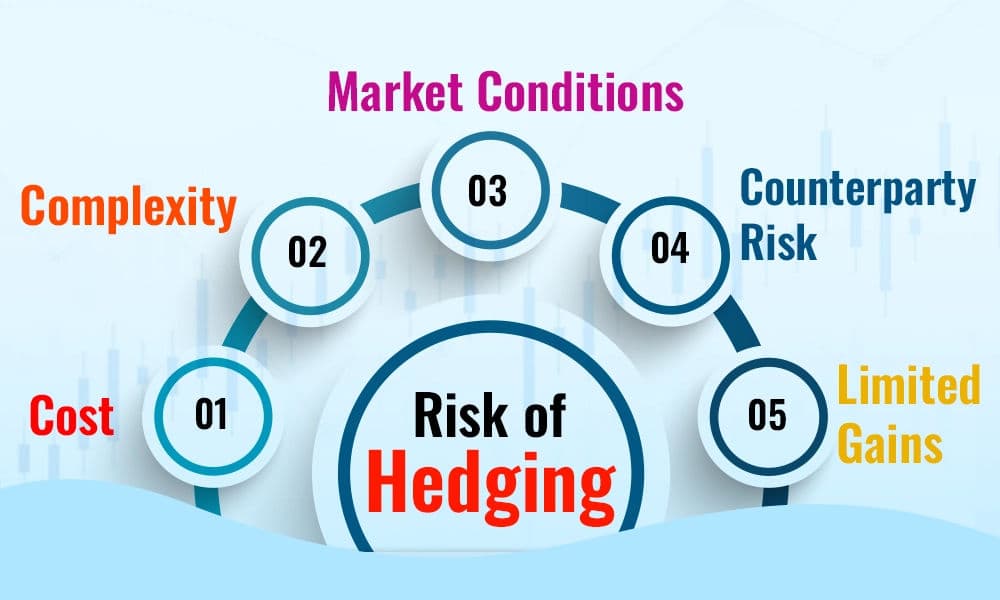
What Is Hedging?
Hedging is a strategy used to reduce financial exposure to uncertainty or adverse events.
- Price volatility protection
- Revenue stabilization
- Risk transfer mechanisms
- Financial uncertainty reduction
The objective is not eliminating risk entirely, but limiting its impact.
What Is Parametric Micro-Hedging?
Parametric micro-hedging refers to automated financial protection triggered by predefined measurable events.
- Weather-based triggers
- Supply-chain event triggers
- Sales decline thresholds
- Commodity price movements
- Operational disruption indicators
Payments occur automatically when specific conditions are met.
What Makes It “Parametric”?
Traditional insurance often depends on assessing actual losses after an event occurs. Parametric systems instead rely on predefined measurable conditions.
Examples include:
- Rainfall exceeding specified levels
- Temperature thresholds
- Shipping delays beyond certain limits
- Commodity prices reaching trigger points
Compensation becomes event-driven rather than claim-driven.
How Parametric Micro-Hedging Works
Modern systems continuously monitor business conditions and environmental signals.
- Real-time data collection
- Risk monitoring systems
- AI prediction models
- Automated payout execution
Risk protection increasingly becomes automated and continuous.
Examples of Small Business Use Cases
Micro-hedging may support many business types.
- Restaurants protecting against weather disruptions
- Retail businesses hedging inventory delays
- Agricultural firms protecting crop revenue
- Logistics companies managing fuel volatility
- Local businesses protecting against demand shocks
Protection becomes highly specific to business operations.
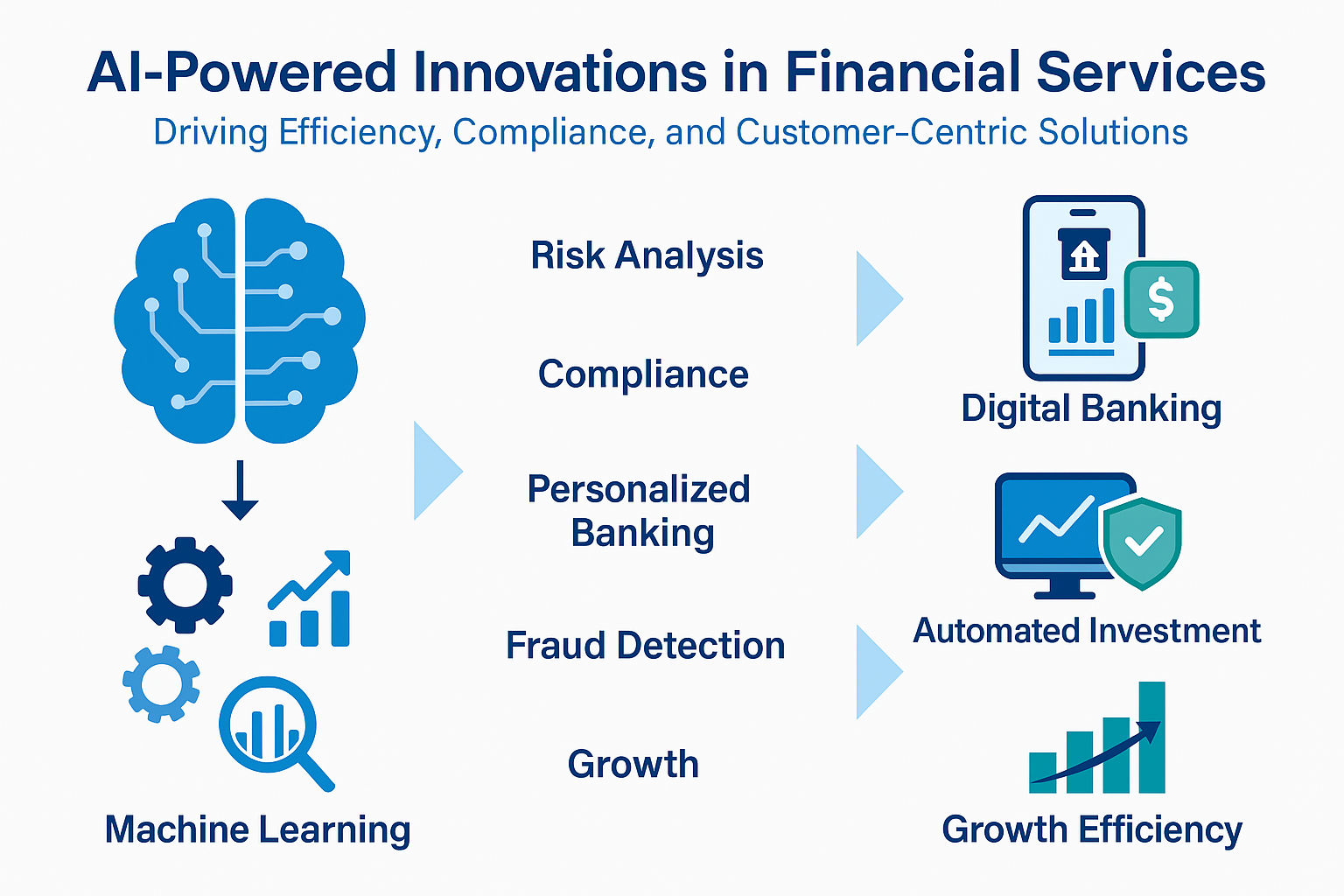
Technologies Driving Micro-Hedging
- Artificial intelligence
- Internet of Things (IoT)
- Real-time analytics platforms
- Smart contracts
- Blockchain settlement systems
Technology reduces cost and increases accessibility.
Benefits of Parametric Micro-Hedging
- Lower protection costs
- Faster payouts
- Reduced paperwork
- Greater financial resilience
- Improved cash-flow stability
Small businesses gain access to sophisticated financial protection mechanisms.
Parametric micro-hedging transforms risk management from expensive institutional infrastructure into accessible, automated protection for small businesses.
Traditional Insurance vs Parametric Micro-Hedging
- Traditional → Manual claims assessment
- Micro-Hedging → Automatic trigger-based payouts
- Traditional → Broad risk categories
- Micro-Hedging → Highly targeted risk coverage
This changes how business protection systems operate.
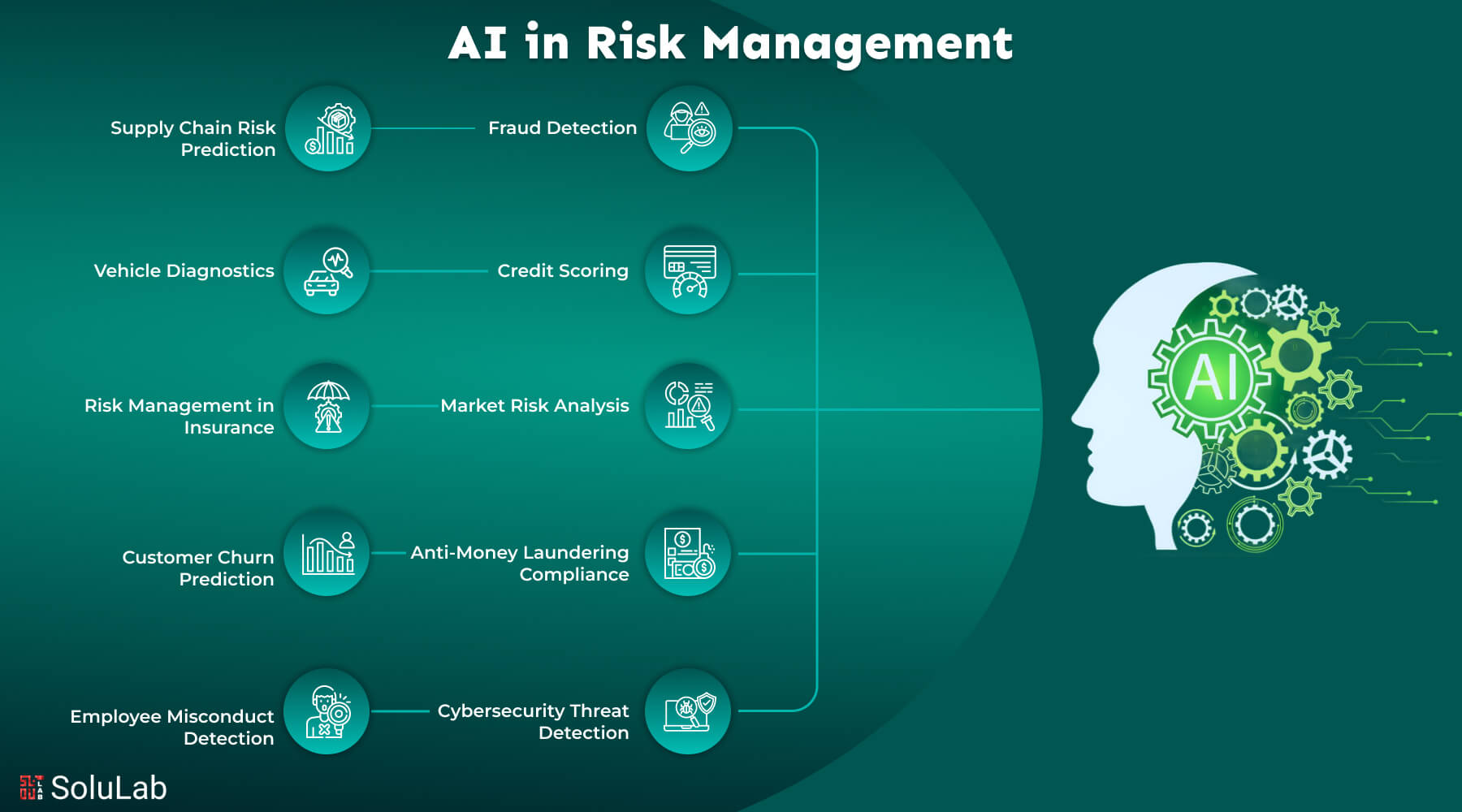
AI and Predictive Risk Intelligence
Artificial intelligence increasingly powers risk systems.
- Demand forecasting
- Weather prediction systems
- Supply-chain disruption analysis
- Business trend detection
AI strengthens proactive protection capabilities.
Challenges and Risks
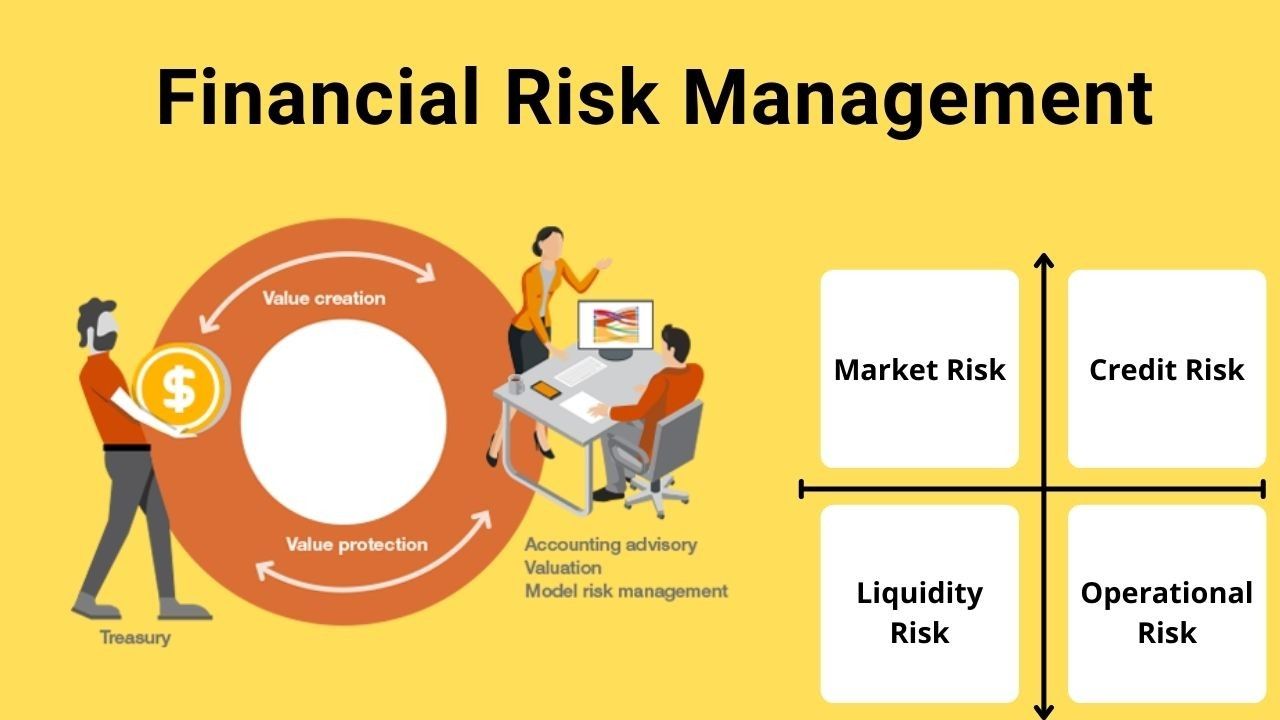
Micro-hedging systems also introduce important challenges.
- Incorrect trigger calibration
- Data quality issues
- Algorithmic bias
- Coverage gaps
- Technology dependence
Careful design and monitoring remain essential.
Regulatory Considerations
Financial regulators increasingly evaluate automated protection systems.
- Consumer protection requirements
- Smart contract oversight
- Data governance standards
- Risk disclosure obligations
Regulatory frameworks continue evolving.
Future of Small Business Risk Management
The future may involve highly personalized and automated financial protection ecosystems.
- AI-native risk platforms
- Continuous business monitoring
- Autonomous protection systems
- Integrated financial resilience networks
Risk management increasingly becomes embedded infrastructure.
Economic and Strategic Implications
The rise of parametric micro-hedging could reshape financial resilience for smaller enterprises.
- Expansion of small-business financial tools
- Reduced operational vulnerability
- Improved economic resilience
- Democratization of risk-management capabilities
This evolution may fundamentally change how small businesses protect themselves from uncertainty.
Frequently Asked Questions
What is parametric micro-hedging?
A targeted risk-protection system where predefined events automatically trigger financial payouts.
Why is it useful for small businesses?
Because it offers affordable and automated protection against specific risks.
What triggers payouts?
Specific measurable events such as weather conditions, supply-chain disruptions, or price changes.
Conclusion
Parametric Micro-Hedging for Small Businesses represents a major evolution in financial protection where AI, predictive analytics, and programmable contracts make sophisticated risk management more accessible. By transforming risk coverage into automated and event-driven systems, small enterprises may gain stronger resilience against increasingly unpredictable business environments. While operational and regulatory challenges remain, these systems could become foundational infrastructure for the future of small-business finance.