
The "Always-On" 24/7 Market Structure
The global financial system is undergoing a profound transformation as markets move away from fixed trading hours toward continuous, always-on operations. Traditionally, stock exchanges, commodity markets, and financial institutions operated within limited time windows tied to regional business hours. However, advances in digital infrastructure, algorithmic trading, blockchain technology, and global connectivity are reshaping this model.
In 2026, the rise of cryptocurrencies, tokenized assets, AI-driven trading systems, and decentralized finance (DeFi) has accelerated the transition toward a 24/7 market structure. Investors, institutions, and consumers increasingly expect financial systems to function continuously—without closing bells, geographic restrictions, or operational downtime.
This evolution is redefining liquidity, market participation, risk management, and the very concept of global finance.
What Is the 24/7 Market Structure?
The always-on market structure refers to financial ecosystems that operate continuously without traditional opening or closing hours.
- Continuous trading environments
- Global market accessibility
- Real-time liquidity flows
- Borderless financial participation
It transforms markets into uninterrupted digital systems.

Why Markets Are Becoming Always-On
- Rise of cryptocurrency trading
- Global interconnected economies
- Demand for instant financial access
- Growth of decentralized finance platforms
- Advancements in automated trading technologies
Technology and globalization are driving continuous finance.
The Role of Cryptocurrencies
Cryptocurrencies pioneered continuous market operations.
- 24/7 digital asset trading
- No centralized market closure
- Global liquidity participation
- Blockchain-enabled settlement systems
Crypto markets normalized nonstop financial activity.
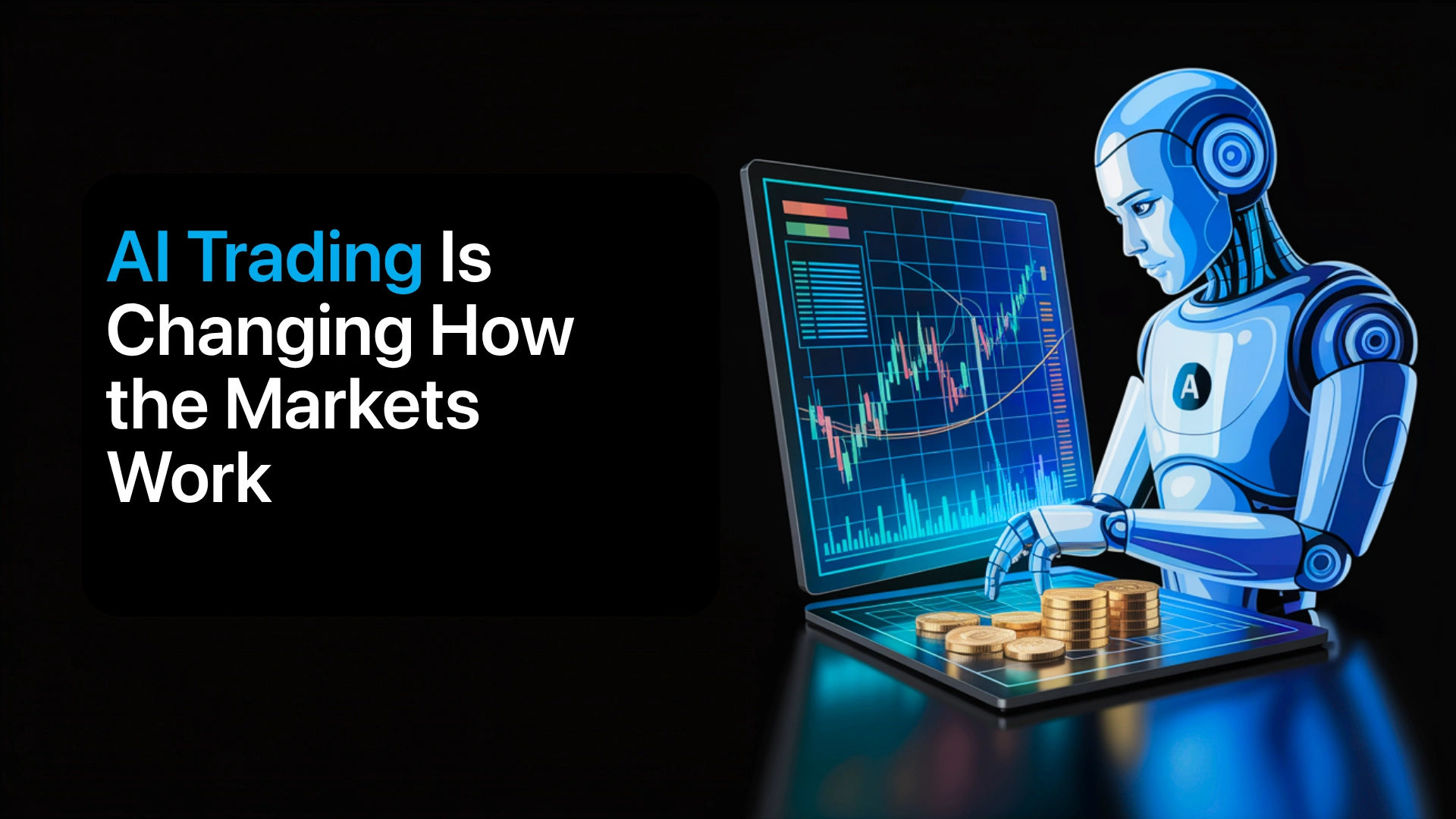
How AI and Automation Enable 24/7 Markets
Always-on markets depend heavily on intelligent automation.
- Algorithmic trading systems
- AI-powered risk management
- Automated market-making
- Real-time liquidity optimization
AI ensures continuous operational efficiency.
Tokenization and Continuous Trading
Tokenization is expanding the reach of always-on finance.
- Tokenized stocks and assets
- Fractional ownership systems
- Real-time settlement infrastructure
- Blockchain-based trading ecosystems
This increases accessibility and liquidity.
Benefits of 24/7 Markets
- Continuous liquidity access
- Global participation opportunities
- Faster market response times
- Improved financial inclusion
These advantages are accelerating adoption.
Challenges of Continuous Markets
Always-on finance introduces new operational complexities.
- Market fatigue and burnout
- Cybersecurity vulnerabilities
- Increased volatility risks
- Continuous compliance monitoring
- Infrastructure reliability demands
These challenges require advanced governance systems.
The always-on market structure is transforming finance from a time-bound institution into a continuously operating digital organism.
Traditional Markets vs Always-On Markets
- Traditional → Fixed trading hours
- Always-on → Continuous global trading
- Traditional → Regional market dependence
- Always-on → Borderless digital participation
This shift fundamentally changes financial operations.
Institutional Implications
Financial institutions are adapting to nonstop market environments.
- 24/7 risk management operations
- Continuous liquidity provisioning
- AI-driven compliance systems
- Real-time portfolio rebalancing
Institutional infrastructure is evolving rapidly.
Impact on Retail Investors
Retail investors are gaining new opportunities and challenges.
- Access to global markets anytime
- Higher trading flexibility
- Exposure to nonstop volatility
- Dependence on automated investment tools
The investor experience is changing dramatically.
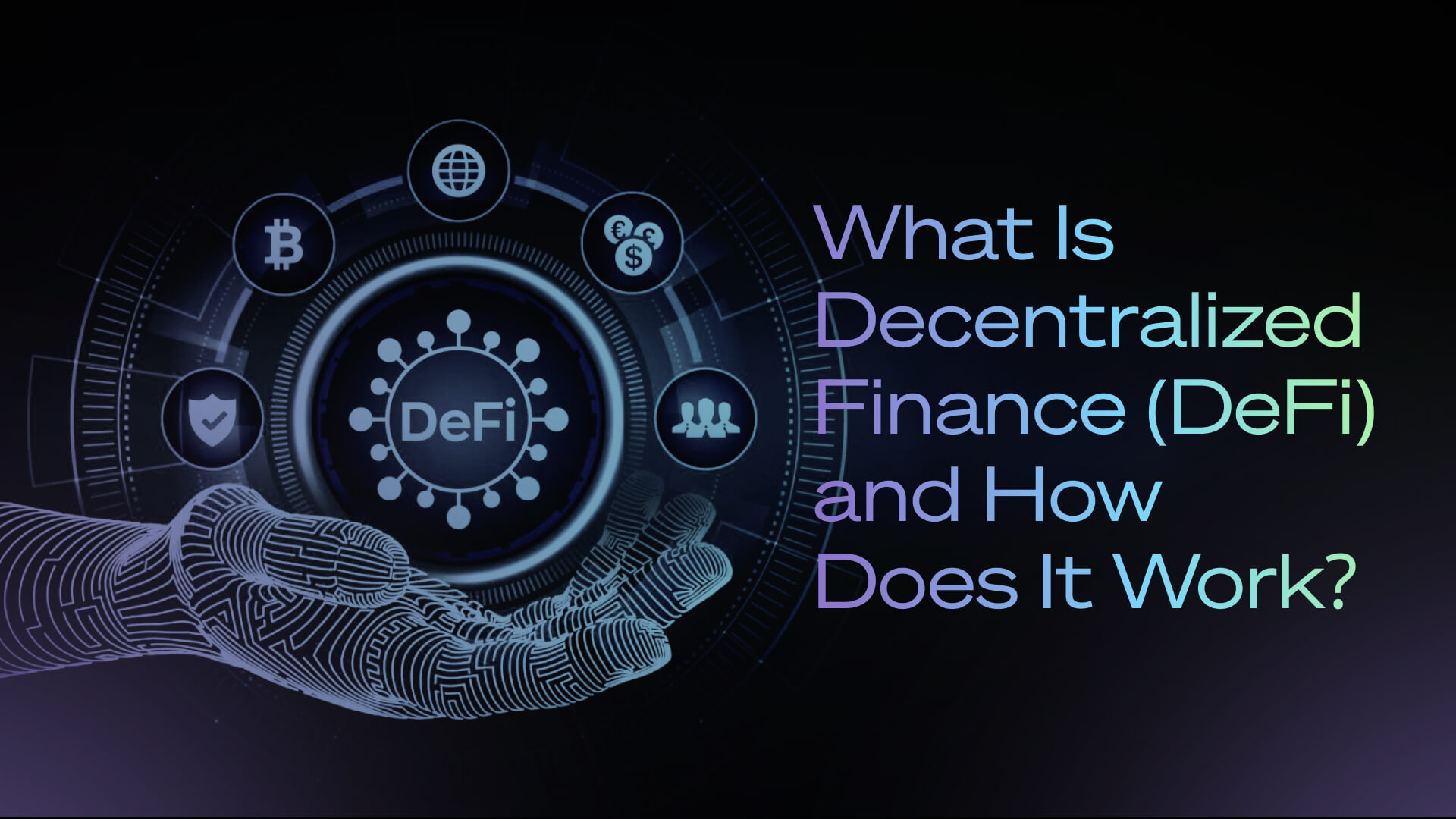
The Role of Decentralized Finance (DeFi)
DeFi platforms are major drivers of continuous markets.
- Permissionless financial systems
- Automated liquidity protocols
- Smart contract-based transactions
- Decentralized trading infrastructure
DeFi expands the concept of nonstop finance.
Cybersecurity in 24/7 Financial Systems
Continuous operation increases security requirements.
- Real-time threat detection
- AI-powered fraud monitoring
- Always-active defense systems
- Continuous authentication frameworks
Security becomes a permanent operational layer.
Future of Always-On Finance
The future of markets is increasingly continuous and intelligent.
- AI-managed financial ecosystems
- Global tokenized asset markets
- Autonomous trading agents
- Integrated real-time settlement systems
The financial system is becoming permanently connected.
Societal and Economic Implications
The always-on economy could reshape global behavior.
- Acceleration of economic activity
- Changes in work-life balance
- Continuous information flow
- New forms of financial dependency
This transformation extends beyond markets into society itself.
Frequently Asked Questions
What is the always-on market structure?
A financial system that operates continuously without fixed trading hours.
Why are markets moving toward 24/7 operations?
Because of digital assets, global connectivity, AI, and decentralized finance.
What are the benefits of always-on markets?
Continuous liquidity, global access, and real-time financial participation.
Conclusion
The always-on 24/7 market structure represents a major transformation in the architecture of global finance. Driven by AI, blockchain, tokenization, and decentralized systems, markets are evolving into continuously operating digital ecosystems capable of serving a permanently connected world. While this transition creates extraordinary opportunities for liquidity, efficiency, and accessibility, it also introduces new risks related to volatility, cybersecurity, and human behavior. As financial infrastructure continues to evolve, the always-on economy may become one of the defining characteristics of the digital age.