Sideways Market Trends: Why Stocks Move in a Range-Bound Phase
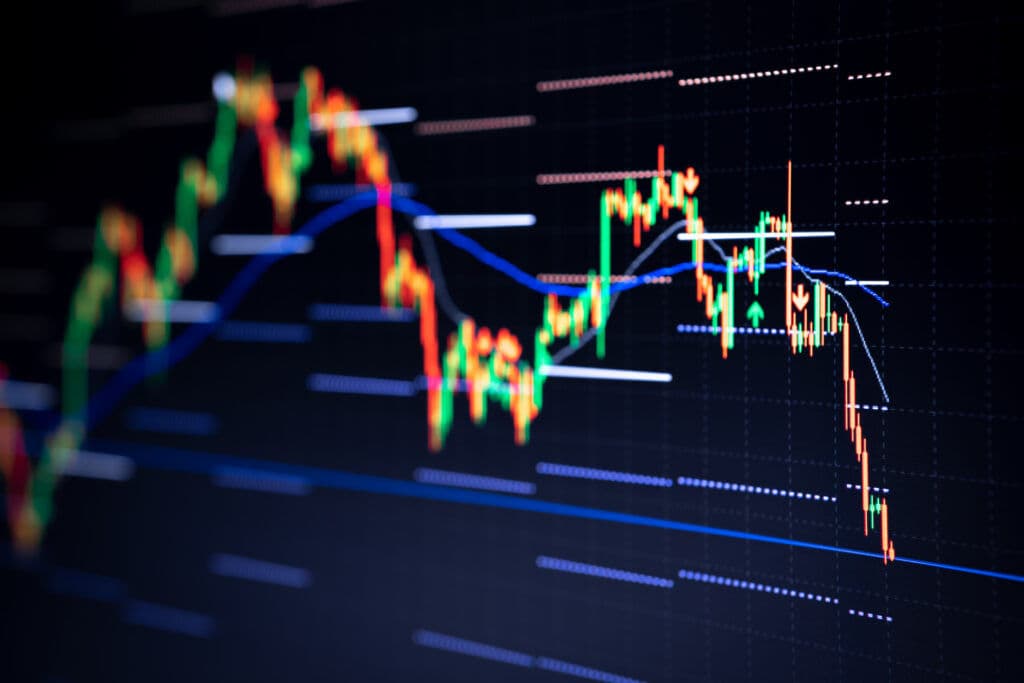
A sideways market, also known as a range-bound market, is a phase where stock prices move within a defined range without showing a clear upward (bullish) or downward (bearish) trend. During this period, prices fluctuate between support and resistance levels, creating a horizontal pattern on charts.
Such market conditions often confuse investors, as there is no strong directional movement. However, sideways markets are a natural and important part of market cycles. They often indicate consolidation, where the market pauses before making its next major move.
Understanding Sideways Market Trends
In a sideways market, stock prices neither rise significantly nor fall sharply. Instead, they oscillate within a fixed price range. This phase can last for weeks, months, or even years depending on economic conditions and investor sentiment.
Unlike trending markets, where momentum drives price movement, sideways markets reflect indecision among investors. Buyers and sellers are balanced, leading to minimal net price movement.
- No clear upward or downward trend
- Price moves between support and resistance
- Low to moderate volatility
- Market consolidation phase
- Indecision among investors
This phase is often seen before major breakouts or breakdowns in the market.
Key Reasons Behind Range-Bound Markets
Several factors contribute to sideways market behavior. These factors create uncertainty and prevent strong directional movement.
- Economic uncertainty or mixed signals
- Stable but slow corporate earnings
- Global geopolitical tensions
- Central bank policy pauses
- Low investor participation
- Profit booking after a strong trend

For example, after a strong bull run, markets often enter a sideways phase as investors reassess valuations and future expectations.
Technical Indicators of a Sideways Market
Technical analysis plays a crucial role in identifying sideways trends. Traders rely on indicators to confirm whether the market is range-bound.
- Horizontal support and resistance levels
- Moving averages flattening
- Low trading volume
- RSI oscillating between 40–60
- Bollinger Bands narrowing
These indicators suggest that the market lacks strong momentum in either direction.
Impact on Investors and Traders
Sideways markets affect different types of investors in various ways. Long-term investors may find limited growth, while short-term traders can take advantage of price fluctuations.
- Limited returns for long-term investors
- Opportunities for short-term trading
- Increased importance of stock selection
- Reduced momentum-based investing
Investors often shift their strategies during this phase, focusing on value investing or dividend-paying stocks.
Trading Strategies in a Sideways Market
Range-bound markets require different strategies compared to trending markets. Traders focus on buying at support and selling at resistance.
- Range trading strategy
- Support and resistance trading
- Options strategies like straddles
- Swing trading
- Focus on short-term gains
Risk management becomes crucial during this phase, as false breakouts are common.
Advantages of Sideways Markets
While sideways markets may seem unproductive, they offer several advantages for informed investors.
- Opportunity to accumulate quality stocks
- Reduced volatility compared to trending markets
- Better entry points for long-term investors
- Learning phase for beginners
This phase allows investors to prepare for the next major market movement.
Disadvantages and Risks
Despite the opportunities, sideways markets also present certain challenges.
- Lack of clear direction
- Low returns over time
- False breakouts and traps
- Investor frustration
Understanding these risks helps investors avoid unnecessary losses.

How to Identify Breakouts from Sideways Markets
A sideways market eventually leads to a breakout or breakdown. Identifying this transition is crucial for maximizing returns.
- Increase in trading volume
- Strong price movement beyond resistance/support
- Positive or negative news triggers
- Trend confirmation using indicators
Traders often wait for confirmation before entering positions to avoid false signals.
Sideways markets are not stagnant—they are periods of preparation before the next major trend.
Long-Term Perspective on Sideways Markets
For long-term investors, sideways markets should not be seen as a negative phase. Instead, they offer opportunities to accumulate stocks at stable prices.
- Focus on fundamentals
- Invest systematically (SIP)
- Avoid emotional decisions
- Stay invested for long-term growth
History shows that markets eventually break out of consolidation phases and resume their long-term upward trend.
Psychology Behind Sideways Markets
Investor psychology plays a major role in sideways markets. Fear, uncertainty, and lack of conviction lead to indecisive trading behavior.
- Fear of missing out (FOMO)
- Uncertainty about future trends
- Hesitation to invest
- Profit booking behavior
Understanding market psychology helps investors make rational decisions.
Frequently Asked Questions
What is a sideways market?
A sideways market is when stock prices move within a fixed range without a clear upward or downward trend.
Is a sideways market good or bad?
It depends on strategy. It may limit long-term gains but offers opportunities for short-term trading.
How long do sideways markets last?
They can last from weeks to years depending on economic conditions and market sentiment.
Conclusion
Sideways markets are an integral part of the financial ecosystem. While they may appear stagnant, they play a crucial role in market consolidation and future trend formation. By understanding their characteristics, causes, and strategies, investors can navigate these phases effectively and position themselves for future opportunities.