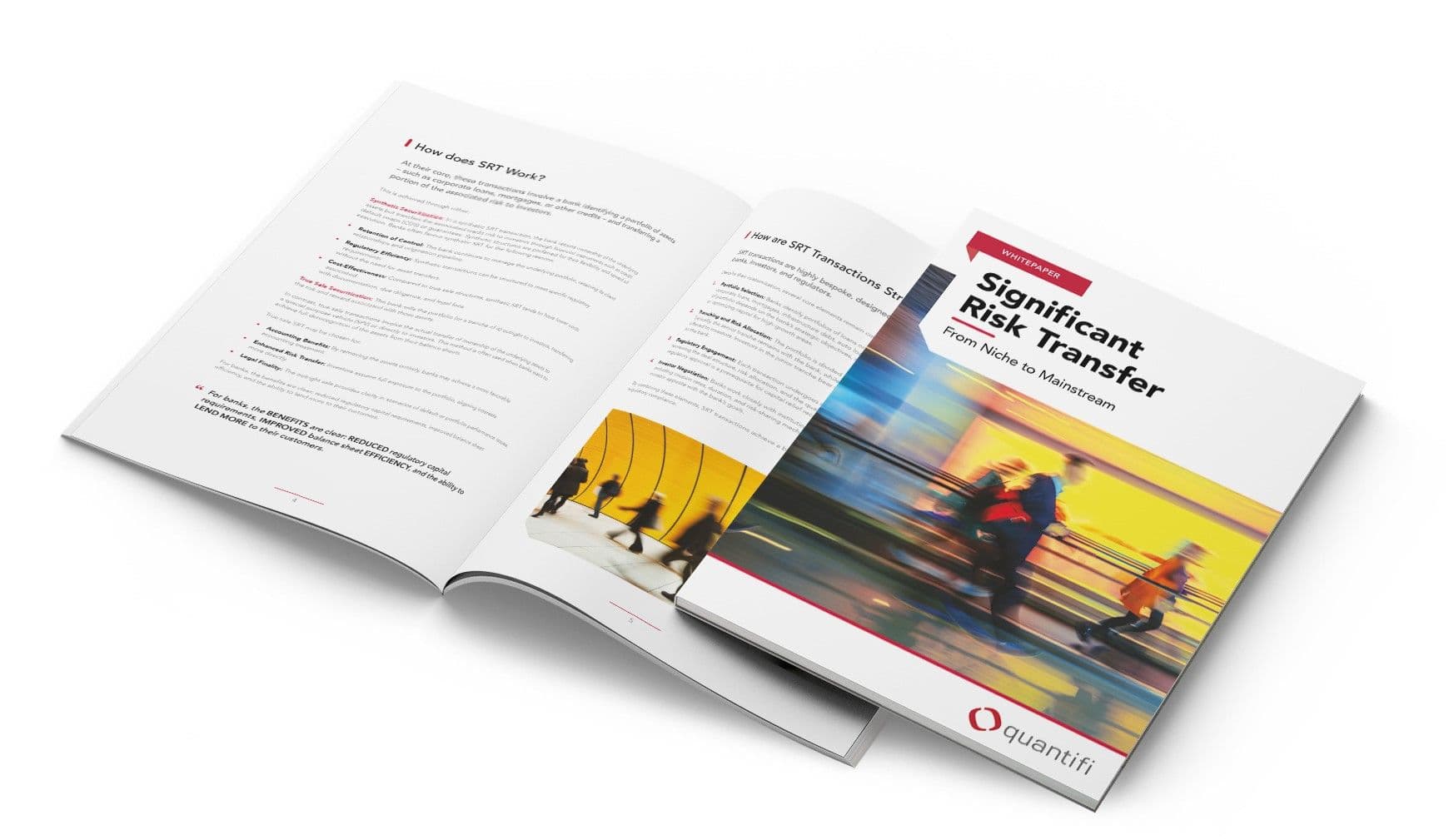
Significant Risk Transfers (SRTs) & The Shadow Capital Boom
The global financial system is undergoing a major structural transformation as banks increasingly shift risk away from their balance sheets and toward private investors, insurers, pension funds, and alternative credit markets. At the center of this evolution is the rapid growth of Significant Risk Transfers (SRTs), a financial mechanism that is becoming one of the defining forces behind the rise of “shadow capital.”
In 2026, SRTs are expanding rapidly across Europe, North America, and global institutional finance. Originally developed as a regulatory capital optimization tool, SRT structures are now reshaping how banks manage credit exposure, deploy capital, and interact with private markets.
The combination of SRTs and the shadow capital boom is redefining the boundaries between traditional banking, private credit, insurance capital, and alternative finance.
What Are Significant Risk Transfers (SRTs)?
Significant Risk Transfers are financial transactions that allow banks to transfer portions of credit risk to external investors while keeping the underlying loans on their balance sheets.
- Credit risk redistribution mechanisms
- Regulatory capital optimization tools
- Structured finance transactions
- Balance sheet risk management strategies
They enable banks to reduce regulatory capital requirements.
What Is the Shadow Capital Boom?
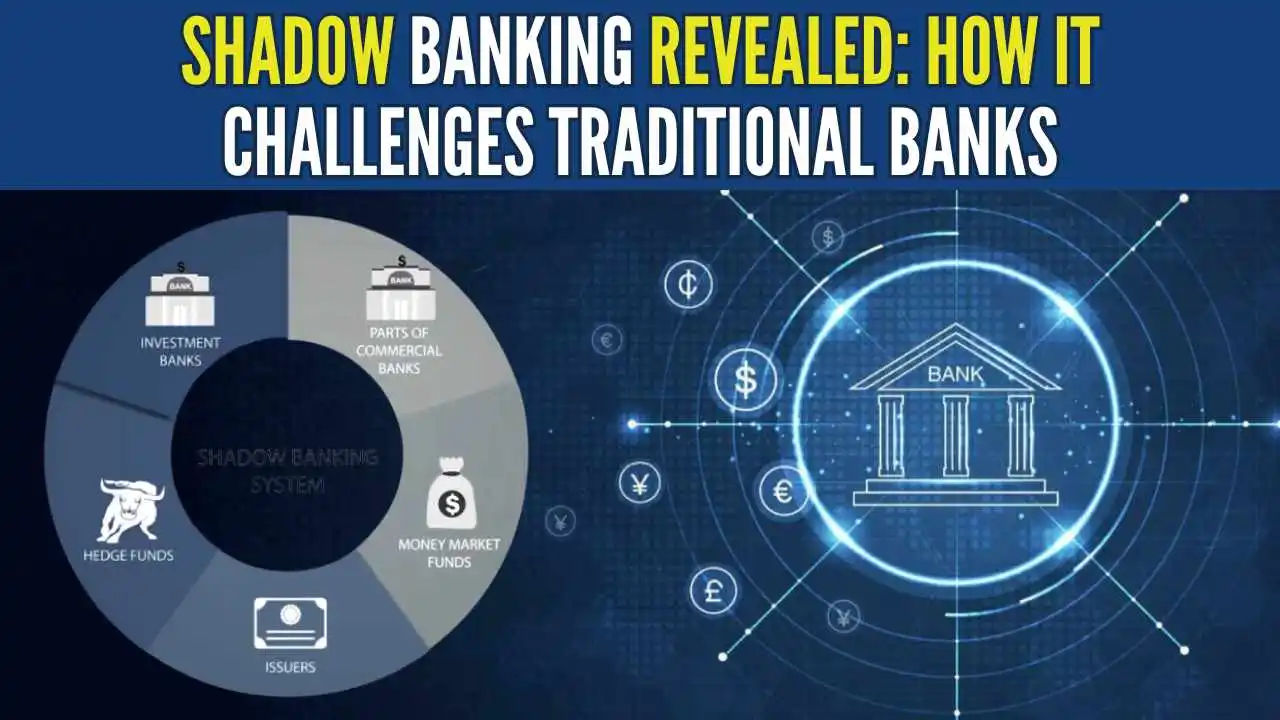
The shadow capital boom refers to the rapid expansion of non-bank institutional capital participating in financial markets outside traditional banking structures.
- Private credit funds
- Insurance-linked investment capital
- Pension and sovereign wealth participation
- Alternative asset management growth
Shadow capital is becoming a major source of global liquidity.
Why SRTs Are Growing Rapidly
Several macroeconomic and regulatory trends are accelerating SRT adoption.
- Stricter bank capital regulations
- Rising demand for credit exposure
- Pressure on bank profitability
- Expansion of private institutional capital
- Need for balance sheet flexibility
SRTs provide banks with capital efficiency and operational flexibility.
How Significant Risk Transfers Work
SRT structures transfer portions of loan portfolio risk to outside investors.
- Banks originate and retain loans
- Specific credit risks are securitized
- External investors absorb loss exposure
- Banks receive regulatory capital relief
This separates credit risk from loan ownership.
Key Participants in SRT Markets
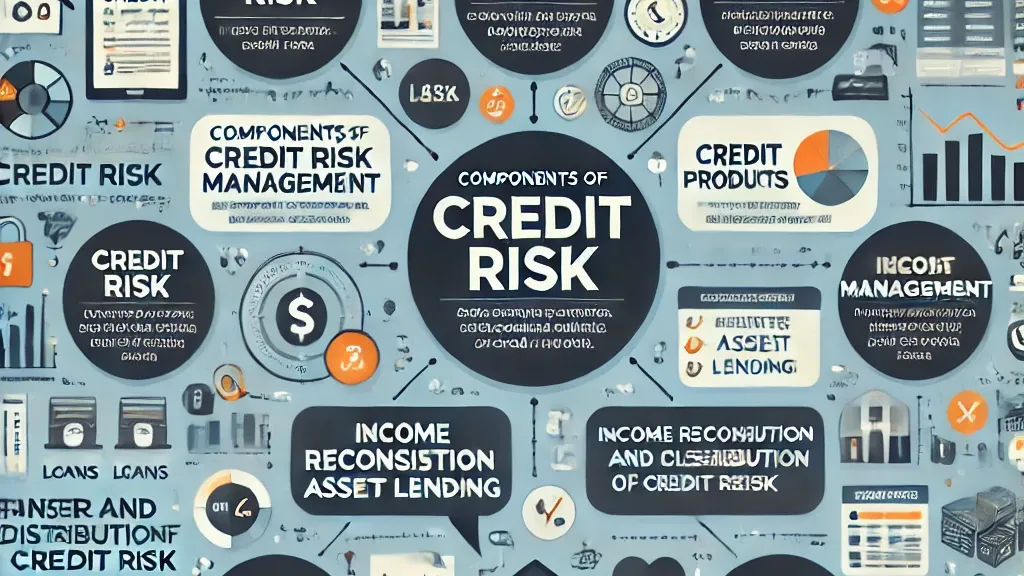
The SRT ecosystem involves multiple institutional players.
- Global banks
- Private credit funds
- Insurance companies
- Pension funds
- Alternative asset managers
Institutional participation is expanding rapidly.
The Role of Private Credit
Private credit markets are increasingly connected to SRT structures.
- Institutional appetite for yield
- Expansion of alternative lending ecosystems
- Growth of structured credit products
- Capital migration beyond traditional banks
This is accelerating the rise of shadow capital systems.
Benefits for Banks
- Reduced regulatory capital burdens
- Improved balance sheet efficiency
- Enhanced lending capacity
- Greater risk diversification
- Increased operational flexibility
These advantages are driving broader institutional adoption.
Benefits for Investors
Institutional investors are increasingly attracted to SRT exposure.
- Higher yield opportunities
- Diversified credit exposure
- Access to institutional-grade assets
- Alternative income generation
SRTs create new investment opportunities in private markets.
Significant Risk Transfers are reshaping modern finance by moving credit exposure from regulated banks into a rapidly expanding ecosystem of shadow capital.
Traditional Banking vs Shadow Capital Systems
- Traditional → Bank-centered lending and risk retention
- Shadow capital → Distributed institutional credit exposure
- Traditional → Heavily regulated balance sheets
- Shadow capital → Flexible private market participation
This transition is fundamentally changing financial intermediation.
Technology and Financial Engineering
Advanced technology is supporting modern structured finance markets.
- AI-driven risk analytics
- Automated portfolio modeling
- Cloud-based financial infrastructure
- Real-time exposure monitoring
Technology is improving efficiency and transparency.
Regulatory Considerations
Regulators are closely monitoring the growth of SRT ecosystems.
- Capital adequacy oversight
- Structured finance transparency rules
- Systemic risk monitoring
- Shadow banking supervision frameworks
Regulatory scrutiny is increasing globally.
Risks and Challenges
Despite their advantages, SRTs introduce important systemic concerns.
- Complex structured finance risks
- Reduced market transparency
- Potential contagion effects
- Liquidity vulnerabilities
- Shadow banking instability concerns
Risk governance remains critical.
Lessons from Past Financial Crises
The growth of structured finance inevitably recalls historical concerns.
- Pre-2008 securitization risks
- Opacity in complex financial products
- Interconnected systemic exposures
- Overreliance on financial engineering
Modern SRT markets aim to improve transparency and oversight.
The Future of SRT Markets
The SRT ecosystem is expected to continue expanding.
- Growth of institutional structured credit markets
- Tokenized credit risk transfers
- AI-driven portfolio optimization
- Globalization of shadow capital ecosystems
SRTs may become a foundational pillar of modern banking strategy.
Economic and Strategic Implications
The rise of shadow capital could reshape global financial systems.
- Expansion of non-bank financial influence
- Transformation of bank business models
- Growth of private market liquidity
- Increasing interconnectedness between finance sectors
This evolution extends far beyond traditional banking infrastructure.
Frequently Asked Questions
What are Significant Risk Transfers (SRTs)?
Financial structures that allow banks to transfer portions of credit risk to external investors.
What is shadow capital?
Non-bank institutional capital participating in financial markets outside traditional banking systems.
Why are SRT markets growing?
Because banks seek capital efficiency while investors seek higher-yield credit exposure.
Conclusion
Significant Risk Transfers and the shadow capital boom represent a major transformation in modern finance, reshaping how credit risk, institutional capital, and banking systems interact. By enabling banks to transfer risk to private investors and alternative financial ecosystems, SRTs are expanding lending capacity while accelerating the rise of shadow banking infrastructure. Although these systems create opportunities for efficiency and yield generation, they also introduce new regulatory, transparency, and systemic risk challenges that may define the future stability of global financial markets.