
T+0 Settlement Shockwaves & Intra-Day Liquidity Squeezes
Global financial markets are moving toward faster and increasingly automated
settlement systems. Historically, securities transactions required multiple days between trade execution and final settlement. Markets evolved from T+5 to T+3, then to T+2, and more recently toward T+1 settlement cycles. In 2026 and beyond, many financial institutions and market infrastructures are actively exploring the next frontier: T+0 settlement, where transactions settle on the same day they are executed.
While immediate settlement promises efficiency and lower counterparty risk, it also introduces significant changes to market liquidity dynamics. One of the most important emerging concerns is the potential for “intra-day liquidity squeezes,” where financial institutions may struggle to secure sufficient cash, collateral, or assets within extremely compressed time windows.
This shift could create shockwaves across trading systems, treasury operations, and broader financial market stability.
What Is T+0 Settlement?
T+0 settlement refers to financial transactions settling on the same day the trade occurs.
- T = trade execution date
- +0 = immediate or same-day settlement
- Near real-time transaction completion
- Reduced settlement delays
Ownership and cash transfer occur almost immediately after execution.
Why Financial Markets Want Faster Settlement
Traditional settlement cycles introduce operational and financial risks.
- Counterparty exposure risks
- Settlement failures
- Collateral inefficiencies
- Operational delays
- Capital lock-up effects
Faster settlement aims to improve efficiency and reduce systemic risk.
Benefits of T+0 Systems
- Reduced counterparty risk
- Lower collateral requirements
- Improved operational efficiency
- Faster capital availability
- Enhanced market transparency
These benefits make real-time settlement highly attractive.
What Is an Intra-Day Liquidity Squeeze?
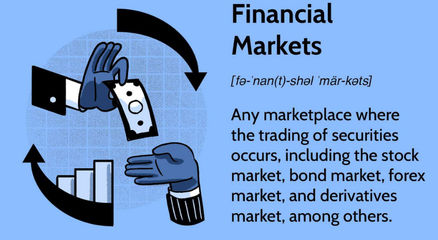
An intra-day liquidity squeeze occurs when institutions suddenly need immediate access to cash or assets during trading hours.
- Rapid funding demand spikes
- Collateral shortages
- Settlement timing mismatches
- Cash flow disruptions
Liquidity pressures may intensify as settlement speeds increase.
Why T+0 Can Create Shockwaves
Immediate settlement compresses operational timelines dramatically.
- Reduced time for funding arrangements
- Greater pressure on treasury systems
- Increased demand for real-time collateral
- Less flexibility in risk management
Speed may transfer risk rather than eliminate it.
Impact on Banks and Financial Institutions
Financial institutions may face significant operational changes.
- Continuous liquidity monitoring
- Real-time treasury management systems
- Higher intraday funding requirements
- Dynamic collateral allocation
Banking infrastructure may require substantial redesign.
Role of Central Banks
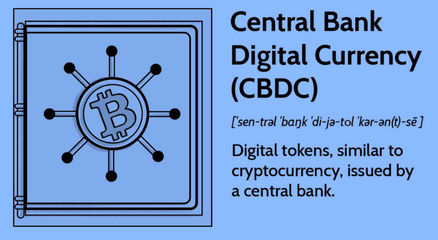
Central banks may become increasingly important in supporting liquidity systems.
- Intraday liquidity facilities
- Emergency funding mechanisms
- Payment infrastructure oversight
- Systemic stability support
Liquidity provision becomes increasingly strategic.
T+0 settlement reduces settlement delays but may shift systemic risk toward liquidity timing and operational resilience.
Traditional Settlement vs T+0 Settlement
- Traditional → Delayed settlement windows
- T+0 → Immediate settlement execution
- Traditional → Greater operational flexibility
- T+0 → Higher real-time liquidity requirements
This transition changes how financial institutions manage capital flows.
Technology Supporting T+0 Infrastructure
Several technologies are enabling real-time settlement systems.
- Distributed ledger technology
- Real-time payment systems
- AI-powered liquidity monitoring
- Smart contract settlement mechanisms
Technology becomes critical for operational resilience.
AI and Liquidity Prediction Systems
Artificial intelligence increasingly assists treasury and liquidity management.
- Predictive liquidity forecasting
- Dynamic collateral optimization
- Stress scenario simulations
- Automated treasury decision systems
AI improves responsiveness to rapid market changes.
Potential Market Risks
T+0 systems introduce several new forms of market risk.
- Funding bottlenecks
- Intraday volatility spikes
- Liquidity fragmentation
- Operational system failures
- Flash market disruptions
Real-time systems may amplify stress during market turbulence.
Cross-Border Challenges
Global financial systems face additional complexity.
- Time-zone differences
- Currency settlement mismatches
- Jurisdictional regulations
- Cross-market coordination challenges
Global interoperability remains difficult.
Future of Real-Time Market Infrastructure
The future financial ecosystem may increasingly operate continuously.
- 24/7 market structures
- AI-managed liquidity systems
- Programmable settlement networks
- Autonomous financial infrastructure
Markets may evolve toward continuous real-time operation.
Economic and Strategic Implications
T+0 settlement could reshape the structure of financial markets.
- Transformation of treasury operations
- Changes in liquidity economics
- Expansion of real-time financial infrastructure
- New approaches to systemic risk management
This transition could redefine the speed and architecture of global capital markets.
Frequently Asked Questions
What is T+0 settlement?
A settlement model where financial transactions settle on the same day the trade occurs.
What is an intra-day liquidity squeeze?
A situation where institutions face sudden demand for cash or collateral during trading hours.
Why could T+0 create risks?
Because faster settlement compresses funding and collateral timelines, potentially increasing liquidity stress.
Conclusion
T+0 settlement represents a major evolution in financial market infrastructure by promising faster transactions, lower counterparty exposure, and more efficient capital usage. However, accelerating settlement speed also changes the timing and structure of risk across financial systems. As markets move toward real-time operations, intra-day liquidity management, AI-powered forecasting, and resilient digital infrastructure may become critical foundations of future market stability.