The "Chief Orchestration Officer" (The New COO)
The modern enterprise is undergoing a fundamental operational transformation driven by artificial intelligence, autonomous systems, cloud-native infrastructure, distributed workforces, API economies, and multi-agent digital ecosystems. Traditional management models designed for linear organizational structures are increasingly struggling to coordinate the speed, complexity, and interconnectedness of modern business operations.
In 2026, a new executive leadership paradigm is emerging: the “Chief Orchestration Officer” (COO 2.0). Unlike the traditional Chief Operating Officer focused primarily on internal operational execution, the Chief Orchestration Officer is responsible for synchronizing human teams, AI agents, automation systems, data flows, partner ecosystems, cloud infrastructure, and digital operations into a continuously adaptive enterprise network.
This role reflects the growing shift from hierarchical operational management toward intelligent orchestration systems.
What Is a Chief Orchestration Officer?
The Chief Orchestration Officer is an executive leader responsible for coordinating and optimizing interconnected enterprise systems across humans, AI, automation, and digital infrastructure.
- Enterprise systems orchestration
- Human-AI operational coordination
- Cross-functional digital synchronization
- Adaptive organizational intelligence
The role focuses on dynamic operational integration rather than static management.
Why the Traditional COO Role Is Evolving
Modern organizations operate within increasingly complex digital ecosystems.
- AI-driven workflows
- Distributed operational environments
- Cloud-native enterprise systems
- Multi-platform business ecosystems
- Continuous real-time decision-making
Operational leadership now requires orchestration across highly interconnected systems.
The Shift from Management to Orchestration
Traditional management models emphasize control and supervision, while orchestration focuses on coordination and adaptability.
- Static processes → Dynamic ecosystems
- Hierarchical control → Network coordination
- Manual oversight → Intelligent automation
- Department silos → Integrated systems
The enterprise becomes a continuously adaptive operational network.
Core Responsibilities of the Chief Orchestration Officer
The role spans multiple operational and technological domains.
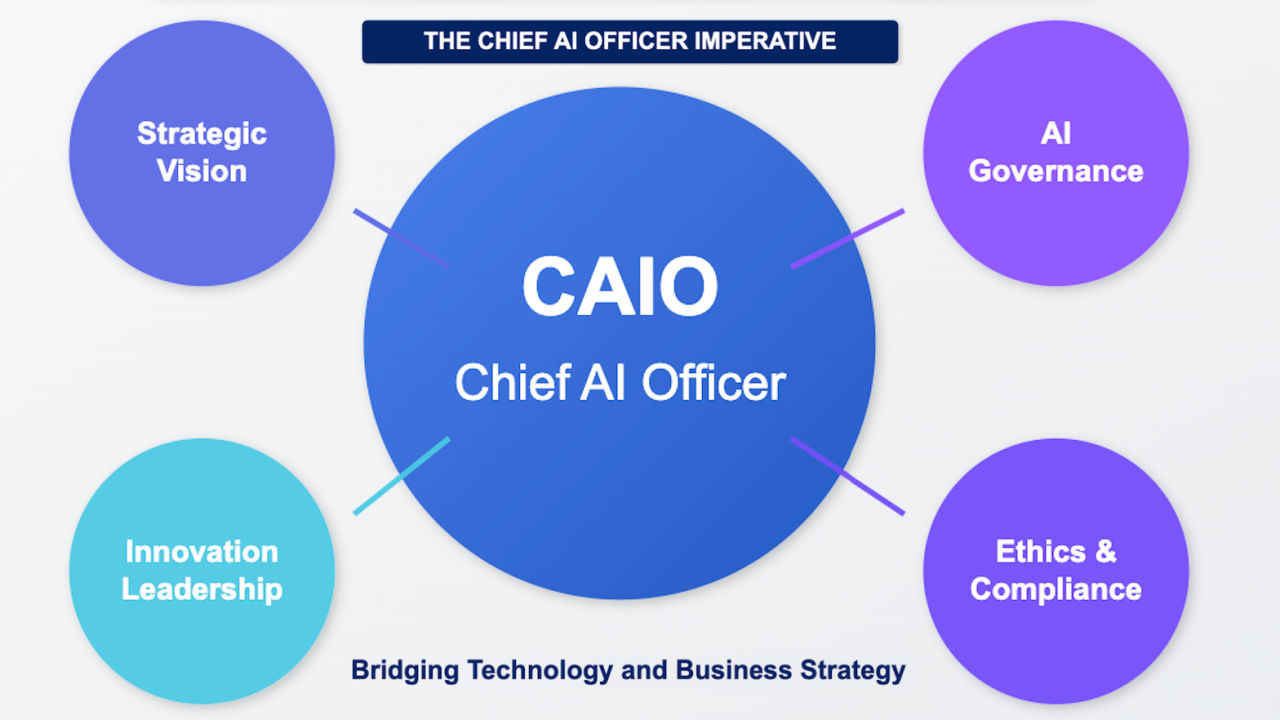
- AI and automation governance
- Cross-functional operational integration
- Enterprise workflow optimization
- Digital infrastructure coordination
- Real-time organizational intelligence management
The role combines operational strategy with technological systems leadership.
The Role of AI in Enterprise Orchestration
Artificial intelligence is central to orchestration-based enterprises.
- AI copilots for operational management
- Predictive enterprise analytics
- Autonomous workflow optimization
- Real-time operational intelligence
AI transforms enterprises into adaptive operational ecosystems.
Human-AI Collaboration Models
The Chief Orchestration Officer manages collaboration between humans and intelligent systems.
- AI-assisted decision-making
- Human oversight frameworks
- Adaptive workforce coordination
- Digital productivity ecosystems
Human-AI integration becomes a core leadership competency.
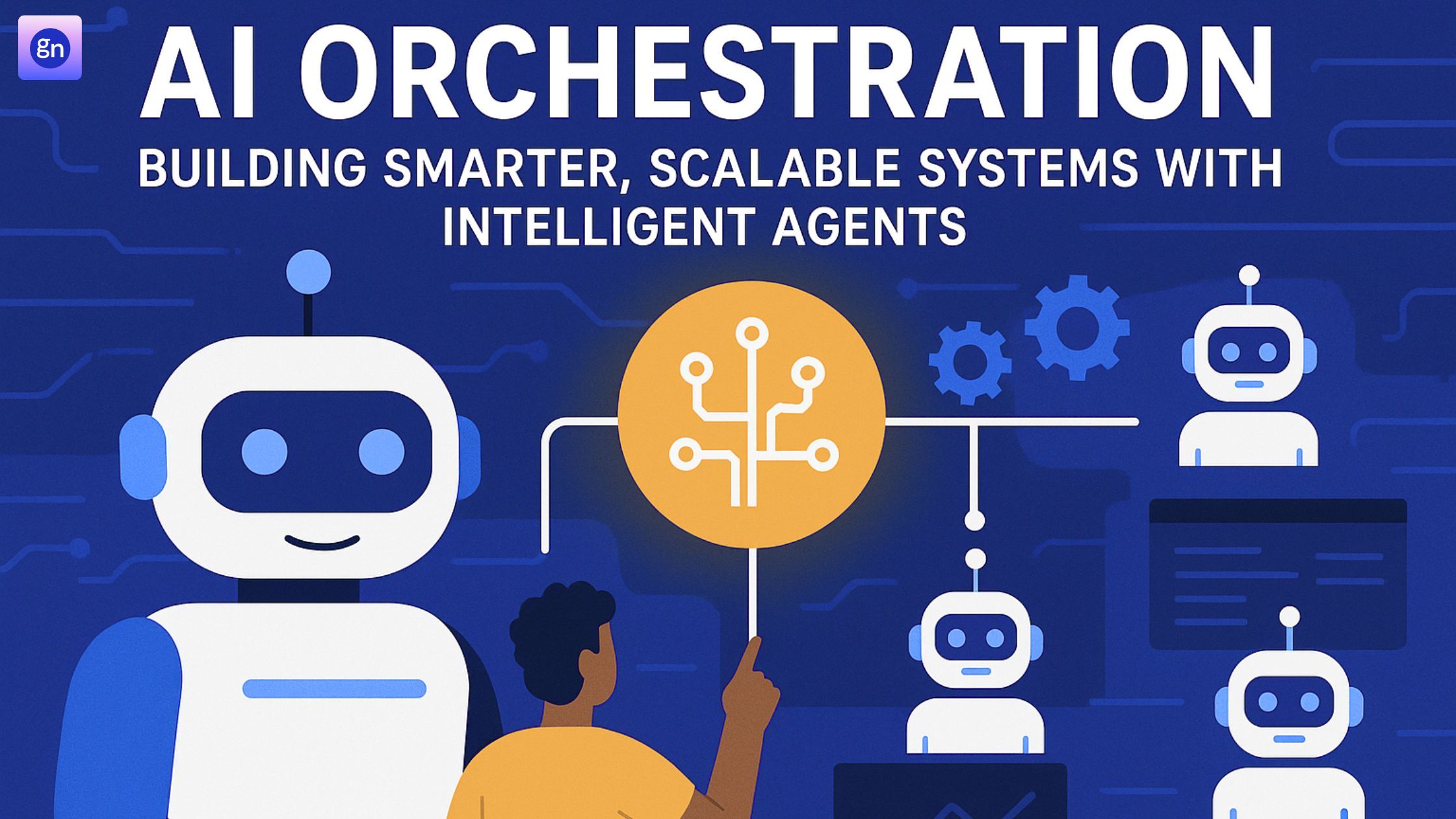
Multi-Agent Enterprise Systems
Organizations increasingly deploy specialized AI agents across departments.
- Finance AI agents
- Supply chain automation agents
- Customer operations agents
- Compliance and cybersecurity agents
The orchestration leader coordinates these autonomous operational systems.
Benefits of Enterprise Orchestration
- Greater operational agility
- Improved cross-functional coordination
- Enhanced organizational adaptability
- Faster decision-making capabilities
- Continuous optimization of workflows
These benefits are driving organizational restructuring globally.
The Chief Orchestration Officer represents the evolution of enterprise leadership from operational supervision toward intelligent coordination of complex human and digital ecosystems.
Traditional COO vs Chief Orchestration Officer
- Traditional COO → Internal operational management
- Chief Orchestration Officer → Enterprise-wide ecosystem synchronization
- Traditional COO → Human-centered workflows
- Chief Orchestration Officer → Human-AI collaborative systems
This transformation changes the nature of executive operations leadership.
Data and Real-Time Enterprise Intelligence
Operational orchestration depends heavily on real-time data systems.
- Live enterprise analytics dashboards
- Predictive operational modeling
- Behavioral workflow analytics
- AI-powered strategic forecasting
Data becomes the operational nervous system of the enterprise.
Cloud Infrastructure and API Economies
Modern orchestration requires highly interconnected digital infrastructure.
- Cloud-native enterprise platforms
- API-driven operational ecosystems
- Interoperable business systems
- Distributed workflow environments
Infrastructure flexibility becomes strategically important.
Cybersecurity and Governance
The orchestration model introduces new governance challenges.
- AI governance frameworks
- Operational cybersecurity coordination
- Identity and access management
- Enterprise resilience systems
Security becomes integrated into orchestration itself.
Challenges and Risks
Despite its advantages, orchestration-based leadership introduces complexity.
- Overdependence on automation
- AI coordination failures
- Operational transparency concerns
- Workforce adaptation challenges
- System interoperability issues
Human oversight and governance remain essential.
The Future Workforce Under Orchestration Leadership
Workforce structures are evolving alongside orchestration systems.
- Hybrid human-AI operational teams
- Adaptive digital collaboration models
- Continuous learning ecosystems
- Skill-based operational fluidity
Future organizations may become increasingly network-oriented.
Future of Enterprise Leadership
The Chief Orchestration Officer may become a foundational executive role.
- AI-native enterprise operations
- Autonomous organizational coordination
- Integrated digital governance systems
- Continuous enterprise optimization ecosystems
Leadership itself may become increasingly orchestration-centered.
Economic and Strategic Implications
Enterprise orchestration could reshape global business competitiveness.
- Higher operational efficiency
- Faster organizational adaptation
- Expansion of AI-driven productivity
- Transformation of enterprise structures
This evolution may redefine how organizations function in the digital economy.
Frequently Asked Questions
What is a Chief Orchestration Officer?
An executive leader responsible for coordinating enterprise systems across humans, AI, automation, and digital infrastructure.
How is this different from a traditional COO?
The role focuses on dynamic enterprise-wide orchestration rather than traditional operational supervision.
Why is enterprise orchestration important?
Because modern organizations operate within highly interconnected AI-driven digital ecosystems requiring continuous coordination.
Conclusion
The Chief Orchestration Officer represents a major evolution in enterprise leadership, reflecting the growing complexity of AI-native organizations, distributed operations, and interconnected digital ecosystems. As businesses increasingly rely on autonomous systems, cloud infrastructure, real-time analytics, and human-AI collaboration, operational leadership is shifting from traditional supervision toward intelligent orchestration. This transformation may fundamentally redefine the structure of enterprise management, workforce coordination, and organizational intelligence in the coming digital era.