The "Machine Fiduciary" Dilemma
The global financial system is entering a phase where artificial intelligence is no longer functioning merely as an analytical assistant but increasingly acts as an autonomous decision-maker. AI systems already assist with portfolio management, lending decisions, fraud detection, insurance underwriting, treasury optimization, and personalized financial recommendations.
As these systems become more sophisticated, financial institutions increasingly explore whether AI agents can move beyond advice and begin directly representing human interests.
Historically, fiduciary obligations belonged to human professionals such as trustees, financial advisors, investment managers, lawyers, and corporate directors. Their legal and ethical obligation was clear: act in the best interests of those they represent.
The emergence of autonomous AI creates a difficult question:
Can machines responsibly exercise duties that traditionally required human judgment, ethics, and accountability?
This question forms the basis of what many describe as the "Machine Fiduciary" Dilemma.
What Is a Fiduciary?
A fiduciary is a person or institution legally required to place another party's interests above their own.
- Investment advisors
- Trust managers
- Corporate board members
- Estate administrators
- Legal representatives
Traditional fiduciary responsibility includes:
- Duty of loyalty
- Duty of care
- Conflict avoidance
- Transparency requirements
- Responsible decision-making
These obligations assume human reasoning and accountability.
What Is a Machine Fiduciary?
A machine fiduciary refers to an AI system authorized to make decisions on behalf of individuals or organizations while attempting to act in their best interests.
Potential examples include:
- AI portfolio managers
- Autonomous retirement planners
- AI trust administrators
- Corporate treasury agents
- Autonomous contract negotiators
The machine moves from assistant to delegated representative.
Why the Dilemma Exists
AI systems optimize based on measurable objectives. Human fiduciary duties often involve ambiguous and competing priorities.
Examples include:
- Short-term profits versus long-term wellbeing
- Risk versus opportunity
- Individual interests versus collective outcomes
- Financial efficiency versus ethical concerns
Mathematical optimization does not automatically equal responsible judgment.
Possible Advantages of Machine Fiduciaries
Supporters argue that AI systems may improve financial decision-making.
- Continuous monitoring
- Faster information processing
- Lower operational costs
- Personalized optimization
- Reduced emotional bias
- 24/7 availability
Machines may provide highly consistent and scalable decision support.
Potential Real-World Applications
Machine fiduciaries could potentially emerge in multiple sectors.
- Personal finance management
- Retirement planning systems
- Healthcare resource allocation
- Corporate treasury management
- Insurance decision systems
- Legal and trust administration
Autonomous representation may extend far beyond investing.
The Accountability Problem
The largest challenge involves responsibility.
If an AI acting as a fiduciary creates harm, several difficult questions emerge:
- Is the developer responsible?
- Is the institution responsible?
- Is the user responsible?
- Is the regulator responsible?
- Can responsibility be assigned to AI itself?
Existing legal systems generally assume accountable human actors.
The Machine Fiduciary Dilemma is not primarily a technology problem—it is a trust and responsibility problem.
Human Fiduciaries vs Machine Fiduciaries
| Human Fiduciary | Machine Fiduciary |
|---|---|
| Contextual judgment | Data optimization |
| Ethical reasoning | Rule execution |
| Legal accountability | Unclear accountability |
| Emotional understanding | Pattern analysis |
Future systems may combine strengths from both models.
AI Alignment Challenges
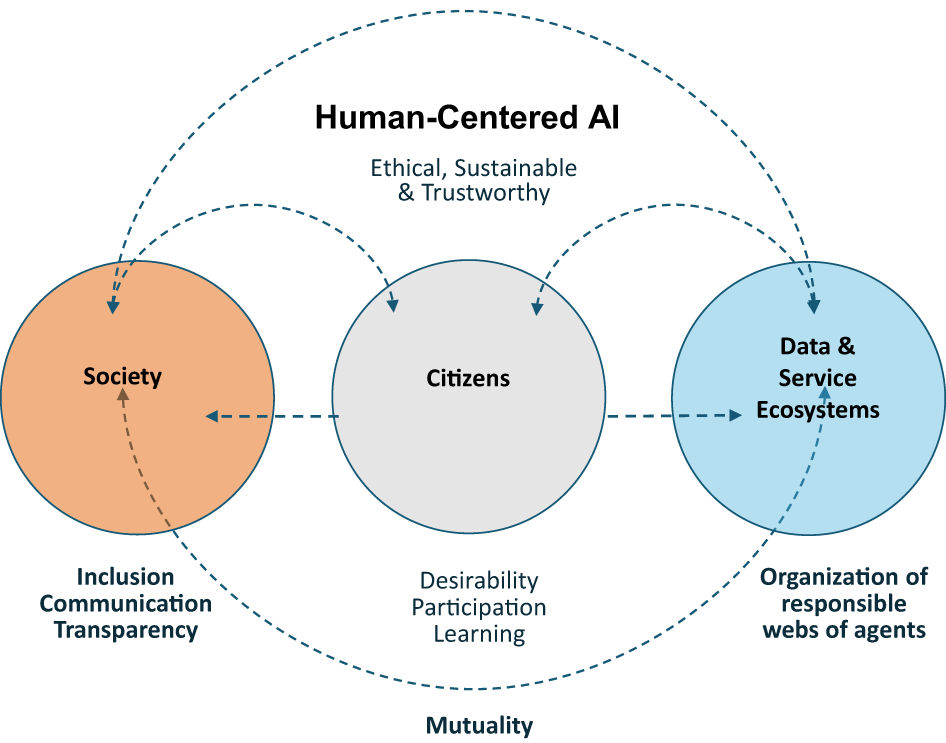
Machine fiduciaries may struggle with understanding human intentions accurately.
- Ambiguous objectives
- Conflicting values
- Preference uncertainty
- Goal misalignment
- Unexpected optimization outcomes
Defining “best interests” may prove difficult.
Governance and Regulatory Questions
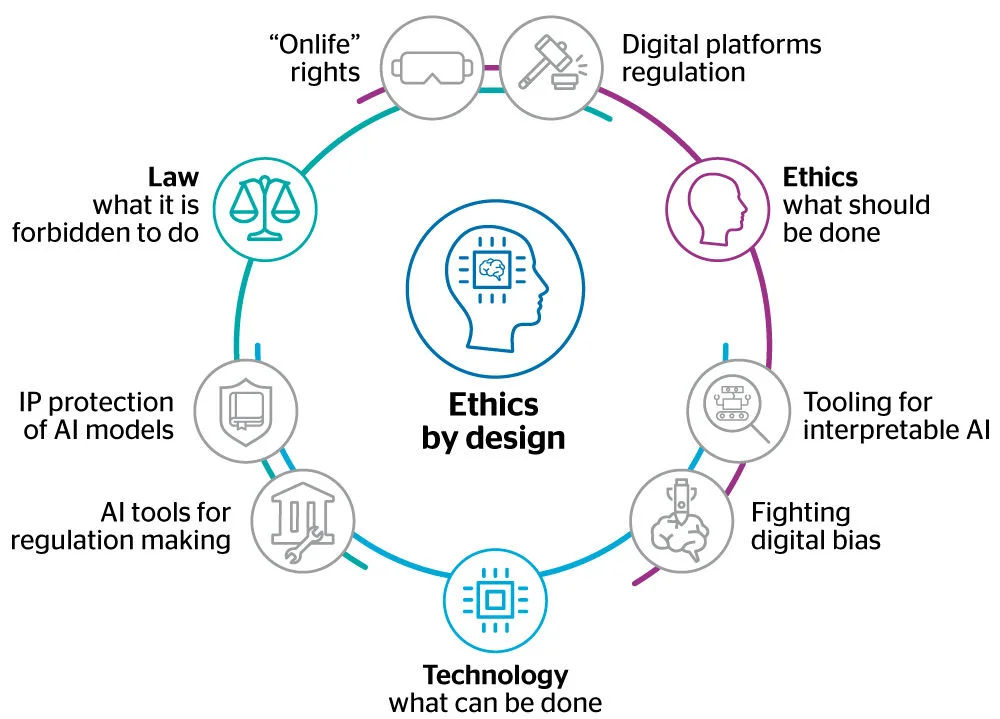
Future AI fiduciary systems may require new legal structures.
- Human oversight requirements
- Explainability standards
- Audit trails
- AI liability frameworks
- Override mechanisms
Governance may become essential infrastructure.
Future Outlook
Rather than fully replacing humans, machine fiduciaries may initially emerge as collaborative systems.
- Human-AI co-decision systems
- Autonomous financial co-pilots
- Adaptive trust frameworks
- AI-assisted fiduciary governance
The future may involve machines enhancing fiduciary decisions rather than independently controlling them.
Frequently Asked Questions
What is a machine fiduciary?
An AI system authorized to make decisions while representing another party's interests.
Why is it considered a dilemma?
Because fiduciary responsibility requires trust, ethics, judgment, and accountability—areas where AI raises difficult questions.
Will AI replace financial advisors?
Near-term systems are more likely to augment and support human professionals rather than fully replace them.
Conclusion
The Machine Fiduciary Dilemma represents one of the most important governance questions of the AI economy. As AI increasingly gains authority to act rather than merely advise, society must determine how trust, accountability, ethics, and responsibility should evolve. The challenge is no longer whether machines can make decisions; the challenge is deciding how much responsibility humans are willing to delegate.