The Private Credit Secondaries Boom
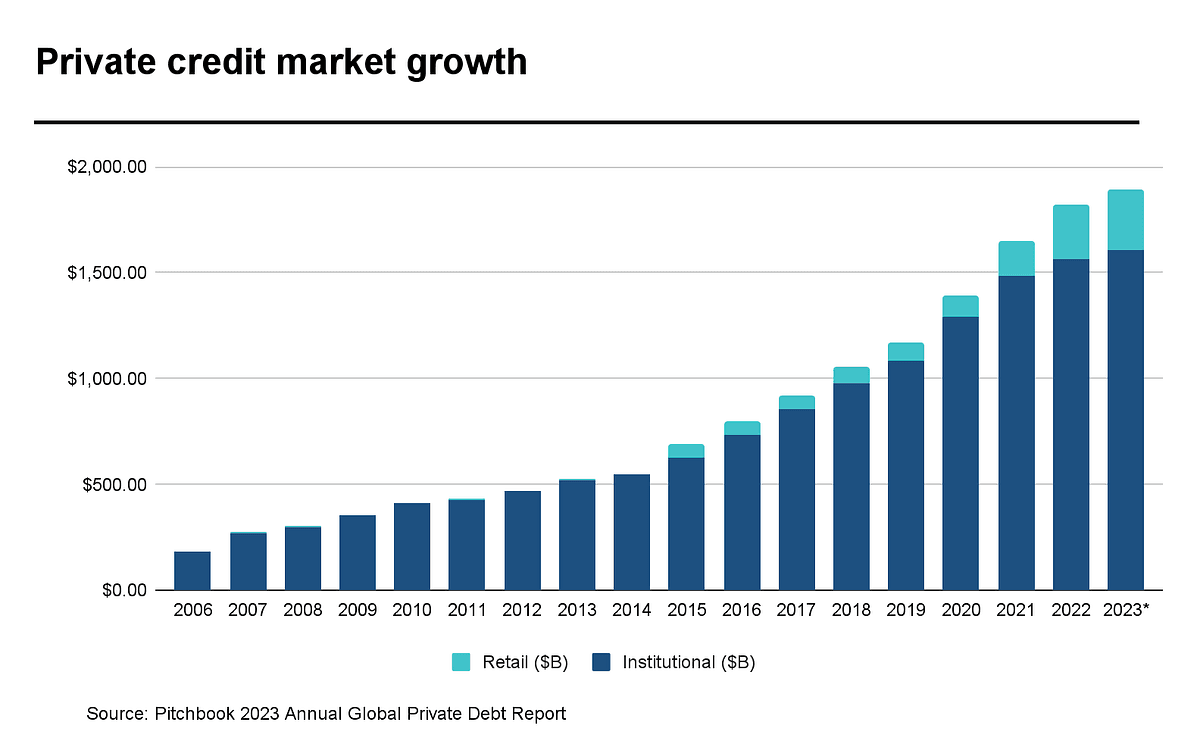
The global financial system is witnessing a significant transformation in alternative lending markets, and one of the fastest-growing trends in 2026 is the rise of private credit secondaries. As traditional banks reduce risk exposure and institutional investors search for yield, private credit has expanded rapidly into a multi-trillion-dollar asset class. Now, a secondary market for these assets is booming.
Private credit secondaries involve the buying and selling of existing private debt investments between institutional investors. This emerging market provides liquidity, portfolio flexibility, and new opportunities for asset managers, pension funds, insurers, and sovereign wealth funds.
The private credit secondaries boom represents a major evolution in how illiquid financial assets are traded, valued, and managed.
What Is Private Credit?
Private credit refers to non-bank lending provided directly to companies, projects, or borrowers outside traditional public markets.
- Direct lending to businesses
- Private debt financing
- Alternative lending structures
- Institutional capital participation
It has become a critical component of modern finance.
What Are Private Credit Secondaries?
Private credit secondaries are transactions involving the sale of existing private debt positions from one investor to another.
- Secondary trading of private debt
- Liquidity for illiquid assets
- Portfolio rebalancing opportunities
- Discount and yield optimization strategies
This creates a more dynamic private credit ecosystem.
Why the Secondaries Market Is Growing
- Rapid expansion of private credit markets
- Need for institutional liquidity
- Higher interest rate environments
- Portfolio optimization demands
- Increased maturity of alternative asset markets
Investors increasingly seek flexibility in private capital markets.
How Private Credit Secondaries Work
Secondary transactions transfer ownership of private debt investments between parties.
- Existing debt positions are evaluated
- Pricing reflects yield and market conditions
- Assets are transferred to new investors
- New holders receive future cash flows
This process improves liquidity and capital efficiency.

Key Drivers Behind the Boom
- Institutional demand for yield
- Reduced bank lending activity
- Growth of alternative asset management
- Pressure for liquidity solutions
- Expansion of private capital ecosystems
These factors are accelerating market growth.
Who Participates in the Market?
The private credit secondary ecosystem involves major institutional players.
- Pension funds
- Insurance companies
- Sovereign wealth funds
- Private equity firms
- Alternative asset managers
Institutional participation is increasing rapidly.

Benefits of Private Credit Secondaries
- Enhanced liquidity
- Improved portfolio management
- Access to discounted assets
- Greater market efficiency
- Yield optimization opportunities
These advantages are attracting institutional capital.
The private credit secondaries boom is transforming illiquid debt markets into increasingly dynamic and tradable financial ecosystems.
Private Credit vs Traditional Bank Lending
- Traditional → Bank-centered financing
- Private credit → Institutional direct lending
- Traditional → Regulated balance sheet constraints
- Private credit → Flexible alternative financing
This shift is redefining capital markets.
Technology and Data Analytics in Private Credit
Advanced technology is modernizing private debt markets.
- AI-powered credit analysis
- Real-time risk monitoring
- Automated portfolio analytics
- Digital secondary trading platforms
Technology is improving transparency and efficiency.
Risks and Challenges
Despite strong growth, private credit secondaries involve significant risks.
- Limited transparency
- Liquidity constraints during market stress
- Valuation complexity
- Credit default risks
- Regulatory uncertainty
Risk management remains critical.
The Role of Higher Interest Rates
Interest rate dynamics are shaping the market environment.
- Higher yields attract investors
- Borrower refinancing pressure increases
- Asset repricing creates opportunities
- Institutional diversification accelerates
Macroeconomic conditions are driving market activity.
The Evolution of Secondary Liquidity
Private markets are becoming increasingly liquid.
- Dedicated secondary funds
- Structured liquidity vehicles
- Portfolio transfer platforms
- Institutional trading ecosystems
This evolution improves market flexibility.
Future of the Private Credit Market
The future of private credit secondaries is highly promising.
- Expansion into retail-access structures
- Tokenized private credit assets
- AI-driven portfolio management
- Global institutional adoption
The market may become a core pillar of global finance.
Economic and Institutional Implications
The rise of private credit secondaries could reshape institutional investing.
- Reduced dependence on traditional banks
- Growth of alternative capital markets
- Expansion of institutional credit ecosystems
- New liquidity mechanisms for private finance
This transformation extends across global financial systems.
Frequently Asked Questions
What is private credit?
Direct lending provided by non-bank institutional investors.
What are private credit secondaries?
The buying and selling of existing private debt investments between investors.
Why is the secondaries market growing?
Because institutions seek liquidity, yield, and portfolio flexibility.
Conclusion
The private credit secondaries boom represents a major evolution in alternative finance and institutional investing. By creating liquidity pathways for historically illiquid debt assets, the market is reshaping portfolio management, capital allocation, and global credit systems. As technology, institutional participation, and market sophistication continue to expand, private credit secondaries may become one of the defining financial trends of the modern alternative investment era.