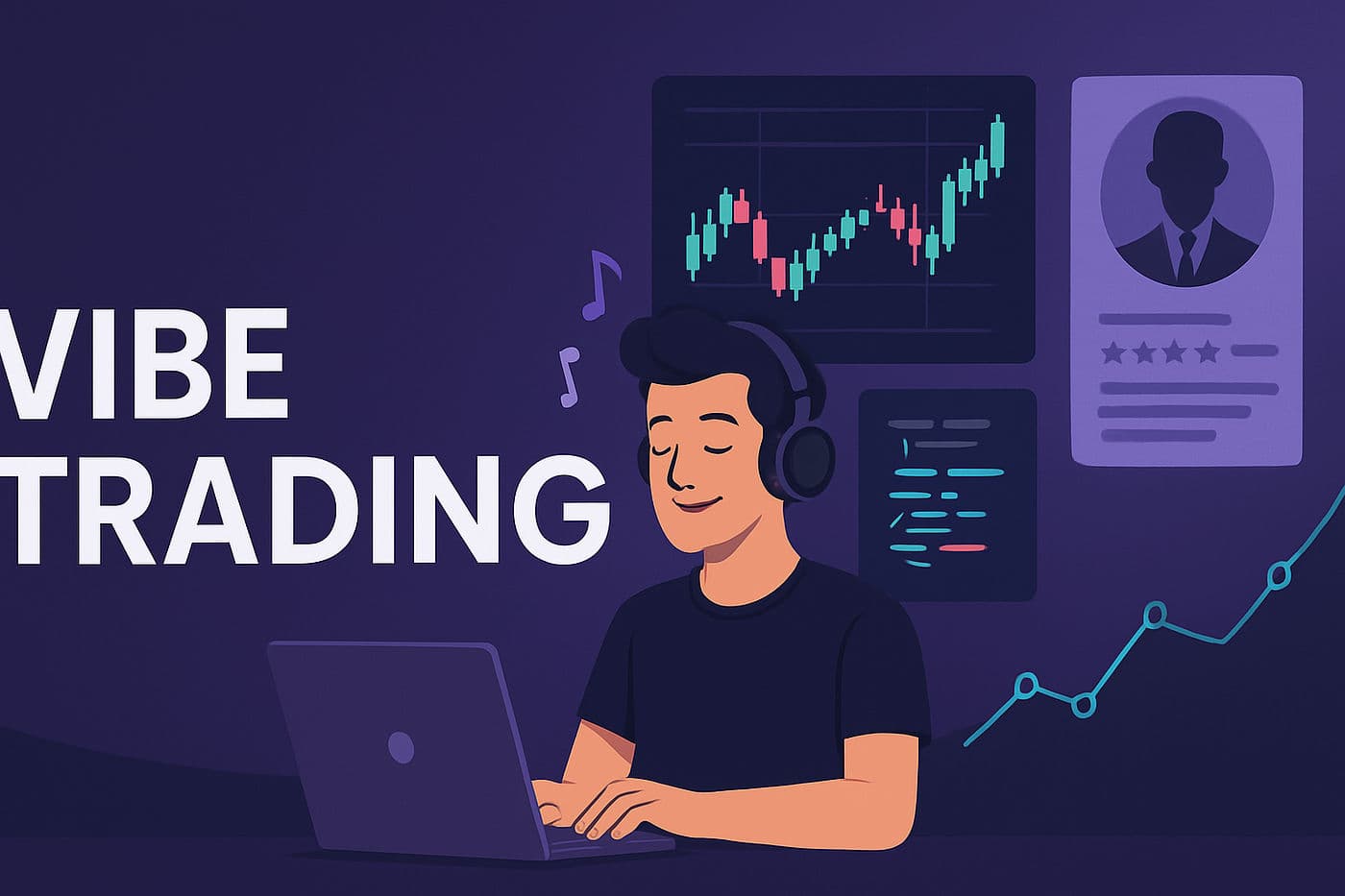
The Rise of "Vibe-Trading" Algorithms
The financial world is entering a new phase where market behavior is increasingly shaped by psychology, social narratives, online communities, AI-generated content, and digital emotions. Traditional market models relied heavily on corporate earnings, economic indicators, technical analysis, and institutional research. However, modern digital ecosystems are introducing new signals capable of influencing price movements at extraordinary speed.
In 2026, one of the most disruptive emerging trends is the rise of “Vibe-Trading Algorithms”—AI systems designed to monitor and interpret collective emotions, internet narratives, social engagement patterns, and behavioral signals to generate trading insights and automated investment decisions.
These systems attempt to transform digital sentiment into measurable financial intelligence, potentially reshaping the future of trading and market dynamics.
What Are Vibe-Trading Algorithms?
Vibe-trading algorithms are AI-powered systems that analyze emotional and behavioral signals from digital environments to predict market movement.
- Social sentiment analysis
- Behavioral pattern detection
- Narrative momentum tracking
- Emotion-based trading signals
The objective is to convert collective human sentiment into quantitative investment intelligence.
Why Traditional Market Signals Are Evolving
Modern financial markets increasingly react to digital behavior and information velocity.
- Massive retail market participation
- Real-time information distribution
- Social platform influence
- AI-generated financial content
- Community-driven investing behavior
Behavior itself is becoming a financial signal.
How Vibe-Trading Algorithms Work
These systems continuously collect and analyze large-scale digital interactions.
- Social media text analysis
- Emotion classification systems
- Narrative trend identification
- Behavioral momentum scoring
Algorithms convert online behavior into trading insights.
Core Technologies Behind Vibe-Trading
Several advanced technologies support sentiment-driven trading systems.
- Artificial intelligence and machine learning
- Natural language processing (NLP)
- Behavioral analytics
- Large language models
- Predictive market modeling
These technologies enable large-scale emotional analysis.
Sources of Sentiment Data
Vibe-trading systems rely on diverse digital information sources.
- Social media discussions
- Financial communities and forums
- News platforms
- Search behavior patterns
- Creator and influencer ecosystems
Digital conversation becomes market data.
Narrative Markets and Meme Dynamics
Financial markets increasingly respond to narratives rather than only fundamentals.
- Meme stock behavior
- Community-driven speculation
- Identity-based investing
- Emotionally amplified market cycles
Narratives can temporarily dominate market behavior.
AI and Collective Psychology Modeling
AI increasingly attempts to model large-scale human behavior.
- Fear and greed analysis
- Behavioral volatility prediction
- Crowd psychology monitoring
- Adaptive trading recommendations
Collective emotions become measurable variables.
Benefits of Vibe-Trading Systems
- Earlier detection of market sentiment changes
- Improved short-term behavioral forecasting
- Enhanced awareness of retail activity
- Adaptive market intelligence capabilities
- Continuous information processing
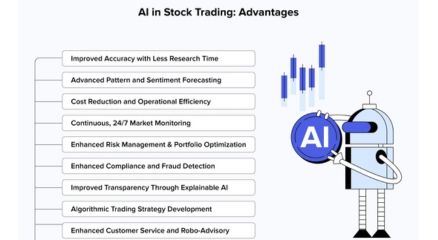
These systems may strengthen real-time decision-making.
Vibe-trading algorithms transform collective digital emotion into a financial signal capable of influencing capital allocation and market behavior.
Traditional Quant Models vs Vibe Models
- Traditional → Historical price and financial indicators
- Vibe Models → Emotional and behavioral signals
- Traditional → Structured financial datasets
- Vibe Models → Dynamic digital interaction ecosystems
This changes how trading systems interpret information.
Institutional Adoption
Large financial institutions increasingly integrate sentiment analytics.
- Hedge fund behavioral strategies
- Retail flow analysis systems
- Narrative risk intelligence platforms
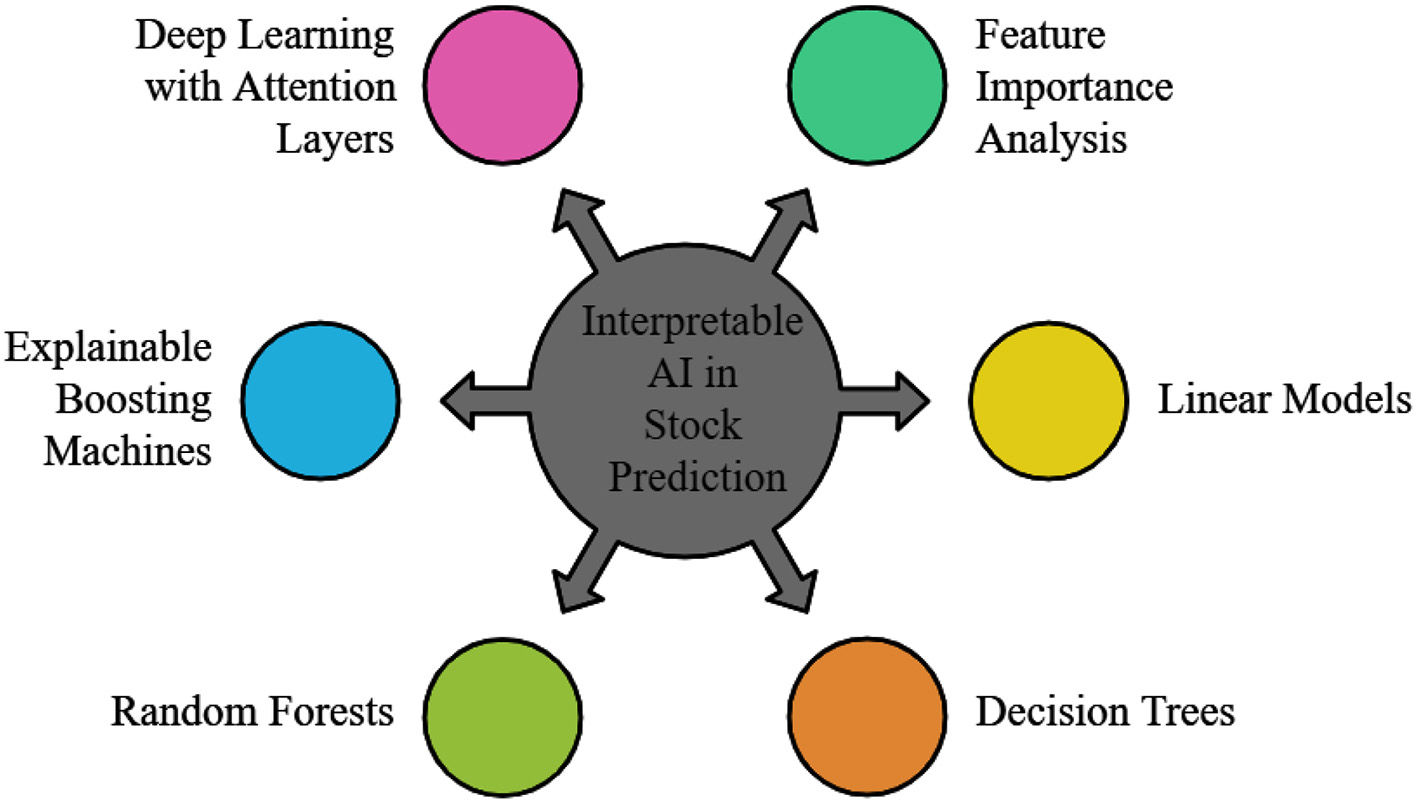
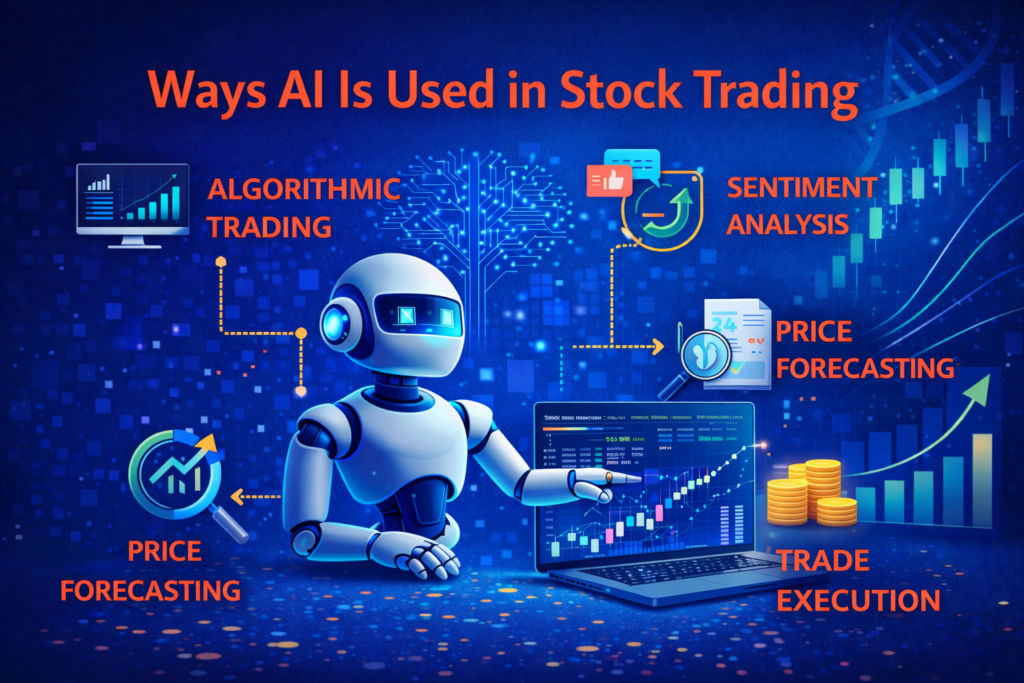
- AI-powered market forecasting models
Sentiment analysis is becoming institutional infrastructure.
Risks and Concerns
Emotion-based financial systems introduce substantial risks.
- Market manipulation potential
- AI-generated misinformation risks
- Behavioral herd effects
- Flash volatility events
- Over-amplification of narratives
Emotional systems can magnify instability.
Regulatory Challenges
Regulators increasingly monitor sentiment-driven markets.
- Algorithm transparency requirements
- AI governance frameworks
- Market manipulation oversight
- Digital platform accountability
Regulation continues evolving alongside technology.
Future of Vibe-Trading
Future trading systems may become increasingly behavior-aware.
- Emotion-sensitive trading agents
- AI-native investment ecosystems
- Personalized behavioral investing systems
- Autonomous sentiment-trading infrastructure
Behavioral intelligence could become central to financial markets.
Economic and Societal Implications
The rise of vibe-trading algorithms may reshape the relationship between technology, psychology, and financial systems.
- Expansion of behavioral finance ecosystems
- Greater influence of digital culture on markets
- Transformation of information economics
- Changing market participation dynamics
Markets may increasingly operate as real-time behavioral systems.
Frequently Asked Questions
What are vibe-trading algorithms?
AI systems that analyze social sentiment, emotions, and digital behavior to generate trading signals.
Why are they becoming important?
Because social behavior and online narratives increasingly influence financial markets.
What risks do vibe-trading systems create?
Potential risks include market manipulation, misinformation amplification, and extreme volatility.
Conclusion
The rise of vibe-trading algorithms represents a significant evolution in modern financial systems where emotions, narratives, digital behavior, and AI increasingly interact with market dynamics. By converting collective psychology into measurable investment signals, these systems could transform trading, risk management, and market forecasting. While they offer new opportunities for behavioral intelligence and adaptive investing, they also raise important questions related to transparency, ethics, stability, and the growing influence of digital culture on global financial systems.