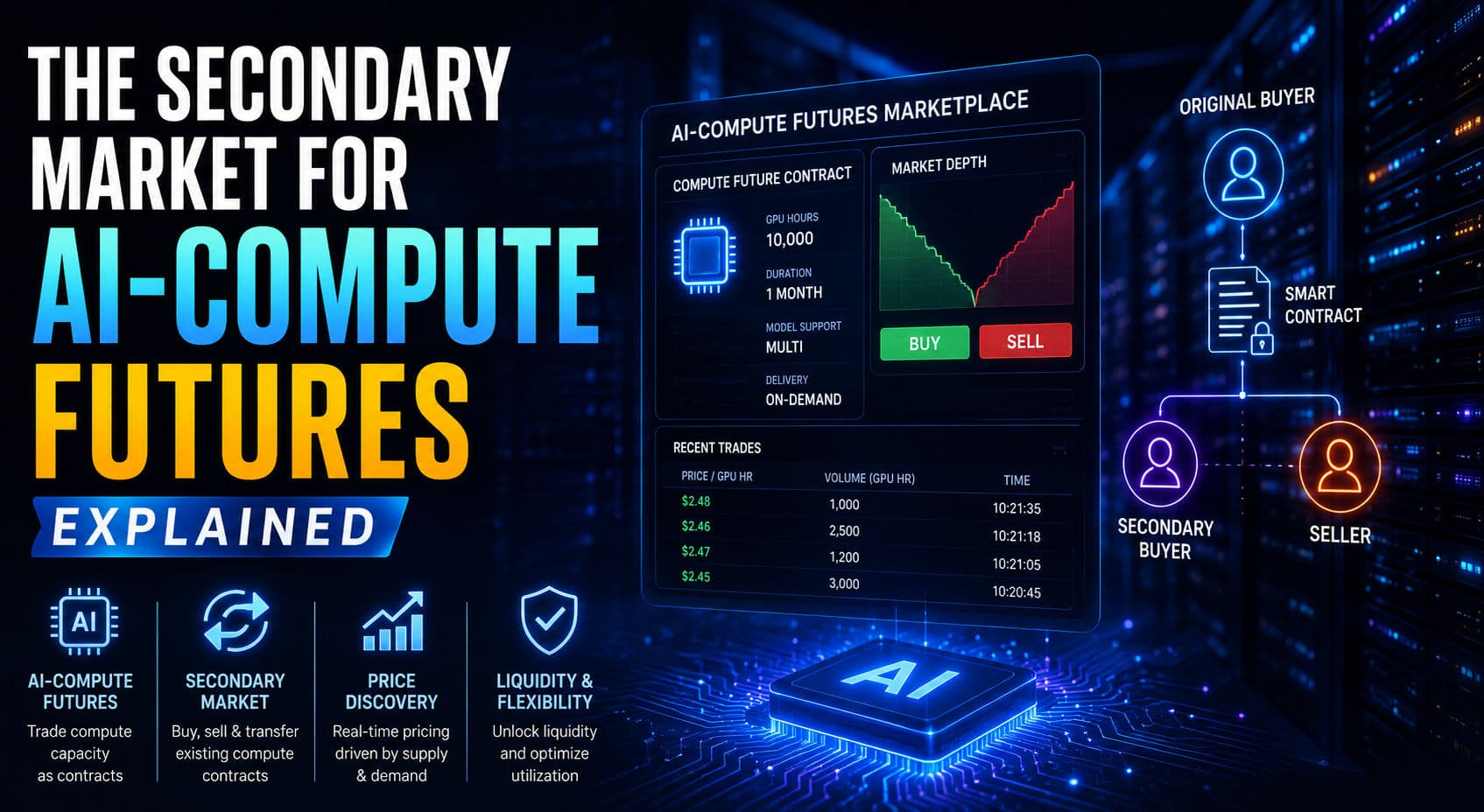
The Secondary Market for "AI-Compute" Futures
The rapid expansion of artificial intelligence has transformed computing power into one of the world's most valuable strategic resources. Advanced AI systems increasingly require enormous quantities of GPU capacity, specialized AI accelerators, high-performance cloud infrastructure, and energy-intensive computing environments. As demand for AI training and inference continues to accelerate, compute resources are evolving from a technical utility into a tradable economic asset.
In 2026, an emerging financial concept is gaining attention: the secondary market for AI-compute futures. Similar to commodity markets for oil, electricity, and agricultural products, these markets could allow organizations to buy, sell, hedge, and speculate on future access to computational capacity.
This development could fundamentally reshape cloud economics, AI infrastructure financing, and the future architecture of digital markets.
What Are AI-Compute Futures?
AI-compute futures are financial agreements linked to future access or pricing of computational resources used for artificial intelligence workloads.
- Future GPU capacity rights
- Reserved cloud compute contracts
- AI accelerator allocation agreements
- Computational resource derivatives
Compute itself becomes a financial asset class.
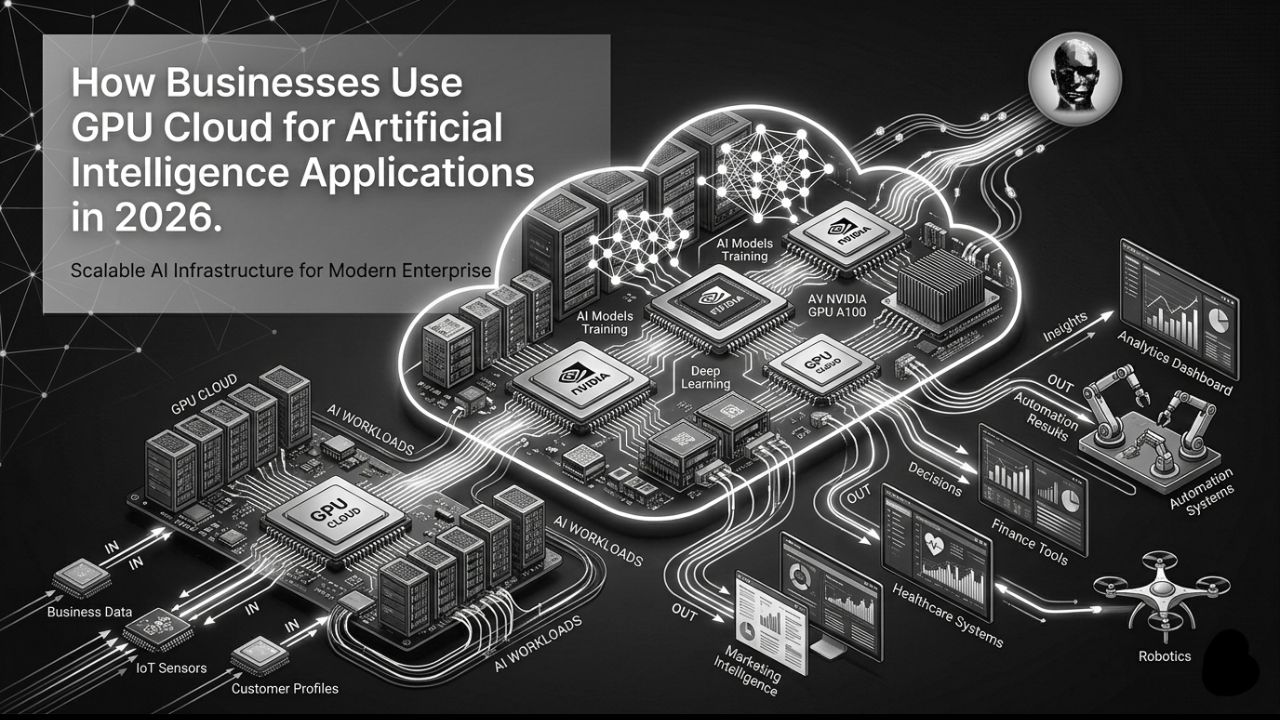
Why AI Compute Is Becoming Scarce
Several factors are increasing demand for computational resources.
- Large-scale AI model training
- Growth of AI agents and automation systems
- Expansion of inference workloads
- Rising enterprise AI adoption
- Specialized hardware limitations
Demand increasingly exceeds available supply.
What Is a Secondary Market?
A secondary market allows existing contracts or resource rights to be bought and sold after their initial issuance.
- Transfer of future resource allocations
- Liquidity creation mechanisms
- Risk management systems
- Dynamic price discovery
Secondary markets create flexibility for resource owners and buyers.
How AI-Compute Futures Markets Might Work
Organizations reserve future compute capacity and later trade these allocations.
- Cloud providers allocate future compute contracts
- Buyers acquire reservation rights
- Secondary participants trade these rights
- Markets establish real-time pricing
Compute access becomes tradable infrastructure.

Potential Participants in AI-Compute Markets
Multiple industries could participate in compute trading ecosystems.
- Cloud infrastructure providers
- AI development companies
- Financial institutions
- Enterprise technology firms
- Specialized compute brokers
Compute markets could become highly diversified.
Benefits of AI-Compute Futures
- Improved resource allocation efficiency
- Reduced compute supply uncertainty
- Enhanced infrastructure planning
- Better risk management capabilities
- Greater market liquidity
These mechanisms may stabilize future compute ecosystems.
AI Infrastructure as a Commodity
Historically, commodities included physical resources such as energy and metals.
- Oil
- Natural gas
- Electricity
- Industrial metals
- Computational power
AI compute could become a new strategic digital commodity.
As artificial intelligence expands, computational capacity may evolve from technical infrastructure into one of the most strategically traded assets of the digital economy.
Traditional Cloud Services vs AI-Compute Futures
- Traditional → Direct pay-for-use cloud consumption
- AI-Compute Futures → Tradable future resource contracts
- Traditional → Fixed infrastructure purchasing
- AI-Compute Futures → Dynamic market pricing systems
This transition changes how organizations acquire computational resources.
Tokenization and Compute Ownership
Blockchain systems could support compute trading ecosystems.
- Tokenized compute rights
- Smart contract settlements
- Programmable infrastructure markets
- Fractional compute ownership models
Digital assets may improve liquidity and transparency.
AI and Automated Resource Markets
AI itself could manage compute markets.
- Predictive demand modeling
- Dynamic pricing optimization
- Autonomous infrastructure allocation
- Real-time resource balancing
AI may increasingly coordinate AI infrastructure.
Risks and Challenges
AI-compute futures introduce new risks and uncertainties.
- Market speculation risks
- Resource concentration concerns
- Infrastructure volatility
- Regulatory uncertainty
- Pricing manipulation possibilities
Strong governance mechanisms would remain important.
Geopolitical Implications
Compute resources increasingly influence national competitiveness.
- National AI infrastructure strategies
- Semiconductor supply chain competition
- Digital sovereignty initiatives
- Strategic technology alliances
Compute access is becoming a geopolitical concern.
Future of AI-Compute Markets
The future may include highly sophisticated computational economies.
- Global compute exchanges
- AI-native infrastructure markets
- Autonomous compute trading agents
- Integrated digital resource ecosystems
Computation may become a core financial asset category.
Economic and Strategic Implications
The emergence of AI-compute futures could reshape digital economic systems.
- New infrastructure financing models
- Expansion of digital asset classes
- Transformation of cloud economics
- Acceleration of AI adoption
This evolution may redefine how digital resources are valued and traded.
Frequently Asked Questions
What are AI-compute futures?
Financial agreements linked to future access or pricing of computational resources used for AI workloads.
Why would compute become a tradable asset?
Because AI demand increasingly creates scarcity and strategic value around computational infrastructure.
What risks exist in AI-compute futures markets?
Potential risks include speculation, market concentration, infrastructure volatility, and regulatory uncertainty.
Conclusion
The secondary market for AI-compute futures represents a possible future evolution where computational power becomes a strategic digital commodity with its own liquidity systems, pricing structures, and financial instruments. As AI infrastructure demand continues to rise, organizations may increasingly seek mechanisms to hedge, allocate, and trade future access to computing resources. While such markets could improve efficiency and flexibility, they also introduce new economic, regulatory, and geopolitical challenges that could reshape the architecture of the digital economy.