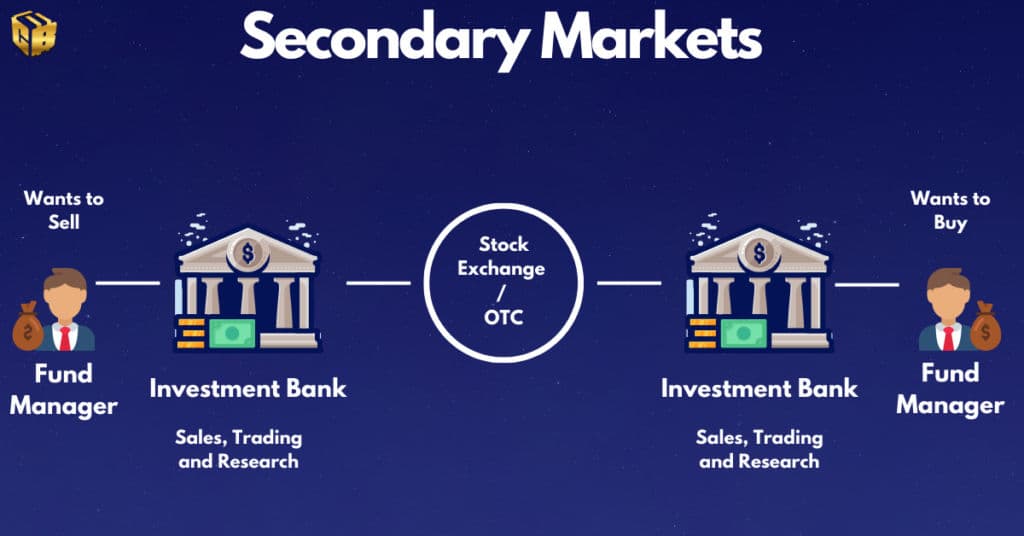
The Secondary Market for Private Deal Stakes
The private capital ecosystem is undergoing a major transformation as institutional investors increasingly seek liquidity, flexibility, and portfolio optimization within traditionally illiquid markets. Over the past decade, private equity, venture capital, infrastructure funds, private credit, and alternative assets have grown dramatically in scale. As these markets mature, a powerful new financial ecosystem is emerging around the buying and selling of existing private investment positions.
In 2026, the secondary market for private deal stakes is becoming one of the fastest-growing segments of global alternative finance. What was once a niche institutional activity has evolved into a sophisticated marketplace involving pension funds, sovereign wealth funds, insurance companies, private equity firms, family offices, and specialized secondary funds.
This expansion is reshaping liquidity, valuation, and capital formation across the global private investment landscape.
What Is the Secondary Market for Private Deal Stakes?
The secondary market for private deal stakes involves the buying and selling of existing ownership interests in private investments.
- Private equity stake transfers
- Venture capital secondary transactions
- Private credit stake trading
- Alternative asset liquidity markets
These markets allow investors to trade illiquid private positions before maturity or exit events.

Why Secondary Markets Are Growing
Several structural trends are driving rapid growth in private secondary markets.
- Expansion of private capital ecosystems
- Longer holding periods for private companies
- Institutional demand for liquidity
- Portfolio rebalancing requirements
- Growth of alternative investment allocations
Private markets are becoming increasingly dynamic and tradable.
How Private Secondary Transactions Work
Secondary transactions transfer ownership of existing private investment positions between investors.
- Investors sell existing fund stakes or direct positions
- Secondary buyers evaluate underlying assets
- Pricing reflects risk, liquidity, and market demand
- Ownership rights transfer to new investors
This creates liquidity within traditionally illiquid asset classes.
Types of Private Secondary Transactions
The secondary market includes several distinct transaction structures.
- Limited partner (LP) stake sales
- Direct secondary transactions
- Continuation fund structures
- GP-led liquidity transactions
The market has become increasingly sophisticated.

Continuation Funds and GP-Led Deals
General Partner (GP)-led secondary transactions are becoming increasingly important.
- Existing assets moved into continuation vehicles
- Liquidity options for current investors
- Extended ownership timelines for high-performing assets
- New capital participation opportunities
These structures reshape traditional private equity exits.
Benefits for Sellers
Secondary markets provide important liquidity and portfolio management advantages.
- Early liquidity access
- Portfolio diversification
- Risk reduction opportunities
- Capital reallocation flexibility
Investors gain greater control over private market exposure.
Benefits for Buyers
Secondary investors gain access to attractive alternative investment opportunities.
- Discounted asset acquisition
- Reduced blind-pool risk
- Shorter investment duration exposure
- Enhanced portfolio diversification
Buyers often gain greater visibility into underlying assets.

The Role of Institutional Investors
Large institutions dominate private secondary markets.
- Pension funds
- Sovereign wealth funds
- Insurance companies
- Private equity firms
- Family offices
Institutional demand continues to accelerate.
The rise of private deal secondary markets is transforming illiquid private assets into increasingly tradable and strategically managed financial instruments.
Traditional Private Markets vs Secondary Markets
- Traditional → Long-term illiquid investment structures
- Secondary → Flexible liquidity ecosystems
- Traditional → Limited exit opportunities
- Secondary → Dynamic portfolio rebalancing mechanisms
This shift changes how investors approach private capital.
Technology and Digital Secondary Platforms
Technology is modernizing private secondary trading infrastructure.
- AI-powered valuation analytics
- Digital transaction platforms
- Automated due diligence systems
- Blockchain-enabled ownership tracking
Technology improves market transparency and efficiency.
Private Credit and Infrastructure Secondaries
The secondary market is expanding beyond traditional private equity.
- Private credit stake transfers
- Infrastructure asset secondaries
- Real estate secondary markets
- Energy and renewable asset transactions
Alternative asset liquidity ecosystems are broadening rapidly.
Risks and Challenges
Despite strong growth, private secondary markets involve significant risks.
- Valuation uncertainty
- Limited transparency
- Liquidity constraints during market stress
- Complex transaction structures
- Regulatory and governance concerns
Careful due diligence remains essential.
Regulatory Considerations
Regulators are increasingly monitoring private secondary ecosystems.
- Investor protection standards
- Disclosure and transparency rules
- Valuation oversight frameworks
- Market stability monitoring
Regulatory adaptation is accelerating alongside market growth.
Tokenization and Future Liquidity Systems
Tokenized finance could further transform private secondary markets.
- Fractional ownership systems
- Blockchain-based settlement infrastructure
- Programmable liquidity mechanisms
- Global digital alternative asset exchanges
Private market liquidity may become increasingly digital and automated.
Future of Private Secondary Markets
The secondary ecosystem is expected to continue expanding rapidly.
- Growth of institutional secondary funds
- AI-powered market analytics
- Globalization of private liquidity markets
- Integration with digital financial infrastructure
Secondaries may become a core pillar of alternative finance.
Economic and Strategic Implications
The expansion of private secondary markets could reshape global capital formation.
- Greater liquidity in private ecosystems
- Reduced dependence on public markets
- Expansion of institutional alternative investing
- Transformation of private capital structures
This evolution is changing the architecture of modern finance.
Frequently Asked Questions
What is the secondary market for private deal stakes?
A marketplace where investors buy and sell existing private investment positions before traditional exit events.
Why are secondary markets growing?
Because investors seek liquidity, portfolio flexibility, and exposure to mature private assets.
Who participates in private secondary markets?
Pension funds, private equity firms, sovereign wealth funds, insurers, and institutional investors.
Conclusion
The secondary market for private deal stakes represents one of the most important evolutions in alternative finance and institutional investing. By creating liquidity pathways for traditionally illiquid private assets, secondary markets are transforming portfolio management, valuation dynamics, and capital allocation strategies across global financial systems. As technology, institutional participation, and digital infrastructure continue to advance, private secondary ecosystems may become a foundational pillar of the future private capital economy.