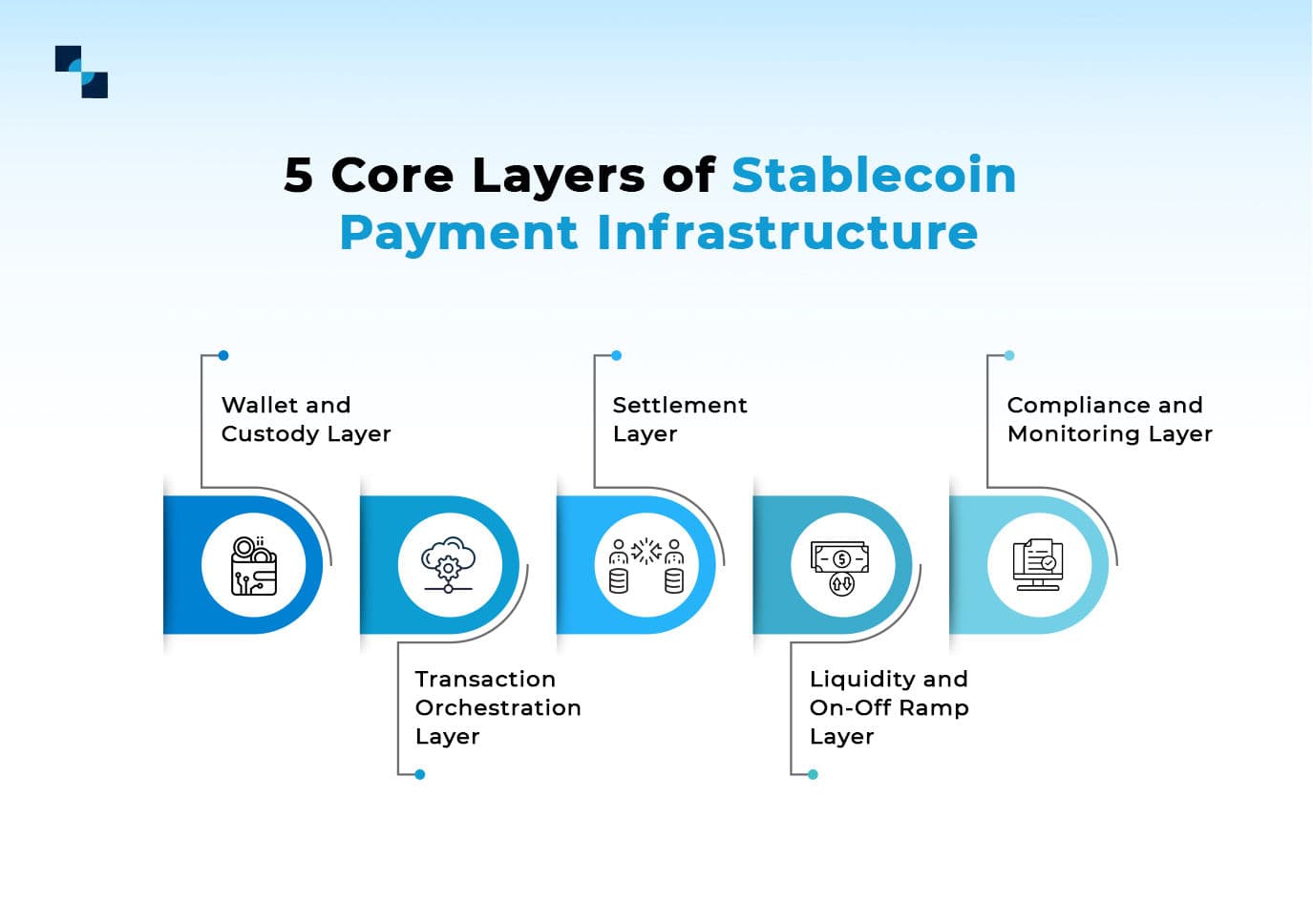
The Stablecoin Interbank Settlement Layer
The global financial system is experiencing a major shift as digital payments, blockchain infrastructure, programmable money, and real-time financial networks continue to evolve. Traditional interbank settlement systems have historically depended on centralized clearing institutions, delayed processing windows, correspondent banking structures, and multiple intermediaries. While these systems enabled the growth of modern finance, they often introduce settlement delays, operational complexity, and liquidity inefficiencies.
In 2026, one of the most significant emerging developments is the concept of a Stablecoin Interbank Settlement Layer — a programmable digital infrastructure where regulated stablecoins function as settlement instruments between banks and financial institutions.
This evolution may fundamentally reshape payment systems, treasury operations, cross-border finance, and the architecture of global money movement.
What Is an Interbank Settlement Layer?
An interbank settlement layer is the infrastructure used by financial institutions to transfer value and settle obligations between each other.
- Payment clearing systems
- Liquidity transfer infrastructure
- Cash settlement networks
- Institutional money movement systems
These systems ensure that money and assets move securely across the banking ecosystem.
What Are Stablecoins?
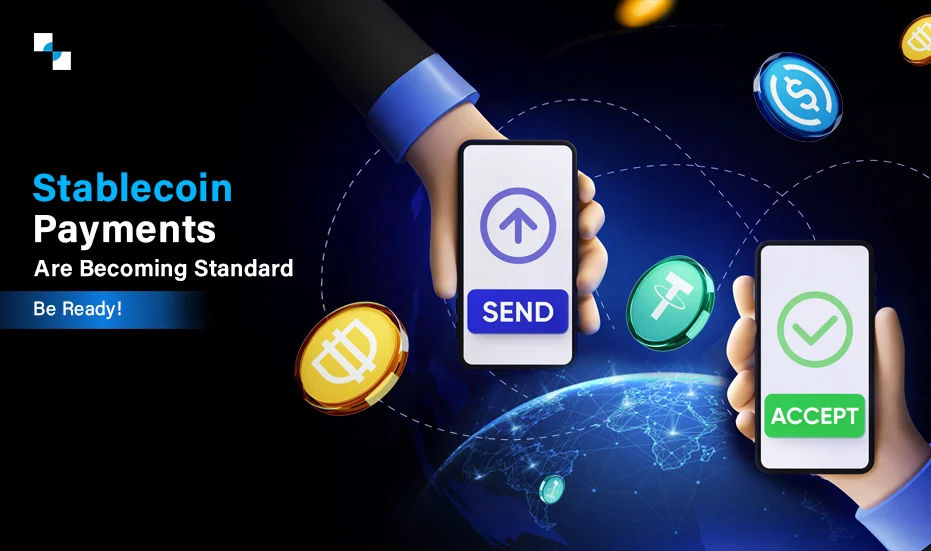
Stablecoins are digital assets designed to maintain a stable value relative to a reference asset such as a national currency.
- Fiat-backed digital currencies
- Reserve-supported token systems
- Programmable payment instruments
- Digital settlement assets
Their primary purpose is reducing price volatility while maintaining digital flexibility.
Why Interbank Settlement Is Changing
Traditional systems face several operational limitations.
- Multiple intermediary requirements
- Settlement delays
- Cross-border friction
- Liquidity inefficiencies
- High operational costs
Financial institutions increasingly seek real-time settlement capabilities.
How a Stablecoin Settlement Layer Works
Stablecoins can function as digital settlement instruments between banks.
- Institutional transactions initiate digitally
- Stablecoins represent settlement value
- Blockchain networks validate transfers
- Smart contracts automate settlement execution
Transfers can potentially occur continuously and with fewer intermediaries.
Benefits of Stablecoin Settlement Networks
- Near real-time settlement capability
- Reduced counterparty exposure
- Improved liquidity efficiency
- Lower transaction costs
- Continuous operational availability
These benefits may significantly improve banking infrastructure.
Cross-Border Payment Transformation
International payments are a major target for stablecoin infrastructure.
- Reduced correspondent banking dependence
- Faster international transfers
- Lower settlement friction
- Enhanced trade payment efficiency
Cross-border money movement could become substantially faster.
Treasury and Liquidity Management
Banks increasingly focus on real-time treasury optimization.
- Dynamic liquidity allocation
- Continuous cash positioning
- Intraday funding optimization
- Automated treasury operations
Stablecoins could improve institutional liquidity management.
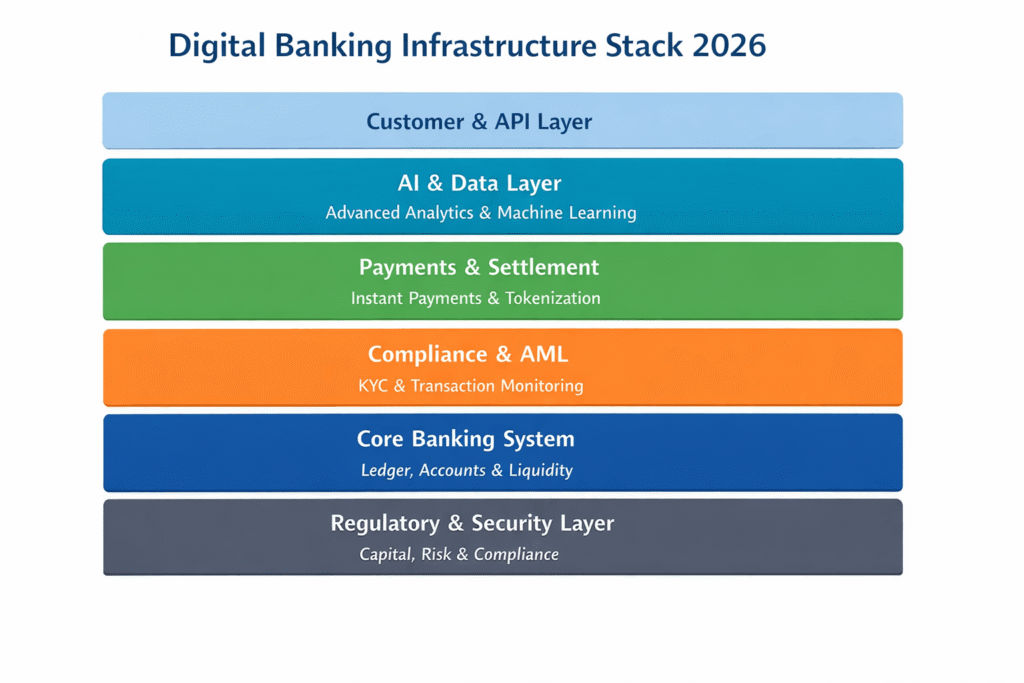
Stablecoin settlement infrastructure transforms money movement from delayed institutional processes into programmable and continuous financial networks.
Traditional Settlement vs Stablecoin Settlement
- Traditional → Multiple intermediaries and delayed processing
- Stablecoin → Near real-time programmable transfers
- Traditional → Fixed operating windows
- Stablecoin → Continuous network availability
This transition changes the operational structure of financial markets.
Smart Contracts and Programmable Money
Programmable financial logic expands settlement possibilities.
- Automated payment execution
- Conditional transaction rules
- Integrated compliance systems
- Self-executing settlement workflows
Money itself becomes programmable infrastructure.
AI and Settlement Intelligence
Artificial intelligence increasingly supports institutional payment systems.
- Predictive liquidity analytics
- Fraud detection systems
- Dynamic settlement optimization
- Risk forecasting systems
AI improves operational efficiency and resilience.
CBDCs vs Stablecoin Settlement Systems
State-backed and private digital settlement systems may coexist.
- CBDCs → Sovereign digital money infrastructure
- Stablecoins → Private programmable settlement assets
- CBDCs → Central bank control models
- Stablecoins → Market-driven operational ecosystems
Future financial infrastructure could combine both approaches.
Regulatory Challenges
Stablecoin settlement systems face evolving regulatory requirements.
- Reserve transparency requirements
- Anti-money laundering compliance
- Consumer protection standards
- Cross-border legal frameworks
Regulation remains critical for large-scale adoption.
Risks and Limitations
Stablecoin systems introduce important operational risks.
- Reserve management concerns
- Cybersecurity threats
- Infrastructure concentration risks
- Operational disruptions
- Regulatory uncertainty
Financial resilience remains essential.
Future of Interbank Stablecoin Infrastructure
The future financial ecosystem may increasingly operate through digital settlement networks.
- 24/7 banking infrastructure
- AI-native treasury systems
- Global programmable liquidity networks
- Integrated digital money ecosystems
Settlement may become continuously active and software-driven.
Economic and Strategic Implications
The rise of stablecoin settlement layers could reshape global finance.
- Transformation of payment systems
- Reduced friction in global trade
- Expansion of programmable finance
- Evolution of institutional banking models
This evolution could redefine the movement of money in the digital economy.
Frequently Asked Questions
What is a stablecoin interbank settlement layer?
A digital infrastructure where regulated stablecoins are used for settlement between financial institutions.
Why are banks interested in stablecoin settlements?
Because they may provide faster transfers, lower costs, and improved liquidity efficiency.
Can stablecoins replace traditional banking systems?
Stablecoins may complement existing systems rather than fully replace them, particularly in institutional settlement infrastructure.
Conclusion
The Stablecoin Interbank Settlement Layer represents a major evolution in digital finance by transforming money movement into programmable and near real-time infrastructure. By combining blockchain technology, stable digital assets, smart contracts, and AI-enhanced treasury systems, this model could significantly improve settlement efficiency across banking ecosystems. While substantial regulatory, operational, and systemic challenges remain, stablecoin settlement networks may become a foundational layer of future global financial infrastructure.