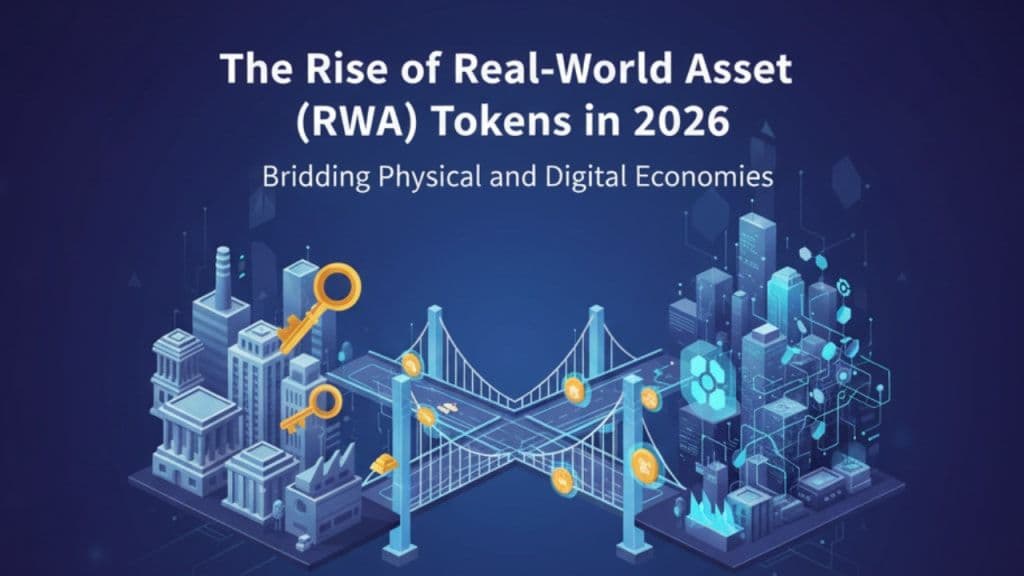
Tokenized Real-World Assets (RWA) 2.0
The financial world is entering a new era where physical assets and traditional financial instruments are increasingly represented on blockchain networks. This transformation, known as Real-World Asset (RWA) tokenization, is evolving rapidly into what many experts now call “RWA 2.0.”
In 2026, tokenized real-world assets are no longer limited to experimental blockchain projects. Instead, they are becoming part of mainstream institutional finance, enabling fractional ownership, programmable financial products, real-time settlement, and global market accessibility.
RWA 2.0 represents the convergence of traditional finance (TradFi), decentralized finance (DeFi), artificial intelligence, and programmable digital infrastructure. This shift is redefining how ownership, liquidity, and investment operate in the digital economy.
What Are Tokenized Real-World Assets?
Tokenized real-world assets are blockchain-based digital representations of physical or traditional financial assets.
- Real estate tokenization
- Tokenized stocks and bonds
- Commodities and precious metals
- Private credit and infrastructure assets
These digital tokens represent ownership, value, or rights tied to real assets.
What Makes RWA 2.0 Different?
RWA 2.0 goes beyond basic tokenization by integrating intelligent automation, institutional infrastructure, and programmable finance.
- Institutional-grade compliance systems
- AI-enhanced asset management
- Real-time settlement infrastructure
- Programmable ownership and governance
This evolution transforms tokenization into a fully integrated financial ecosystem.
Why Tokenization Matters
- Improves liquidity for illiquid assets
- Enables fractional ownership
- Expands global investor access
- Reduces transaction friction
- Enhances transparency and efficiency
Tokenization modernizes traditional financial systems.
How RWA Tokenization Works
The thttps://www.epoverse.com/okenization process converts ownership rights into blockchain-based digital tokens.
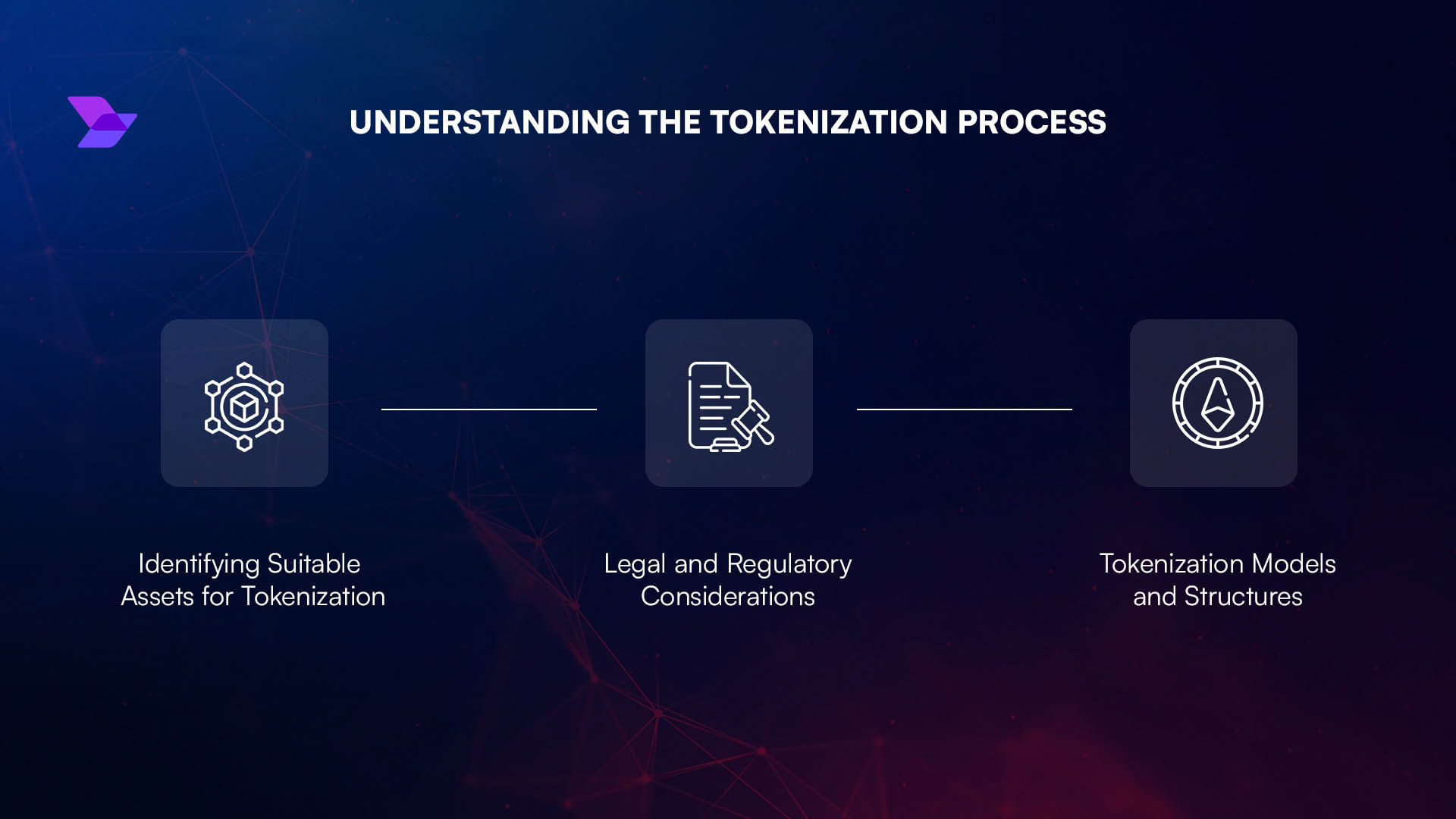
- Asset valuation and legal structuring
- Blockchain token issuance
- Smart contract integration
- Digital trading and settlement
This creates programmable financial assets.
Key Technologies Behind RWA 2.0
- Blockchain infrastructure
- Smart contracts
- Decentralized finance (DeFi)
- Artificial intelligence and analytics
- Digital identity and compliance systems
These technologies enable scalable digital asset ecosystems.
Applications of RWA 2.0
RWA tokenization is expanding across industries.
- Commercial real estate
- Private equity and venture capital
- Infrastructure financing
- Art and collectibles
- Carbon credits and sustainability markets
Its applications continue to grow globally.
Benefits of RWA 2.0
- Greater market liquidity
- Enhanced accessibility for investors
- Lower operational costs
- Faster settlement times
- Increased financial transparency
These advantages are driving institutional adoption.
RWA 2.0 is transforming ownership itself—turning physical and financial assets into programmable, globally accessible digital systems.
RWA 2.0 vs Traditional Asset Systems
- Traditional → Limited liquidity
- RWA 2.0 → Continuous digital liquidity
- Traditional → Manual settlement processes
- RWA 2.0 → Automated smart contract execution
This shift fundamentally changes capital markets.
Institutional Adoption of Tokenized Assets
Large financial institutions are entering the tokenization ecosystem.
- Tokenized treasury products
- Blockchain-based asset funds
- Institutional custody services
- Digital bond issuance platforms
Institutional participation is accelerating market legitimacy.
The Role of AI in RWA Markets
Artificial intelligence is becoming deeply integrated into tokenized finance.
- Automated asset valuation
- Risk management analytics
- Fraud detection systems
- AI-powered portfolio optimization
AI enhances scalability and operational intelligence.
Compliance and Regulation
Regulatory frameworks remain critical for the growth of RWA markets.
- Know Your Customer (KYC) systems
- Anti-Money Laundering (AML) compliance
- Tokenized securities regulation
- Cross-border legal interoperability
Compliance infrastructure is evolving rapidly.
Challenges and Risks
Despite its potential, RWA 2.0 faces important obstacles.
- Regulatory uncertainty
- Custody and security risks
- Legal ownership disputes
- Liquidity fragmentation
- Blockchain interoperability issues
These challenges require robust governance systems.
The Future of Tokenized Assets
The future of RWA tokenization is highly transformative.
- 24/7 global digital markets
- AI-native financial ecosystems
- Fully programmable asset ownership
- Cross-chain interoperable economies
Tokenized assets may become foundational financial infrastructure.
Societal and Economic Impact
RWA 2.0 could reshape wealth access and capital formation.
- Democratized investment access
- Globalized capital participation
- Reduced financial barriers
- Acceleration of digital economies
This transformation extends far beyond cryptocurrency markets.
Frequently Asked Questions
What are tokenized real-world assets?
Blockchain-based digital representations of physical or traditional financial assets.
What is RWA 2.0?
The next evolution of tokenization integrating AI, compliance, and programmable finance.
Why is tokenization important?
It improves liquidity, accessibility, efficiency, and transparency in financial markets.
Conclusion
Tokenized Real-World Assets 2.0 represent a major transformation in global finance, combining blockchain infrastructure, AI-driven intelligence, and programmable ownership into a unified digital financial ecosystem. As institutions, governments, and investors increasingly adopt tokenized asset systems, RWA 2.0 is expected to reshape liquidity, investment access, and market operations worldwide. This evolution may ultimately redefine the future architecture of ownership and capital markets in the digital economy.