Tokenized Real-World Assets (RWA) 2.0: Liquidity for the "Illiquid"
The global financial system is entering a transformative phase where traditionally illiquid assets are being converted into programmable digital financial instruments through blockchain technology and tokenization infrastructure. While the first generation of tokenized real-world assets (RWAs) focused primarily on experimentation and proof-of-concept deployments, a second wave—often referred to as RWA 2.0—is rapidly emerging.
In 2026, institutional finance, private capital markets, real estate ecosystems, infrastructure projects, commodities, credit markets, and even intellectual property systems are increasingly adopting tokenized asset frameworks. The primary goal of RWA 2.0 is to unlock liquidity, improve accessibility, enhance transparency, and create continuously tradable markets for assets that were historically difficult to buy, sell, or fractionalize.
This evolution could fundamentally reshape the architecture of ownership, liquidity, and capital formation in the digital economy.
What Are Tokenized Real-World Assets (RWAs)?
Tokenized RWAs are blockchain-based digital representations of physical or traditional financial assets.
- Real estate tokenization
- Private equity digitization
- Tokenized commodities
- Digital infrastructure ownership
Tokenization converts ownership rights into programmable digital tokens.
What Is RWA 2.0?
RWA 2.0 refers to the institutional-scale evolution of tokenized asset ecosystems beyond early experimental blockchain applications.
- Institutional-grade tokenization infrastructure
- Regulated digital asset frameworks
- Programmable liquidity ecosystems
- Integrated on-chain financial systems
The focus shifts from experimentation toward scalable financial integration.
Why Liquidity Matters
Many traditional assets suffer from severe liquidity limitations.
- Long transaction settlement cycles
- Limited buyer access
- High capital entry requirements
- Complex ownership transfer systems
Tokenization aims to unlock liquidity for historically illiquid markets.
How RWA Tokenization Works
Asset tokenization converts real-world ownership into blockchain-based digital representations.
- Underlying asset identification
- Legal ownership structuring
- Blockchain token issuance
- Smart contract-enabled trading systems
Digital tokens represent fractional or full ownership rights.
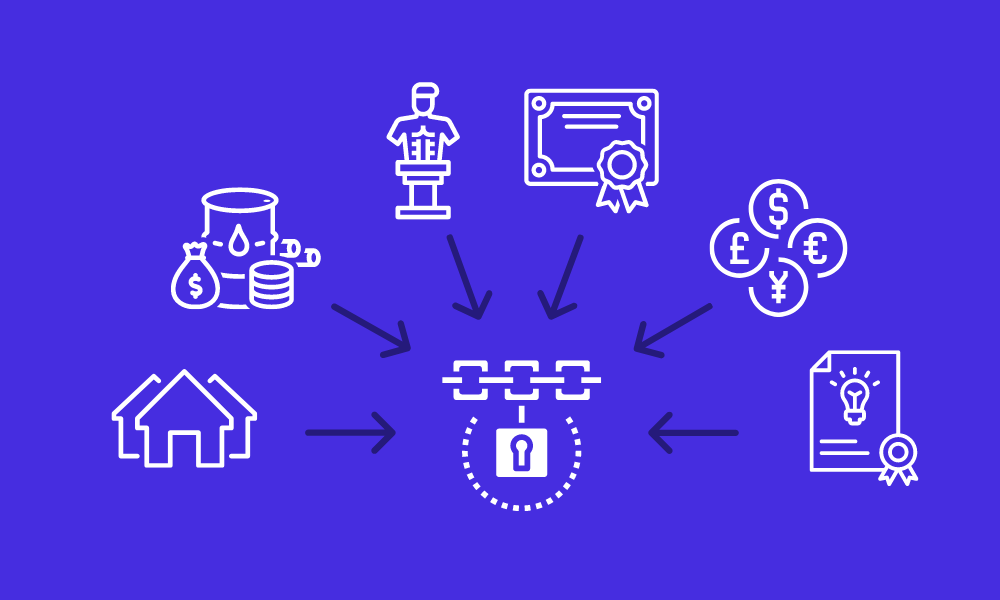
Asset Classes Being Tokenized
RWA ecosystems are expanding across multiple industries.
- Commercial real estate
- Private credit and loans
- Infrastructure projects
- Art and collectibles
- Commodities and energy assets
Almost any asset class may eventually become tokenizable.
Fractional Ownership and Accessibility
Tokenization significantly lowers barriers to investment participation.
- Smaller minimum investment sizes
- Global investor participation
- Increased market accessibility
- Democratized alternative investing
Previously inaccessible markets become more broadly investable.
Smart Contracts and Programmable Finance
Smart contracts automate ownership and financial operations.
- Automated dividend distributions
- Programmable compliance systems
- Real-time settlement infrastructure
- Tokenized governance mechanisms
Finance becomes increasingly software-driven.
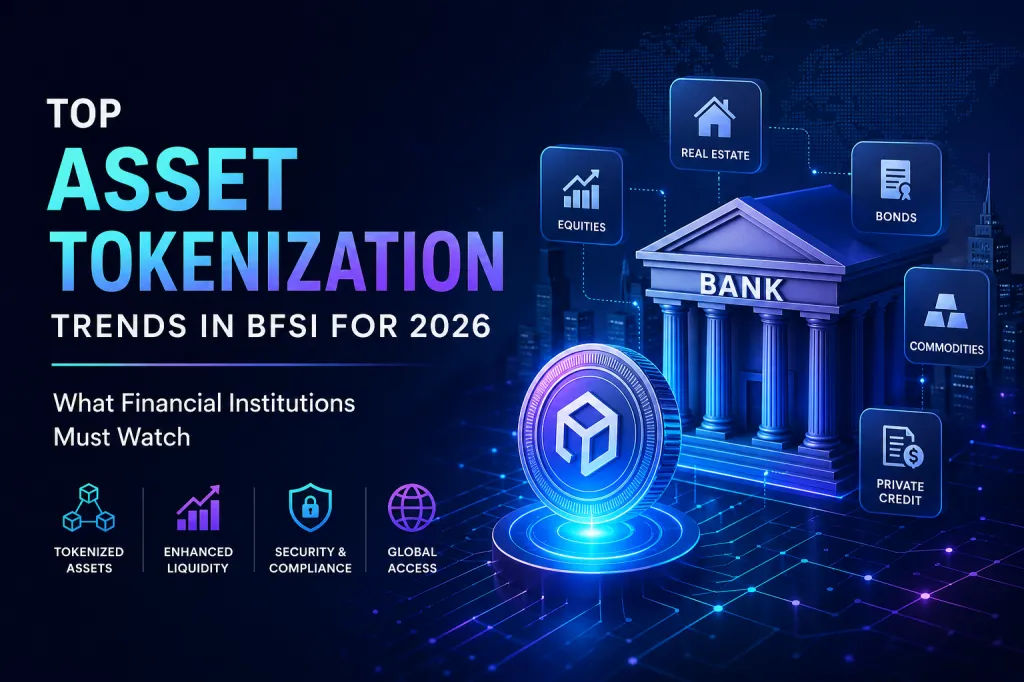
Benefits of RWA 2.0
- Enhanced liquidity for illiquid assets
- Faster settlement and transfer systems
- Improved transparency and traceability
- Global investment accessibility
- Operational efficiency improvements
These advantages are accelerating institutional adoption.
RWA 2.0 transforms ownership itself into programmable digital infrastructure capable of creating liquidity for assets once considered fundamentally illiquid.
Traditional Markets vs Tokenized Markets
- Traditional → Slow and fragmented ownership systems
- Tokenized → Real-time programmable asset markets
- Traditional → High capital entry barriers
- Tokenized → Fractional and global accessibility
This transition changes how capital markets operate.
Institutional Adoption of Tokenized Assets
Major institutions are increasingly entering tokenized finance ecosystems.
- Global banks
- Asset management firms
- Private equity groups
- Insurance companies
- Sovereign wealth funds
Institutional participation is accelerating rapidly.
Role of Stablecoins and Digital Payments
Stablecoins support liquidity and settlement within RWA ecosystems.
- On-chain payment systems
- Programmable settlement infrastructure
- 24/7 global transaction capabilities
- Cross-border financial interoperability
Digital money systems strengthen tokenized financial infrastructure.
AI and Tokenized Financial Ecosystems
Artificial intelligence increasingly supports tokenized markets.
- AI-driven asset valuation
- Automated risk monitoring
- Fraud detection systems
- Predictive liquidity modeling
AI improves scalability and operational intelligence.
Regulatory and Legal Challenges
Tokenized asset ecosystems face evolving legal and regulatory complexities.
- Digital ownership recognition
- Securities law compliance
- Cross-border regulatory fragmentation
- Investor protection requirements
Legal clarity remains critical for long-term adoption.
Risks and Limitations
Despite their potential, tokenized markets involve important risks.
- Cybersecurity vulnerabilities
- Smart contract risks
- Market liquidity fragmentation
- Regulatory uncertainty
- Asset valuation complexity
Strong governance and infrastructure remain essential.
Future of RWA 2.0 Ecosystems
The future financial system may become increasingly tokenized.
- Global tokenized exchanges
- AI-native financial markets
- Programmable ownership ecosystems
- Integrated digital asset infrastructure
Tokenization may redefine the future architecture of capital markets.
Economic and Strategic Implications
RWA 2.0 could reshape global finance and capital allocation systems.
- Expansion of alternative investment access
- Transformation of private market liquidity
- Acceleration of digital financial ecosystems
- Globalization of ownership structures
This transformation extends beyond finance into the future of economic participation itself.
Frequently Asked Questions
What are tokenized real-world assets (RWAs)?
Blockchain-based digital representations of physical or traditional financial assets.
What is RWA 2.0?
The institutional-scale evolution of tokenized asset ecosystems focused on liquidity, scalability, and regulated integration.
Why is tokenization important?
Because it improves liquidity, accessibility, transparency, and operational efficiency for traditionally illiquid assets.
Conclusion
Tokenized Real-World Assets (RWA) 2.0 represent one of the most important transformations in the future of finance, ownership, and capital markets. By converting traditionally illiquid assets into programmable digital financial instruments, tokenization creates new opportunities for liquidity, accessibility, operational efficiency, and global investment participation. As institutions, regulators, AI systems, and blockchain infrastructure continue to evolve, RWA ecosystems may become a foundational pillar of the next-generation digital financial economy.