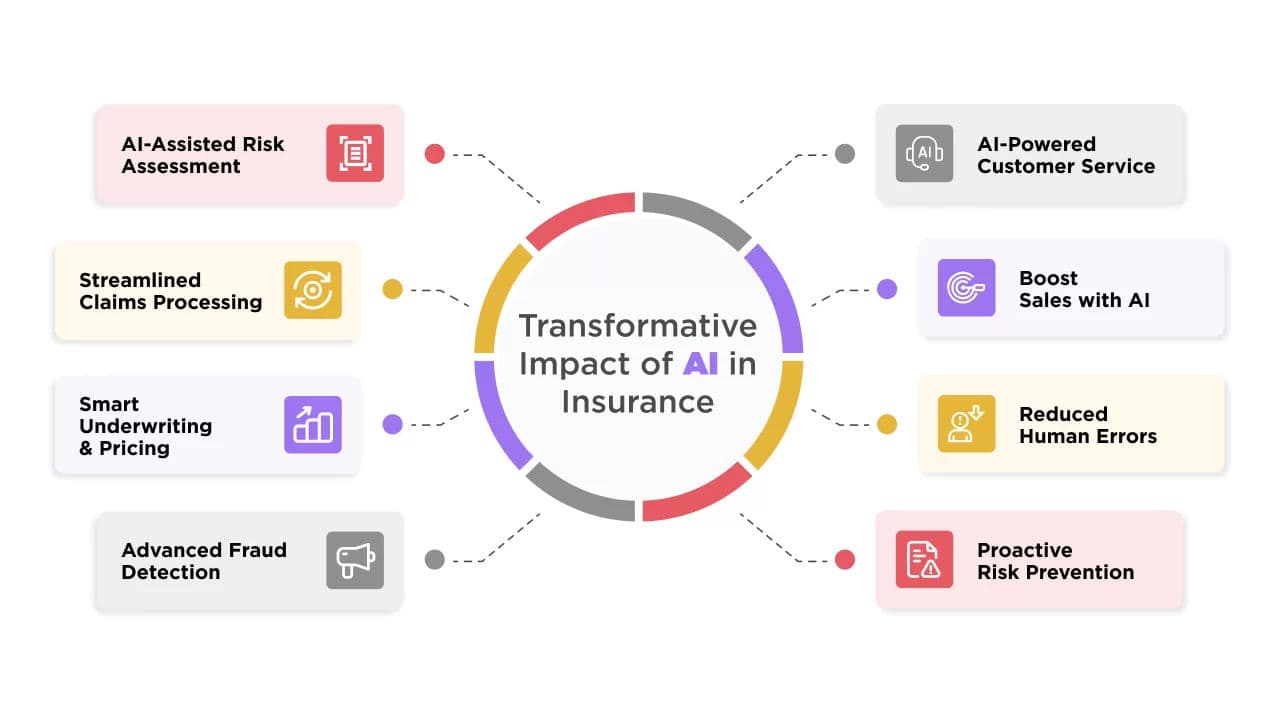
"Zero-Click" Insurance & Predictive Macro-Claims
The insurance industry is moving through one of its largest transformations since the introduction of digital underwriting. Historically, insurance has depended heavily on customer actions such as filling out applications, submitting documents, filing claims, and interacting with human agents. However, the convergence of artificial intelligence, real-time sensor networks, behavioral analytics, connected devices, and predictive modeling is creating a radically different insurance ecosystem.
In 2026, an emerging concept gaining attention is “Zero-Click Insurance” combined with “Predictive Macro-Claims.” Instead of requiring customers to manually initiate coverage events or submit claims, intelligent systems increasingly anticipate risks, detect incidents automatically, and initiate actions without direct user intervention.
This evolution could fundamentally transform the relationship between individuals, insurers, and risk management systems.
What Is Zero-Click Insurance?
Zero-Click Insurance refers to insurance systems where policy activation, risk assessment, incident detection, and claim processing occur automatically.
- Automatic event detection
- AI-driven policy management
- Real-time risk monitoring
- Autonomous claims processing
Insurance increasingly shifts from reactive service toward continuous background intelligence.
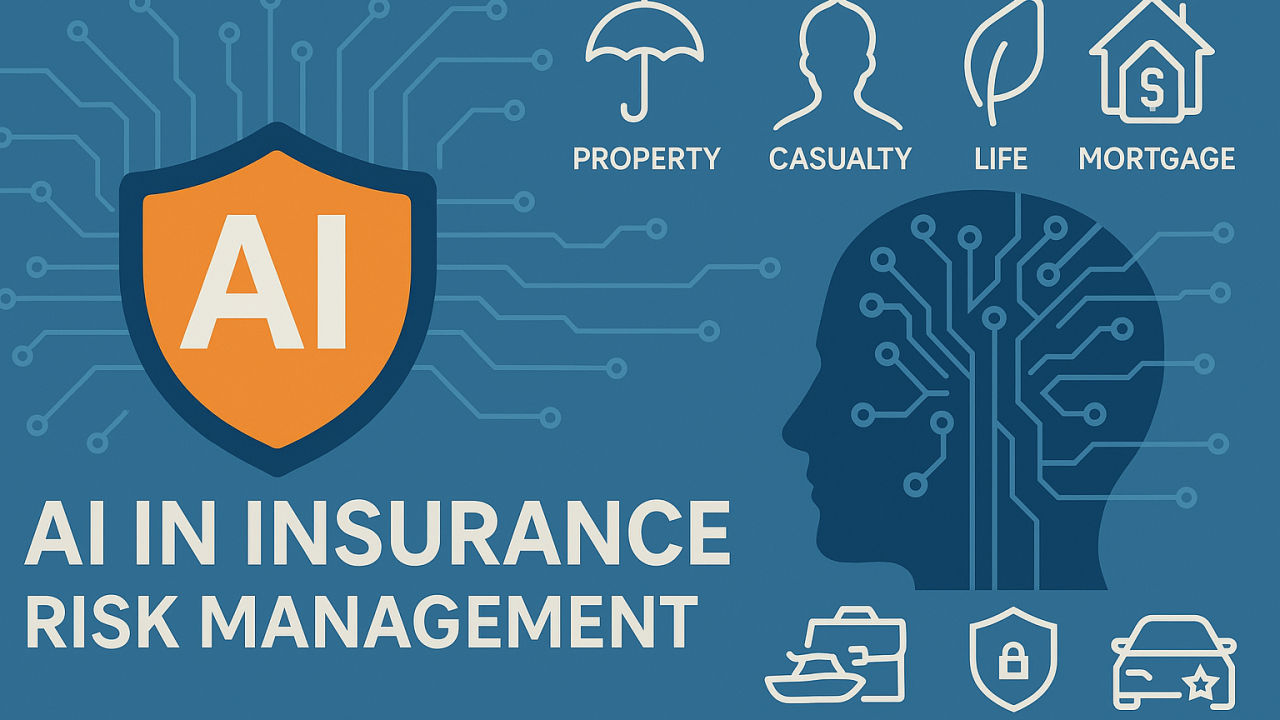
What Are Predictive Macro-Claims?
Predictive macro-claims are insurance events identified and initiated by large-scale predictive systems before widespread losses occur.
- Weather-event prediction
- Infrastructure risk forecasting
- Health trend detection
- Regional catastrophe intelligence
Claims increasingly become proactive rather than reactive.
Why Traditional Insurance Is Changing
Conventional insurance systems often involve delays and operational inefficiencies.
- Manual claims submission
- Large administrative costs
- Delayed payouts
- Fraud investigation complexity
- Limited real-time risk visibility
Insurers increasingly seek continuous risk intelligence.
How Zero-Click Insurance Works
Autonomous insurance systems combine real-time data with predictive decision models.
- Continuous data collection
- AI-driven risk evaluation
- Automated event verification
- Instant claim initiation and settlement
Insurance processes become increasingly invisible to customers.
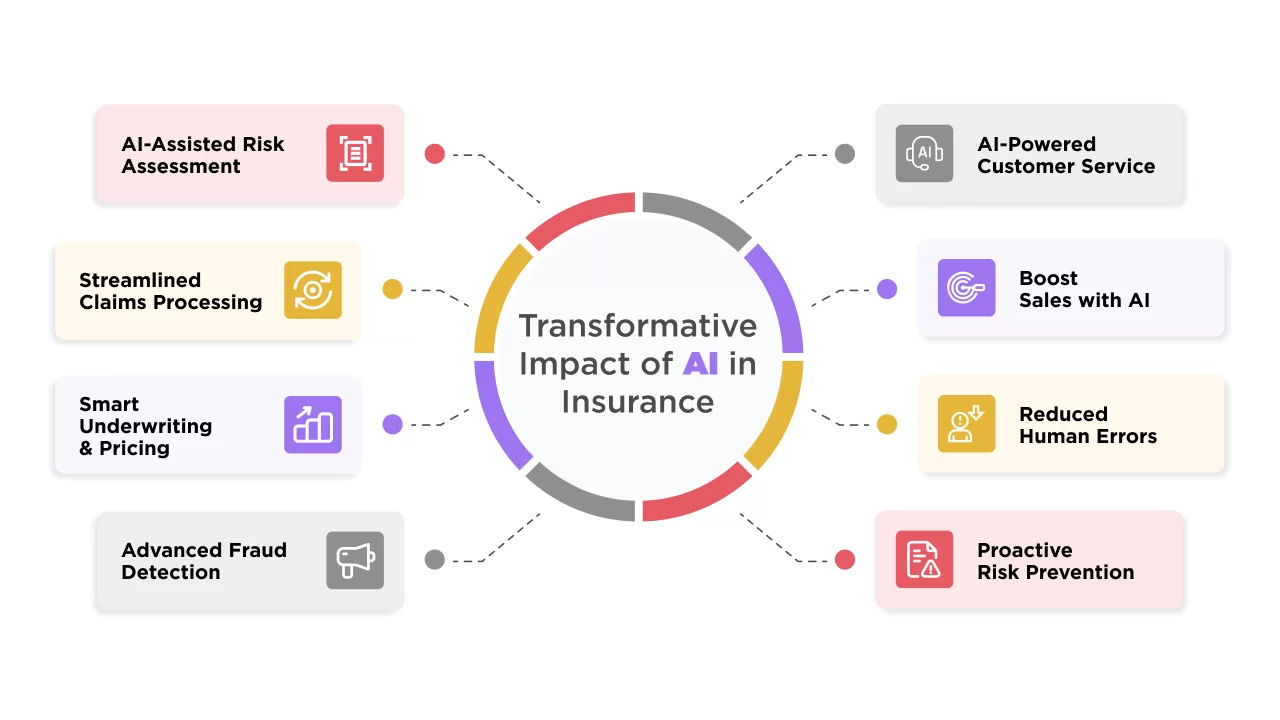
Technologies Driving Autonomous Insurance
- Artificial intelligence
- Internet of Things (IoT)
- Computer vision systems
- Predictive analytics
- Digital identity infrastructure
- Smart contract automation
These technologies collectively create intelligent insurance ecosystems.
Examples of Zero-Click Insurance
Autonomous insurance applications may appear across many sectors.
- Vehicles detecting collisions automatically
- Homes identifying water leakage risks
- Wearables detecting medical emergencies
- Travel systems recognizing delays and disruptions
Risk events increasingly trigger automatic responses.
Benefits of Predictive Claims Systems
- Faster settlements
- Lower administrative costs
- Reduced fraud exposure
- Improved customer experiences
- Enhanced risk prediction capabilities
Automation can significantly improve insurance efficiency.
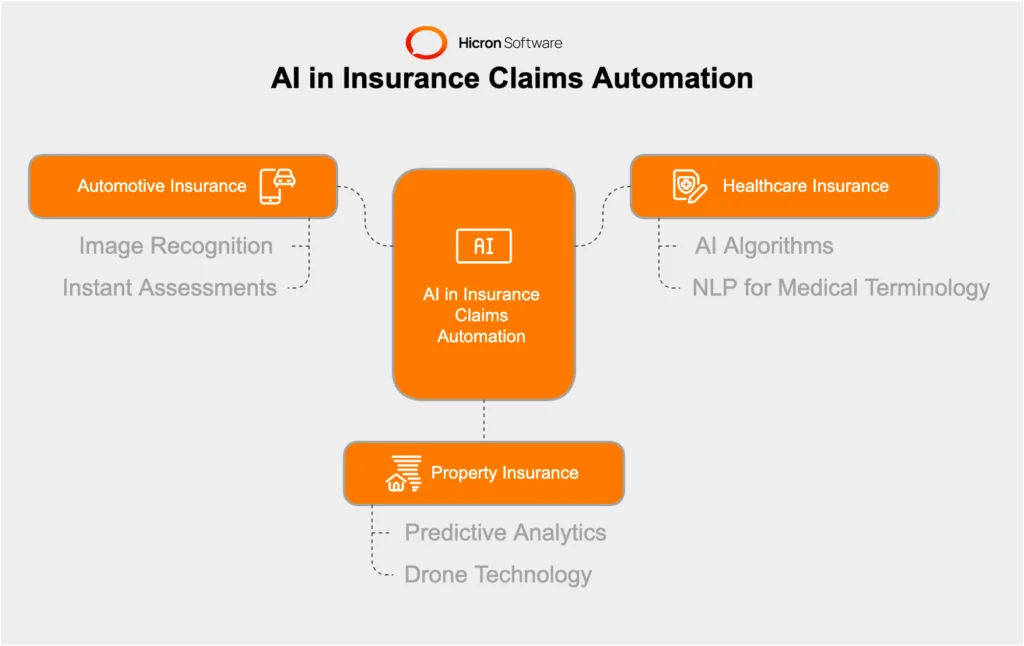
Zero-click insurance transforms insurance from a claim-processing business into a continuous prediction and prevention ecosystem.
Traditional Insurance vs Zero-Click Insurance
- Traditional → Customer initiates claims
- Zero-Click → Systems initiate actions automatically
- Traditional → Reactive event processing
- Zero-Click → Continuous predictive monitoring
This changes the operational model of insurance itself.
AI and Risk Intelligence
Artificial intelligence increasingly powers insurance decision systems.
- Behavioral pattern analysis
- Predictive catastrophe modeling
- Fraud detection systems
- Adaptive underwriting models
AI enables large-scale predictive capabilities.
Macro-Risk Forecasting
Insurers increasingly monitor broad environmental and economic risks.
- Climate event prediction
- Disease outbreak monitoring
- Infrastructure stress analysis
- Supply chain disruption forecasting
Insurance shifts toward ecosystem-level risk intelligence.
Privacy and Ethical Challenges
Continuous monitoring systems raise significant concerns.
- Data privacy risks
- Behavioral surveillance concerns
- Algorithmic bias
- Consent and ownership questions
- Transparency challenges
Trust becomes a critical factor in adoption.
Regulatory Considerations
Insurance regulators increasingly examine AI-based systems.
- Automated decision transparency
- Data governance rules
- Consumer protection standards
- Algorithm accountability requirements
Regulatory frameworks continue evolving.
Future of Autonomous Insurance
The future insurance ecosystem may become highly predictive and proactive.
- AI-native insurance platforms
- Continuous risk optimization
- Autonomous financial protection systems
- Integrated smart ecosystem coverage
Insurance may increasingly become invisible infrastructure.
Economic and Strategic Implications
The rise of predictive insurance systems could reshape global risk management.
- Transformation of insurance economics
- Reduced claims-processing overhead
- Expansion of insurtech ecosystems
- Evolution from compensation toward prevention
This transition could fundamentally redefine the role of insurance in society.
Frequently Asked Questions
What is Zero-Click Insurance?
An insurance system where AI automatically detects incidents and processes claims without manual user actions.
What are Predictive Macro-Claims?
Claims initiated using large-scale predictive systems that anticipate risks before losses become widespread.
Why is this important?
Because it could significantly reduce delays, lower costs, and improve customer experiences through proactive risk management.
Conclusion
Zero-Click Insurance and Predictive Macro-Claims represent a major evolution in the insurance industry where AI, predictive analytics, and connected systems transform insurance from a reactive compensation model into a proactive risk-intelligence platform. While this shift promises improved efficiency and more personalized protection, it also introduces complex questions regarding privacy, governance, trust, and the future balance between automation and human oversight.