Zero-Knowledge Proofs (ZKP) in Lending
The lending industry is undergoing a major transformation as digital identity systems, privacy technologies, decentralized finance (DeFi), and artificial intelligence reshape how borrowers and lenders interact. Traditional lending systems often require customers to disclose large amounts of sensitive information including income records, bank statements, employment details, identity documents, tax information, and credit histories.
In 2026, one of the most promising technologies for balancing trust and privacy is the use of Zero-Knowledge Proofs (ZKPs) in lending. Instead of revealing sensitive personal data directly, ZKPs allow individuals to prove that specific conditions are true without exposing the underlying information itself.
This technology may fundamentally change financial privacy, digital identity verification, and trust infrastructure in the future lending ecosystem.
What Are Zero-Knowledge Proofs?
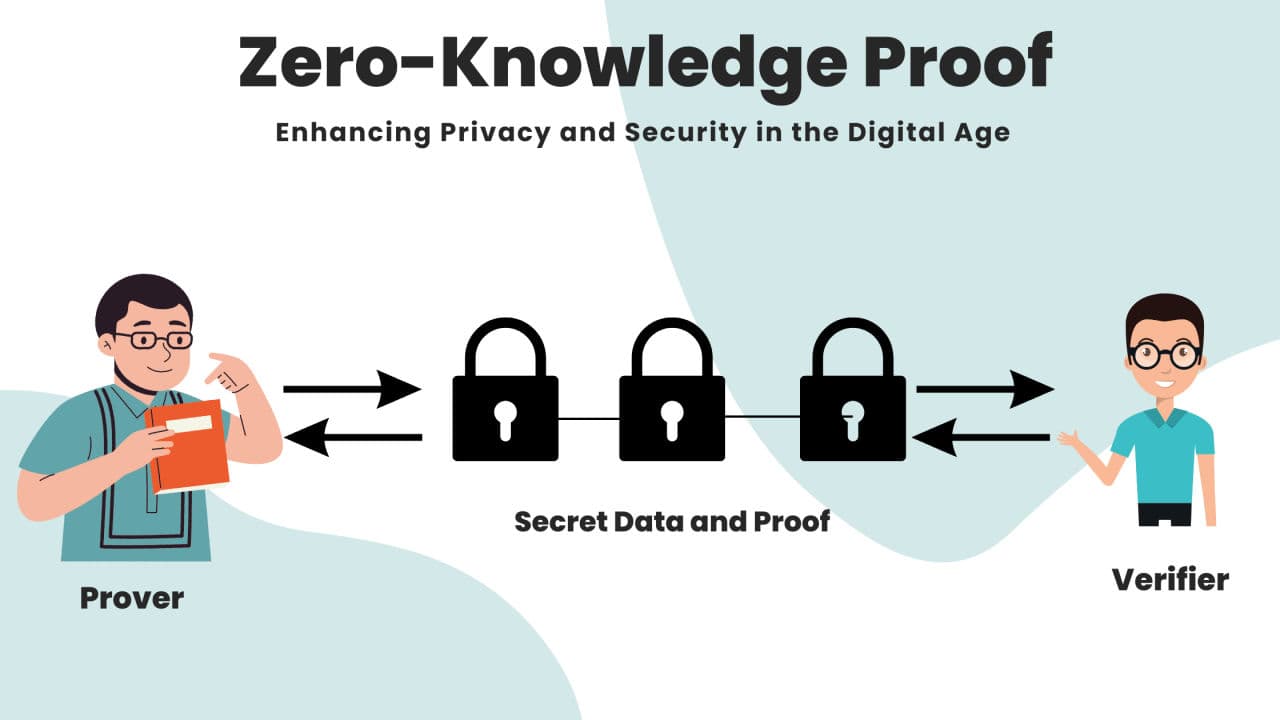
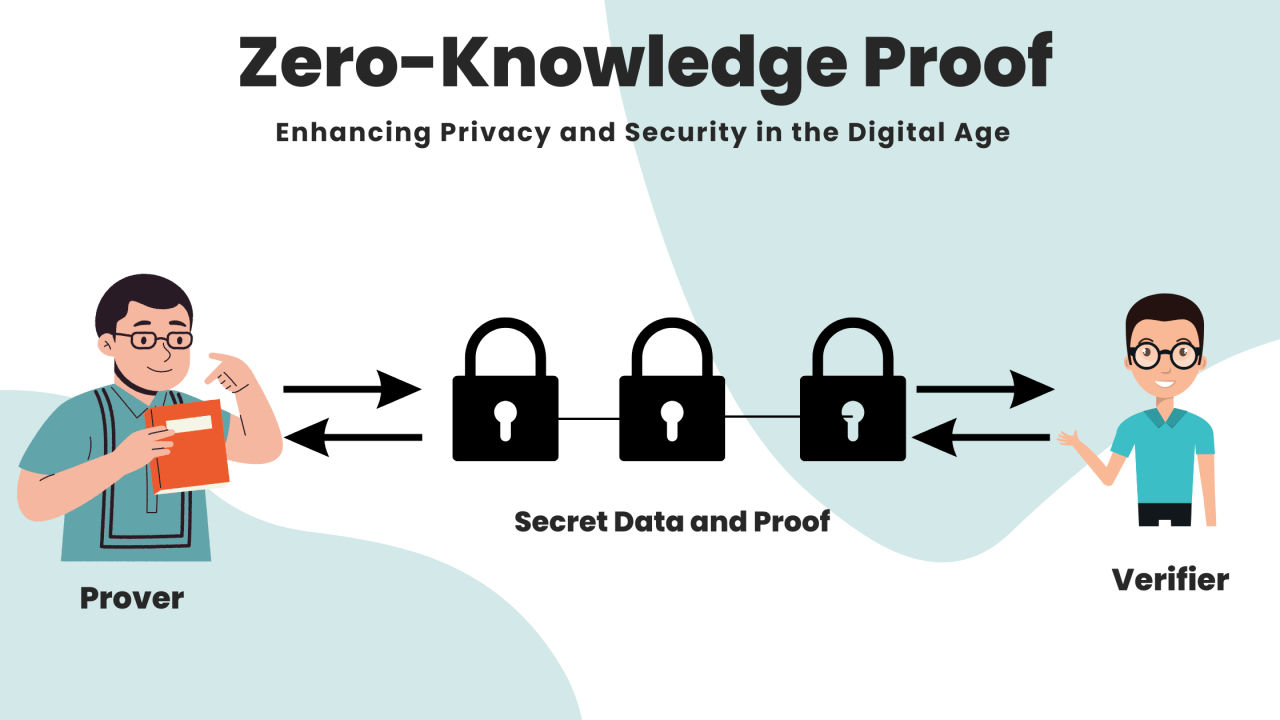
Zero-Knowledge Proofs are cryptographic methods that enable one party to prove a statement is true without revealing the underlying data.
- Privacy-preserving verification
- Cryptographic trust systems
- Selective information disclosure
- Mathematical proof mechanisms
Trust is established without exposing confidential information.
Why Traditional Lending Creates Privacy Challenges
Traditional lending systems require extensive disclosure of personal financial data.
- Income verification documents
- Employment information
- Credit history reports
- Bank account data
- Identity records
Large-scale data sharing increases privacy and security risks.
How ZKPs Work in Lending
ZKP systems allow borrowers to prove financial qualifications without revealing sensitive details.
- Proof of minimum income thresholds
- Creditworthiness verification
- Debt-to-income qualification checks
- Identity confirmation systems
Lenders verify eligibility without viewing the underlying data.
Example Scenario
Instead of submitting complete financial records, a borrower could provide:
- Proof that annual income exceeds a required amount
- Proof that debt remains below a specified threshold
- Proof of legal age and identity validity
- Proof of credit eligibility requirements
The lender receives verification without accessing private financial details.

Core Technologies Behind ZKP Lending
- Cryptographic proof systems
- Blockchain infrastructure
- Decentralized identity frameworks
- Smart contracts
- Secure computation systems
These technologies create privacy-preserving trust systems.
Applications in Financial Services
ZKP systems extend beyond lending into broader financial ecosystems.
- Mortgage qualification systems
- Consumer credit underwriting
- Identity verification platforms
- Fraud prevention systems
- KYC and AML processes
Privacy-enhancing infrastructure is expanding rapidly.
Benefits of ZKP Lending
- Enhanced financial privacy
- Reduced identity theft risk
- Lower data storage requirements
- Improved security architecture
- Greater user control over information
Privacy and trust become complementary rather than competing objectives.
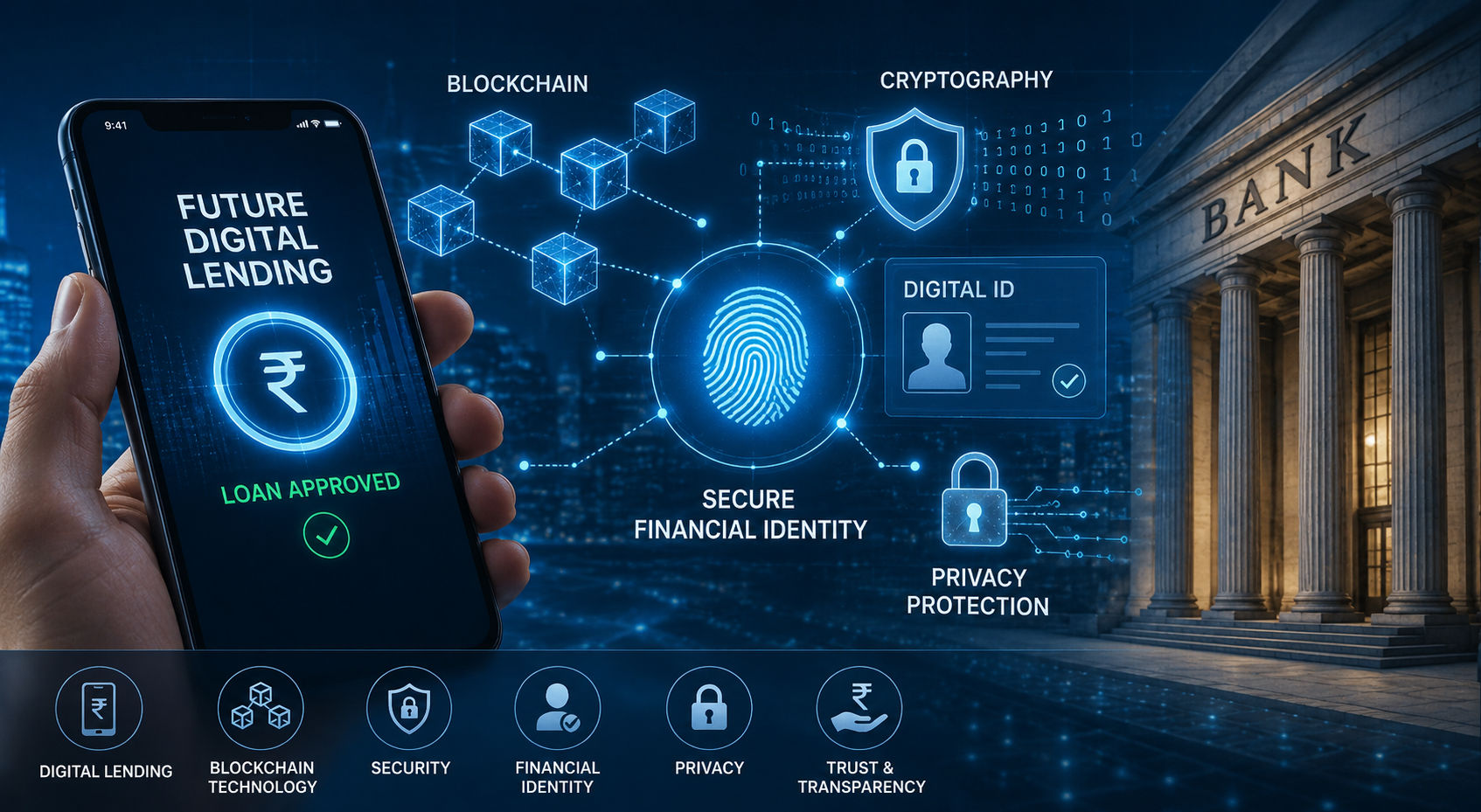
Zero-Knowledge Proofs redefine financial trust by allowing individuals to prove eligibility without surrendering ownership of personal information.
Traditional Lending vs ZKP Lending
- Traditional → Extensive disclosure of personal data
- ZKP Lending → Minimal disclosure with cryptographic proof
- Traditional → Centralized storage of sensitive information
- ZKP Lending → Privacy-preserving verification systems
This changes the architecture of trust in financial systems.
Role in Decentralized Finance (DeFi)
ZKPs are increasingly important within decentralized financial ecosystems.
- Private lending protocols
- Anonymous borrowing systems
- On-chain identity verification
- Programmable compliance systems
Privacy and decentralization increasingly intersect.
AI and Intelligent Lending Systems
Artificial intelligence can enhance ZKP-based lending infrastructure.
- Risk prediction models
- Fraud detection systems
- Adaptive credit evaluation
- Automated underwriting systems
AI enables scalable and intelligent financial decision-making.
Regulatory Considerations
Privacy-preserving finance introduces new regulatory questions.
- Anti-money laundering requirements
- Know-your-customer obligations
- Cross-border financial regulations
- Consumer protection standards
Regulators must balance privacy with accountability.
Challenges and Limitations
Despite their promise, ZKP systems face several challenges.
- High computational complexity
- Scalability constraints
- Implementation costs
- Limited standardization
- Regulatory uncertainty
Adoption requires improvements in infrastructure and interoperability.
Future of ZKP-Based Lending
The future financial ecosystem may increasingly rely on privacy-preserving technologies.
- Self-sovereign identity systems
- AI-powered lending automation
- Privacy-first digital banking
- Programmable trust infrastructures
Financial systems may become both more secure and more privacy-centered.
Economic and Strategic Implications
ZKP lending could reshape trust and information exchange across global finance.
- Reduced systemic privacy risks
- Expansion of digital financial inclusion
- Transformation of identity systems
- Improved cybersecurity resilience
This evolution extends beyond lending into the broader future of digital trust infrastructure.
Frequently Asked Questions
What are Zero-Knowledge Proofs?
Cryptographic methods that allow someone to prove a statement is true without revealing the underlying data.
How are ZKPs used in lending?
They allow borrowers to prove eligibility requirements such as income or creditworthiness without disclosing sensitive financial information.
Why are ZKPs important?
They improve privacy, reduce data exposure risks, and create more secure trust systems.
Conclusion
Zero-Knowledge Proofs in lending represent a major advancement in the evolution of privacy-preserving financial systems. By enabling borrowers to prove financial eligibility without exposing personal information, ZKPs may fundamentally redefine trust, identity verification, and credit assessment. As blockchain infrastructure, AI systems, and decentralized identity technologies continue to evolve, privacy-first lending ecosystems could become a core pillar of next-generation financial architecture.