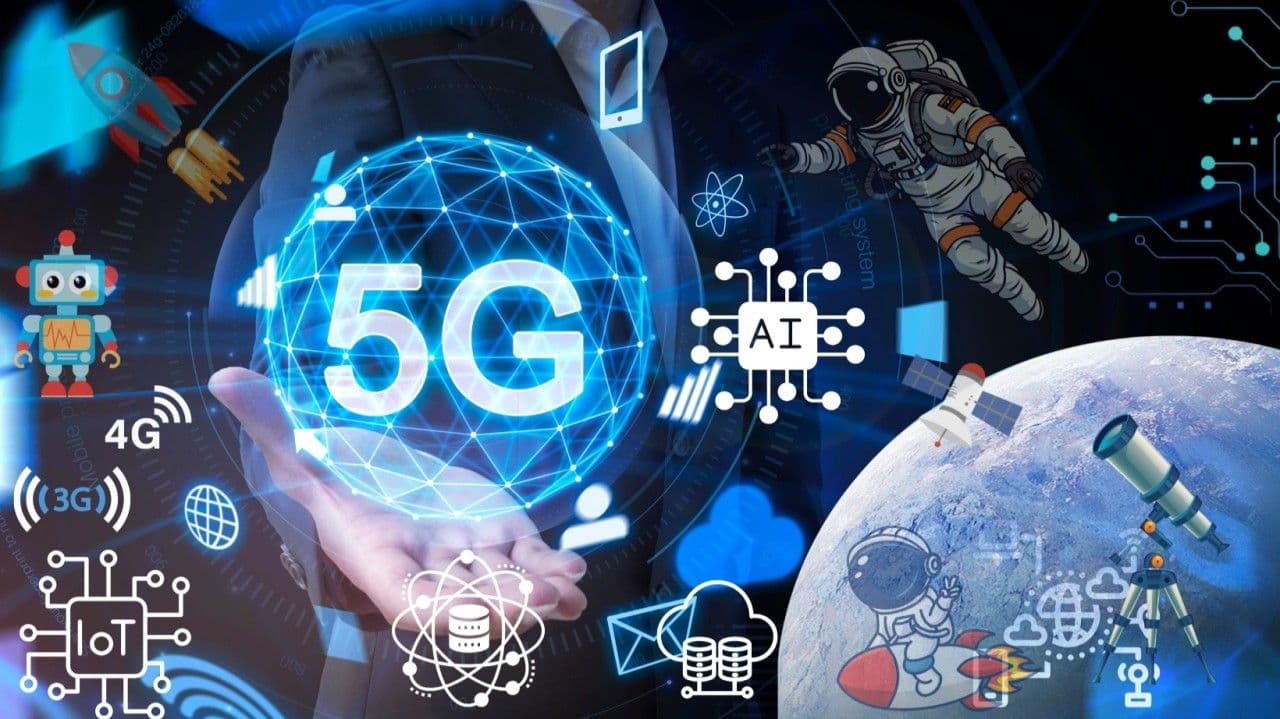
Internet of Things (IoT)
The Internet of Things (IoT) is one of the most transformative technologies of the modern digital era. It refers to the network of interconnected devices that communicate and exchange data over the internet without requiring direct human intervention.
From smart homes and wearable devices to industrial automation and smart cities, IoT is revolutionizing how we interact with technology. It is making systems more efficient, intelligent, and responsive by enabling real-time data collection and analysis.
Understanding IoT is essential for businesses, students, and professionals as it continues to shape the future of technology and connectivity.
What Is IoT?
The Internet of Things (IoT) refers to a network of physical devices embedded with sensors, software, and connectivity that enable them to collect and exchange data.
- Connected devices
- Real-time data exchange
- Automation and control
- Minimal human intervention
IoT enables seamless communication between devices.
How IoT Works
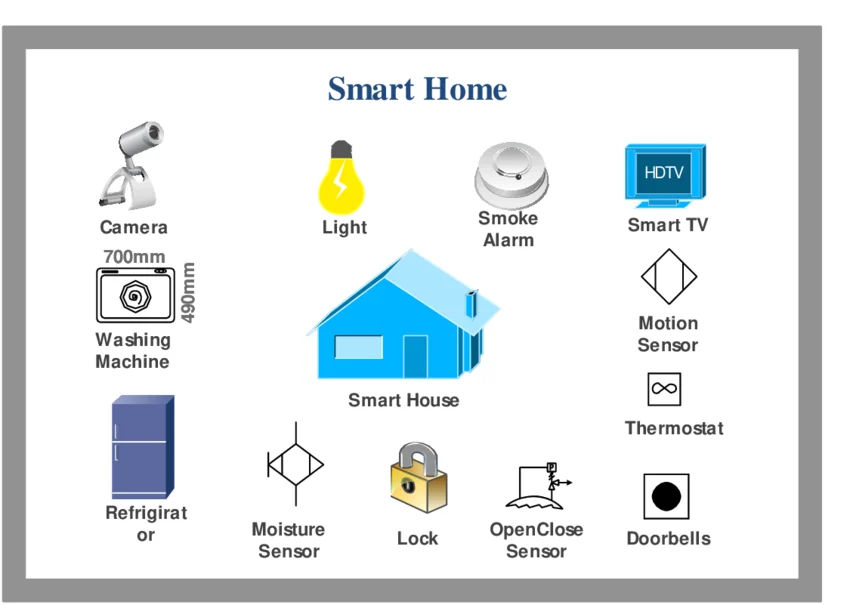
IoT systems operate through a combination of devices, connectivity, and data processing.
- Sensors collect data
- Devices transmit data via internet
- Cloud platforms process data
- Systems act based on insights
This process enables automation and intelligent decision-making.
Components of IoT
- Devices/Sensors: Collect data
- Connectivity: Internet or network
- Data Processing: Cloud or edge computing
- User Interface: Apps or dashboards
These components work together to create IoT systems.
Applications of IoT
IoT is widely used across various industries.
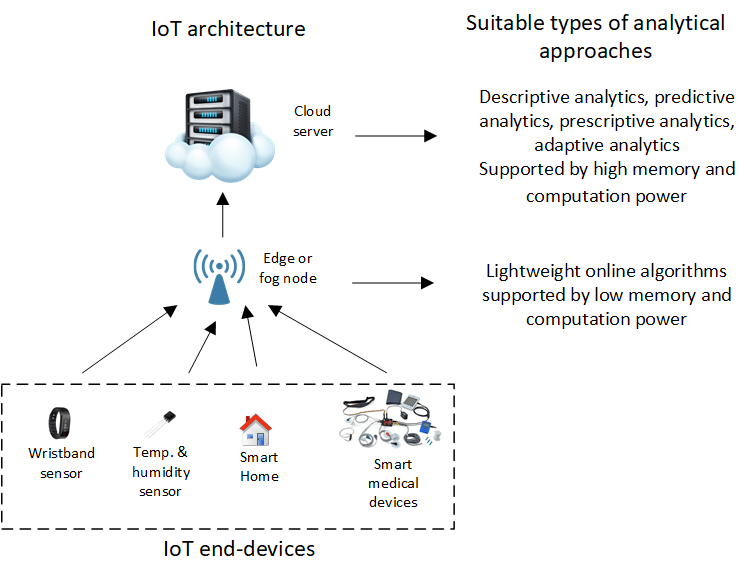
- Smart homes (automation, security)
- Healthcare (remote monitoring)
- Agriculture (smart farming)
- Manufacturing (industrial IoT)
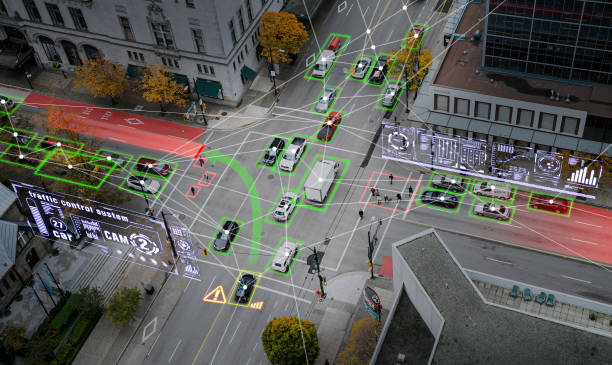
- Transportation (smart vehicles)
Its applications are expanding rapidly.
Benefits of IoT
- Increased efficiency
- Cost savings
- Real-time monitoring
- Improved decision-making
These benefits drive adoption across industries.
Challenges of IoT
- Security risks
- Data privacy concerns
- High implementation cost
- Complexity in integration
Addressing these challenges is essential for success.
IoT vs Traditional Systems
- Traditional → Manual operations
- IoT → Automated systems
- Traditional → Limited data
- IoT → Real-time data
IoT represents a major technological advancement.
The Internet of Things connects the physical and digital worlds, enabling smarter living and more efficient systems.
Future of IoT
The future of IoT is driven by advancements in technology and connectivity.
- Integration with AI and ML
- Growth of smart cities
- Expansion of industrial IoT
- 5G-enabled connectivity
IoT will continue to transform industries and daily life.
Role in Digital Transformation
IoT plays a key role in digital transformation by enabling automation and data-driven decision-making.
- Enhances productivity
- Improves efficiency
- Drives innovation
It is essential for modern businesses.
Frequently Asked Questions
What is IoT?
It is a network of connected devices that exchange data.
Where is IoT used?
Smart homes, healthcare, agriculture, and industries.
Is IoT secure?
It can be secure with proper measures and protocols.
Conclusion
The Internet of Things is transforming the way we live and work by connecting devices and enabling intelligent systems. From smart homes to industrial automation, IoT is driving efficiency, innovation, and convenience. As technology continues to evolve, IoT will play an even greater role in shaping the future of connectivity and digital transformation.