sports

 sports
Rugby vs. American Football: The Ultimate Breakdown of Strategy, Impact, and Flowv
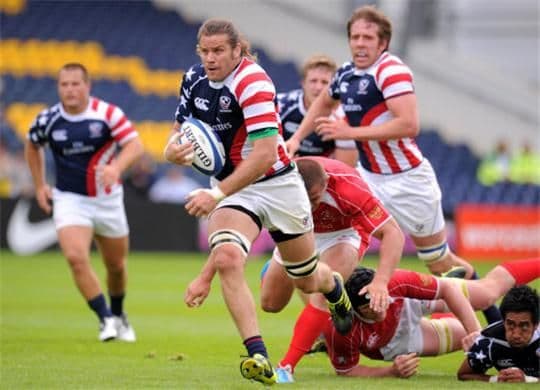
Rugby & American Football: The Global Dynamics of High-Impact Gridirons and Pitch BattlesIn the global landscape of modern sports entertainment, few phenomena capture the raw intensity, collective tribalism, and physical brilliance of athletic competition quite like rugby and American football. Collectively commanding an ecosystem of over 400 million fiercely loyal fans, these two dominant contact sports represent a fascinating study in evolutionary divergence. Emerging from shared historical roots in the 19th-century British school system, they have grown into vastly different spectacles. One has become an open, continuous battle of attrition played across global hemispheres; the other, an ultra-specialized, highly commercialized chess match of yardage and inches that paralyzes North America every autumn.While sports like association football (soccer) boast a wider, more homogenous global spread, rugby and American football thrive on intense, localized regions of massive, passionate viewership. The National Football League (NFL) stands as an unrivaled economic titan within the United States, commanding television ratings and commercial valuations that outstrip entire multi-national sports federations. Conversely, rugby union and rugby league have established deep, unbreakable cultural foundations across Western Europe, Oceania, and Southern Africa. This comprehensive exploration delves deep into the tactical complexities, historical transformations, physical profiles, commercial engines, and socio-cultural impacts that define these high-impact domains.Historical Genesis: The Fracturing of the Oval-Ball FamilyThe lineage of both sports traces back to a legendary, albeit partially mythologized, moment in 1823 at Rugby School in Warwickshire, England, where a young student named William Webb Ellis allegedly picked up a soccer ball and ran with it. This act of defiance laid the groundwork for Rugby Football. As the game formalized under the Rugby Football Union (RFU) in 1871, it spread rapidly across the British Empire, carried by soldiers, merchants, and academics to the shores of Australia, New Zealand, South Africa, and North America.When the game crossed the Atlantic to American universities like Harvard, Yale, and Princeton in the late 19th century, it underwent a series of radical structural mutations. The foundational architect of American football, Walter Camp, introduced a series of rule changes that forever severed the sport from its English cousin. Camp replaced the chaotic, contested rugby "scrummage" with a sterile, uncontested "snap" from a line of scrimmage, creating the concept of downs and possession blocks.The most transformative divergence came in 1906. Driven by a safety crisis that saw multiple player fatalities due to brutal "mass-momentum" plays, President Theodore Roosevelt intervened, demanding the sport reform or face a federal ban. The resulting committee legalized the forward pass—a concept entirely alien to rugby's strict backward-passing ethos. This single innovation transformed American football from a dense scrum of bodies into a wide-open game of spatial orchestration, speed, and verticality, setting it on a trajectory toward the multi-billion-dollar modern spectacle we witness today.Tactical Frameworks: Spatial Chess vs. Continuous Phase PlayThe core operational philosophies of both sports govern how space is weaponized, how territory is conquered, and how strategic intent is executed. American football is fundamentally a game of discrete, highly choreographed episodes. Every single play is a distinct corporate enterprise requiring 11 players to execute highly specific assignments with microscopic precision. The offensive unit relies on a complex playbook that can contain hundreds of unique formations and route trees.The quarterback serves as the ultimate on-field general, deciphering defensive coverages (such as Cover 2, Cover 3, or man-to-man press) in a matter of seconds before launching a forward pass or handing off to a running back. The defense counters with intricate blitz packages and line-stunts designed to disrupt this timing. Because play stops completely after every tackle, incomplete pass, or boundary exit, coaches are able to orchestrate the game from the sidelines or press boxes, treating every down as a standalone tactical puzzle.Rugby, by contrast, is a sport governed by fluid, continuous phase play. Aside from set pieces like the scrum (where forwards bind together to contest possession) and the lineout (where players are hoisted into the air to catch a ball thrown from the sideline), the game relies on the organic reactivity of its players. When a player is tackled in rugby, the ball must be released immediately, triggering a "ruck" or a "maul" where both teams battle for possession over the breakdown.This continuous flow demands that rugby players possess elite aerobic conditioning and versatile skill sets. A rugby forward cannot simply be a blocker; they must be capable of catching, passing, running lines, and executing tackles in open space. The tactical genius of rugby lies not in pre-packaged play calls, but in a team’s ability to manipulate defensive lines over 10, 15, or 20 consecutive phases, slowly drawing defenders out of position until an overlap emerges for the backline to exploit.Statistical Breakdown of Structural VariationsTo understand how these contrasting operational philosophies manifest on the field, it is useful to analyze the structural, dimensional, and operational metrics that define the boundaries of both sports.Structural MetricAmerican Football (NFL)Rugby UnionMatch Duration60 Minutes (Divided into four 15-minute quarters)80 Minutes (Divided into two 40-minute halves)Players on Field11 players per team (Unlimited substitutions allowed)15 players per team (8 strategic substitutions allowed)Roster SpecializationExtreme (Separate Offensive, Defensive, and Special units)Hybrid (All players must execute offense and defense)Ball Progression LawsForward passing, lateral passing, hand-offs, rushingBackward passing only; forward progression via running or kickingScoring MechanicsTouchdown (6 pts), Extra Pt (1 pt), Field Goal (3 pts), Safety (2 pts)Try (5 pts), Conversion (2 pts), Penalty Goal (3 pts), Drop Goal (3 pts)Pitch Dimensions120 yards long (including end zones) x 53.3 yards wideMax 144 meters long x 70 meters wide"The fundamental difference is structural: American football is a war of specialized positions and territorial acquisitions executed in bursts, whereas rugby is a game of multi-disciplinary endurance and continuous asset retention under fluid pressure."The Anatomy of Impact: Protective Armor vs. Form-Tackle LawsThe physical collisions in both sports are legendary, yet they are executed under entirely different safety, bio-mechanical, and legal paradigms. American football players wear extensive protective armor, including polycarbonate helmets, heavy shoulder pads, thigh guards, and knee pads. While this armor shields athletes from lacerations and bone fractures, it creates a unique psychological phenomenon known as the "weaponization of protection."Because players feel safely encased in armor, they frequently launch themselves at opponents with extreme velocities, leading to devastating high-impact kinetic transfers. The sport has battled significant issues regarding head trauma and chronic traumatic encephalopathy (CTE), forcing rules committees to implement strict targeting bans, blindside block penalties, and evolving protocols to protect defenseless players.Rugby players, conversely, take the field with almost zero protective padding. Aside from optional light foam headgear (designed primarily to prevent cauliflower ear) and mouthguards, their bodies are exposed directly to the elements of impact. Paradoxically, this lack of armor acts as an organic safety valve. A rugby defender cannot safely use their head or body as a battering ram without inflicting immediate injury upon themselves.Furthermore, rugby laws govern tackling with extreme rigor. A legal rugby tackle requires the defender to explicitly wrap their arms around the ball-carrier; "shoulder charges" or launching oneself without arm engagement are strictly prohibited and met with immediate red cards. Tackling an opponent above the line of the armpits is severely penalized, and taking a player out in the air during a kick interception is treated as a major safety breach. Consequently, rugby technique emphasizes tracking angles, dropping low, hitting with the shoulder mantle, and driving through the thighs—a methodology so effective that many NFL teams have brought in rugby consultants to teach safer, more efficient tackling mechanics.Socio-Economic Profiles: The American Juggernaut vs. Global Commonwealth PassionsWhen examining fan demographics and financial realities, the divergence between these sports reflects deep socio-economic and cultural histories. American football is an economic super-entity tightly woven into the cultural fabric of the United States. It operates as an inverted pyramid, stretching from the hyper-local obsession of high school "Friday Night Lights" in states like Texas, through the massive, stadium-packing commercial engine of NCAA college football, up to the corporate zenith of the NFL.The NFL's media rights deals generate billions of dollars annually, transforming the Super Bowl into an international media, advertising, and musical phenomenon that eclipses traditional sporting boundaries. The league operates under a highly sophisticated salary cap and revenue-sharing model that guarantees competitive parity, turning every franchise into an insulated, highly profitable corporate empire.Rugby's footprint is completely different, organized around international test matches and club tournaments spanning the globe. Rugby Union was fiercely amateur for over a century, only legalizing professionalism in 1995. This legacy of amateurism deeply shaped its fanbase, creating a distinct, class-aligned culture in countries like England, where it historically flourished in elite private schools.However, in places like New Zealand, Wales, and South Africa, rugby is a foundational national religion that transcends class entirely, serving as a powerful vehicle for national identity and post-apartheid social reconciliation. The sport's pinnacle event, the Rugby World Cup, held every four years, ranks as one of the world's most-watched sporting events, drawing massive global audiences and generating extensive multi-national tourism revenues.Frequently Asked QuestionsWhy do American football players wear armor while rugby players do not?American football introduced hard helmets and pads following the legalization of the forward pass and mass-momentum plays, which created high-velocity, blindside impacts. In rugby, the laws require mandatory arm-wrapping during tackles and strictly ban high or blindside hits, making soft-tissue tracking and safe body-mechanics the primary methods of protection rather than hard armor.Which sport requires higher cardiovascular and aerobic endurance?Rugby demands significantly higher continuous aerobic endurance. A rugby match consists of two 40-minute halves with an active clock and continuous phase play, forcing athletes to run up to 7–9 kilometers per match while contesting breakdowns. American football relies on short, explosive bursts of maximum anaerobic power (typically lasting 4–6 seconds per play) separated by regular periods of rest and tactical resets.What are the main regional strongholds for both sports globally?American football is overwhelmingly concentrated in the United States and Canada, though international expansion games have built growing fanbases in Germany, the UK, and Mexico. Rugby boasts a deeply distributed international ecosystem, with Rugby Union dominating New Zealand, South Africa, Australia, England, France, Ireland, Wales, Scotland, Argentina, Japan, and Fiji, alongside a robust Rugby League presence in Australia and Northern England.Conclusion: Distinct Masterpieces of Modern AthleticismUltimately, declaring one sport superior to the other ignores the distinct tactical and physical achievements represented by both systems. American football remains an absolute marvel of specialized execution, strategic complexity, and explosive power—a modern gladiatorial spectacle that maximizes the limits of human velocity and corporate presentation. Rugby stands as a testament to fluid grace, collective resilience, and multi-disciplinary durability, preserving an old-school ethos of universal athletic capability and international sportsmanship across global boundaries.As both sports navigate the complex challenges of the 2020s—including player welfare, media fragmentation, and global expansion—their dedicated, localized fanbases continue to anchor them as essential pillars of modern sports culture. Whether watched under the neon lights of an American stadium or amid the singing crowds of a European pitch, both oval-ball traditions continue to showcase the incredible heights of human competitive passion.
 sports
The Undisputed King of Sports: Inside the Global Phenomenon of Football and Soccer
The Undisputed King of Sports: Inside the Global Phenomenon of Football and SoccerIn every corner of the planet, from the sun-drenched beaches of Rio de Janeiro to the rainy urban pitches of Manchester, a single shared passion unites humanity. Football—commonly referred to as soccer in North America—is not merely a game; it is a global dialect, a cultural anchor, and an economic juggernaut. With an estimated fan base exceeding 4 billion people, football commands a level of structural devotion, emotional investment, and cross-continental engagement that no other sport can replicate. It stands alone at the apex of human entertainment, weaving together billions of lives through the simple movement of a spherical ball across a patch of grass.The sheer scale of the sport is mirrored by its structural diversity. At the grassroots level, it requires nothing more than an improvised ball and two markers for goalposts, making it the most egalitarian and accessible game on Earth. At the elite level, it is a multi-billion-dollar matrix driven by historic domestic leagues, high-stakes continental club championships, and the ultimate international spectacle: the FIFA World Cup. As the 2026 edition of the World Cup unfolds across Canada, Mexico, and the United States, the sport is breaking narrative boundaries yet again, demonstrating why its global empire remains completely unassailable. The Anatomy of 4 Billion Fans: Why Football Rules the WorldTo comprehend the vastness of football’s empire, one must analyze the unique characteristics that allow it to capture the minds of half the human population. Unlike sports bounded by complex technical setups or expensive equipment barriers, football thrives on pure simplicity. The barrier to entry is virtually zero. This fundamental accessibility creates a natural pipeline of lifetime fans and elite talents from every socio-economic stratum across Europe, South America, Africa, Asia, and increasingly, North America.Furthermore, football serves as an instrument of national identity. When a domestic club or a national team takes the pitch, they carry the historical narratives, cultural pride, and collective hopes of their communities. The tribal loyalty passed down through generations transforms football clubs into sacred institutions. From the passionate, song-filled terraces of Argentina's La Bombonera to the pristine, ultra-modern arenas of the German Bundesliga, the stadium acts as a modern-day colosseum where collective destiny is forged over 90 minutes.The Elite Domestic Ecosystem: Major Leagues of the WorldWhile international tournaments capture global headlines, the day-to-day heartbeat of the sport belongs to the elite domestic club leagues. These leagues operate as self-sustaining entertainment empires, pulling in trillions of broadcast views and collecting the finest athletic talent from around the world.The English Premier League (EPL): Widely regarded as the most competitive and lucrative domestic competition on earth. Driven by immense television rights deals, iconic clubs like Manchester United, Liverpool, Manchester City, and Arsenal fight in a high-octane environment where any team can defeat any opponent on a given weekend.La Liga (Spain): The cradle of technical mastery and tactical elegance. Historically dominated by the fierce El Clásico rivalry between Real Madrid and FC Barcelona, La Liga combines rich footballing philosophy with global star power.Serie A (Italy): Renowned globally for its defensive masterclasses, tactical sophistication, and deep-rooted footballing heritage. Historic giants like Juventus, AC Milan, and Inter Milan form the core of this intensely physical and intellectual league.The Bundesliga (Germany): Celebrated for having the highest average stadium attendances in the world, pristine fan ownership models, and an explosive, heavy-pressing style of play pioneered by clubs like Bayern Munich and Borussia Dortmund.Ligue 1 (France): A premier breeding ground for world-class youth talent. Dominated in the modern era by Paris Saint-Germain (PSG), the league blends raw athletic power with Parisian flair.Bridging these domestic battlegrounds is the crown jewel of club football: the UEFA Champions League (UCL). This annual tournament pits the top-tier clubs from across Europe against each other in mid-week encounters that frequently rival international fixtures in viewership and prestige. Winning the iconic "Big Ears" trophy is considered the absolute pinnacle of achievement for any professional football club.The Peak of International Glory: The FIFA World Cup EraIf club football is the sport's weekly engine, the FIFA World Cup is its ultimate coronation. Held once every four years, the World Cup transcends conventional sporting boundaries to become a temporary focal point for all human civilization. For one month, regular life slows down across continents as billions tune in simultaneously to witness their nations compete on the grandest stage.The 2026 FIFA World Cup represents a monumental evolution in the tournament's storied history. For the first time, the competition features an expanded field of 48 teams, moving away from the traditional 32-team format that stood for nearly three decades. This expansion opens the doors for emerging footballing nations across Africa, Asia, and the Americas, bringing a multi-cultural festival of 104 matches across 16 iconic host cities in Canada, Mexico, and the United States.As the tournament progresses through its highly competitive knockout phase, established heavyweights like Brazil, Germany, France, Spain, and reigning champions Argentina face fierce, unpredictable challenges from rising powers. The implementation of the 48-team framework has intensified the dramatic stakes, proving that the gap between traditional powerhouses and the rest of the world is rapidly closing.Statistical Architecture of Global FootballThe global governance, financial influence, and competitive metrics of professional football can be mapped through clear structural data. The tables below outline the key performance indicators, revenue streams, and demographic metrics that validate football's absolute dominance.League / EntityEstimated Global Fan BasePrimary Tactical StyleKey Financial DriverEnglish Premier League1.2 BillionHigh-tempo, Direct, PhysicalGlobal TV Broadcast RightsLa Liga (Spain)800 MillionTechnical, Possession-based (Tiki-Taka)Commercial Sponsorships & MerchandisingBundesliga (Germany)500 MillionGegenpressing, Transition-heavyDomestic Matchday Revenue & Fan OwnershipSerie A (Italy)400 MillionRigid Defensive Formations, Counter-attackCorporate Investment & TV ContractsFIFA World Cup (Tournament)4.0+ BillionDiverse Global/Continental PhilosophiesGlobal Licensing, Hospitality & Media RightsTo understand the historical supremacy within international football, we can examine the distribution of the prestigious FIFA World Cup trophy since the tournament's inception in 1930. The following table highlights the elite nations that have successfully conquered the world.National TeamWorld Cup TitlesWinning YearsHistorical Footballing IdentityBrazil51958, 1962, 1970, 1994, 2002Joga Bonito (The Beautiful Game), Creative FlairGermany41954, 1974, 1990, 2014Tactical Discipline, Efficient Structure, Team CohesionItaly41934, 1938, 1982, 2006Catenaccio, Intellectual Defense, Clinical ExecutionArgentina31978, 1986, 2022Individual Genius, Intense Passion, Fluid AttacksFrance21998, 2018Athletic Power, Dynamic Transitions, Balanced PhilosophyUruguay21930, 1950Garra Charrúa (Fierce Grit), Defensive DefianceEngland11966Traditional Formations, Set-Piece Excellence, Direct PlaySpain12010Midfield Orchestration, Continuous Passing, Positional DominanceTactical Evolutions: How the Game is ManagedThe rulebook of football has remained largely unchanged for over a century, yet the internal tactical canvas of the sport evolves continuously. Managers operate as corporate strategists, utilizing big data, positional heatmaps, and advanced sports science to gain minute competitive advantages over their rivals.In the mid-20th century, tactical landscapes were defined by rigid structures like the classic English 4-4-2 or the Italian Catenaccio (door-bolt) system, which prioritized airtight defensive numbers above all else. This was revolutionized by the Dutch philosophy of Total Football in the 1970s, pioneered by visionary manager Rinus Michels and legendary player Johan Cruyff. Under Total Football, any outfield player could seamlessly take over the role of any teammate, creating a highly fluid, dynamic, and unpredictable attacking matrix.In the modern era, this philosophy expanded into two dominant systems: Pep Guardiola's possession-oriented Tiki-Taka, which uses rapid, short passes to exhaust opponent defensive blocks, and Jurgen Klopp's high-intensity Gegenpressing (counter-pressing), which demands that players immediately win back the ball within seconds of losing it in the attacking third. These sophisticated modern strategies demand unprecedented levels of physical fitness, cardiovascular endurance, and cognitive spatial awareness from contemporary professional athletes.The Economics of the Pitch: Financial Force and Transfer DynamicsBeneath the emotional highs of football lies a sprawling global financial economy. Elite football clubs operate as premium multinational brands, generating income through three main channels: matchday ticket sales, massive commercial sponsorships, and lucrative television broadcasting rights. The financial muscle of the sport is most visibly illustrated during the bi-annual transfer windows, where clubs trade player contracts for astronomical figures.The modern transfer market completely redefined sports economics when Paris Saint-Germain triggered Neymar Jr.’s release clause for a record-shattering €222 million. Today, elite youth talents routinely command market values surpassing €100 million. This immense concentration of capital has led to the rise of multi-club ownership models and sparked intense debates regarding financial fair play regulations, sustainability, and competitive balance across global sports leagues.Comprehensive Global Football FAQTo further synthesize the structural dynamics of the world's most popular sport, here are authoritative answers to the most frequently asked questions regarding its systems and rules.Q: What is the exact size of a standard professional football pitch?A: According to official FIFA regulations for international matches, the length of a football pitch must be between 100 and 110 meters (110–120 yards), and the width must be between 64 and 75 meters (70–80 yards). The field must be perfectly rectangular and covered completely in natural grass or approved hybrid surfaces.Q: How does the offside rule function in professional play?A: A player is caught in an offside position if they are nearer to the opponent's goal line than both the ball and the second-last opponent (including the goalkeeper) at the exact millisecond the ball is passed forward to them by a teammate. Being in an offside position is only penalized if the player becomes actively involved in the live play.Q: What is the purpose of the Video Assistant Referee (VAR) system?A: Introduced into the formal laws of the game to minimize human refereeing errors, VAR allows a remote team of officials to review television footage of major incidents. The system can only intervene in four specific, game-changing scenarios: clear goals or non-goals, direct red card incidents, mistaken identity penalties, and direct penalty kick decisions.Q: Why has the 2026 FIFA World Cup expanded to 48 teams?A: FIFA strategically expanded the tournament from 32 to 48 teams to increase global inclusivity, providing greater structural access to nations across Africa, Asia, and North America. This expansion ensures that more emerging football regions can participate in the revenue and developmental benefits generated by competing on the absolute grandest stage of human sports.As the beautiful game continues to evolve through technological integrations like VAR, financial expansions, and historic tournament updates, its core essence remains untouched. Football remains a beautifully simple sport that captures the human spirit like no other entity on earth. Its 4-billion-strong global empire is built on the shared joy of a perfect goal, the tactical brilliance of an elite coach, and the universal truth that for 90 minutes on a pitch, anything is possible.

Kidambi Srikanth Finishes Runner-Up at US Open 2026 After Intense Final Against Su Li-yang
US Open Badminton Championship 2026: Kidambi Srikanth Settles for Silver After Epic Summit Clash Against Su Li-yangThe landscape of international badminton witnessed a phenomenal display of endurance, legacy, and raw athletic prowess at the Titan Arena in Fullerton, California, during the final of the 2026 US Open Super 300 tournament. India's veteran maestro and former World No. 1, Kidambi Srikanth, saw his spectacular title run culminate in a hard-fought runner-up finish. In a physical battle that stretched across one hour and nine minutes of high-intensity exchanges, the 33-year-old silver medalist from the 2021 World Championships was ultimately forced to settle for a silver medal. He suffered a narrow yet definitive defeat at the hands of Chinese Taipei’s rising star, Su Li-yang, with a final scoreline reading 15-21, 21-16, 9-21.The match was a pristine manifestation of the generational and stylistic contrasts that make modern badminton a mesmerizing spectacle. Srikanth, armed with his legendary net magic, delicate cross-court blocks, and elegant court coverage, fought bravely to capture his first BWF World Tour title in years. On the other side of the net stood the 24-year-old Su Li-yang, a competitor nine years Srikanth's junior, whose relentless pace, devastating baseline smashes, and physical durability became the defining currencies of the deciding game. This monumental final not only highlighted the enduring brilliance of Srikanth’s strokeplay but also underscored the brutal physical demands of top-tier tournament schedules where veteran legs must survive five consecutive days of elite competitive attrition.As the dust settles on the California hardcourts, the tournament will be remembered not just for the final scoreboard, but as a critical, highly encouraging milestone in Srikanth’s calculated 2026 comeback season. Despite missing out on the gold, the Indian maestro proved to the global badminton community that his game remains entirely intact, his strategic acumen is as sharp as ever, and his presence on the world stage continues to evoke awe and respect from fans and neutrals alike.The Path to the Finals: An Ultimate Act of SportsmanshipSrikanth’s journey to the grand finale in Fullerton was nothing short of cinematic, characterized by grueling matches that tested both his physical reserves and his emotional composure. However, the defining moment of his tournament—and perhaps one of the most memorable moments of the entire 2026 BWF season—occurred during a high-stakes, nerve-wracking semifinal clash against Japan’s formidable Okimoto.In the closing stages of a titanic three-game semifinal on Saturday, a highly controversial baseline call threatened to derail the integrity of the match. The line judges made a glaringly incorrect call in Srikanth's favor. Despite heavy, visibly passionate protests from Okimoto and the Japanese coaching contingent, the technical officials on the court stubbornly refused to correct the error, standing firmly by their initial decision. The arena held its breath as a wave of tension swept across the court.It was at this precise junction that Kidambi Srikanth produced the ultimate testament to his character and sportsmanship. Rather than pocketing the unearned point and utilizing the administrative error to coast toward victory, the Indian veteran chose absolute integrity. He calmly walked up to the chair referee and explicitly conceded the point back to Okimoto, neutralizing the official error. This profound act of fair play drew an immediate, thunderous standing ovation from the Fullerton crowd and resonated deeply across global sports media. While the grueling match eventually went Srikanth’s way after an exhausting physical drain, the emotional and physical toll of that Titanic semifinal would linger heavily into Sunday’s summit clash.Game 1: Tactical Missteps and Su Li-yang’s Early DominanceWhen the final commenced on Sunday morning, the atmosphere inside the arena was electric. Chants of support fluctuated uniquely, blending enthusiastic local Telugu cheers with rhythmic Chinese phrases, creating a vibrant international backdrop for the two finalists. Srikanth, seeking to assert his veteran authority early, looked exceptionally quick off the blocks. His opening rallies were punctuated by calculated depth, trying to test Su’s defensive boundaries.However, the rhythm of the opening game faced an early disruption due to a rare and highly uncharacteristic technical infraction. During a rapid-fire, close-quarter net exchange, Srikanth’s racquet inadvertently crossed the plane of the net before the shuttle had passed over. The fault was promptly called by the service judge, a momentary lapse that seemed to completely break the Indian’s tactical concentration. Seizing the momentum, Su Li-yang unleashed a barrage of flat, deep drives that pushed Srikanth into defensive postures, forcing a string of unforced errors from the former World No. 1.Su rapidly opened up an imposing 7-2 lead, utilizing his towering frame to intercept Srikanth's clears. To his immense credit, Srikanth regrouped with the composure expected of a seasoned champion. Relying on thunderous down-the-line smashes, he managed to secure eight out of the subsequent eleven points, miraculously drawing level at 10-10. A brilliant sequence of fast-paced midcourt drives forced Su to smash wide, allowing Srikanth to claim a slender one-point advantage at the traditional mid-game interval.The respite of the interval, however, favored the younger Taiwanese player. Upon returning to the court, Su Li-yang immediately accelerated the tempo of the exchanges. Employing subtle deceptions from the rear court and executing sharp cross-court drops, Su systematically dissected Srikanth’s defensive positioning, racing ahead to a 17-12 lead. Srikanth attempted a late-game resurgence, executing a beautiful cross-court smash followed immediately by a delicate net tumble to claw the score back to 14-18. Yet, another wayward clear sent the shuttle agonizingly past the baseline, handing the initiative back to Chinese Taipei. Su earned six game points with a thunderous smash, and though Srikanth saved one with a brilliant defensive block, he sent the subsequent return long, allowing Su to secure the first game 21-15 in just 17 minutes.Game 2: The Resurgence of Net Magic and Tactical RealignmentRefusing to let the match slip away, Kidambi Srikanth staged a magnificent tactical response in the second game, transforming the court into a canvas for his signature artistic style. After a tense opening sequence where neither player yielded an inch, moving deadlocked to 4-4, Srikanth orchestrated a brilliant tactical shift. He reeled off three consecutive points to surge into a 7-4 lead, capping off an extended, multi-shot rally with a breathtaking cross-court block at the net that left Su completely stranded.Su responded with typical Taiwanese grit, forcing Srikanth to cover every square inch of the Fullerton court in a grueling defensive sequence to level the score at 8-8. Undeterred, Srikanth unveiled his finest weapon: his unparalleled net wizardry. A deft, deceptive backhand cross-court net shot fooled Su entirely, giving Srikanth a 10-8 cushion. He entered the mid-game interval with a comfortable three-point lead after Su sent an aggressive smash wide of the tramlines.Following the brief intermission, Su attempted to break Srikanth's rhythm with two explosive baseline rockets, but Srikanth’s exquisite touch at the net allowed him to successfully defend his margin, maintaining a steady 14-10 advantage. The tactical battle intensified as Su executed a flat, lightning-fast push into the deep corner, closing the deficit to 13-15 while Srikanth uncharacteristically sprayed two wide shots.Sensing the urgency of the moment, Srikanth reclaimed administrative control of the court. Moving with an elegance that made him look like he entirely owned the arena, he forced an error from Su to make it 18-13. Winning a fierce, flat-drive exchange at the net, the Indian ace secured seven game points at 20-13. Although a few loose points allowed Su to save three consecutive game points—unveiling minor cracks in Srikanth's closing composure—the Indian veteran clinched the game 21-16 with a spectacular, unstoppable down-the-line smash. The spectacular comeback sent the match into a highly anticipated deciding third game, delighting the raucous Indian contingent in the stands.Game 3: The Umpire Controversy and the Physical TollThe deciding game began under immense physical pressure, with the accumulated fatigue of the five-day tournament visibly weighing on the 33-year-old Indian. Su Li-yang, recognizing his physical advantage, came out firing with maximum aggression, executing a lightning-fast smash on the opening point and establishing a quick 4-1 lead. Su continuously injected greater pace into the rallies, pushing the tempo to an extraordinary level that systematically wore down Srikanth’s endurance. Despite alternating moments of sheer technical brilliance, Srikanth began committing costly errors, undoing his masterfully constructed rallies with loose shots into the net.A critical judgment error on the baseline by Srikanth allowed Su to walk into the mid-game interval with a commanding four-point lead at 11-7. It was at this specific juncture that the emotional turning point of the match occurred. Exhausted and heavily perspiring under the intense stadium lights, Srikanth delayed his mandatory change of shirt until the final seconds of the mid-set break.As he prepared to put on a fresh dry jersey, the chair umpire strictly intervened, refusing to grant permission for the clothing change on the grounds that the allocated break time had officially expired. The umpire sharply summoned Srikanth back to the court to resume immediate play. Taken completely aback and visibly upset by the rigid administrative decision, Srikanth's on-court composure suffered a devastating blow.From that 7-11 juncture, things unraveled at an alarming pace for the Indian legend. Visibly distracted and battling heavy depletion in his legs, Srikanth’s body language slumped dramatically. Su remained firmly locked in the zone, ruthlessly exploiting the shift in momentum. The younger player expanded his lead to 15-7 with a sequence of line-hugging winners and a devastating cross-court smash campaign. Srikanth managed to pull off one final, brilliant cross-court winner, but it proved to be a mere consolation. Su extended his lead to an unassailable 18-8, eventually earning twelve championship points. Following a final, exhausted return from Srikanth that landed wide of the court boundaries, Su Li-yang closed out the decider 21-9, capturing his maiden BWF World Tour title and leaving Srikanth with a highly respectable, hard-earned silver medal.Statistical Overview of the Championship ClashAn analytical review of the structural data from this classic encounter reveals the fine margins that dictate success in elite international badminton. The table below provides a detailed comparison of the key performance indicators across the three games, illustrating where the match was won and lost.Match Metrics & Key StatisticsGame 1 (Su Li-yang)Game 2 (Kidambi Srikanth)Game 3 (Su Li-yang)Final Scoreline21 - 15 (Winner: Su)16 - 21 (Winner: Srikanth)21 - 9 (Winner: Su)Smash Winners14 Winners9 Winners16 WinnersNet Play Points Won6 Points13 Points4 PointsUnforced Errors Committed5 Errors7 Errors12 ErrorsDuration of Play17 Minutes24 Minutes28 MinutesConsecutive Points Streak7 Points (Su)5 Points (Srikanth)8 Points (Su)"The sprayed smashes and late-game errors point toward diminishing physical reserves heading into Day 5 of the tournament. Srikanth’s game lacks absolutely no technical smarts; it is simply a matter of maintaining match sharpness under severe cardiovascular fatigue against opponents a decade younger."Tactical Deep-Dive: Elegant Deception vs. High-Octane PaceTo fully comprehend the dynamic of the 2026 US Open final, one must analyze the starkly contrasting badminton cultures represented by both athletes. Su Li-yang operates on a tactical blueprint that is signature to modern Chinese Taipei training paradigms: pace is their ultimate currency. Much like his compatriot Lin Chun-yi, Su relies on an incredibly high rate of shuttle return, constant forward pressure, and an explosive shoulder smash designed to break down defensive blocks through sheer velocity rather than complex placement.Srikanth countered this aggressive overdrive with tactical brilliance that has long defined his legacy. His finest moments occurred when he explicitly slowed the game down, drawing Su into intricate net battles where physical power is rendered useless against soft, calculated touch. Srikanth's ability to create extreme angles from the net station, combined with his deceptive backhand releases, completely neutralized Su's raw power throughout the entire second game.However, the fatal flaw in Srikanth's strategy emerged when his physical stamina waned. When a badminton player experiences deep fatigue, their spatial awareness and micro-muscular control drop slightly. This was vividly evident in the third game, where Srikanth botched half a dozen crucial line-directed smashes, spraying them wide or long into the tramlines. Su’s deliberate strategy of rushing the veteran—preventing him from resetting his breathing or catching his composure—complemented by the rigid intervention of the chair umpire, ultimately shattered Srikanth’s defensive fortress, proving that high-octane pace remains a highly effective weapon against elder statesmen of the sport.The Endurance Question: Looking Ahead into the 2026 SeasonAt 33 years of age, Kidambi Srikanth finds himself in a fascinating phase of his professional career. Having worked diligently with his coaching staff on his holistic fitness, structural injury prevention, and tournament selection, he has managed to prolong his competitiveness far beyond many of his contemporaries. His movement on court during the peak of the second game proved that his body remains entirely free of chronic niggles or underlying physical limitations.The core challenge, however, is not structural fitness, but sequential endurance. Reaching a BWF World Tour final requires surviving four consecutive days of intense competition against varied styles. When an athlete enters Day 5, the cumulative physiological wear-and-tear becomes the ultimate arbiter of success. Srikanth’s runner-up finishes at the Malaysia Masters Super 500, the Syed Modi International, and now the US Open Super 300 indicate a recurring pattern where the final hurdle becomes a battle against depletion rather than technique. To secure a long-awaited World Tour gold medal later in 2026, Srikanth’s preparation must focus heavily on maximizing localized muscle recovery and mental resilience under extreme administrative and environmental pressures.Frequently Asked QuestionsWhat caused Kidambi Srikanth's collapse in the deciding third game?The collapse was triggered by a combination of profound physical fatigue following an exhausting five-day tournament schedule and a controversial decision by the chair umpire. The umpire refused to let Srikanth change his sweat-soaked shirt at the 11-7 interval, which severely disrupted his mental composure and momentum, allowing Su Li-yang to reel off eight consecutive points.What was the major act of sportsmanship reported during the tournament?During the high-intensity semifinal match against Japan's Okimoto, the officials made an incorrect baseline call in Srikanth's favor. Despite heavy protests from the Japanese team, officials refused to review it. Srikanth showed ultimate sportsmanship by walking up to the referee and voluntarily conceding the point back to his opponent.How does this silver medal impact Srikanth's standing in his 2026 comeback season?This result is highly encouraging. It demonstrates that Srikanth’s elite strokeplay, court intelligence, and masterclass net skills remain world-class. While the gold title eluded him, the silver medal proves he is fully capable of defeating top-tier global talent and remains a serious threat on the BWF World Tour.ConclusionThe epic final showdown between Kidambi Srikanth and Su Li-yang at the 2026 US Open Badminton Championship will be remembered as a classic study in tactical diversity and athletic perseverance. While the legendary Indian maestro had to settle for a silver medal after a narrow, exhausting loss, his performance across the entire tournament gave fans a vivid reminder of why he belongs among the modern legends of the sport. By blending flawless net magic, absolute integrity, and a commendable competitive spirit, Srikanth proved that his career is far from finished. As his 2026 comeback season continues to unfold, refining late-stage physical endurance and maintaining bulletproof mental composure against rigid administrative variables will be the ultimate keys to transforming these hard-earned silver finishes into historic gold triumphs.
The Malahide Miracle: How Ireland Orchestrated a Historic 2-0 T20I Series Sweep Against India
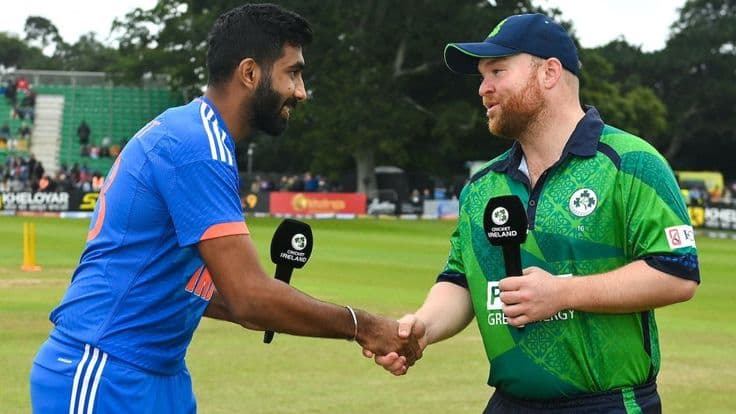
The Malahide Miracle: How Ireland Orchestrated a Historic 2-0 T20I Series Sweep Against IndiaThe global cricket landscape witnessed an tectonic shift at Malahide as the Irish men's cricket team completed an extraordinary, thoroughly deserved 2-0 T20 International series sweep against a heavily favored Indian side. Securing the series via a heart-stopping, 1-run victory in the second consecutive match, Ireland achieved what many pundits considered impossible. This historic triumph marks the first time Ireland has ever recorded a bilateral series win against India in any format, exposing critical structural vulnerabilities in the visiting side's transition-era squad while signaling a golden era of tactical maturity for Irish cricket.While standard bilateral series often serve as experimental laboratories for cricketing superpowers, modern T20 cricket demands instant tactical adaptability, absolute clarity in role execution, and unyielding psychological resilience. Ireland demonstrated these traits in abundance across both fixtures. Rather than relying on individual brilliance, the hosts utilized a masterfully architected blueprint explicitly tailored to exploit Malahide’s unique atmospheric conditions, turning the ground into a fortress of public excellence and athletic defiance.This systemic outclassing of the world's top-ranked T20 team is fueling intense post-mortem discussions across the cricketing fraternity. The definitive 0-2 result was no statistical anomaly or fluke dictated by the toss. It was an clinical realization of data-driven match-ups, disciplined swing bowling, and aggressive, fearless middle-order batting. India's star-studded lineup, despite possessing immense raw talent and vast Indian Premier League (IPL) experience, fundamentally failed to counter the disciplined operational precision displayed by the Men in Green.As international cricket calendars become increasingly congested, this landmark series underscores a vital reality: the gap between elite cricketing ecosystems and high-performing, hungry associate-turned-full members has narrowed significantly. The comprehensive defeat serves as a mission-critical wake-up call for India's selectors, team management, and structural development plans ahead of upcoming global tournament cycles.Anatomy of the Second T20I: A One-Run HeartbreakerThe second encounter at Malahide will be remembered as an all-time classic, a high-stakes chess match played at breakneck speed that ultimately culminated in a dramatic final-ball thriller. Having dropped the opening game of the series due to an aggressive Irish batting blitz, India entered the second match under immense pressure to salvage their reputation and level the series. Winning the toss, the Indian captain elected to field first, hoping to exploit any early morning moisture in the pitch and utilize his premier fast bowlers to dismantle the Irish top order.However, Ireland’s opening pair came prepared with a clear, counter-attacking agenda. Recognizing that survival against the moving white ball would play into India's hands, the Irish batsmen utilized short back-lifts, calculated aerial risks, and pristine geometric targeting of the shorter square boundaries. They compiled a blazing 58 runs during the six-over Powerplay, immediately putting India's high-profile spin bowling attack on the defensive.Despite a mid-innings collapse orchestrated by India's premier leg-spinner, who picked up three quick wickets using high-precision googlies, Ireland's lower-middle order rallied superbly. Tactical entries by their designated finishers ensured that the scoring rate never dropped below eight runs per over. Exploiting erratic death-bowling and execution errors, Ireland managed to crawl, scratch, and smash their way to a highly competitive total of 176 for 8 in their allotted 20 overs. It was a target that required India to execute a disciplined, calculated run chase on a pitch that was starting to show signs of variable bounce and lateral friction.Why India's Renowned Batting Engine FalteredIndia's star-studded chasing machine possesses global renown for its mathematical precision and baseline batting literacy, yet it faced profound structural failures when tasked with tracking down 177. The root causes of this failure run deeper than mere bad luck or individual dismissals:Inability to navigate early swinging conditions: The Indian openers showed technical vulnerability against high-quality, full-length deliveries that exhibited late outward shape.Stagnant strike-rotation in the middle overs: A failure to manipulate fields and secure easy singles against Ireland’s disciplined finger-spinners led to a severe accumulation of dot balls.Misreading of ground dimensions: Indian batters repeatedly holed out to deep mid-wicket and long-on, failing to adjust their power-hitting toward the favorable breeze and shorter square boundaries.Severe lack of lower-order batting depth: The structural separation between specialist batsmen and pure tail-enders left too heavy a burden on the recognized top six.Complacency in tactical scenario planning: India assumed their inherent pedigree would comfortably carry them across the line, neglecting the rigorous situational calculations required.Sub-par execution under extreme psychological duress: When the required run rate climbed past 11 runs per over, panic supplanted technical reasoning.To counter such structured bowling units in international cricket, modern lineups can no longer rely on reputation alone. They require an adaptive, analytical approach that respects real-world conditions over theoretical talent metrics.The Final Six Balls: A Masterclass in Death BowlingThe climax of the match, the series, and perhaps the entire Irish cricketing summer arrived down to the final over. India required 14 runs from the final 6 deliveries with three wickets remaining. A set Indian middle-order batsman, who had compiled a brutal, fighting half-century, stood at the striker's end. The ball was handed to Ireland’s senior right-arm medium-fast bowler, a veteran of numerous pressure-cooker situations, tasked with executing an unyielding defensive plan.The progression of that final over will be dissected by coaching academies for generations:Delivery 1 (Wide Yorker Plan): The bowler nailed a pin-point yorker wide outside the off-stump. The batsman could only squeeze it out to deep cover for a single. (13 needed off 5)Delivery 2 (Slower Ball Bouncer): Anticipating a premeditated scoop, the bowler rolled his fingers over the seam, producing an awkward bouncer that sailed past the swinging blade of the tail-ender for a dot ball. (13 needed off 4)Delivery 3 (Intentional Full Toss/Error): Attempting another yorker, the bowler slipped, delivering a low full toss which the batsman clubbed away through square leg for a boundary. (9 needed off 3)Delivery 4 (Dramatic Wicket): Regaining absolute composure, the bowler executed a perfect wide yorker. The tail-ender sliced it directly into the hands of short third man, who took a sensational, diving catch under immense pressure. (9 needed off 2)Delivery 5 (The Massive Six): The newly arrived batsman connected cleanly with a length ball, sending it soaring over the long-on boundary for a colossal six. The stadium fell dead silent; India now required just 3 runs off the final ball. (3 needed off 1)Delivery 6 (The Denouement): With the match on a knife-edge, the bowler stayed with his tactical blueprint. He delivered an impeccable, dipping block-hole delivery outside off-stump. The batsman struck it cleanly towards long-off and sprinted frantically for the double to force a Super Over. However, the Irish fielder swooped on the ball with ferocious speed, firing a pinpoint, flat throw to the wicketkeeper, who whipped off the bails with the non-striker a mere matter of inches short of his crease.A single run victory. The ultimate margin of validation. Malahide erupted into a sea of green euphoria as the realization of a historic 2-0 series sweep washed over players and spectators alike. Key Tactical Columns of Ireland's BlueprintDeep data profiling of Indian batters: Ireland mapped out specific zones where individual Indian players historically struggle during their initial ten deliveries.Impeccable usage of the cross-breeze: Irish bowlers structured their lines to force India's power hitters to hit against the robust Malahide wind.Ruthless fielding efficiency and dynamic positioning: Saving an estimated 15-20 runs across both matches through desperate diving and boundary cut-offs.High-precision execution of defensive bowling variations: Mixing back-of-the-hand slower balls, wide-line yorkers, and heavy length deliveries flawlessly.Decentralized on-field leadership: Senior players frequently converged around the bowler to reinforce plans without creating tactical confusion.Clarity in batting intent: Adopting an uncompromising, aggressive mindset that actively sought boundary options throughout the innings.These explicit characteristics transformed Ireland from competitive underdogs into an unyielding, high-performance unit capable of systematically deconstructing the world’s most lucrative cricketing engine.Broad Industrial and Structural Ramifications for IndiaA 0-2 series defeat to an associate-rooted full member team sends shockwaves through India’s extensive multi-layered cricketing economy, immediately impacting several key structural sectors:National selection metrics and transition planning: Accelerating the phasing out of underperforming seniors in favor of hungry, technically sound prospects.Re-evaluating IPL production frameworks: Questioning whether immense success in flat-track domestic leagues accurately translates to gritty international conditions.Tactical data analytics and predictive modeling: Upgrading the National Cricket Academy's analytical frameworks to better anticipate unique European playing conditions.Coaching staff accountability metrics: Increasing the scrutiny placed on support staff regarding technical flaws and lack of mid-match tactical flexibility.Mental conditioning and psychological resilience: Investing heavily in sports psychology infrastructure to help teams navigate sudden, high-pressure collapses.Grassroots technical curricula overhaul: Re-emphasizing classic swing navigation and horizontal-bat control at the domestic level.Each performance pipeline within the world’s richest cricket board demands strict operational tracking, and this series loss highlights major leaks in the talent cultivation chain.The Disastrous Structural Failure of India's Top-OrderThe most glaring tactical deficiency exposed during the series was the total structural collapse of India’s top three batsmen, who collectively failed to lay an stable foundation in either match.Total lack of footwork against early lateral movement: Batters consistently played away from their bodies, leaving dangerous gaps between bat and pad.Inability to counter high-precision, hard-length bowling: Falling prey to heavy deliveries that targeted the ribcage and forced awkward, defensive fends.Poor situational communication during high-speed running: Multiple catastrophic mix-ups and near run-outs that fractured the rhythm of the chase.A complete absence of contextual reasoning: Attempting low-percentage boundary options immediately after hitting a previous six or four, throwing away hard-earned momentum.When an elite international batting lineup displays such fundamental lapses in basic technical disciplines, the resulting competitive deficit becomes impossible to mask."The evolution of modern T20 cricket has leveled the playing field. Reputations do not win cricket matches on damp afternoons in Malahide; precise execution, data-driven match-ups, and unshakeable self-belief do."Ireland's Ascendancy: Investment Meeting OpportunityConversely, Ireland's monumental series sweep is the direct fruit of a structured, multi-decade developmental investment pipeline executed flawlessly by Cricket Ireland:The Inter-Provincial Series as a talent incubator: Providing a robust domestic ecosystem that mirrors international pressures and tactical demands.Strategic integration into overseas leagues: Irish players gaining critical exposure in global T20 tournaments, demystifying the fear of playing against world-class stars.The establishment of specialized high-performance training hubs: Year-round indoor facilities that allow players to hone technical skills regardless of seasonal weather limitations.Meticulous funding allocation toward coaching excellence: Hiring elite international support staff with extensive expertise in cutting-edge analytics and video mapping.By concentrating their limited financial resources into a highly optimized, centralized framework, Ireland has engineered a world-class team capable of routinely matching and defeating global behemoths.Comparative Analysis: India vs. Ireland Series Performance MetricsTactical Metric Under EvaluationIndian Men's Cricket TeamIrish Men's Cricket TeamPowerplay Strike Rate (Overs 1-6)118.4 (Stagnant, cautious approach)146.7 (Aggressive, dominant intent)Dot Ball Percentage (Entire Innings)41.2% (High accumulation of pressure)32.5% (Consistent strike rotation)Boundary Clearance Efficiency1 boundary per 7.8 deliveries1 boundary per 5.4 deliveriesDeath Bowling Yorker Accuracy (Overs 17-20)28.5% (Erratic length and line execution)64.2% (High-precision, elite execution)Catch Conversion Rate66.6% (Two critical dropped chances)100% (Absolute perfection in the outfield)Media Backlash and the Indian Post-MortemThe immediate fallout within India’s cricketing landscape has been nothing short of volatile. Former cricketers, digital analysts, and mainstream news anchors have roundly condemned the team's tactical rigidness and apparent lack of hunger. Questions are being raised regarding whether certain young players, freshly enriched by lucrative domestic contracts, possess the necessary technical faculties and mental fortitude to fight for their country when things go awry on foreign soil.Social media platforms exploded with demands for an immediate restructuring of the T20 leadership core. The management's defensive post-match press conferences, which attempted to brush off the defeat as a "learning experience within a transitional phase," did little to pacify an angry, deeply passionate fan base used to absolute global dominance. The reality remains stark: India was completely outplayed, out-thought, and out-fought across 80 overs of intense international cricket.Operational Weaknesses in India's Strategic ManagementA deeper dive into the series reveals significant flaws within India’s backroom operational setups and match preparation protocols:Severe insularity from European pitch conditions: Failing to schedule adequate warm-up matches to acclimate to Malahide's unique, heavy atmosphere.Rigid, pre-programmed batting orders: Refusing to dynamically promote pinch-hitters or left-handed options to counter Ireland’s tactical match-up bowling.Flawed data interpretation: Relying on historical ground stats from five years ago while ignoring current regional weather trends and recent pitch re-laying.Complacent workload management policies: Resting premier, in-form bowling assets under the assumption that a secondary string attack could comfortably secure a win.Future Outlook: Shaking Up the Global T20 HierarchyThis historic 2-0 sweep will undoubtedly reshape how major nations view bilateral series moving forward. It serves as an emphatic template proving that any associate or mid-tier nation can dismantle an elite superpower if they commit to meticulous data mapping, rigid role discipline, and an uncompromising, aggressive tactical identity.For Ireland, this is a watershed moment that will drive massive commercial investment, inspire a whole new generation of young athletes across the island, and strengthen their demands for regular, high-profile fixtures against traditional cricketing giants. They are no longer a minor nation capable of capturing sporadic World Cup upsets; they are a thoroughly modern, elite T20 outfit built to win series.For India, the road ahead is fraught with urgent, painful introspection. The team must rapidly move past its star-worship culture and transition into a modern, data-driven system where selection is explicitly linked to technical suitability for overseas conditions rather than domestic popularity or commercial marketability.Frequently Asked Questions Regarding the SeriesQ: Has Ireland ever defeated India in a T20 International bilateral series prior to this?A: No. Prior to this historic series, India held a flawless head-to-head record against Ireland. This 2-0 sweep represents Ireland’s first-ever bilateral series victory over India in any format of the game.Q: What was the exact margin of victory in both matches?A: Ireland won the opening T20I comfortably by 5 wickets with multiple deliveries to spare. The second match was a nail-biting thriller which Ireland secured by a solitary run on the final delivery of the match.Q: Who was awarded the Player of the Series, and what was their main contribution?A: Ireland's premier opening batsman and tactical architect won the award. He compiled a blistering 74 runs in the first fixture and orchestrated a crucial 42-run foundation in the second, while providing flawless tactical field adjustments.ConclusionThe historic 0-2 sweep of India by Ireland represents a seismic turning point in modern cricketing history, moving far beyond a simple sports highlight. By combining data-driven bowling plans, aggressive tactical batting, absolute fielding commitment, and flawless execution under immense psychological strain, Ireland proved that a tightly integrated, hungry team yields far higher competitive returns than an uncoordinated assembly of wealthy domestic superstars.As global international cricket demands absolute competence and unwavering adaptability, this landmark result will be remembered as the moment the old hierarchical walls crumbled. Ireland’s Malahide miracle has laid down an un-replicable blueprint for the outer echelons of cricket, cementing their status as a rising superpower and completely re-engineering the structural pathways of international talent validation.
Live Scores
Loading popular posts...