finance

 finance
Adaptive Bio-AI Interfaces: Human and Machine Integration
Adaptive Bio-AI InterfacesThe next generation of computing may move beyond screens, keyboards, and touch interfaces toward systems that directly interpret and respond to human biological signals. For decades, human-computer interaction relied on explicit actions such as typing, clicking, speaking, or touching displays. However, advances in neuroscience, biosensors, artificial intelligence, wearable computing, and adaptive machine learning are enabling an entirely different model of interaction.In 2026 and beyond, an emerging concept called Adaptive Bio-AI Interfaces is attracting attention. These systems combine biological data streams with intelligent algorithms that continuously adapt digital experiences based on a person's physiological and cognitive state.Instead of humans learning how to use machines, machines increasingly learn how to understand humans.This evolution could fundamentally transform healthcare, communication, education, productivity, gaming, and human-machine interaction itself.What Are Adaptive Bio-AI Interfaces?Adaptive Bio-AI Interfaces are systems that use biological signals together with artificial intelligence to personalize interactions dynamically.Possible biological inputs include:Brain activity signalsHeart rate patternsEye movement trackingFacial expressionsSkin conductivityMuscle activityRespiration patternsAI systems continuously interpret these signals and modify behavior in real time.Why Human Interfaces Are ChangingTraditional interaction systems have limitations.Manual input requirementsFixed interface designsLimited contextual awarenessCognitive frictionSlow adaptation to user stateFuture systems increasingly seek more natural interaction models.How Adaptive Bio-AI Interfaces WorkThese systems continuously create feedback loops between humans and intelligent systems.Typical process:Biosensors collect physiological signalsAI models interpret patternsContext and behavioral analysis occurInterfaces adapt automaticallyContinuous learning improves responsesThe system evolves alongside the individual user.Core Technologies Behind Bio-AI SystemsArtificial intelligenceBrain-computer interfacesWearable sensorsMachine learning systemsNeural signal processingEdge computing platformsBiometric analysis systemsMultiple technologies converge into a unified interaction ecosystem.Potential ApplicationsAdaptive interfaces may emerge across many sectors.Healthcare monitoring systemsPersonalized education environmentsAdaptive gaming experiencesMental wellness support systemsHuman-robot collaborationAccessibility technologiesWorkplace productivity systemsApplications may extend into nearly every digital environment.Healthcare TransformationHealthcare could become one of the earliest beneficiaries.Continuous patient monitoringNeurological condition detectionStress and fatigue identificationPersonalized treatment systemsRehabilitation supportCare increasingly shifts toward predictive and personalized models.Adaptive Bio-AI Interfaces transform computers from tools that respond to commands into systems that respond to human states.Human Interaction vs Bio-AI InteractionTraditional InterfaceAdaptive Bio-AI InterfaceManual inputBiological signal interpretationStatic experiencesContinuous adaptationUser learns interfaceInterface learns userChallenges and RisksBio-AI systems introduce significant concerns.Biological privacy risksData ownership questionsSecurity vulnerabilitiesAlgorithmic biasBehavior manipulation concernsMental autonomy issuesBiological data may become one of the most sensitive categories of information.Ethical and Governance QuestionsAdaptive systems raise important ethical challenges.Who owns biological data?How should consent operate?Can emotions be manipulated?How much cognitive autonomy should remain?Governance frameworks increasingly become necessary.Future OutlookFuture systems may evolve toward increasingly seamless interaction models.Neural operating systemsEmotion-aware AI assistantsAdaptive digital environmentsHuman-AI cognitive collaborationThe distinction between humans and interfaces may increasingly blur.Frequently Asked QuestionsWhat are Adaptive Bio-AI Interfaces?Systems that combine biological signals with AI to create personalized and adaptive interactions.What biological signals are used?Signals may include brain activity, heart rate, eye movement, facial expressions, and other physiological indicators.Why is this important?Because future systems may become more intuitive, personalized, and responsive to human needs.ConclusionAdaptive Bio-AI Interfaces represent a major evolution in human-computer interaction where machines increasingly adapt themselves to biological and cognitive states. While these technologies promise more personalized experiences and significant advances across healthcare and digital systems, they also raise profound questions regarding privacy, autonomy, ethics, and human identity itself.
 finance
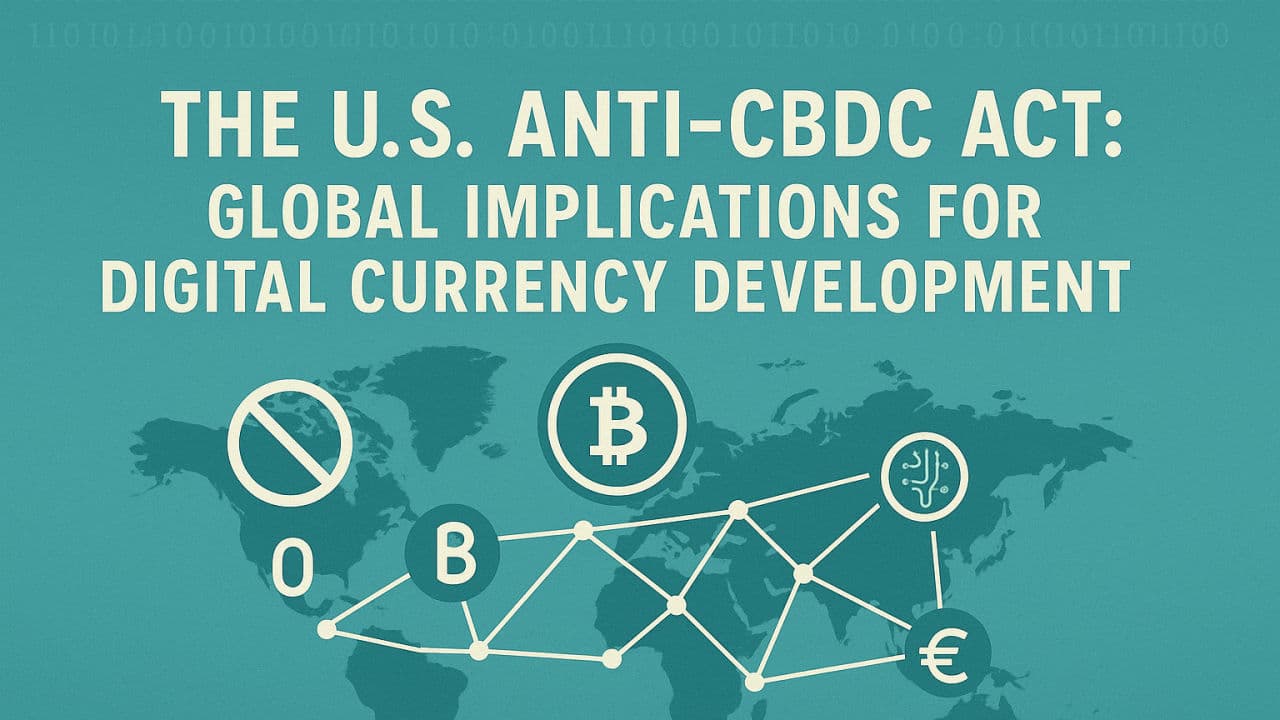
Demolishing SWIFT: The Rise of Bilateral CBDC Bridges
Demolishing SWIFT: The Rise of Bilateral CBDC BridgesThe global financial system is entering a period of profound transformation driven by digital currencies, geopolitical shifts, programmable finance, and real-time payment infrastructure. For decades, international money movement relied heavily on centralized messaging networks and correspondent banking systems, with SWIFT functioning as one of the most important components of global financial communication.However, the rise of Central Bank Digital Currencies (CBDCs) introduces a fundamentally different architecture for moving value internationally. Increasingly, governments and central banks are exploring bilateral and regional CBDC bridge systems that could enable direct value transfer between countries without relying on traditional intermediary structures.In 2026 and beyond, this emerging transition is often described as the rise of “Bilateral CBDC Bridges.” While the phrase “Demolishing SWIFT” is provocative, the more realistic discussion involves whether CBDC networks may gradually reduce dependence on existing systems rather than eliminate them entirely.This shift could reshape global payments, international trade, monetary policy, and financial geopolitics.What Is SWIFT?SWIFT (Society for Worldwide Interbank Financial Telecommunication) is a global financial messaging network used by banks and financial institutions.Cross-border payment messagingInterbank communicationTrade settlement instructionsFinancial transaction coordinationSWIFT primarily moves information rather than money itself.Limitations of Traditional International PaymentsConventional international systems often involve multiple intermediaries.Delayed settlement timesHigh transaction costsComplex correspondent banking chainsLimited operating hoursLiquidity requirements across jurisdictionsCross-border transactions can sometimes take days to settle.What Are CBDC Bridges?CBDC bridges are digital infrastructures connecting central bank digital currency systems across jurisdictions.Direct currency exchange mechanismsCross-border settlement systemsShared payment infrastructureProgrammable transaction logicThese systems aim to enable faster movement of value between nations.What Does Bilateral Mean?Bilateral CBDC arrangements involve two countries establishing direct payment connections.Examples could include:Country A digital currency ↔ Country B digital currencyDirect settlement rulesShared compliance standardsIntegrated payment infrastructureTransactions may bypass multiple intermediary institutions.How CBDC Bridges Might WorkFuture systems could operate using shared settlement infrastructure.Digital wallets connect institutionsTransaction requests are validatedCurrency conversion occurs automaticallySettlement executes instantlyValue transfer becomes increasingly direct.Potential BenefitsNear real-time settlementReduced transaction costsLower dependency on intermediariesImproved liquidity efficiency24/7 operational capabilityPayment infrastructure may become significantly faster and more efficient.Geopolitical ImplicationsCBDC bridges are not purely technological developments.Monetary sovereignty concernsInternational trade relationshipsFinancial influence shiftsStrategic payment independencePayment infrastructure increasingly intersects with geopolitics.The future question may not be whether SWIFT disappears, but whether global payments evolve from centralized messaging systems toward interconnected digital settlement networks.SWIFT vs Bilateral CBDC BridgesSWIFT ModelCBDC Bridge ModelMessaging-focusedSettlement-focusedMultiple intermediariesDirect connectionsDelayed settlementPotential near real-time settlementTraditional infrastructureDigital-native systemsChallenges and RisksCBDC bridge systems face significant hurdles.Interoperability issuesCybersecurity threatsPrivacy concernsRegulatory fragmentationPolitical coordination difficultiesTechnical standardization challengesGlobal payment systems require high levels of trust and coordination.Possible Future ScenariosSWIFT integrates with CBDC systemsRegional CBDC networks emergeHybrid international payment systems developDirect bilateral settlement ecosystems expandA mixed infrastructure model appears more likely than an immediate replacement.Economic and Strategic ImplicationsThe growth of bilateral CBDC bridges could reshape global finance.Changes in international payment economicsReduced settlement frictionNew monetary relationshipsEvolution of digital trade ecosystemsThe architecture of global money movement may increasingly shift toward programmable and interconnected systems.Frequently Asked QuestionsWill CBDCs replace SWIFT?Near term, a coexistence model appears more likely than complete replacement.What is a CBDC bridge?A system connecting multiple central bank digital currencies for cross-border settlement.Why are countries interested in bilateral CBDC systems?Potential reasons include faster payments, reduced costs, and greater financial independence.Conclusion“Demolishing SWIFT” is a dramatic framing, but the broader reality involves a gradual redesign of international financial infrastructure. Bilateral CBDC bridges represent a move toward programmable, direct, and digital-native settlement systems that could reduce reliance on traditional intermediary structures. Rather than eliminating existing systems overnight, the future may involve interconnected layers where legacy infrastructure and digital currency networks operate together.
The Machine Fiduciary Dilemma in AI-Driven Finance
The "Machine Fiduciary" DilemmaThe global financial system is entering a phase where artificial intelligence is no longer functioning merely as an analytical assistant but increasingly acts as an autonomous decision-maker. AI systems already assist with portfolio management, lending decisions, fraud detection, insurance underwriting, treasury optimization, and personalized financial recommendations.As these systems become more sophisticated, financial institutions increasingly explore whether AI agents can move beyond advice and begin directly representing human interests.Historically, fiduciary obligations belonged to human professionals such as trustees, financial advisors, investment managers, lawyers, and corporate directors. Their legal and ethical obligation was clear: act in the best interests of those they represent.The emergence of autonomous AI creates a difficult question:Can machines responsibly exercise duties that traditionally required human judgment, ethics, and accountability?This question forms the basis of what many describe as the "Machine Fiduciary" Dilemma.What Is a Fiduciary?A fiduciary is a person or institution legally required to place another party's interests above their own.Investment advisorsTrust managersCorporate board membersEstate administratorsLegal representativesTraditional fiduciary responsibility includes:Duty of loyaltyDuty of careConflict avoidanceTransparency requirementsResponsible decision-makingThese obligations assume human reasoning and accountability.What Is a Machine Fiduciary?A machine fiduciary refers to an AI system authorized to make decisions on behalf of individuals or organizations while attempting to act in their best interests.Potential examples include:AI portfolio managersAutonomous retirement plannersAI trust administratorsCorporate treasury agentsAutonomous contract negotiatorsThe machine moves from assistant to delegated representative.Why the Dilemma ExistsAI systems optimize based on measurable objectives. Human fiduciary duties often involve ambiguous and competing priorities.Examples include:Short-term profits versus long-term wellbeingRisk versus opportunityIndividual interests versus collective outcomesFinancial efficiency versus ethical concernsMathematical optimization does not automatically equal responsible judgment.Possible Advantages of Machine FiduciariesSupporters argue that AI systems may improve financial decision-making.Continuous monitoringFaster information processingLower operational costsPersonalized optimizationReduced emotional bias24/7 availabilityMachines may provide highly consistent and scalable decision support.Potential Real-World ApplicationsMachine fiduciaries could potentially emerge in multiple sectors.Personal finance managementRetirement planning systemsHealthcare resource allocationCorporate treasury managementInsurance decision systemsLegal and trust administrationAutonomous representation may extend far beyond investing.The Accountability ProblemThe largest challenge involves responsibility.If an AI acting as a fiduciary creates harm, several difficult questions emerge:Is the developer responsible?Is the institution responsible?Is the user responsible?Is the regulator responsible?Can responsibility be assigned to AI itself?Existing legal systems generally assume accountable human actors.The Machine Fiduciary Dilemma is not primarily a technology problem—it is a trust and responsibility problem.Human Fiduciaries vs Machine FiduciariesHuman FiduciaryMachine FiduciaryContextual judgmentData optimizationEthical reasoningRule executionLegal accountabilityUnclear accountabilityEmotional understandingPattern analysisFuture systems may combine strengths from both models.AI Alignment ChallengesMachine fiduciaries may struggle with understanding human intentions accurately.Ambiguous objectivesConflicting valuesPreference uncertaintyGoal misalignmentUnexpected optimization outcomesDefining “best interests” may prove difficult.Governance and Regulatory QuestionsFuture AI fiduciary systems may require new legal structures.Human oversight requirementsExplainability standardsAudit trailsAI liability frameworksOverride mechanismsGovernance may become essential infrastructure.Future OutlookRather than fully replacing humans, machine fiduciaries may initially emerge as collaborative systems.Human-AI co-decision systemsAutonomous financial co-pilotsAdaptive trust frameworksAI-assisted fiduciary governanceThe future may involve machines enhancing fiduciary decisions rather than independently controlling them.Frequently Asked QuestionsWhat is a machine fiduciary?An AI system authorized to make decisions while representing another party's interests.Why is it considered a dilemma?Because fiduciary responsibility requires trust, ethics, judgment, and accountability—areas where AI raises difficult questions.Will AI replace financial advisors?Near-term systems are more likely to augment and support human professionals rather than fully replace them.ConclusionThe Machine Fiduciary Dilemma represents one of the most important governance questions of the AI economy. As AI increasingly gains authority to act rather than merely advise, society must determine how trust, accountability, ethics, and responsibility should evolve. The challenge is no longer whether machines can make decisions; the challenge is deciding how much responsibility humans are willing to delegate.
Synthetic Identity Bank Runs and Financial Security Threats
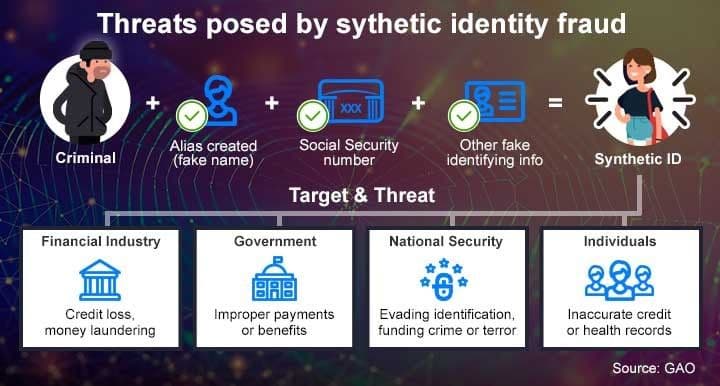
Synthetic Identity Bank RunsThe digital financial system increasingly depends on identity as a foundational layer for trust, lending, payments, onboarding, and risk management. Historically, banking systems assumed that identities represented genuine individuals or legally verified entities. However, advances in artificial intelligence, large-scale data aggregation, deepfake technology, automated account creation systems, and synthetic identity generation are introducing entirely new categories of financial risk.In 2026 and beyond, analysts increasingly discuss a potential future phenomenon called “Synthetic Identity Bank Runs,” where large-scale AI-generated or fabricated identities could simultaneously create liquidity pressure, fraud exposure, or operational stress across financial institutions.This concept extends beyond traditional fraud and enters the realm of systemic financial risk.What Is a Synthetic Identity?A synthetic identity is an artificially constructed identity created by combining real and fabricated information.Generated personal informationPartially real identity elementsAI-generated documentationFabricated digital behavior patternsArtificial account historiesSynthetic identities may not correspond to real individuals.What Is a Synthetic Identity Bank Run?A synthetic identity bank run describes a scenario where large-scale fabricated identities create coordinated pressure on financial systems.Mass account creationFraudulent credit extractionArtificial deposit flowsAutomated withdrawal activityLiquidity stress amplificationThe threat emerges from scale and automation rather than isolated fraud events.How Traditional Bank Runs WorkTraditional bank runs occur when customers lose confidence and rapidly withdraw funds.Fear-driven withdrawal behaviorLiquidity shortagesLoss of confidenceContagion effectsPsychology historically played the central role.How Synthetic Identity Runs Could DifferFuture synthetic scenarios may emerge from algorithmic activity rather than human behavior.AI-driven account generationMachine-executed financial actionsCoordinated digital activityHigh-speed systemic interactionsAlgorithms could potentially create financial stress faster than humans.Technologies Potentially Enabling Synthetic Identity RisksArtificial intelligenceDeepfake generation systemsLarge language modelsAutomated bot ecosystemsIdentity fabrication softwareTechnological progress increases both capability and complexity.Potential Attack PathwaysMultiple pathways could theoretically create systemic pressure.Fraudulent loan applicationsMass payment network manipulationArtificial credit expansionDeposit instability eventsSynthetic customer ecosystemsSystem interconnectedness increases potential impact.Why Scale MattersIndividual fraud cases typically create limited financial damage. Systemic risk emerges when activities scale dramatically.Millions of automated identitiesHigh-frequency transaction activityCross-platform coordinationRapid propagation effectsAutomation compresses the timeline of potential disruption.AI and Defensive Risk IntelligenceArtificial intelligence increasingly helps defend financial systems.Behavioral anomaly detectionIdentity verification intelligenceTransaction network analysisFraud prediction systemsAI increasingly becomes both the challenge and the defense.Benefits of Advanced Identity SystemsReduced fraud exposureStronger authentication systemsImproved financial trustGreater cybersecurity resilienceEnhanced customer protectionIdentity innovation strengthens financial infrastructure.Future financial stability may depend as much on identity integrity as on capital and liquidity management.Traditional Fraud vs Synthetic Identity RiskTraditional → Human-operated fraud schemesSynthetic → AI-generated scalable ecosystemsTraditional → Individual incidentsSynthetic → Potential systemic effectsThe scale and speed of risk dynamics may change significantly.Digital Identity and Verification SystemsFuture banking ecosystems increasingly require stronger identity infrastructure.Biometric authenticationCryptographic identity systemsBehavioral verification modelsZero-knowledge proof frameworksTrust increasingly becomes technologically enforced.Regulatory and Governance ChallengesGovernments and financial institutions increasingly face new requirements.Identity standardsAI accountability frameworksCross-border verification systemsFraud monitoring regulationsGovernance becomes increasingly important.Future of Financial Identity SystemsFuture ecosystems may evolve toward highly intelligent identity networks.Self-sovereign identitiesContinuous authentication systemsAI-native trust infrastructureAdaptive financial identity ecosystemsIdentity increasingly becomes core financial infrastructure.Economic and Strategic ImplicationsSynthetic identity risks could reshape the future architecture of finance.Expansion of cybersecurity investmentsTransformation of onboarding systemsEvolution of fraud intelligenceRedesign of digital trust infrastructureThis evolution may fundamentally redefine how financial systems establish trust in the digital era.Frequently Asked QuestionsWhat is a synthetic identity?An artificially created identity combining fabricated and real information.What is a synthetic identity bank run?A theoretical scenario where large-scale AI-generated identities create financial stress through coordinated activity.Why is this important?Because identity integrity increasingly underpins digital finance, payments, and banking systems.ConclusionSynthetic Identity Bank Runs represent a future-oriented concept highlighting how AI-generated identities and automated systems could create new categories of systemic financial risk. While this remains largely theoretical, the broader trend is real: financial systems increasingly depend on digital trust infrastructure. As artificial intelligence advances, future resilience may require stronger identity frameworks, continuous verification systems, and adaptive cybersecurity defenses.
Parametric Micro-Hedging for Small Business Risk Protection
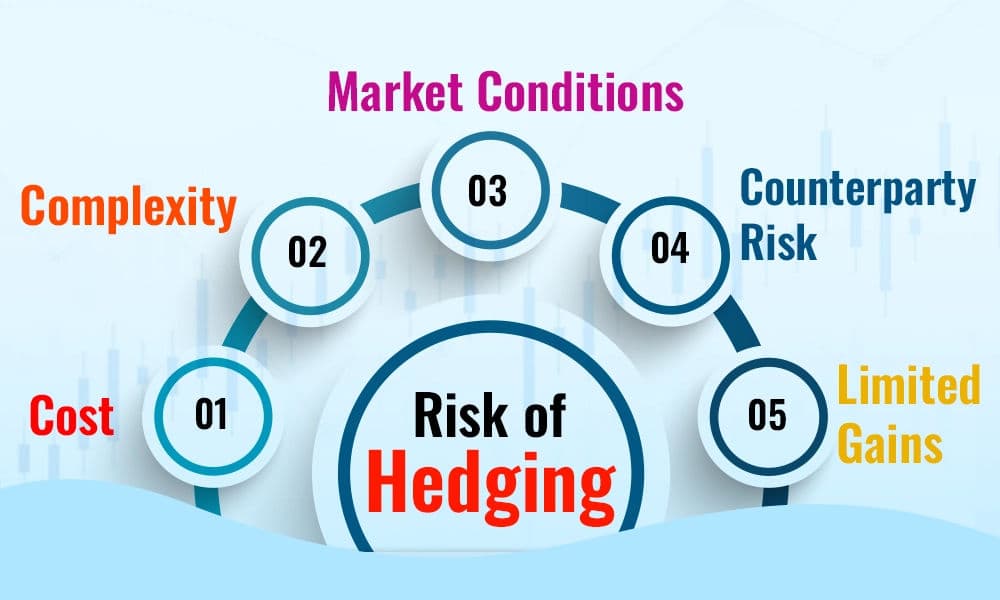
Parametric Micro-Hedging for Small BusinessesSmall businesses increasingly operate in an environment characterized by climate uncertainty, supply-chain disruptions, fluctuating commodity prices, changing customer behavior, cyber threats, and macroeconomic volatility. Traditionally, risk management and hedging strategies were largely reserved for large corporations with sophisticated treasury teams and access to derivatives markets.In 2026, an emerging financial concept known as “Parametric Micro-Hedging” is attracting attention as a potential solution for smaller enterprises. This model combines AI-driven risk intelligence, real-time data feeds, automated insurance structures, and programmable financial contracts to provide highly targeted protection against specific business risks.Instead of requiring large hedging positions or complex financial products, micro-hedging enables small businesses to obtain precise and affordable risk coverage.This evolution could fundamentally transform financial resilience for small enterprises.What Is Hedging?Hedging is a strategy used to reduce financial exposure to uncertainty or adverse events.Price volatility protectionRevenue stabilizationRisk transfer mechanismsFinancial uncertainty reductionThe objective is not eliminating risk entirely, but limiting its impact.What Is Parametric Micro-Hedging?Parametric micro-hedging refers to automated financial protection triggered by predefined measurable events.Weather-based triggersSupply-chain event triggersSales decline thresholdsCommodity price movementsOperational disruption indicatorsPayments occur automatically when specific conditions are met.What Makes It “Parametric”?Traditional insurance often depends on assessing actual losses after an event occurs. Parametric systems instead rely on predefined measurable conditions.Examples include:Rainfall exceeding specified levelsTemperature thresholdsShipping delays beyond certain limitsCommodity prices reaching trigger pointsCompensation becomes event-driven rather than claim-driven.How Parametric Micro-Hedging WorksModern systems continuously monitor business conditions and environmental signals.Real-time data collectionRisk monitoring systemsAI prediction modelsAutomated payout executionRisk protection increasingly becomes automated and continuous.Examples of Small Business Use CasesMicro-hedging may support many business types.Restaurants protecting against weather disruptionsRetail businesses hedging inventory delaysAgricultural firms protecting crop revenueLogistics companies managing fuel volatilityLocal businesses protecting against demand shocksProtection becomes highly specific to business operations.Technologies Driving Micro-HedgingArtificial intelligenceInternet of Things (IoT)Real-time analytics platformsSmart contractsBlockchain settlement systemsTechnology reduces cost and increases accessibility.Benefits of Parametric Micro-HedgingLower protection costsFaster payoutsReduced paperworkGreater financial resilienceImproved cash-flow stabilitySmall businesses gain access to sophisticated financial protection mechanisms.Parametric micro-hedging transforms risk management from expensive institutional infrastructure into accessible, automated protection for small businesses.Traditional Insurance vs Parametric Micro-HedgingTraditional → Manual claims assessmentMicro-Hedging → Automatic trigger-based payoutsTraditional → Broad risk categoriesMicro-Hedging → Highly targeted risk coverageThis changes how business protection systems operate.AI and Predictive Risk IntelligenceArtificial intelligence increasingly powers risk systems.Demand forecastingWeather prediction systemsSupply-chain disruption analysisBusiness trend detectionAI strengthens proactive protection capabilities.Challenges and RisksMicro-hedging systems also introduce important challenges.Incorrect trigger calibrationData quality issuesAlgorithmic biasCoverage gapsTechnology dependenceCareful design and monitoring remain essential.Regulatory ConsiderationsFinancial regulators increasingly evaluate automated protection systems.Consumer protection requirementsSmart contract oversightData governance standardsRisk disclosure obligationsRegulatory frameworks continue evolving.Future of Small Business Risk ManagementThe future may involve highly personalized and automated financial protection ecosystems.AI-native risk platformsContinuous business monitoringAutonomous protection systemsIntegrated financial resilience networksRisk management increasingly becomes embedded infrastructure.Economic and Strategic ImplicationsThe rise of parametric micro-hedging could reshape financial resilience for smaller enterprises.Expansion of small-business financial toolsReduced operational vulnerabilityImproved economic resilienceDemocratization of risk-management capabilitiesThis evolution may fundamentally change how small businesses protect themselves from uncertainty.Frequently Asked QuestionsWhat is parametric micro-hedging?A targeted risk-protection system where predefined events automatically trigger financial payouts.Why is it useful for small businesses?Because it offers affordable and automated protection against specific risks.What triggers payouts?Specific measurable events such as weather conditions, supply-chain disruptions, or price changes.ConclusionParametric Micro-Hedging for Small Businesses represents a major evolution in financial protection where AI, predictive analytics, and programmable contracts make sophisticated risk management more accessible. By transforming risk coverage into automated and event-driven systems, small enterprises may gain stronger resilience against increasingly unpredictable business environments. While operational and regulatory challenges remain, these systems could become foundational infrastructure for the future of small-business finance.

The Gray Wave Portfolio Restructure: Aging Wealth Trends
The "Gray Wave" Portfolio RestructureThe global economy is entering a demographic transformation unlike any seen in modern financial history. Populations across many countries are aging rapidly due to declining birth rates, longer life expectancy, and improvements in healthcare systems. This demographic transition—often referred to as the “Gray Wave”—is not simply a social trend; it is increasingly becoming a major force reshaping capital markets, investment strategies, labor economics, and institutional portfolio management.In 2026 and beyond, investors, pension funds, insurance firms, sovereign wealth funds, and asset managers are increasingly adapting to what many analysts describe as the “Gray Wave Portfolio Restructure.” This involves adjusting investment allocations and financial strategies to account for aging populations and changing economic behaviors.This evolution could fundamentally transform long-term capital allocation and the future structure of global financial markets.What Is the Gray Wave?The Gray Wave refers to large-scale demographic aging across populations.Longer life expectancyLower birth ratesGrowing retiree populationsChanging workforce structuresDemographic change increasingly becomes an economic force.What Is a Gray Wave Portfolio Restructure?Gray Wave Portfolio Restructure refers to changes in investment strategies driven by demographic aging patterns.Adjustments in asset allocationIncome-focused investment modelsLongevity risk managementHealthcare and retirement exposure strategiesPortfolios increasingly adapt to demographic realities.Why Demographics Matter to MarketsPopulation structures influence economic behavior and capital flows.Consumption pattern shiftsRetirement savings dynamicsHealthcare spending growthLabor market changesLong-term investment behaviorDemographics increasingly shape economic outcomes.How Portfolios May ChangeAsset managers increasingly adjust exposure to sectors influenced by aging populations.Healthcare and biotechnology investmentsRetirement income assetsInfrastructure supporting elderly populationsLong-duration income strategiesInvestment priorities shift toward demographic resilience.Sectors Potentially Benefiting from the Gray WaveSeveral industries may experience increased demand.Healthcare technologyBiotechnology and longevity researchSenior housing infrastructureRetirement financial productsMedical devices and digital healthDemographic trends create long-term investment themes.Impact on Pension SystemsAging populations create challenges for retirement systems.Higher retirement obligationsLonger payout periodsFunding pressureAsset-liability matching complexityPension institutions increasingly require portfolio redesign.AI and Demographic IntelligenceArtificial intelligence increasingly supports demographic investment analysis.Population trend forecastingBehavioral spending predictionLongevity modelingDynamic asset allocation systemsAI strengthens long-term investment planning.Benefits of Demographic-Aware Portfolio StrategiesBetter long-term risk managementImproved income planningEnhanced sector allocationGreater resilience to structural economic shiftsLong-term capital optimizationDemographic intelligence increasingly becomes an investment advantage.The Gray Wave transforms demographics from population statistics into one of the most influential forces shaping future capital markets.Traditional Portfolio Models vs Gray Wave StrategiesTraditional → Economic-cycle focused allocationsGray Wave → Demographic-driven allocationsTraditional → Broad market assumptionsGray Wave → Population trend intelligenceThis changes how long-term investment strategies are built.Risks and ChallengesDemographic restructuring introduces uncertainties.Economic growth slowdown risksLabor shortagesHealthcare cost expansionRetirement funding pressureGovernment fiscal stressPopulation trends can create broad economic consequences.Geopolitical ImplicationsDifferent demographic patterns may reshape global competition.Regional workforce shiftsMigration policy changesHealthcare infrastructure demandChanges in economic growth leadershipDemographics increasingly influence geopolitical dynamics.Future of Gray Wave InvestingFuture investment systems may become increasingly demographic-aware.AI-native demographic investingLongevity-linked financial productsPersonalized retirement ecosystemsAdaptive long-term portfolio systemsInvestment strategies increasingly incorporate population intelligence.Economic and Strategic ImplicationsThe Gray Wave Portfolio Restructure could reshape global capital allocation.Transformation of investment prioritiesExpansion of healthcare economiesEvolution of retirement systemsLong-term restructuring of financial marketsThis demographic transition may become one of the defining economic forces of the coming decades.Frequently Asked QuestionsWhat is the Gray Wave?A demographic trend involving aging populations and growing retiree segments.What is Gray Wave Portfolio Restructure?Investment strategy adjustments designed to account for demographic aging patterns.Why does aging affect financial markets?Because demographics influence spending patterns, labor markets, savings behavior, and long-term capital allocation.ConclusionThe Gray Wave Portfolio Restructure represents a significant shift in how investors and institutions may approach long-term capital allocation. As aging populations reshape economic structures and consumption patterns, investment systems increasingly adapt to demographic realities. While this transformation introduces challenges related to pensions, healthcare costs, and growth dynamics, it also creates opportunities for innovation, sector evolution, and more sophisticated investment strategies.
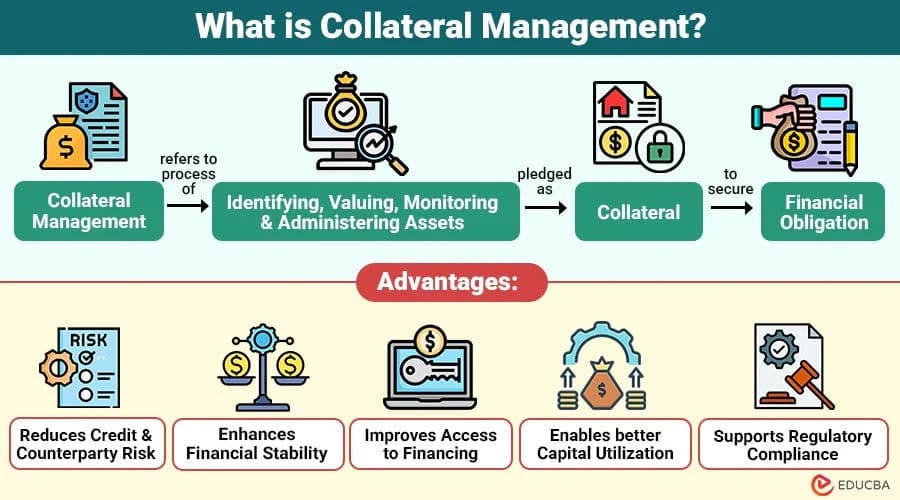
Algorithmic Collateral Cleansing in Modern Financial Systems
Algorithmic Collateral CleansingFinancial markets are entering an era where artificial intelligence, real-time risk systems, digital assets, and automated treasury infrastructure increasingly influence how institutions manage balance sheets and capital efficiency. Traditionally, collateral management depended heavily on periodic reviews, manual risk assessments, and static valuation frameworks. However, modern financial ecosystems increasingly require dynamic and continuous optimization.In 2026 and beyond, an emerging concept gaining attention is “Algorithmic Collateral Cleansing.” This model uses AI systems, predictive analytics, and automated financial intelligence to continuously evaluate, replace, optimize, and remove inefficient or deteriorating collateral from financial systems.This evolution could fundamentally transform liquidity management, capital efficiency, systemic risk monitoring, and institutional treasury operations.What Is Collateral?Collateral refers to assets pledged to secure financial obligations or reduce risk exposure.Government securitiesCorporate bondsCash reservesReal estate assetsTokenized financial assetsCollateral functions as a protective mechanism within financial systems.What Is Algorithmic Collateral Cleansing?Algorithmic collateral cleansing refers to automated systems that continuously identify inefficient, deteriorating, or risky collateral and optimize asset quality across financial portfolios.Automated collateral quality scoringDynamic asset replacement systemsReal-time risk monitoringAI-powered portfolio optimizationCollateral management shifts from periodic review toward continuous intelligence.Why Traditional Collateral Systems Are ChangingConventional collateral frameworks face several operational limitations.Manual review processesDelayed risk identificationStatic asset valuationsLiquidity inefficienciesFragmented monitoring systemsModern financial systems increasingly require real-time adaptability.How Algorithmic Collateral Cleansing WorksIntelligent systems continuously monitor and optimize collateral portfolios.Real-time market data collectionAsset risk scoringPredictive deterioration analysisAutomatic collateral substitutionOptimization increasingly occurs without manual intervention.Technologies Driving Collateral IntelligenceArtificial intelligenceMachine learning risk modelsPredictive analytics systemsBlockchain settlement infrastructureReal-time market intelligence platformsTechnology increasingly enables autonomous treasury operations.Examples of Collateral Cleansing ActivitiesAutomated systems may perform multiple optimization actions.Replacing deteriorating assetsRemoving low-liquidity securitiesAdjusting collateral allocation dynamicallyOptimizing exposure across counterpartiesAsset quality becomes continuously managed.Benefits of Algorithmic Collateral SystemsImproved capital efficiencyReduced operational complexityEnhanced liquidity managementEarlier risk detectionBetter balance sheet optimizationAutomation may significantly improve institutional financial performance.Algorithmic collateral cleansing transforms collateral from static balance-sheet assets into continuously optimized financial intelligence systems.Traditional Collateral Management vs Algorithmic CleansingTraditional → Periodic manual reviewsAlgorithmic → Continuous real-time optimizationTraditional → Static collateral assignmentsAlgorithmic → Dynamic intelligent allocationThis transition changes how financial institutions manage risk.AI and Predictive Risk IntelligenceArtificial intelligence increasingly supports collateral decisions.Market stress predictionCredit deterioration analysisLiquidity forecasting systemsDynamic exposure managementAI improves speed and predictive capabilities.Tokenized Collateral EcosystemsDigital assets may further transform collateral systems.Tokenized securitiesProgrammable collateral contractsInstant settlement systemsFractional collateral ownershipCollateral increasingly becomes digitally native.Risks and ChallengesAlgorithmic collateral systems introduce important concerns.Model errors and biasOver-automation risksCybersecurity vulnerabilitiesMarket concentration effectsSystemic feedback loopsHuman oversight remains important.Regulatory ConsiderationsRegulators increasingly examine AI-based treasury systems.Algorithm transparency requirementsStress testing frameworksRisk governance standardsFinancial stability oversightGovernance systems remain critical for adoption.Future of Collateral IntelligenceThe future financial ecosystem may increasingly rely on autonomous optimization systems.AI-native treasury operationsContinuous balance-sheet intelligencePredictive liquidity ecosystemsAutonomous capital managementFinancial systems increasingly move toward real-time intelligence.Economic and Strategic ImplicationsThe rise of algorithmic collateral systems could reshape global financial infrastructure.Transformation of treasury economicsGreater market efficiencyEnhanced liquidity resilienceEvolution of institutional financial operationsThis transition may fundamentally change how financial assets are managed across future economies.Frequently Asked QuestionsWhat is algorithmic collateral cleansing?An AI-driven process that continuously evaluates and optimizes collateral quality.Why is it important?Because it can improve liquidity efficiency, reduce risk exposure, and optimize capital allocation.What risks exist?Potential risks include algorithmic failures, systemic feedback effects, and excessive automation dependence.ConclusionAlgorithmic Collateral Cleansing represents a future evolution in financial infrastructure where collateral becomes continuously monitored and optimized through intelligent systems. By combining AI, predictive analytics, real-time market data, and digital financial infrastructure, institutions may create more resilient and efficient capital ecosystems. While significant operational and governance challenges remain, this approach could become a foundational capability for next-generation treasury and risk management systems.
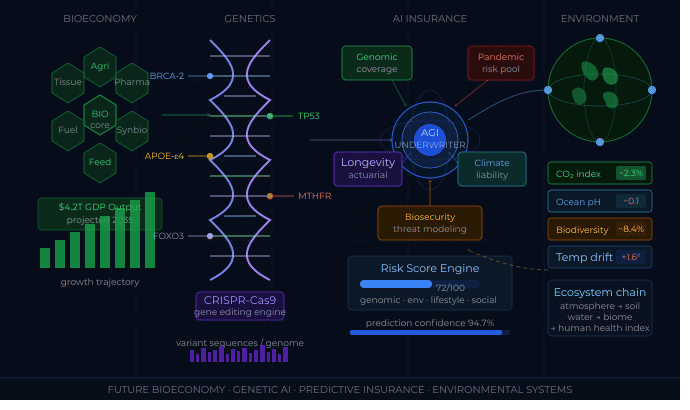
Future bioeconomy genetic technology AI insurance environmental systems concept
"De-Extinction" Underwriting & Bio-Risk PremiumThe convergence of synthetic biology, gene editing, biodiversity engineering, and de-extinction technologies is creating entirely new categories of economic risk. For decades, insurance and underwriting systems focused primarily on familiar domains such as property damage, health events, environmental risks, and financial uncertainty. However, advances in biotechnology are introducing risks associated with engineered ecosystems, revived species, synthetic organisms, and large-scale biological interventions.In 2026 and beyond, a new concept is emerging: “De-Extinction Underwriting” and the rise of Bio-Risk Premium models. These frameworks attempt to quantify and price risks associated with resurrected species, engineered biological systems, ecosystem disruption, and synthetic life technologies.This evolution could fundamentally transform insurance, environmental risk assessment, and the economics of biotechnology.What Is De-Extinction?De-extinction refers to scientific efforts aimed at restoring extinct species or creating functionally similar organisms using modern biotechnology.Genetic reconstruction techniquesGene-editing systemsSynthetic biology platformsSelective breeding technologiesBiological ecosystem engineeringThe objective is not simply recreating ancient organisms but potentially restoring ecological functions.What Is De-Extinction Underwriting?De-extinction underwriting refers to risk assessment frameworks used to evaluate and price biological uncertainties associated with revived or engineered species.Ecosystem disruption analysisSpecies behavior predictionBiological containment assessmentLong-term environmental impact modelingInsurance systems increasingly adapt to biological complexity.What Is a Bio-Risk Premium?A bio-risk premium represents additional financial costs or pricing adjustments reflecting uncertainty associated with biological technologies.Environmental uncertainty premiumsGenetic risk adjustmentsContainment risk pricingEcosystem volatility factorsBiological uncertainty becomes measurable financial risk.Why Traditional Risk Models Are ChangingConventional insurance frameworks were not designed for synthetic biological systems.Limited historical datasetsUnpredictable ecosystem interactionsNovel biological behavior patternsCross-disciplinary risk complexityBiotechnology introduces new categories of uncertainty.Potential Bio-Risks in De-Extinction ProgramsSeveral risks could emerge from large-scale biological engineering projects.Unexpected ecosystem disruptionSpecies adaptation failuresDisease transmission pathwaysGenetic instability risksBiodiversity imbalance effectsComplex biological systems can create difficult-to-predict outcomes.AI and Bio-Risk ModelingArtificial intelligence increasingly supports biological forecasting systems.Predictive ecosystem simulationBehavioral pattern modelingGenetic interaction analysisRisk scenario forecastingAI expands the ability to analyze biological complexity.Applications of Bio-Risk UnderwritingFuture insurance and financial systems may apply these models broadly.Biotechnology companiesEnvironmental restoration projectsAgricultural genetic systemsSynthetic biology laboratoriesConservation initiativesRisk frameworks increasingly extend into biological innovation.Benefits of Bio-Risk Intelligence SystemsImproved risk visibilityEnhanced environmental forecastingGreater investor confidenceMore informed biotechnology decisionsImproved ecosystem managementAdvanced risk intelligence may improve responsible innovation.As biotechnology expands beyond traditional boundaries, biological uncertainty itself becomes a measurable financial and strategic variable.Traditional Underwriting vs Bio-Risk UnderwritingTraditional → Historical event-based modelsBio-Risk → Predictive ecosystem intelligenceTraditional → Static actuarial frameworksBio-Risk → Dynamic biological simulationsThis transition changes how uncertainty is measured.Ethical and Governance ChallengesBiological engineering introduces difficult ethical questions.Species welfare concernsEcological intervention ethicsLong-term environmental responsibilityOwnership of engineered organismsTechnology alone cannot resolve these challenges.Regulatory ConsiderationsGovernments and scientific organizations may require new frameworks.Biological safety standardsContainment requirementsEnvironmental assessment regulationsCross-border biotechnology governanceRegulation becomes critical for responsible deployment.Future of Bio-Risk EconomicsThe future bioeconomy may increasingly rely on sophisticated risk systems.AI-native biological forecastingDynamic ecosystem insuranceProgrammable environmental risk systemsIntegrated biotechnology financial modelsRisk analysis increasingly becomes a component of biological innovation.Economic and Strategic ImplicationsBio-risk frameworks could reshape biotechnology economics.Expansion of biotech insurance marketsNew investment evaluation modelsGrowth of biological risk intelligence systemsTransformation of environmental financeThis evolution may redefine how society evaluates uncertainty in future biological systems.Frequently Asked QuestionsWhat is de-extinction underwriting?A framework used to assess and price risks associated with revived or engineered biological systems.What is a bio-risk premium?An additional risk cost reflecting uncertainty associated with biological technologies and ecosystem effects.Why is this important?Because emerging biotechnology may create risks that traditional financial and insurance systems are not designed to evaluate.ConclusionDe-Extinction Underwriting and Bio-Risk Premium models represent a future where biotechnology and finance increasingly intersect. As synthetic biology, ecosystem engineering, and species restoration efforts expand, risk systems may evolve beyond conventional actuarial methods into predictive biological intelligence platforms. While these developments could support responsible innovation and environmental restoration, they also introduce profound scientific, ethical, regulatory, and economic challenges that may shape the future bioeconomy.
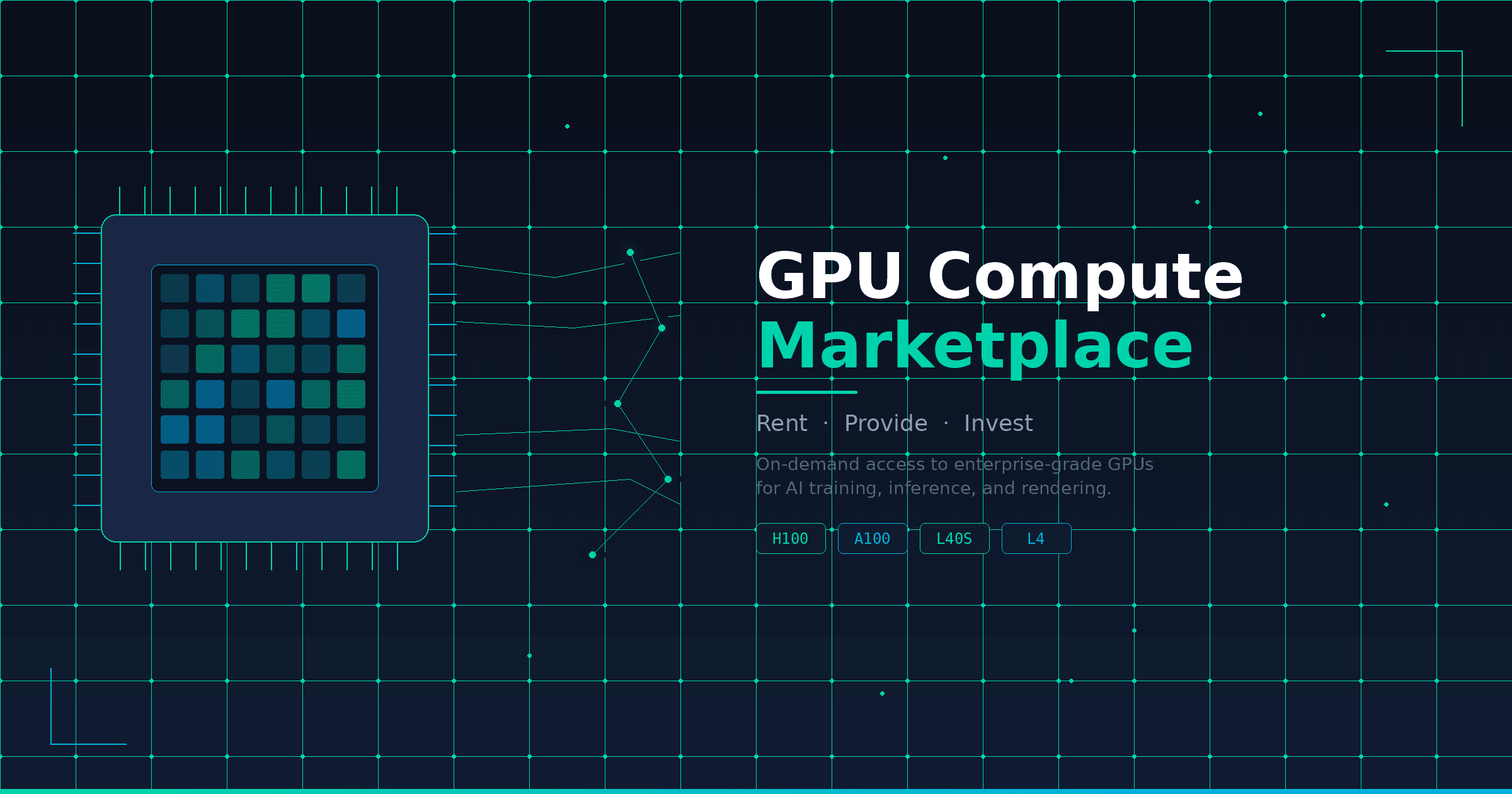
The GPU-Compute Commodity Market: AI Infrastructure Economy
The GPU-Compute Commodity MarketThe global economy is entering an era where computational power is becoming as strategically valuable as energy, oil, and telecommunications infrastructure. Artificial intelligence, machine learning, large language models, robotics, scientific simulations, and cloud-native applications increasingly depend on specialized computational hardware—particularly Graphics Processing Units (GPUs).In 2026, a major emerging trend is the evolution of GPU resources from infrastructure components into a tradable economic asset class. This development is giving rise to what many analysts describe as the “GPU-Compute Commodity Market,” where computing capacity itself becomes a liquid market with pricing mechanisms, trading systems, futures contracts, and dynamic supply-demand economics.This transformation may fundamentally reshape cloud economics, AI development, digital infrastructure, and global technology markets.What Is a GPU-Compute Commodity Market?A GPU-compute commodity market is an economic ecosystem where computational resources can be bought, sold, reserved, exchanged, or traded similarly to traditional commodities.GPU capacity tradingFuture compute reservationsDynamic market pricingComputational resource exchangesCompute itself becomes a measurable and tradable economic unit.Why GPUs Are Becoming Strategic AssetsSeveral factors are dramatically increasing GPU demand.Large AI model trainingGrowth of AI agentsExpansion of inference workloadsScientific research computingAutonomous systems and roboticsDemand for specialized computation increasingly exceeds available supply.Why Traditional Cloud Models Are ChangingTraditional cloud allocation methods face several limitations.Fixed pricing structuresResource shortagesLong-term reservation inefficienciesLimited flexibility in allocationSupply-demand mismatchesOrganizations increasingly require dynamic access to computational resources.How GPU Commodity Markets Might WorkFuture compute markets may operate similarly to traditional commodity exchanges.Providers supply compute inventoryBuyers reserve future compute accessMarkets determine pricing dynamicallyParticipants trade resource contractsComputational capacity becomes continuously priced infrastructure.Potential ParticipantsMultiple industries could participate in GPU marketplaces.Cloud service providersAI development companiesFinancial institutionsSemiconductor firmsEnterprise technology organizationsCompute ecosystems could become highly interconnected.Benefits of Compute Commodity MarketsImproved allocation efficiencyBetter price discoveryReduced resource wasteGreater liquidity and flexibilityEnhanced infrastructure planningDynamic markets may improve compute accessibility.Compute Futures and DerivativesGPU markets may introduce sophisticated financial products.Compute futures contractsCapacity reservation agreementsOptions linked to GPU availabilityRisk management instrumentsCompute may evolve into a full financial asset class.As AI becomes foundational infrastructure, computational power increasingly resembles a strategic commodity rather than a simple technical resource.Traditional Cloud Infrastructure vs GPU Commodity MarketsTraditional → Fixed resource allocationCommodity Market → Dynamic supply-demand pricingTraditional → Static pricing modelsCommodity Market → Real-time market valuationThis transition changes how computational resources are acquired and managed.AI and Autonomous Resource AllocationArtificial intelligence may increasingly manage compute ecosystems.Demand forecasting systemsAutomated pricing optimizationDynamic infrastructure balancingPredictive resource allocationAI increasingly coordinates AI infrastructure itself.Role of TokenizationBlockchain systems may support tradable compute markets.Tokenized compute ownershipSmart contract settlementsProgrammable resource exchangesFractional compute participationDigital infrastructure increasingly intersects with financial systems.Challenges and RisksGPU commodity markets introduce several important risks.Market speculation risksResource concentration concernsPrice volatilityInfrastructure monopolization risksRegulatory uncertaintyGovernance frameworks remain essential.Geopolitical ImplicationsGPU access increasingly influences national competitiveness.Semiconductor supply chain competitionNational AI strategiesTechnology export controlsDigital sovereignty initiativesComputation increasingly becomes a strategic national asset.Future of Compute MarketsFuture computational economies may become increasingly sophisticated.Global compute exchangesAI-managed infrastructure marketsContinuous resource auctionsMachine-driven compute negotiationsCompute markets may become a foundational component of future digital economies.Economic and Strategic ImplicationsThe rise of GPU commodity markets could reshape digital infrastructure economics.New infrastructure financing modelsExpansion of digital asset classesAcceleration of AI innovationTransformation of cloud business modelsThis evolution may fundamentally change how computational resources are valued and distributed globally.Frequently Asked QuestionsWhat is a GPU-compute commodity market?A market where computational resources are traded similarly to traditional commodities.Why are GPUs becoming strategic?Because AI systems increasingly require enormous computational resources for training and inference.What risks exist in GPU markets?Potential risks include speculation, resource concentration, and infrastructure volatility.ConclusionThe GPU-Compute Commodity Market represents a major transformation in digital infrastructure economics by turning computational capacity into a strategic and potentially tradable asset. As AI demand continues expanding, compute resources may increasingly resemble energy or telecommunications infrastructure, supported by dynamic pricing systems, financial instruments, and global marketplaces. While such markets promise greater efficiency and flexibility, they also introduce important challenges related to fairness, concentration, regulation, and geopolitical competition.
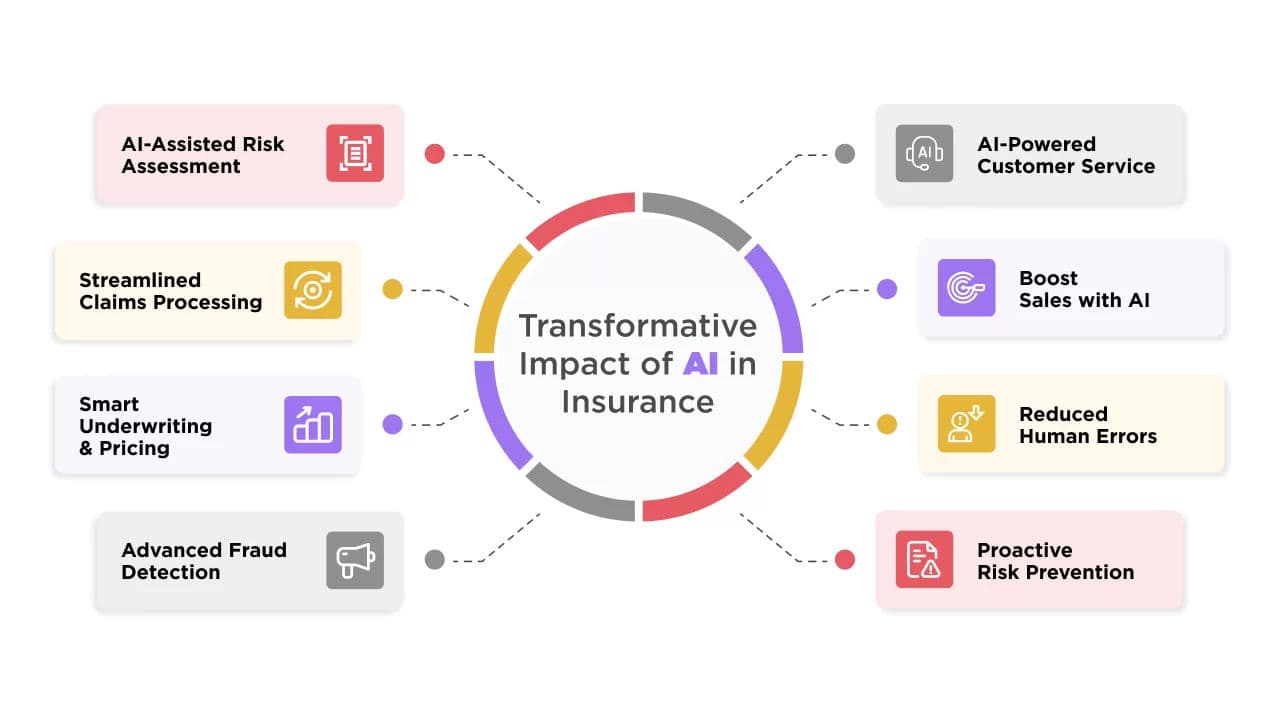
Zero-Click Insurance and Predictive Macro-Claims Explained
"Zero-Click" Insurance & Predictive Macro-ClaimsThe insurance industry is moving through one of its largest transformations since the introduction of digital underwriting. Historically, insurance has depended heavily on customer actions such as filling out applications, submitting documents, filing claims, and interacting with human agents. However, the convergence of artificial intelligence, real-time sensor networks, behavioral analytics, connected devices, and predictive modeling is creating a radically different insurance ecosystem.In 2026, an emerging concept gaining attention is “Zero-Click Insurance” combined with “Predictive Macro-Claims.” Instead of requiring customers to manually initiate coverage events or submit claims, intelligent systems increasingly anticipate risks, detect incidents automatically, and initiate actions without direct user intervention.This evolution could fundamentally transform the relationship between individuals, insurers, and risk management systems.What Is Zero-Click Insurance?Zero-Click Insurance refers to insurance systems where policy activation, risk assessment, incident detection, and claim processing occur automatically.Automatic event detectionAI-driven policy managementReal-time risk monitoringAutonomous claims processingInsurance increasingly shifts from reactive service toward continuous background intelligence.What Are Predictive Macro-Claims?Predictive macro-claims are insurance events identified and initiated by large-scale predictive systems before widespread losses occur.Weather-event predictionInfrastructure risk forecastingHealth trend detectionRegional catastrophe intelligenceClaims increasingly become proactive rather than reactive.Why Traditional Insurance Is ChangingConventional insurance systems often involve delays and operational inefficiencies.Manual claims submissionLarge administrative costsDelayed payoutsFraud investigation complexityLimited real-time risk visibilityInsurers increasingly seek continuous risk intelligence.How Zero-Click Insurance WorksAutonomous insurance systems combine real-time data with predictive decision models.Continuous data collectionAI-driven risk evaluationAutomated event verificationInstant claim initiation and settlementInsurance processes become increasingly invisible to customers.Technologies Driving Autonomous InsuranceArtificial intelligenceInternet of Things (IoT)Computer vision systemsPredictive analyticsDigital identity infrastructureSmart contract automationThese technologies collectively create intelligent insurance ecosystems.Examples of Zero-Click InsuranceAutonomous insurance applications may appear across many sectors.Vehicles detecting collisions automaticallyHomes identifying water leakage risksWearables detecting medical emergenciesTravel systems recognizing delays and disruptionsRisk events increasingly trigger automatic responses.Benefits of Predictive Claims SystemsFaster settlementsLower administrative costsReduced fraud exposureImproved customer experiencesEnhanced risk prediction capabilitiesAutomation can significantly improve insurance efficiency.Zero-click insurance transforms insurance from a claim-processing business into a continuous prediction and prevention ecosystem.Traditional Insurance vs Zero-Click InsuranceTraditional → Customer initiates claimsZero-Click → Systems initiate actions automaticallyTraditional → Reactive event processingZero-Click → Continuous predictive monitoringThis changes the operational model of insurance itself.AI and Risk IntelligenceArtificial intelligence increasingly powers insurance decision systems.Behavioral pattern analysisPredictive catastrophe modelingFraud detection systemsAdaptive underwriting modelsAI enables large-scale predictive capabilities.Macro-Risk ForecastingInsurers increasingly monitor broad environmental and economic risks.Climate event predictionDisease outbreak monitoringInfrastructure stress analysisSupply chain disruption forecastingInsurance shifts toward ecosystem-level risk intelligence.Privacy and Ethical ChallengesContinuous monitoring systems raise significant concerns.Data privacy risksBehavioral surveillance concernsAlgorithmic biasConsent and ownership questionsTransparency challengesTrust becomes a critical factor in adoption.Regulatory ConsiderationsInsurance regulators increasingly examine AI-based systems.Automated decision transparencyData governance rulesConsumer protection standardsAlgorithm accountability requirementsRegulatory frameworks continue evolving.Future of Autonomous InsuranceThe future insurance ecosystem may become highly predictive and proactive.AI-native insurance platformsContinuous risk optimizationAutonomous financial protection systemsIntegrated smart ecosystem coverageInsurance may increasingly become invisible infrastructure.Economic and Strategic ImplicationsThe rise of predictive insurance systems could reshape global risk management.Transformation of insurance economicsReduced claims-processing overheadExpansion of insurtech ecosystemsEvolution from compensation toward preventionThis transition could fundamentally redefine the role of insurance in society.Frequently Asked QuestionsWhat is Zero-Click Insurance?An insurance system where AI automatically detects incidents and processes claims without manual user actions.What are Predictive Macro-Claims?Claims initiated using large-scale predictive systems that anticipate risks before losses become widespread.Why is this important?Because it could significantly reduce delays, lower costs, and improve customer experiences through proactive risk management.ConclusionZero-Click Insurance and Predictive Macro-Claims represent a major evolution in the insurance industry where AI, predictive analytics, and connected systems transform insurance from a reactive compensation model into a proactive risk-intelligence platform. While this shift promises improved efficiency and more personalized protection, it also introduces complex questions regarding privacy, governance, trust, and the future balance between automation and human oversight.
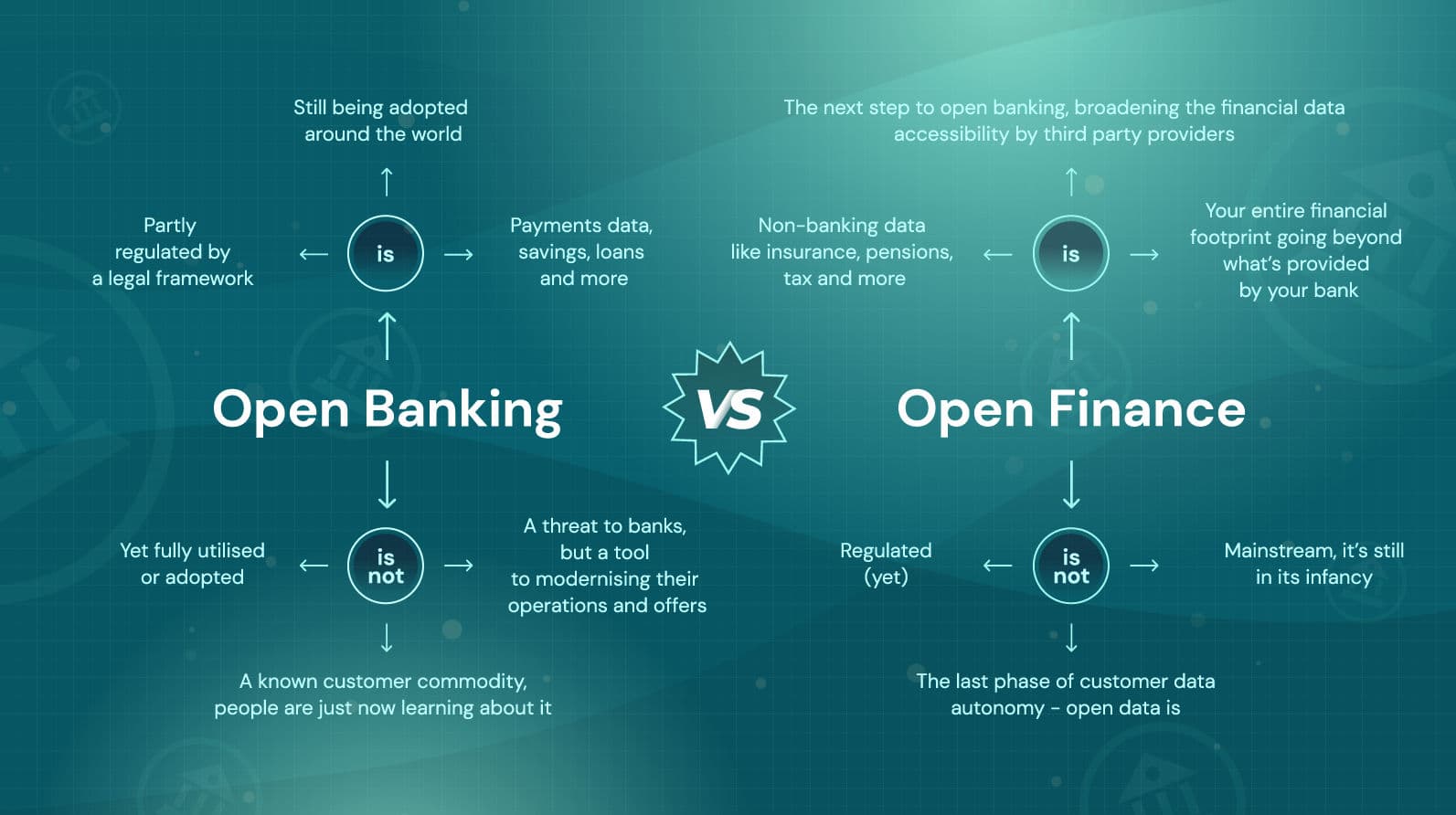
Open Finance vs Open Banking: The Data Super-App Evolution
Open Finance vs. Open Banking (The Data Super-App Evolution)The financial world is rapidly transitioning from isolated banking systems toward interconnected digital ecosystems where data, payments, investments, insurance, identity services, and financial products increasingly operate through integrated platforms. Early digital transformation efforts focused primarily on improving access to banking data through APIs. However, as financial ecosystems evolve, a broader model called Open Finance is emerging.In 2026, the evolution from Open Banking to Open Finance is creating what many describe as the “Data Super-App Era,” where individuals can access and manage nearly every aspect of their financial life through intelligent and interconnected digital ecosystems.This transition could fundamentally reshape banking, consumer behavior, financial competition, and ownership of financial data.What Is Open Banking?Open Banking is a framework that allows banks to securely share customer financial data with authorized third parties through APIs.Bank account data sharingPayment initiation systemsThird-party financial applicationsCustomer-controlled access permissionsThe objective is to improve competition and innovation within banking services.What Is Open Finance?Open Finance extends Open Banking by expanding data sharing beyond traditional bank accounts into broader financial ecosystems.Banking dataInvestment portfoliosInsurance informationRetirement productsCredit and lending systemsDigital assets and payment systemsFinancial information becomes interconnected across multiple services.Why Open Banking Is EvolvingModern financial behavior increasingly spans multiple platforms and services.Multiple financial applicationsDigital investment platformsEmbedded finance systemsCross-platform payment ecosystemsPersonalized financial experiencesConsumers increasingly expect unified financial ecosystems.Open Banking vs Open FinanceOpen BankingOpen FinanceBank account focusedEntire financial ecosystemPayment and account APIsMulti-service data integrationLimited financial scopeComprehensive financial intelligenceOpen Finance expands the reach of data connectivity significantly.The Rise of Data Super-AppsFinancial super-apps integrate multiple services into a unified experience.Payments and transfersInvesting toolsInsurance productsPersonal budgeting systemsLending servicesDigital identity capabilitiesUsers increasingly interact with a single financial interface.AI and Financial PersonalizationArtificial intelligence increasingly powers financial experiences.Personalized recommendationsPredictive spending insightsAdaptive financial planningBehavior-based product suggestionsAI converts connected financial data into actionable intelligence.Benefits of Open FinanceGreater financial transparencyImproved customer experienceEnhanced personalizationExpanded financial inclusionGreater innovation across financial servicesConsumers gain greater control and visibility over their financial activities.Open Banking shares banking data. Open Finance transforms all financial information into a connected intelligence ecosystem.Data Ownership and Consumer ControlFuture financial ecosystems increasingly prioritize user-controlled data access.Permission-based data sharingConsumer ownership modelsGranular privacy controlsConsent management systemsUsers become active managers of financial information.Embedded Finance and Ecosystem IntegrationFinancial services increasingly operate inside non-financial platforms.E-commerce lendingIntegrated insurance servicesSubscription payment systemsContext-based financial recommendationsFinance increasingly becomes invisible infrastructure.Challenges and RisksOpen financial ecosystems introduce several important concerns.Data privacy risksCybersecurity threatsPlatform concentration concernsConsent management complexityRegulatory fragmentationTrust and governance remain essential requirements.Future of Open Financial EcosystemsFinancial systems may increasingly evolve toward intelligent and interconnected platforms.AI-native financial assistantsUnified financial identitiesCross-platform economic ecosystemsAutonomous financial optimization systemsFinancial experiences become increasingly seamless and personalized.Economic and Strategic ImplicationsThe expansion from Open Banking to Open Finance could reshape financial systems globally.Transformation of banking business modelsExpansion of fintech ecosystemsGreater competition among providersShift toward data-driven financial servicesThis transition may redefine the future relationship between consumers, institutions, and financial data.Frequently Asked QuestionsWhat is Open Banking?A system allowing secure sharing of banking information through APIs.What is Open Finance?An expanded ecosystem that includes banking, investments, insurance, lending, and broader financial data.What are financial super-apps?Integrated platforms combining multiple financial services into one unified experience.ConclusionOpen Finance and the evolution beyond Open Banking represent one of the most significant transformations in digital financial systems. By connecting financial data across banking, insurance, investments, payments, and identity ecosystems, the future financial experience increasingly shifts toward AI-powered super-app environments. While this transformation promises greater convenience, personalization, and financial inclusion, it also raises important questions around privacy, governance, and ownership of financial information in an increasingly connected world.

Flexible Credentials and the Payment Card Renaissance
Flexible Credentials & The Payment Card RenaissanceThe payments industry is undergoing a profound transformation driven by digital wallets, embedded finance, artificial intelligence, tokenization, biometric identity systems, and programmable financial infrastructure. Traditional payment cards—once viewed simply as plastic instruments linked to a bank account—are evolving into intelligent financial identities capable of dynamically adapting to context, user preferences, and financial goals.In 2026, a major emerging concept is the rise of “Flexible Credentials” and what many analysts describe as a “Payment Card Renaissance.” Instead of static payment instruments, future credentials may dynamically switch between funding sources, payment rules, identity frameworks, loyalty systems, and programmable financial capabilities.This evolution could fundamentally reshape how people authenticate, pay, borrow, save, and interact with financial systems.What Are Flexible Credentials?Flexible credentials are adaptive payment and identity systems capable of dynamically changing how transactions are processed.Multiple payment source integrationDynamic transaction routingProgrammable payment preferencesIdentity-linked financial functionalityInstead of one fixed payment method, a single credential can support multiple financial functions.Why Traditional Payment Cards Are EvolvingConventional card systems face increasing limitations within modern financial ecosystems.Fixed funding relationshipsLimited personalization capabilitiesFragmented rewards systemsStatic transaction behaviorDependence on legacy payment infrastructureConsumers increasingly expect adaptive and intelligent financial experiences.What Is the Payment Card Renaissance?The payment card renaissance refers to the reinvention of payment credentials from simple transaction tools into programmable financial platforms.AI-powered financial intelligenceContext-aware payment decisionsEmbedded loyalty ecosystemsIntegrated identity servicesPayment cards evolve into intelligent digital financial companions.How Flexible Credentials WorkAdaptive credentials use real-time data and decision systems to determine optimal transaction behavior.Transaction context analysisFunding source optimizationRisk assessment systemsDynamic payment routingFinancial decisions increasingly occur automatically in the background.Examples of Flexible Credential CapabilitiesFuture credentials may automatically adjust payment behavior.Selecting debit versus credit automaticallyOptimizing rewards and loyalty pointsSwitching payment methods by merchant categoryAdjusting spending rules dynamicallyPayment systems become increasingly intelligent and personalized.AI and Adaptive Financial IntelligenceArtificial intelligence is becoming central to payment innovation.Personalized spending recommendationsPredictive financial assistanceFraud detection systemsDynamic financial optimizationAI transforms payment credentials into active financial assistants.Tokenization and SecurityModern payment credentials increasingly rely on token-based security systems.Virtual payment tokensDevice-level transaction credentialsDynamic authentication systemsReduced exposure of sensitive account dataTokenization improves security and privacy.Benefits of Flexible CredentialsGreater personalizationImproved financial efficiencyEnhanced fraud protectionReduced payment frictionIntegrated financial experiencesAdaptive credentials may significantly improve user experiences.Flexible credentials transform payment cards from static financial tools into adaptive digital identities capable of making intelligent financial decisions.Traditional Cards vs Flexible CredentialsTraditional → One card linked to one funding sourceFlexible → Multiple funding and identity layersTraditional → Static transaction behaviorFlexible → Context-aware adaptive decisionsThis changes the role of payment infrastructure.Digital Identity IntegrationFuture payment systems increasingly integrate financial identity capabilities.Biometric authenticationVerified digital credentialsIdentity-based authorization systemsPrivacy-preserving authentication mechanismsPayments and identity become increasingly connected.Embedded Finance EcosystemsPayment credentials increasingly function within broader financial ecosystems.Integrated lending servicesReal-time budgeting toolsEmbedded insurance productsAutomated savings mechanismsFinancial services become integrated directly into payment experiences.Risks and ChallengesFlexible financial systems introduce important challenges.Privacy concernsCybersecurity threatsAlgorithmic decision risksIdentity management complexityRegulatory uncertaintyGovernance and transparency remain essential.Future of Payment CredentialsThe future payment ecosystem may become increasingly intelligent and identity-centric.AI-native payment assistantsAutonomous financial optimizationUnified identity-payment ecosystemsProgrammable financial relationshipsPayment systems increasingly evolve into digital financial platforms.Economic and Strategic ImplicationsThe payment card renaissance could reshape banking and consumer finance.Transformation of payment economicsGreater consumer personalizationExpansion of digital financial ecosystemsRedefinition of financial relationshipsThis evolution may fundamentally alter how individuals interact with money and financial systems.Frequently Asked QuestionsWhat are flexible credentials?Adaptive payment and identity systems capable of dynamically changing payment behavior and funding sources.What is the payment card renaissance?The evolution of payment cards from static transaction tools into intelligent programmable financial platforms.Why are these technologies important?Because they improve personalization, security, efficiency, and integration across financial ecosystems.ConclusionFlexible Credentials and the Payment Card Renaissance represent a major evolution in digital finance where payment instruments become adaptive, intelligent, and deeply integrated with identity and financial services. As AI, embedded finance, tokenization, and digital identity systems continue to mature, payment credentials may evolve from passive transaction tools into active financial decision systems. This transformation could redefine the future relationship between individuals, payments, and the broader financial ecosystem.

Algorithmic Commerce and the Machine-Initiated Economy
Algorithmic Commerce & The Machine-Initiated Economyc Traditional commerce has historically relied on people initiating transactions: consumers browse products, compare prices, place orders, and businesses coordinate supply chains manually. However, advances in artificial intelligence, autonomous agents, connected devices, and digital payment systems are creating a radically different economic model.In 2026, one of the most transformative emerging concepts is the rise of Algorithmic Commerce and the Machine-Initiated Economy — an ecosystem where AI agents, autonomous systems, and connected devices independently discover, negotiate, execute, and optimize economic transactions.This evolution may fundamentally redefine markets, consumption patterns, business operations, and the relationship between humans and economic systems.What Is Algorithmic Commerce?Algorithmic commerce refers to economic activity where software systems and intelligent algorithms participate directly in commercial decision-making and transaction execution.Autonomous purchasing systemsAI-driven transaction executionMachine-to-machine paymentsContinuous optimization of commercial decisionsCommerce increasingly becomes machine-assisted and machine-executed.What Is the Machine-Initiated Economy?The machine-initiated economy describes a system in which intelligent agents and devices independently trigger economic activity.AI agents initiating purchasesAutonomous negotiation systemsSelf-managing supply chainsDevice-to-device financial interactionsMachines evolve from passive tools into active economic participants.Why This Shift Is HappeningSeveral technological developments are accelerating machine-driven commerce.Artificial intelligence advancementInternet of Things expansionReal-time payment systemsAutonomous agent ecosystemsDigital identity and payment infrastructureMachines increasingly possess the information and capabilities required for transactions.How Algorithmic Commerce WorksAutonomous systems continuously analyze needs, prices, preferences, and market conditions.Data collection and contextual analysisDecision optimization algorithmsAutomated negotiation systemsDigital payment executionTransactions occur with minimal human intervention.Examples of Machine-Initiated TransactionsAutonomous economic activity could emerge across multiple sectors.Smart vehicles purchasing charging servicesIndustrial machines ordering replacement partsAI assistants managing subscriptionsSmart homes purchasing supplies automaticallyMachines increasingly become transaction initiators.AI Agents as Economic ParticipantsAI agents increasingly act on behalf of individuals and organizations.Personal commerce agentsEnterprise procurement systemsAutonomous financial assistantsSupply chain optimization agentsAI shifts from advisory systems toward operational actors.Machine-to-Machine PaymentsAutonomous commerce requires new payment systems.Programmable digital currenciesStablecoin payment networksIoT transaction systemsInstant settlement infrastructurePayments become embedded within machines themselves.Benefits of Algorithmic CommerceReduced operational frictionFaster transaction executionContinuous optimization of purchasing decisionsLower transaction costsImproved efficiency across supply chainsAutomation may significantly increase economic productivity.The machine-initiated economy transforms commerce from human-triggered transactions into continuously adaptive interactions among intelligent systems.Traditional Commerce vs Algorithmic CommerceTraditional → Human-initiated transactionsAlgorithmic → Machine-triggered economic activityTraditional → Manual decision processesAlgorithmic → Continuous autonomous optimizationThis changes how markets operate.Role of Digital IdentityAutonomous systems require trusted identity frameworks.Machine authentication systemsDigital ownership credentialsPermission and authorization frameworksIdentity verification infrastructureTrust becomes critical for autonomous economic participation.Risks and ChallengesMachine-driven economies introduce significant concerns.Algorithmic errorsCybersecurity vulnerabilitiesAutonomous fraud risksMarket manipulation concernsLoss of human oversightStrong governance mechanisms remain essential.Regulatory ConsiderationsGovernments and regulators face emerging challenges.Liability and accountability questionsAI governance requirementsMachine identity standardsAutonomous transaction regulationsLegal frameworks must evolve alongside technology.Future of Machine CommerceThe future economy may become increasingly autonomous and interconnected.AI-native marketplacesAutonomous supply chainsContinuous machine negotiationsIntegrated economic intelligence networksEconomic systems may increasingly operate as digital ecosystems.Economic and Strategic ImplicationsThe rise of algorithmic commerce could reshape global economic structures.Transformation of business operationsExpansion of digital economic ecosystemsNew forms of market competitionChanges in consumer behaviorThis transformation may redefine the nature of economic participation itself.Frequently Asked QuestionsWhat is algorithmic commerce?Commerce where intelligent software systems directly participate in commercial decisions and transactions.What is the machine-initiated economy?An economic system where AI agents and connected devices independently initiate transactions and commercial activity.Why is this important?Because autonomous systems may significantly improve efficiency, reduce friction, and reshape how markets function.ConclusionAlgorithmic Commerce and the Machine-Initiated Economy represent a fundamental shift in the future of economic systems. By enabling AI agents, autonomous devices, and machine-to-machine payment infrastructures to independently participate in commerce, this model transforms economic activity from human-centered processes into continuously adaptive digital ecosystems. While this evolution promises major gains in efficiency and automation, it also raises critical questions regarding governance, security, accountability, and the future role of humans within increasingly autonomous economies.
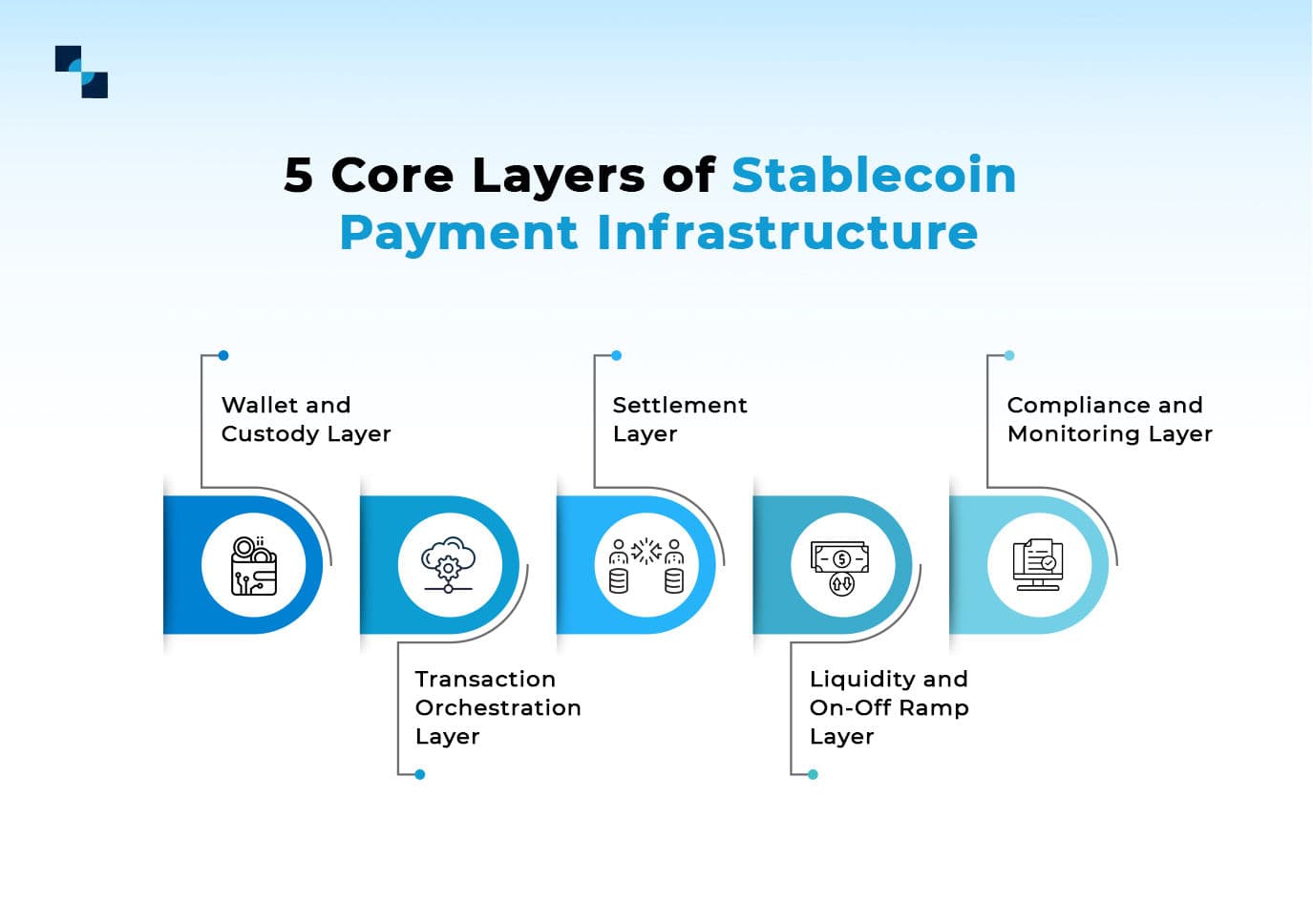
The Stablecoin Interbank Settlement Layer Explained
The Stablecoin Interbank Settlement LayerThe global financial system is experiencing a major shift as digital payments, blockchain infrastructure, programmable money, and real-time financial networks continue to evolve. Traditional interbank settlement systems have historically depended on centralized clearing institutions, delayed processing windows, correspondent banking structures, and multiple intermediaries. While these systems enabled the growth of modern finance, they often introduce settlement delays, operational complexity, and liquidity inefficiencies.In 2026, one of the most significant emerging developments is the concept of a Stablecoin Interbank Settlement Layer — a programmable digital infrastructure where regulated stablecoins function as settlement instruments between banks and financial institutions.This evolution may fundamentally reshape payment systems, treasury operations, cross-border finance, and the architecture of global money movement.What Is an Interbank Settlement Layer?An interbank settlement layer is the infrastructure used by financial institutions to transfer value and settle obligations between each other.Payment clearing systemsLiquidity transfer infrastructureCash settlement networksInstitutional money movement systemsThese systems ensure that money and assets move securely across the banking ecosystem.What Are Stablecoins?Stablecoins are digital assets designed to maintain a stable value relative to a reference asset such as a national currency.Fiat-backed digital currenciesReserve-supported token systemsProgrammable payment instrumentsDigital settlement assetsTheir primary purpose is reducing price volatility while maintaining digital flexibility.Why Interbank Settlement Is ChangingTraditional systems face several operational limitations.Multiple intermediary requirementsSettlement delaysCross-border frictionLiquidity inefficienciesHigh operational costsFinancial institutions increasingly seek real-time settlement capabilities.How a Stablecoin Settlement Layer WorksStablecoins can function as digital settlement instruments between banks.Institutional transactions initiate digitallyStablecoins represent settlement valueBlockchain networks validate transfersSmart contracts automate settlement executionTransfers can potentially occur continuously and with fewer intermediaries.Benefits of Stablecoin Settlement NetworksNear real-time settlement capabilityReduced counterparty exposureImproved liquidity efficiencyLower transaction costsContinuous operational availabilityThese benefits may significantly improve banking infrastructure.Cross-Border Payment TransformationInternational payments are a major target for stablecoin infrastructure.Reduced correspondent banking dependenceFaster international transfersLower settlement frictionEnhanced trade payment efficiencyCross-border money movement could become substantially faster.Treasury and Liquidity ManagementBanks increasingly focus on real-time treasury optimization.Dynamic liquidity allocationContinuous cash positioningIntraday funding optimizationAutomated treasury operationsStablecoins could improve institutional liquidity management.Stablecoin settlement infrastructure transforms money movement from delayed institutional processes into programmable and continuous financial networks.Traditional Settlement vs Stablecoin SettlementTraditional → Multiple intermediaries and delayed processingStablecoin → Near real-time programmable transfersTraditional → Fixed operating windowsStablecoin → Continuous network availabilityThis transition changes the operational structure of financial markets.Smart Contracts and Programmable MoneyProgrammable financial logic expands settlement possibilities.Automated payment executionConditional transaction rulesIntegrated compliance systemsSelf-executing settlement workflowsMoney itself becomes programmable infrastructure.AI and Settlement IntelligenceArtificial intelligence increasingly supports institutional payment systems.Predictive liquidity analyticsFraud detection systemsDynamic settlement optimizationRisk forecasting systemsAI improves operational efficiency and resilience.CBDCs vs Stablecoin Settlement SystemsState-backed and private digital settlement systems may coexist.CBDCs → Sovereign digital money infrastructureStablecoins → Private programmable settlement assetsCBDCs → Central bank control modelsStablecoins → Market-driven operational ecosystemsFuture financial infrastructure could combine both approaches.Regulatory ChallengesStablecoin settlement systems face evolving regulatory requirements.Reserve transparency requirementsAnti-money laundering complianceConsumer protection standardsCross-border legal frameworksRegulation remains critical for large-scale adoption.Risks and LimitationsStablecoin systems introduce important operational risks.Reserve management concernsCybersecurity threatsInfrastructure concentration risksOperational disruptionsRegulatory uncertaintyFinancial resilience remains essential.Future of Interbank Stablecoin InfrastructureThe future financial ecosystem may increasingly operate through digital settlement networks.24/7 banking infrastructureAI-native treasury systemsGlobal programmable liquidity networksIntegrated digital money ecosystemsSettlement may become continuously active and software-driven.Economic and Strategic ImplicationsThe rise of stablecoin settlement layers could reshape global finance.Transformation of payment systemsReduced friction in global tradeExpansion of programmable financeEvolution of institutional banking modelsThis evolution could redefine the movement of money in the digital economy.Frequently Asked QuestionsWhat is a stablecoin interbank settlement layer?A digital infrastructure where regulated stablecoins are used for settlement between financial institutions.Why are banks interested in stablecoin settlements?Because they may provide faster transfers, lower costs, and improved liquidity efficiency.Can stablecoins replace traditional banking systems?Stablecoins may complement existing systems rather than fully replace them, particularly in institutional settlement infrastructure.ConclusionThe Stablecoin Interbank Settlement Layer represents a major evolution in digital finance by transforming money movement into programmable and near real-time infrastructure. By combining blockchain technology, stable digital assets, smart contracts, and AI-enhanced treasury systems, this model could significantly improve settlement efficiency across banking ecosystems. While substantial regulatory, operational, and systemic challenges remain, stablecoin settlement networks may become a foundational layer of future global financial infrastructure.

T+0 Settlement Shockwaves and Liquidity Squeeze Risks
T+0 Settlement Shockwaves & Intra-Day Liquidity SqueezesGlobal financial markets are moving toward faster and increasingly automated settlement systems. Historically, securities transactions required multiple days between trade execution and final settlement. Markets evolved from T+5 to T+3, then to T+2, and more recently toward T+1 settlement cycles. In 2026 and beyond, many financial institutions and market infrastructures are actively exploring the next frontier: T+0 settlement, where transactions settle on the same day they are executed.While immediate settlement promises efficiency and lower counterparty risk, it also introduces significant changes to market liquidity dynamics. One of the most important emerging concerns is the potential for “intra-day liquidity squeezes,” where financial institutions may struggle to secure sufficient cash, collateral, or assets within extremely compressed time windows.This shift could create shockwaves across trading systems, treasury operations, and broader financial market stability.What Is T+0 Settlement?T+0 settlement refers to financial transactions settling on the same day the trade occurs.T = trade execution date+0 = immediate or same-day settlementNear real-time transaction completionReduced settlement delaysOwnership and cash transfer occur almost immediately after execution.Why Financial Markets Want Faster SettlementTraditional settlement cycles introduce operational and financial risks.Counterparty exposure risksSettlement failuresCollateral inefficienciesOperational delaysCapital lock-up effectsFaster settlement aims to improve efficiency and reduce systemic risk.Benefits of T+0 SystemsReduced counterparty riskLower collateral requirementsImproved operational efficiencyFaster capital availabilityEnhanced market transparencyThese benefits make real-time settlement highly attractive.What Is an Intra-Day Liquidity Squeeze?An intra-day liquidity squeeze occurs when institutions suddenly need immediate access to cash or assets during trading hours.Rapid funding demand spikesCollateral shortagesSettlement timing mismatchesCash flow disruptionsLiquidity pressures may intensify as settlement speeds increase.Why T+0 Can Create ShockwavesImmediate settlement compresses operational timelines dramatically.Reduced time for funding arrangementsGreater pressure on treasury systemsIncreased demand for real-time collateralLess flexibility in risk managementSpeed may transfer risk rather than eliminate it.Impact on Banks and Financial InstitutionsFinancial institutions may face significant operational changes.Continuous liquidity monitoringReal-time treasury management systemsHigher intraday funding requirementsDynamic collateral allocationBanking infrastructure may require substantial redesign.Role of Central BanksCentral banks may become increasingly important in supporting liquidity systems.Intraday liquidity facilitiesEmergency funding mechanismsPayment infrastructure oversightSystemic stability supportLiquidity provision becomes increasingly strategic.T+0 settlement reduces settlement delays but may shift systemic risk toward liquidity timing and operational resilience.Traditional Settlement vs T+0 SettlementTraditional → Delayed settlement windowsT+0 → Immediate settlement executionTraditional → Greater operational flexibilityT+0 → Higher real-time liquidity requirementsThis transition changes how financial institutions manage capital flows.Technology Supporting T+0 InfrastructureSeveral technologies are enabling real-time settlement systems.Distributed ledger technologyReal-time payment systemsAI-powered liquidity monitoringSmart contract settlement mechanismsTechnology becomes critical for operational resilience.AI and Liquidity Prediction SystemsArtificial intelligence increasingly assists treasury and liquidity management.Predictive liquidity forecastingDynamic collateral optimizationStress scenario simulationsAutomated treasury decision systemsAI improves responsiveness to rapid market changes.Potential Market RisksT+0 systems introduce several new forms of market risk.Funding bottlenecksIntraday volatility spikesLiquidity fragmentationOperational system failuresFlash market disruptionsReal-time systems may amplify stress during market turbulence.Cross-Border ChallengesGlobal financial systems face additional complexity.Time-zone differencesCurrency settlement mismatchesJurisdictional regulationsCross-market coordination challengesGlobal interoperability remains difficult.Future of Real-Time Market InfrastructureThe future financial ecosystem may increasingly operate continuously.24/7 market structuresAI-managed liquidity systemsProgrammable settlement networksAutonomous financial infrastructureMarkets may evolve toward continuous real-time operation.Economic and Strategic ImplicationsT+0 settlement could reshape the structure of financial markets.Transformation of treasury operationsChanges in liquidity economicsExpansion of real-time financial infrastructureNew approaches to systemic risk managementThis transition could redefine the speed and architecture of global capital markets.Frequently Asked QuestionsWhat is T+0 settlement?A settlement model where financial transactions settle on the same day the trade occurs.What is an intra-day liquidity squeeze?A situation where institutions face sudden demand for cash or collateral during trading hours.Why could T+0 create risks?Because faster settlement compresses funding and collateral timelines, potentially increasing liquidity stress.ConclusionT+0 settlement represents a major evolution in financial market infrastructure by promising faster transactions, lower counterparty exposure, and more efficient capital usage. However, accelerating settlement speed also changes the timing and structure of risk across financial systems. As markets move toward real-time operations, intra-day liquidity management, AI-powered forecasting, and resilient digital infrastructure may become critical foundations of future market stability.
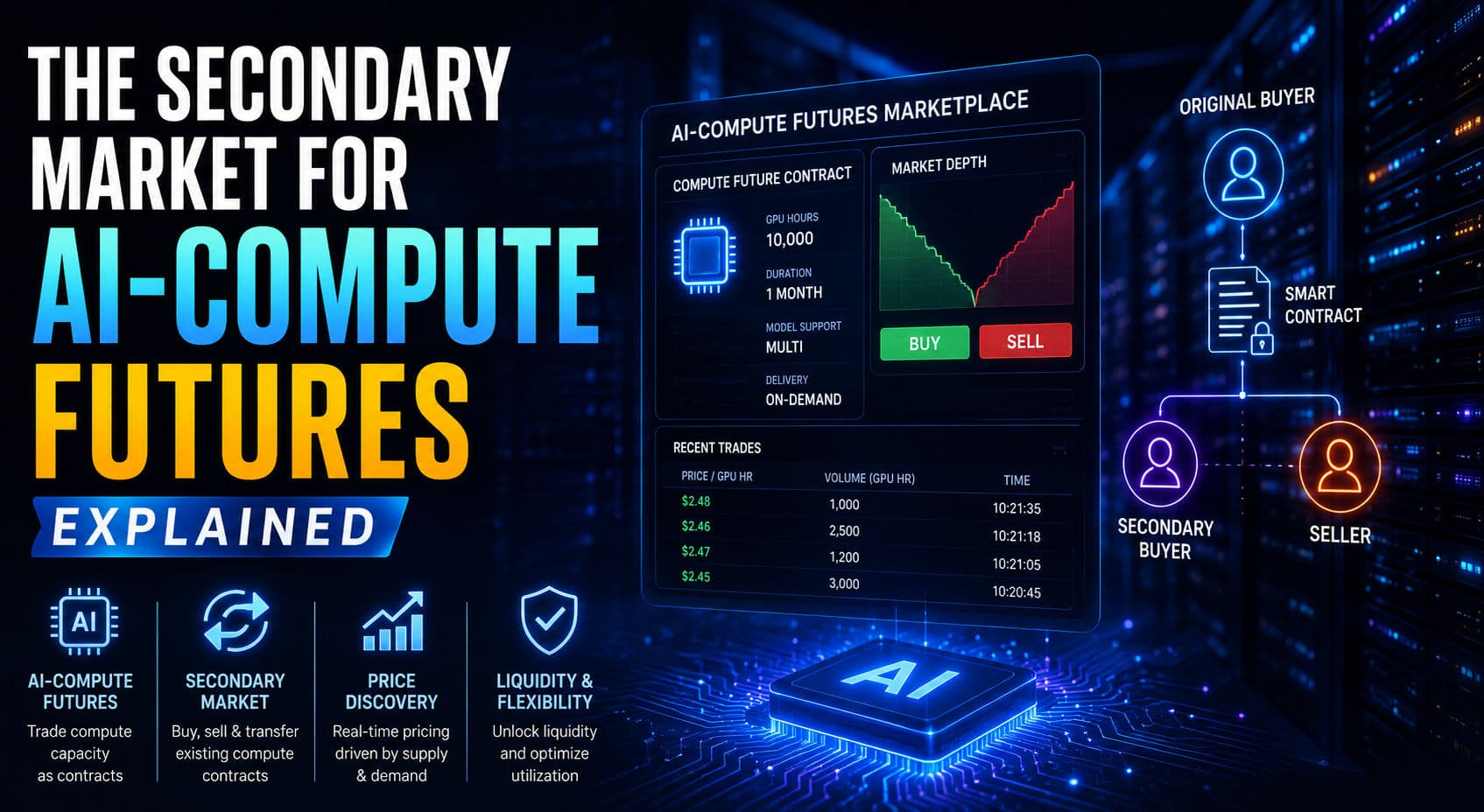
The Secondary Market for AI-Compute Futures Explained
The Secondary Market for "AI-Compute" FuturesThe rapid expansion of artificial intelligence has transformed computing power into one of the world's most valuable strategic resources. Advanced AI systems increasingly require enormous quantities of GPU capacity, specialized AI accelerators, high-performance cloud infrastructure, and energy-intensive computing environments. As demand for AI training and inference continues to accelerate, compute resources are evolving from a technical utility into a tradable economic asset.In 2026, an emerging financial concept is gaining attention: the secondary market for AI-compute futures. Similar to commodity markets for oil, electricity, and agricultural products, these markets could allow organizations to buy, sell, hedge, and speculate on future access to computational capacity.This development could fundamentally reshape cloud economics, AI infrastructure financing, and the future architecture of digital markets.What Are AI-Compute Futures?AI-compute futures are financial agreements linked to future access or pricing of computational resources used for artificial intelligence workloads.Future GPU capacity rightsReserved cloud compute contractsAI accelerator allocation agreementsComputational resource derivativesCompute itself becomes a financial asset class.Why AI Compute Is Becoming ScarceSeveral factors are increasing demand for computational resources.Large-scale AI model trainingGrowth of AI agents and automation systemsExpansion of inference workloadsRising enterprise AI adoptionSpecialized hardware limitationsDemand increasingly exceeds available supply.What Is a Secondary Market?A secondary market allows existing contracts or resource rights to be bought and sold after their initial issuance.Transfer of future resource allocationsLiquidity creation mechanismsRisk management systemsDynamic price discoverySecondary markets create flexibility for resource owners and buyers.How AI-Compute Futures Markets Might WorkOrganizations reserve future compute capacity and later trade these allocations.Cloud providers allocate future compute contractsBuyers acquire reservation rightsSecondary participants trade these rightsMarkets establish real-time pricingCompute access becomes tradable infrastructure.Potential Participants in AI-Compute MarketsMultiple industries could participate in compute trading ecosystems.Cloud infrastructure providersAI development companiesFinancial institutionsEnterprise technology firmsSpecialized compute brokersCompute markets could become highly diversified.Benefits of AI-Compute FuturesImproved resource allocation efficiencyReduced compute supply uncertaintyEnhanced infrastructure planningBetter risk management capabilitiesGreater market liquidityThese mechanisms may stabilize future compute ecosystems.AI Infrastructure as a CommodityHistorically, commodities included physical resources such as energy and metals.OilNatural gasElectricityIndustrial metalsComputational powerAI compute could become a new strategic digital commodity.As artificial intelligence expands, computational capacity may evolve from technical infrastructure into one of the most strategically traded assets of the digital economy.Traditional Cloud Services vs AI-Compute FuturesTraditional → Direct pay-for-use cloud consumptionAI-Compute Futures → Tradable future resource contractsTraditional → Fixed infrastructure purchasingAI-Compute Futures → Dynamic market pricing systemsThis transition changes how organizations acquire computational resources.Tokenization and Compute OwnershipBlockchain systems could support compute trading ecosystems.Tokenized compute rightsSmart contract settlementsProgrammable infrastructure marketsFractional compute ownership modelsDigital assets may improve liquidity and transparency.AI and Automated Resource MarketsAI itself could manage compute markets.Predictive demand modelingDynamic pricing optimizationAutonomous infrastructure allocationReal-time resource balancingAI may increasingly coordinate AI infrastructure.Risks and ChallengesAI-compute futures introduce new risks and uncertainties.Market speculation risksResource concentration concernsInfrastructure volatilityRegulatory uncertaintyPricing manipulation possibilitiesStrong governance mechanisms would remain important.Geopolitical ImplicationsCompute resources increasingly influence national competitiveness.National AI infrastructure strategiesSemiconductor supply chain competitionDigital sovereignty initiativesStrategic technology alliancesCompute access is becoming a geopolitical concern.Future of AI-Compute MarketsThe future may include highly sophisticated computational economies.Global compute exchangesAI-native infrastructure marketsAutonomous compute trading agentsIntegrated digital resource ecosystemsComputation may become a core financial asset category.Economic and Strategic ImplicationsThe emergence of AI-compute futures could reshape digital economic systems.New infrastructure financing modelsExpansion of digital asset classesTransformation of cloud economicsAcceleration of AI adoptionThis evolution may redefine how digital resources are valued and traded.Frequently Asked QuestionsWhat are AI-compute futures?Financial agreements linked to future access or pricing of computational resources used for AI workloads.Why would compute become a tradable asset?Because AI demand increasingly creates scarcity and strategic value around computational infrastructure.What risks exist in AI-compute futures markets?Potential risks include speculation, market concentration, infrastructure volatility, and regulatory uncertainty.ConclusionThe secondary market for AI-compute futures represents a possible future evolution where computational power becomes a strategic digital commodity with its own liquidity systems, pricing structures, and financial instruments. As AI infrastructure demand continues to rise, organizations may increasingly seek mechanisms to hedge, allocate, and trade future access to computing resources. While such markets could improve efficiency and flexibility, they also introduce new economic, regulatory, and geopolitical challenges that could reshape the architecture of the digital economy.

Zero-Knowledge Proofs in Lending: Privacy Meets Finance
Zero-Knowledge Proofs (ZKP) in LendingThe lending industry is undergoing a major transformation as digital identity systems, privacy technologies, decentralized finance (DeFi), and artificial intelligence reshape how borrowers and lenders interact. Traditional lending systems often require customers to disclose large amounts of sensitive information including income records, bank statements, employment details, identity documents, tax information, and credit histories.In 2026, one of the most promising technologies for balancing trust and privacy is the use of Zero-Knowledge Proofs (ZKPs) in lending. Instead of revealing sensitive personal data directly, ZKPs allow individuals to prove that specific conditions are true without exposing the underlying information itself.This technology may fundamentally change financial privacy, digital identity verification, and trust infrastructure in the future lending ecosystem.What Are Zero-Knowledge Proofs?Zero-Knowledge Proofs are cryptographic methods that enable one party to prove a statement is true without revealing the underlying data.Privacy-preserving verificationCryptographic trust systemsSelective information disclosureMathematical proof mechanismsTrust is established without exposing confidential information.Why Traditional Lending Creates Privacy ChallengesTraditional lending systems require extensive disclosure of personal financial data.Income verification documentsEmployment informationCredit history reportsBank account dataIdentity recordsLarge-scale data sharing increases privacy and security risks.How ZKPs Work in LendingZKP systems allow borrowers to prove financial qualifications without revealing sensitive details.Proof of minimum income thresholdsCreditworthiness verificationDebt-to-income qualification checksIdentity confirmation systemsLenders verify eligibility without viewing the underlying data.Example ScenarioInstead of submitting complete financial records, a borrower could provide:Proof that annual income exceeds a required amountProof that debt remains below a specified thresholdProof of legal age and identity validityProof of credit eligibility requirementsThe lender receives verification without accessing private financial details.Core Technologies Behind ZKP LendingCryptographic proof systemsBlockchain infrastructureDecentralized identity frameworksSmart contractsSecure computation systemsThese technologies create privacy-preserving trust systems.Applications in Financial ServicesZKP systems extend beyond lending into broader financial ecosystems.Mortgage qualification systemsConsumer credit underwritingIdentity verification platformsFraud prevention systemsKYC and AML processesPrivacy-enhancing infrastructure is expanding rapidly.Benefits of ZKP LendingEnhanced financial privacyReduced identity theft riskLower data storage requirementsImproved security architectureGreater user control over informationPrivacy and trust become complementary rather than competing objectives.Zero-Knowledge Proofs redefine financial trust by allowing individuals to prove eligibility without surrendering ownership of personal information.Traditional Lending vs ZKP LendingTraditional → Extensive disclosure of personal dataZKP Lending → Minimal disclosure with cryptographic proofTraditional → Centralized storage of sensitive informationZKP Lending → Privacy-preserving verification systemsThis changes the architecture of trust in financial systems.Role in Decentralized Finance (DeFi)ZKPs are increasingly important within decentralized financial ecosystems.Private lending protocolsAnonymous borrowing systemsOn-chain identity verificationProgrammable compliance systemsPrivacy and decentralization increasingly intersect.AI and Intelligent Lending SystemsArtificial intelligence can enhance ZKP-based lending infrastructure.Risk prediction modelsFraud detection systemsAdaptive credit evaluationAutomated underwriting systemsAI enables scalable and intelligent financial decision-making.Regulatory ConsiderationsPrivacy-preserving finance introduces new regulatory questions.Anti-money laundering requirementsKnow-your-customer obligationsCross-border financial regulationsConsumer protection standardsRegulators must balance privacy with accountability.Challenges and LimitationsDespite their promise, ZKP systems face several challenges.High computational complexityScalability constraintsImplementation costsLimited standardizationRegulatory uncertaintyAdoption requires improvements in infrastructure and interoperability.Future of ZKP-Based LendingThe future financial ecosystem may increasingly rely on privacy-preserving technologies.Self-sovereign identity systemsAI-powered lending automationPrivacy-first digital bankingProgrammable trust infrastructuresFinancial systems may become both more secure and more privacy-centered.Economic and Strategic ImplicationsZKP lending could reshape trust and information exchange across global finance.Reduced systemic privacy risksExpansion of digital financial inclusionTransformation of identity systemsImproved cybersecurity resilienceThis evolution extends beyond lending into the broader future of digital trust infrastructure.Frequently Asked QuestionsWhat are Zero-Knowledge Proofs?Cryptographic methods that allow someone to prove a statement is true without revealing the underlying data.How are ZKPs used in lending?They allow borrowers to prove eligibility requirements such as income or creditworthiness without disclosing sensitive financial information.Why are ZKPs important?They improve privacy, reduce data exposure risks, and create more secure trust systems.ConclusionZero-Knowledge Proofs in lending represent a major advancement in the evolution of privacy-preserving financial systems. By enabling borrowers to prove financial eligibility without exposing personal information, ZKPs may fundamentally redefine trust, identity verification, and credit assessment. As blockchain infrastructure, AI systems, and decentralized identity technologies continue to evolve, privacy-first lending ecosystems could become a core pillar of next-generation financial architecture.

The Rise of Vibe-Trading Algorithms in Modern Finance
The Rise of "Vibe-Trading" AlgorithmsThe financial world is entering a new phase where market behavior is increasingly shaped by psychology, social narratives, online communities, AI-generated content, and digital emotions. Traditional market models relied heavily on corporate earnings, economic indicators, technical analysis, and institutional research. However, modern digital ecosystems are introducing new signals capable of influencing price movements at extraordinary speed.In 2026, one of the most disruptive emerging trends is the rise of “Vibe-Trading Algorithms”—AI systems designed to monitor and interpret collective emotions, internet narratives, social engagement patterns, and behavioral signals to generate trading insights and automated investment decisions.These systems attempt to transform digital sentiment into measurable financial intelligence, potentially reshaping the future of trading and market dynamics.What Are Vibe-Trading Algorithms?Vibe-trading algorithms are AI-powered systems that analyze emotional and behavioral signals from digital environments to predict market movement.Social sentiment analysisBehavioral pattern detectionNarrative momentum trackingEmotion-based trading signalsThe objective is to convert collective human sentiment into quantitative investment intelligence.Why Traditional Market Signals Are EvolvingModern financial markets increasingly react to digital behavior and information velocity.Massive retail market participationReal-time information distributionSocial platform influenceAI-generated financial contentCommunity-driven investing behaviorBehavior itself is becoming a financial signal.How Vibe-Trading Algorithms WorkThese systems continuously collect and analyze large-scale digital interactions.Social media text analysisEmotion classification systemsNarrative trend identificationBehavioral momentum scoringAlgorithms convert online behavior into trading insights.Core Technologies Behind Vibe-TradingSeveral advanced technologies support sentiment-driven trading systems.Artificial intelligence and machine learningNatural language processing (NLP)Behavioral analyticsLarge language modelsPredictive market modelingThese technologies enable large-scale emotional analysis.Sources of Sentiment DataVibe-trading systems rely on diverse digital information sources.Social media discussionsFinancial communities and forumsNews platformsSearch behavior patternsCreator and influencer ecosystemsDigital conversation becomes market data.Narrative Markets and Meme DynamicsFinancial markets increasingly respond to narratives rather than only fundamentals.Meme stock behaviorCommunity-driven speculationIdentity-based investingEmotionally amplified market cyclesNarratives can temporarily dominate market behavior.AI and Collective Psychology ModelingAI increasingly attempts to model large-scale human behavior.Fear and greed analysisBehavioral volatility predictionCrowd psychology monitoringAdaptive trading recommendationsCollective emotions become measurable variables.Benefits of Vibe-Trading SystemsEarlier detection of market sentiment changesImproved short-term behavioral forecastingEnhanced awareness of retail activityAdaptive market intelligence capabilitiesContinuous information processingThese systems may strengthen real-time decision-making.Vibe-trading algorithms transform collective digital emotion into a financial signal capable of influencing capital allocation and market behavior.Traditional Quant Models vs Vibe ModelsTraditional → Historical price and financial indicatorsVibe Models → Emotional and behavioral signalsTraditional → Structured financial datasetsVibe Models → Dynamic digital interaction ecosystemsThis changes how trading systems interpret information.Institutional AdoptionLarge financial institutions increasingly integrate sentiment analytics.Hedge fund behavioral strategiesRetail flow analysis systemsNarrative risk intelligence platformsAI-powered market forecasting modelsSentiment analysis is becoming institutional infrastructure.Risks and ConcernsEmotion-based financial systems introduce substantial risks.Market manipulation potentialAI-generated misinformation risksBehavioral herd effectsFlash volatility eventsOver-amplification of narrativesEmotional systems can magnify instability.Regulatory ChallengesRegulators increasingly monitor sentiment-driven markets.Algorithm transparency requirementsAI governance frameworksMarket manipulation oversightDigital platform accountabilityRegulation continues evolving alongside technology.Future of Vibe-TradingFuture trading systems may become increasingly behavior-aware.Emotion-sensitive trading agentsAI-native investment ecosystemsPersonalized behavioral investing systemsAutonomous sentiment-trading infrastructureBehavioral intelligence could become central to financial markets.Economic and Societal ImplicationsThe rise of vibe-trading algorithms may reshape the relationship between technology, psychology, and financial systems.Expansion of behavioral finance ecosystemsGreater influence of digital culture on marketsTransformation of information economicsChanging market participation dynamicsMarkets may increasingly operate as real-time behavioral systems.Frequently Asked QuestionsWhat are vibe-trading algorithms?AI systems that analyze social sentiment, emotions, and digital behavior to generate trading signals.Why are they becoming important?Because social behavior and online narratives increasingly influence financial markets.What risks do vibe-trading systems create?Potential risks include market manipulation, misinformation amplification, and extreme volatility.ConclusionThe rise of vibe-trading algorithms represents a significant evolution in modern financial systems where emotions, narratives, digital behavior, and AI increasingly interact with market dynamics. By converting collective psychology into measurable investment signals, these systems could transform trading, risk management, and market forecasting. While they offer new opportunities for behavioral intelligence and adaptive investing, they also raise important questions related to transparency, ethics, stability, and the growing influence of digital culture on global financial systems.
Hyper-Regional Sovereign CBDCs: Future of Digital Currency
Hyper-Regional "Sovereign" CBDCsThe future of money is becoming increasingly digital, programmable, and geopolitically strategic. Central Bank Digital Currencies (CBDCs), once viewed as experimental government-backed digital cash systems, are now evolving into sophisticated national and regional financial infrastructures. In 2026, a major new trend is emerging within this transformation: the rise of hyper-regional sovereign CBDCs.Unlike early CBDC initiatives focused primarily on domestic retail payments, hyper-regional sovereign CBDCs are designed to strengthen regional economic blocs, improve payment sovereignty, reduce dependence on foreign financial infrastructure, and establish digitally integrated monetary ecosystems aligned with geopolitical interests.This evolution may fundamentally reshape international finance, cross-border payments, digital trade, and monetary sovereignty.What Are CBDCs?Central Bank Digital Currencies are government-issued digital forms of national currency operated by central banks.Digital sovereign moneyState-backed programmable currencyCentralized or hybrid digital payment systemsNational digital settlement infrastructureCBDCs combine monetary authority with digital financial technology.What Are Hyper-Regional Sovereign CBDCs?Hyper-regional sovereign CBDCs are digital currency systems designed to operate across regional economic alliances while maintaining national monetary control.Regionalized digital payment corridorsCross-border sovereign settlement systemsDigitally integrated economic blocsLocalized monetary ecosystemsThey combine regional interoperability with national financial sovereignty.Why CBDCs Are Becoming StrategicGovernments increasingly view digital currencies as strategic infrastructure.Financial sovereignty protectionReduced dependence on foreign payment systemsGeopolitical economic competitionNational cybersecurity resilienceControl over digital financial ecosystemsMoney itself is becoming a geopolitical technology platform.The Shift Toward Regional Financial BlocsGlobal finance is increasingly fragmenting into regional digital ecosystems.Regional payment alliancesLocalized financial infrastructureSovereign cloud ecosystemsCross-border digital trade corridorsCBDCs are accelerating the formation of digital financial blocs.How Hyper-Regional CBDC Systems WorkThese systems connect sovereign digital currencies through interoperable regional infrastructure.Cross-border CBDC settlement layersRegional liquidity networksProgrammable smart settlement systemsAI-powered transaction monitoringRegional interoperability becomes a key design principle.Core Technologies Behind Sovereign CBDCsBlockchain and distributed ledger systemsProgrammable smart contract infrastructureAI-powered financial monitoring systemsQuantum-safe cybersecurity frameworksDigital identity ecosystemsCBDCs rely on highly advanced digital infrastructure.Cross-Border Payments and TradeCBDCs could significantly transform international trade systems.Faster cross-border settlementsReduced transaction costs24/7 programmable paymentsRegional trade integrationCross-border financial systems become increasingly digitized.Benefits of Hyper-Regional CBDCsEnhanced payment sovereigntyImproved regional economic integrationReduced foreign infrastructure dependenceGreater financial resilienceReal-time programmable settlement systemsThese advantages are accelerating government investment.Hyper-regional sovereign CBDCs transform digital currency from a domestic payment tool into a strategic instrument of geopolitical and economic coordination.Traditional Financial Infrastructure vs CBDC NetworksTraditional → Intermediary-heavy global settlement systemsCBDCs → Direct programmable digital settlementsTraditional → Fragmented cross-border payment railsCBDCs → Integrated sovereign digital corridorsThis shift changes the architecture of international finance.AI and Sovereign Financial IntelligenceArtificial intelligence increasingly supports CBDC ecosystems.Fraud and anomaly detection systemsReal-time liquidity optimizationBehavioral transaction analyticsMonetary policy intelligence platformsAI enhances scalability and operational oversight.Digital Sovereignty and GeopoliticsCBDCs are increasingly tied to geopolitical strategy.Financial independence initiativesRegional monetary influenceAlternative settlement ecosystemsDigital economic alliancesDigital currencies are becoming instruments of national strategy.Privacy and Surveillance ConcernsCBDC systems raise major civil liberty and governance questions.Transaction monitoring capabilitiesFinancial surveillance risksProgrammable spending controlsData privacy concernsGovernment oversight expansionBalancing efficiency and freedom remains a major challenge.Stablecoins vs Sovereign CBDCsPrivate digital currencies increasingly compete with sovereign systems.Stablecoins → Private programmable money ecosystemsCBDCs → State-backed digital monetary systemsStablecoins → Market-driven liquidity networksCBDCs → Sovereign monetary control frameworksThe future financial system may include both models.Challenges and RisksDespite their potential, CBDCs introduce major operational and geopolitical risks.Cybersecurity vulnerabilitiesSystemic operational failuresCross-border regulatory conflictsFinancial fragmentation risksConcentration of financial surveillance powerStrong governance and resilience systems are essential.Future of Hyper-Regional CBDCsThe future financial ecosystem may become increasingly sovereignty-centered and digitally regionalized.AI-native monetary systemsRegional digital trade corridorsProgrammable sovereign finance ecosystemsIntegrated digital economic blocsCBDCs may become foundational infrastructure for future global finance.Economic and Strategic ImplicationsHyper-regional sovereign CBDCs could reshape global economic power structures.Reduced dependence on legacy global payment systemsExpansion of regional financial alliancesTransformation of cross-border trade infrastructureIncreasing competition between digital monetary ecosystemsThis transformation extends beyond payments into the future of geopolitical economic organization itself.Frequently Asked QuestionsWhat are CBDCs?Central Bank Digital Currencies are digital forms of sovereign national currency issued by central banks.What are hyper-regional sovereign CBDCs?Regionalized digital currency systems designed to strengthen cross-border financial integration while maintaining national monetary sovereignty.Why are governments investing in CBDCs?To improve payment infrastructure, strengthen financial sovereignty, and reduce dependence on foreign financial systems.ConclusionHyper-Regional Sovereign CBDCs represent one of the most important transformations in the future of money, digital sovereignty, and geopolitical finance. As governments increasingly build programmable digital monetary systems aligned with regional economic and strategic interests, CBDCs are evolving beyond simple payment tools into foundational infrastructure for future digital economies. While these systems offer major opportunities for efficiency, integration, and financial resilience, they also introduce profound challenges related to privacy, surveillance, cybersecurity, and geopolitical fragmentation. Ultimately, the rise of sovereign CBDCs may redefine the structure of global monetary systems in the digital age.

Neuro-Fintech and the Rise of Stress-Based Credit Scores
Neuro-Fintech: The "Stress-Based" Credit ScoreThe financial industry is entering an era where neuroscience, behavioral analytics, biometric technologies, artificial intelligence, and fintech infrastructure are beginning to converge. Traditional financial systems have historically evaluated creditworthiness through static indicators such as income, debt history, repayment records, and asset ownership. However, next-generation fintech ecosystems are increasingly exploring deeper behavioral and cognitive dimensions of financial risk.In 2026, the rise of “Neuro-Fintech” is introducing experimental concepts such as stress-based credit scoring—systems that attempt to evaluate financial reliability using physiological, behavioral, and emotional data patterns. These systems aim to assess how individuals react to stress, uncertainty, financial pressure, and decision-making environments.This emerging field could fundamentally reshape the future of credit, risk analysis, financial inclusion, and consumer privacy.What Is Neuro-Fintech?Neuro-Fintech refers to the integration of neuroscience, behavioral psychology, biometric analytics, and financial technology systems.Behavioral finance analyticsBiometric financial intelligenceEmotion-aware financial systemsAI-driven cognitive risk analysisFinancial decision-making becomes increasingly behavior-centered.What Is a Stress-Based Credit Score?A /credit score is a proposed financial assessment model that analyzes physiological and behavioral responses associated with stress and financial decision-making.Stress-response analysisBehavioral stability monitoringCognitive risk profilingAdaptive financial trust modelingThe system attempts to predict financial reliability beyond traditional credit metrics.Why Traditional Credit Scoring Is Being ChallengedConventional credit systems face several structural limitations.Limited financial inclusionDependence on historical borrowing recordsLack of behavioral contextStatic risk evaluation methodsFintech innovators seek more dynamic and predictive models.How Stress-Based Credit Systems WorkThese systems analyze biometric and behavioral signals linked to stress and decision-making patterns.Heart rate variability analysisBehavioral interaction monitoringFinancial decision-response patternsAI-driven cognitive risk predictionBehavioral signals become inputs for financial scoring systems.Core Technologies Behind Neuro-FintechArtificial intelligence and machine learningWearable biometric devicesBehavioral analytics platformsNeuroscience-informed algorithmsReal-time emotional pattern recognitionThese technologies enable adaptive behavioral finance systems.Potential ApplicationsStress-based financial systems could expand across multiple fintech sectors.Consumer lendingInsurance underwritingFraud detection systemsBehavioral investment platformsFinancial wellness ecosystemsBehavioral data becomes a financial asset class.Financial Wellness and Preventive FinanceNeuro-fintech may increasingly focus on financial well-being rather than only risk assessment.Stress-aware budgeting systemsBehavioral financial coachingAI-driven debt management supportMental-financial wellness integrationFinance evolves toward behavioral support ecosystems.Benefits of Neuro-Fintech SystemsMore adaptive risk analysisPotential expansion of financial inclusionReal-time behavioral financial insightsImproved fraud detection capabilitiesEnhanced personalization of financial servicesBehavioral intelligence could improve financial system responsiveness.Neuro-fintech transforms finance from a purely transactional system into a behavioral intelligence ecosystem shaped by cognition, emotion, and physiological response.Traditional Credit Scores vs Stress-Based ScoresTraditional → Historical financial recordsStress-Based → Behavioral and physiological analysisTraditional → Static scoring modelsStress-Based → Continuous adaptive profilingThis shift fundamentally changes how financial trust is evaluated.AI and Behavioral Finance IntelligenceArtificial intelligence is central to neuro-fintech systems.Emotion-detection analyticsBehavioral forecasting modelsAdaptive financial profilingPredictive risk intelligence systemsAI enables scalable cognitive-financial analysis.Wearables and Biometric Financial DataWearable devices increasingly generate real-time behavioral information.Stress monitoring sensorsHeart rate and sleep analysisCognitive fatigue indicatorsBehavioral consistency trackingBiometric data becomes increasingly integrated with digital ecosystems.Ethical and Privacy ConcernsStress-based financial systems raise major ethical questions.Biometric privacy risksEmotional surveillance concernsPotential discrimination and biasConsent and data ownership issuesPsychological profiling risksThe ethics of behavioral finance systems remain highly controversial.Regulatory ChallengesGovernments and regulators are beginning to examine neuro-fintech systems.AI governance frameworksBiometric data protection lawsFinancial fairness regulationsConsumer rights and transparency rulesRegulatory adaptation will shape future adoption.Financial Inclusion OpportunitiesSupporters argue that behavioral finance systems may expand access to underserved populations.Alternative creditworthiness modelsReduced dependence on traditional banking historyBroader participation in financial ecosystemsAdaptive risk evaluation systemsNeuro-fintech may create new pathways into formal finance.Future of Neuro-FintechThe future financial ecosystem may become increasingly cognition-aware.Emotion-sensitive financial platformsAI-native behavioral banking systemsContinuous financial wellness ecosystemsIntegrated biometric-financial infrastructureFinance may evolve into a deeply personalized behavioral system.Economic and Societal ImplicationsNeuro-fintech could reshape the relationship between technology, finance, and human behavior.Expansion of behavioral capitalismTransformation of consumer finance systemsGrowth of biometric economic ecosystemsIncreased personalization of financial servicesThis evolution raises profound questions about privacy, autonomy, and financial fairness.Frequently Asked QuestionsWhat is neuro-fintech?The integration of neuroscience, behavioral analytics, biometrics, and fintech systems.What is a stress-based credit score?A proposed financial scoring model that analyzes behavioral and physiological stress responses to evaluate financial reliability.Why is neuro-fintech controversial?Because it raises concerns related to biometric privacy, emotional surveillance, bias, and ethical financial profiling.ConclusionNeuro-Fintech and stress-based credit scoring represent one of the most controversial and transformative frontiers in the future of finance. By combining AI, neuroscience, biometrics, and behavioral analytics, these systems seek to create more adaptive and predictive models of financial trust and risk assessment. While the technology could expand financial inclusion and improve personalized financial services, it also introduces profound ethical, regulatory, and societal challenges related to privacy, autonomy, emotional surveillance, and algorithmic fairness. As neuro-fintech evolves, it may fundamentally redefine the relationship between finance, technology, and human behavior in the digital economy.

The Green-Premium Arbitrage: Sustainable Finance Trends
The "Green-Premium" (Greenium) ArbitrageThe global financial system is experiencing a major transformation as sustainability, climate risk, and ESG-linked investing become deeply integrated into capital allocation decisions. One of the most important phenomena emerging from this transition is the rise of the “green premium,” often referred to in financial markets as the “greenium.”In 2026, investors, banks, sovereign funds, corporations, and hedge funds are increasingly identifying opportunities to profit from pricing differences between sustainable and conventional assets. This dynamic is giving rise to a growing ecosystem of “Greenium Arbitrage” strategies designed to exploit valuation gaps, financing asymmetries, and regulatory incentives tied to green financial products.The greenium is becoming one of the defining mechanisms reshaping sustainable finance, capital markets, and climate-driven investment strategies.What Is the Greenium?The greenium refers to the pricing premium often attached to environmentally sustainable financial assets compared to equivalent conventional assets.Lower yields on green bondsHigher valuations for sustainable companiesPreferential financing conditionsESG-driven capital allocation advantagesInvestors increasingly pay more for sustainability-linked assets.What Is Greenium Arbitrage?Greenium arbitrage refers to investment and trading strategies that seek to profit from valuation differences between green and non-green financial assets.ESG valuation gap exploitationGreen bond yield arbitrageSustainable asset pricing inefficienciesClimate-finance spread strategiesInvestors capitalize on sustainability-driven market distortions.Why the Greenium ExistsSeveral structural trends are driving sustainable asset premiums.Massive ESG investment inflowsGovernment climate policiesInstitutional sustainability mandatesNet-zero transition strategiesInvestor demand for climate-aligned assetsCapital increasingly favors environmentally sustainable investments.How Greenium Arbitrage WorksInvestors identify pricing discrepancies created by ESG-driven capital flows.Comparing green vs conventional bond yieldsAnalyzing ESG valuation premiumsTrading carbon-sensitive assetsExploiting regulatory and liquidity differencesThese strategies attempt to capture sustainability-driven inefficiencies.Green Bonds and Yield CompressionGreen bonds are one of the clearest examples of the greenium effect.Lower yields than comparable traditional bondsStrong institutional demandClimate-focused investment mandatesPerceived long-term resilience advantagesInvestors often accept lower returns for sustainability alignment.Institutional ESG Capital FlowsLarge institutional investors are accelerating greenium dynamics.Pension fund ESG mandatesSovereign wealth sustainability allocationsInsurance climate-risk strategiesNet-zero portfolio transitionsInstitutional capital is reshaping global asset pricing.Carbon Markets and Climate PricingCarbon pricing systems increasingly influence greenium opportunities.Carbon credit marketsEmission trading systemsTransition-risk pricing modelsClimate-linked asset valuationClimate economics are becoming embedded in financial markets.Benefits of Green Finance EcosystemsAcceleration of climate-transition fundingExpansion of sustainable infrastructure investmentReduced financing costs for green projectsGreater environmental accountabilityLong-term climate resilience incentivesGreen finance is becoming strategically important globally.The greenium reflects a historic shift where environmental sustainability increasingly becomes a priced financial characteristic rather than merely an ethical preference.Traditional Finance vs Green FinanceTraditional → Primarily risk-return optimizationGreen Finance → Climate-adjusted capital allocationTraditional → Shorter-term profitability focusGreen Finance → Long-term sustainability integrationThis transition changes how markets evaluate value and risk.AI and Climate Finance AnalyticsArtificial intelligence increasingly powers sustainable investment analysis.Climate-risk forecasting systemsESG data intelligence platformsCarbon exposure analyticsAutomated sustainability scoring modelsAI enhances climate-finance decision-making capabilities.Greenwashing and Market Distortion RisksThe growth of green finance introduces important credibility challenges.Misleading ESG claimsWeak sustainability verification standardsArtificial valuation inflationRegulatory inconsistency across marketsTrust and transparency remain critical issues.Regulatory and Policy InfluenceGovernments are increasingly shaping green finance ecosystems.Climate disclosure mandatesGreen bond taxonomiesCarbon taxation frameworksSustainable investment incentivesPolicy increasingly influences market pricing dynamics.The Role of Transition FinanceTransition finance supports industries moving toward lower-carbon operations.Industrial decarbonization fundingEnergy transition financingClimate adaptation investmentInfrastructure modernization projectsTransition finance expands beyond purely “green” assets.Future of Greenium ArbitrageThe green finance ecosystem is expected to continue expanding.AI-driven climate trading systemsGlobal ESG liquidity marketsTokenized green assetsIntegrated carbon-finance ecosystemsClimate-linked financial markets may become increasingly sophisticated.Economic and Strategic ImplicationsThe greenium could reshape global capital allocation systems.Acceleration of sustainable infrastructure investmentRepricing of carbon-intensive industriesExpansion of climate-finance ecosystemsTransformation of institutional investing strategiesThis evolution extends beyond finance into global industrial transformation.Frequently Asked QuestionsWhat is the greenium?A pricing premium attached to environmentally sustainable financial assets compared to conventional assets.What is greenium arbitrage?Investment strategies that seek to profit from valuation differences between green and traditional assets.Why do green assets command premiums?Because institutional ESG demand, climate policies, and sustainability mandates increase investor appetite for green investments.ConclusionThe Green-Premium (Greenium) Arbitrage represents a major transformation in modern financial markets where sustainability increasingly influences asset pricing, capital allocation, and investment strategy. As ESG mandates, climate policies, and institutional sustainability goals continue to expand, green financial assets are developing unique valuation dynamics that create both opportunities and challenges across global markets. While greenium-driven finance accelerates funding for climate transition and sustainable infrastructure, it also introduces new risks related to market distortions, greenwashing, and regulatory fragmentation. Ultimately, the rise of the greenium reflects the growing integration of environmental sustainability into the core architecture of global finance.
Tokenized RWA 2.0: Liquidity for Illiquid Assets Explained
Tokenized Real-World Assets (RWA) 2.0: Liquidity for the "Illiquid"The global financial system is entering a transformative phase where traditionally illiquid assets are being converted into programmable digital financial instruments through blockchain technology and tokenization infrastructure. While the first generation of tokenized real-world assets (RWAs) focused primarily on experimentation and proof-of-concept deployments, a second wave—often referred to as RWA 2.0—is rapidly emerging.In 2026, institutional finance, private capital markets, real estate ecosystems, infrastructure projects, commodities, credit markets, and even intellectual property systems are increasingly adopting tokenized asset frameworks. The primary goal of RWA 2.0 is to unlock liquidity, improve accessibility, enhance transparency, and create continuously tradable markets for assets that were historically difficult to buy, sell, or fractionalize.This evolution could fundamentally reshape the architecture of ownership, liquidity, and capital formation in the digital economy.What Are Tokenized Real-World Assets (RWAs)?Tokenized RWAs are blockchain-based digital representations of physical or traditional financial assets.Real estate tokenizationPrivate equity digitizationTokenized commoditiesDigital infrastructure ownershipTokenization converts ownership rights into programmable digital tokens.What Is RWA 2.0?RWA 2.0 refers to the institutional-scale evolution of tokenized asset ecosystems beyond early experimental blockchain applications.Institutional-grade tokenization infrastructureRegulated digital asset frameworksProgrammable liquidity ecosystemsIntegrated on-chain financial systemsThe focus shifts from experimentation toward scalable financial integration.Why Liquidity MattersMany traditional assets suffer from severe liquidity limitations.Long transaction settlement cyclesLimited buyer accessHigh capital entry requirementsComplex ownership transfer systemsTokenization aims to unlock liquidity for historically illiquid markets.How RWA Tokenization WorksAsset tokenization converts real-world ownership into blockchain-based digital representations.Underlying asset identificationLegal ownership structuringBlockchain token issuanceSmart contract-enabled trading systemsDigital tokens represent fractional or full ownership rights.Asset Classes Being TokenizedRWA ecosystems are expanding across multiple industries.Commercial real estatePrivate credit and loansInfrastructure projectsArt and collectiblesCommodities and energy assetsAlmost any asset class may eventually become tokenizable.Fractional Ownership and AccessibilityTokenization significantly lowers barriers to investment participation.Smaller minimum investment sizesGlobal investor participationIncreased market accessibilityDemocratized alternative investingPreviously inaccessible markets become more broadly investable.Smart Contracts and Programmable FinanceSmart contracts automate ownership and financial operations.Automated dividend distributionsProgrammable compliance systemsReal-time settlement infrastructureTokenized governance mechanismsFinance becomes increasingly software-driven.Benefits of RWA 2.0Enhanced liquidity for illiquid assetsFaster settlement and transfer systemsImproved transparency and traceabilityGlobal investment accessibilityOperational efficiency improvementsThese advantages are accelerating institutional adoption.RWA 2.0 transforms ownership itself into programmable digital infrastructure capable of creating liquidity for assets once considered fundamentally illiquid.Traditional Markets vs Tokenized MarketsTraditional → Slow and fragmented ownership systemsTokenized → Real-time programmable asset marketsTraditional → High capital entry barriersTokenized → Fractional and global accessibilityThis transition changes how capital markets operate.Institutional Adoption of Tokenized AssetsMajor institutions are increasingly entering tokenized finance ecosystems.Global banksAsset management firmsPrivate equity groupsInsurance companiesSovereign wealth fundsInstitutional participation is accelerating rapidly.Role of Stablecoins and Digital PaymentsStablecoins support liquidity and settlement within RWA ecosystems.On-chain payment systemsProgrammable settlement infrastructure24/7 global transaction capabilitiesCross-border financial interoperabilityDigital money systems strengthen tokenized financial infrastructure.AI and Tokenized Financial EcosystemsArtificial intelligence increasingly supports tokenized markets.AI-driven asset valuationAutomated risk monitoringFraud detection systemsPredictive liquidity modelingAI improves scalability and operational intelligence.Regulatory and Legal ChallengesTokenized asset ecosystems face evolving legal and regulatory complexities.Digital ownership recognitionSecurities law complianceCross-border regulatory fragmentationInvestor protection requirementsLegal clarity remains critical for long-term adoption.Risks and LimitationsDespite their potential, tokenized markets involve important risks.Cybersecurity vulnerabilitiesSmart contract risksMarket liquidity fragmentationRegulatory uncertaintyAsset valuation complexityStrong governance and infrastructure remain essential.Future of RWA 2.0 EcosystemsThe future financial system may become increasingly tokenized.Global tokenized exchangesAI-native financial marketsProgrammable ownership ecosystemsIntegrated digital asset infrastructureTokenization may redefine the future architecture of capital markets.Economic and Strategic ImplicationsRWA 2.0 could reshape global finance and capital allocation systems.Expansion of alternative investment accessTransformation of private market liquidityAcceleration of digital financial ecosystemsGlobalization of ownership structuresThis transformation extends beyond finance into the future of economic participation itself.Frequently Asked QuestionsWhat are tokenized real-world assets (RWAs)?Blockchain-based digital representations of physical or traditional financial assets.What is RWA 2.0?The institutional-scale evolution of tokenized asset ecosystems focused on liquidity, scalability, and regulated integration.Why is tokenization important?Because it improves liquidity, accessibility, transparency, and operational efficiency for traditionally illiquid assets.ConclusionTokenized Real-World Assets (RWA) 2.0 represent one of the most important transformations in the future of finance, ownership, and capital markets. By converting traditionally illiquid assets into programmable digital financial instruments, tokenization creates new opportunities for liquidity, accessibility, operational efficiency, and global investment participation. As institutions, regulators, AI systems, and blockchain infrastructure continue to evolve, RWA ecosystems may become a foundational pillar of the next-generation digital financial economy.
The Chief Orchestration Officer: The New Era of COO Leadership
The "Chief Orchestration Officer" (The New COO)The modern enterprise is undergoing a fundamental operational transformation driven by artificial intelligence, autonomous systems, cloud-native infrastructure, distributed workforces, API economies, and multi-agent digital ecosystems. Traditional management models designed for linear organizational structures are increasingly struggling to coordinate the speed, complexity, and interconnectedness of modern business operations.In 2026, a new executive leadership paradigm is emerging: the “Chief Orchestration Officer” (COO 2.0). Unlike the traditional Chief Operating Officer focused primarily on internal operational execution, the Chief Orchestration Officer is responsible for synchronizing human teams, AI agents, automation systems, data flows, partner ecosystems, cloud infrastructure, and digital operations into a continuously adaptive enterprise network.This role reflects the growing shift from hierarchical operational management toward intelligent orchestration systems.What Is a Chief Orchestration Officer?The Chief Orchestration Officer is an executive leader responsible for coordinating and optimizing interconnected enterprise systems across humans, AI, automation, and digital infrastructure.Enterprise systems orchestrationHuman-AI operational coordinationCross-functional digital synchronizationAdaptive organizational intelligenceThe role focuses on dynamic operational integration rather than static management.Why the Traditional COO Role Is EvolvingModern organizations operate within increasingly complex digital ecosystems.AI-driven workflowsDistributed operational environmentsCloud-native enterprise systemsMulti-platform business ecosystemsContinuous real-time decision-makingOperational leadership now requires orchestration across highly interconnected systems.The Shift from Management to OrchestrationTraditional management models emphasize control and supervision, while orchestration focuses on coordination and adaptability.Static processes → Dynamic ecosystemsHierarchical control → Network coordinationManual oversight → Intelligent automationDepartment silos → Integrated systemsThe enterprise becomes a continuously adaptive operational network.Core Responsibilities of the Chief Orchestration OfficerThe role spans multiple operational and technological domains.AI and automation governanceCross-functional operational integrationEnterprise workflow optimizationDigital infrastructure coordinationReal-time organizational intelligence managementThe role combines operational strategy with technological systems leadership.The Role of AI in Enterprise OrchestrationArtificial intelligence is central to orchestration-based enterprises.AI copilots for operational managementPredictive enterprise analyticsAutonomous workflow optimizationReal-time operational intelligenceAI transforms enterprises into adaptive operational ecosystems.Human-AI Collaboration ModelsThe Chief Orchestration Officer manages collaboration between humans and intelligent systems.AI-assisted decision-makingHuman oversight frameworksAdaptive workforce coordinationDigital productivity ecosystemsHuman-AI integration becomes a core leadership competency.Multi-Agent Enterprise SystemsOrganizations increasingly deploy specialized AI agents across departments.Finance AI agentsSupply chain automation agentsCustomer operations agentsCompliance and cybersecurity agentsThe orchestration leader coordinates these autonomous operational systems.Benefits of Enterprise OrchestrationGreater operational agilityImproved cross-functional coordinationEnhanced organizational adaptabilityFaster decision-making capabilitiesContinuous optimization of workflowsThese benefits are driving organizational restructuring globally.The Chief Orchestration Officer represents the evolution of enterprise leadership from operational supervision toward intelligent coordination of complex human and digital ecosystems.Traditional COO vs Chief Orchestration OfficerTraditional COO → Internal operational managementChief Orchestration Officer → Enterprise-wide ecosystem synchronizationTraditional COO → Human-centered workflowsChief Orchestration Officer → Human-AI collaborative systemsThis transformation changes the nature of executive operations leadership.Data and Real-Time Enterprise IntelligenceOperational orchestration depends heavily on real-time data systems.Live enterprise analytics dashboardsPredictive operational modelingBehavioral workflow analyticsAI-powered strategic forecastingData becomes the operational nervous system of the enterprise.Cloud Infrastructure and API EconomiesModern orchestration requires highly interconnected digital infrastructure.Cloud-native enterprise platformsAPI-driven operational ecosystemsInteroperable business systemsDistributed workflow environmentsInfrastructure flexibility becomes strategically important.Cybersecurity and GovernanceThe orchestration model introduces new governance challenges.AI governance frameworksOperational cybersecurity coordinationIdentity and access managementEnterprise resilience systemsSecurity becomes integrated into orchestration itself.Challenges and RisksDespite its advantages, orchestration-based leadership introduces complexity.Overdependence on automationAI coordination failuresOperational transparency concernsWorkforce adaptation challengesSystem interoperability issuesHuman oversight and governance remain essential.The Future Workforce Under Orchestration LeadershipWorkforce structures are evolving alongside orchestration systems.Hybrid human-AI operational teamsAdaptive digital collaboration modelsContinuous learning ecosystemsSkill-based operational fluidityFuture organizations may become increasingly network-oriented.Future of Enterprise LeadershipThe Chief Orchestration Officer may become a foundational executive role.AI-native enterprise operationsAutonomous organizational coordinationIntegrated digital governance systemsContinuous enterprise optimization ecosystemsLeadership itself may become increasingly orchestration-centered.Economic and Strategic ImplicationsEnterprise orchestration could reshape global business competitiveness.Higher operational efficiencyFaster organizational adaptationExpansion of AI-driven productivityTransformation of enterprise structuresThis evolution may redefine how organizations function in the digital economy.Frequently Asked QuestionsWhat is a Chief Orchestration Officer?An executive leader responsible for coordinating enterprise systems across humans, AI, automation, and digital infrastructure.How is this different from a traditional COO?The role focuses on dynamic enterprise-wide orchestration rather than traditional operational supervision.Why is enterprise orchestration important?Because modern organizations operate within highly interconnected AI-driven digital ecosystems requiring continuous coordination.ConclusionThe Chief Orchestration Officer represents a major evolution in enterprise leadership, reflecting the growing complexity of AI-native organizations, distributed operations, and interconnected digital ecosystems. As businesses increasingly rely on autonomous systems, cloud infrastructure, real-time analytics, and human-AI collaboration, operational leadership is shifting from traditional supervision toward intelligent orchestration. This transformation may fundamentally redefine the structure of enterprise management, workforce coordination, and organizational intelligence in the coming digital era.

Financial Co-Pilots for the Under-40 Consumer Explained
Financial "Co-Pilots" for the Under-40 ConsumerThe financial services industry is entering an AI-native era where intelligent digital assistants are evolving from simple budgeting tools into continuously adaptive financial “co-pilots.” For consumers under 40—particularly Gen Z and Millennials—financial management is increasingly becoming automated, predictive, personalized, and embedded directly into digital lifestyles.In 2026, younger consumers are demanding financial systems that behave more like intelligent companions than traditional banking platforms. They expect real-time guidance, hyper-personalized insights, automated investing, proactive savings optimization, credit coaching, subscription management, tax intelligence, and behavioral financial recommendations delivered seamlessly across mobile ecosystems.This transformation is giving rise to the next generation of AI-powered financial co-pilots: intelligent systems designed to continuously optimize personal financial well-being.What Are Financial Co-Pilots?Financial co-pilots are AI-driven digital financial assistants designed to help consumers manage, optimize, and automate financial decisions in real time.AI-powered budgeting systemsAutomated financial planningPersonalized savings optimizationReal-time financial guidanceThese systems act as intelligent financial operating systems for individuals.Why Under-40 Consumers Are Driving the ShiftYounger generations interact with finance differently from previous generations.Mobile-first financial behaviorPreference for automation and convenienceDigital-native financial expectationsDemand for real-time insightsLower loyalty to traditional banksFinancial experiences are increasingly expected to be intelligent and personalized.Core Technologies Behind Financial Co-PilotsSeveral advanced technologies enable AI-native financial assistance.Artificial intelligence and machine learningLarge language models (LLMs)Behavioral finance analyticsOpen banking APIsPredictive financial intelligence systemsThese technologies enable continuously adaptive financial guidance.How Financial Co-Pilots WorkAI co-pilots continuously analyze financial behavior and provide intelligent recommendations.Real-time transaction analysisAutomated spending categorizationPredictive cash-flow forecastingBehavior-driven financial optimizationFinancial management becomes increasingly autonomous.Personalized Budgeting and SavingsModern co-pilots move beyond static budgeting applications.Adaptive savings recommendationsDynamic spending optimizationSubscription and recurring payment managementBehavioral spending insightsAI systems continuously refine financial strategies based on user behavior.AI-Powered Investing AssistanceFinancial co-pilots increasingly integrate intelligent investing tools.Automated portfolio managementRisk-adjusted investing recommendationsFractional investing systemsBehavioral investment coachingInvesting becomes more accessible and personalized.Credit and Debt OptimizationAI financial assistants help users improve credit health and debt management.Credit score monitoringDebt repayment optimizationInterest reduction strategiesAI-powered financial habit coachingFinancial wellness becomes increasingly proactive.Benefits of Financial Co-PilotsImproved financial awarenessAutomated money managementPersonalized financial planningEnhanced savings and investment behaviorReduced financial stressThese systems are transforming consumer financial engagement.Financial co-pilots are transforming personal finance from reactive money management into continuously adaptive financial intelligence.Traditional Banking Apps vs AI Co-PilotsTraditional → Static transaction interfacesCo-Pilots → Intelligent financial guidance systemsTraditional → User-driven financial managementCo-Pilots → Proactive autonomous optimizationThis shift changes the role of financial platforms entirely.Behavioral Finance and AI CoachingBehavioral psychology is becoming integrated into financial co-pilot systems.Impulse spending detectionHabit-based savings recommendationsBehavioral nudging systemsEmotion-aware financial guidanceAI increasingly acts as a financial behavior coach.Embedded Finance EcosystemsFinancial co-pilots are becoming integrated into broader digital ecosystems.E-commerce integrationsGig economy financial managementSubscription economy optimizationSocial commerce financial toolsFinance becomes embedded into daily digital experiences.Privacy and Ethical ConcernsAI financial systems introduce major privacy and governance questions.Personal financial data securityBehavioral profiling concernsAlgorithmic recommendation biasAI-driven financial manipulation risksTrust and transparency are becoming critical competitive factors.The Role of Open BankingOpen banking infrastructure is accelerating financial co-pilot innovation.Cross-platform financial data aggregationReal-time API-based connectivityUnified financial intelligence systemsIntegrated digital financial ecosystemsOpen finance enables richer personalization capabilities.Future of AI Financial AssistantsThe future financial co-pilot may become a fully autonomous financial operating system.Autonomous budgeting and investingAI-driven tax optimizationPredictive financial life planningMulti-agent financial ecosystemsFinance may become increasingly invisible and automated.Economic and Social ImplicationsFinancial co-pilots could reshape personal finance globally.Expansion of financial inclusionImproved financial literacyGreater automation of wealth managementTransformation of consumer banking relationshipsThis evolution extends beyond fintech into broader digital lifestyles.Frequently Asked QuestionsWhat are financial co-pilots?AI-powered digital assistants that help users manage and optimize personal finances in real time.Why are under-40 consumers adopting them?Because younger users prefer mobile-first, automated, and personalized financial experiences.What technologies power financial co-pilots?Artificial intelligence, behavioral analytics, open banking APIs, and predictive financial systems.ConclusionFinancial co-pilots for under-40 consumers represent a major transformation in the future of personal finance. By combining AI, behavioral analytics, open banking, and predictive financial intelligence, these systems are evolving into continuously adaptive digital financial companions. As younger generations increasingly expect finance to be proactive, automated, and deeply personalized, financial co-pilots may become one of the defining interfaces of the next-generation digital economy.
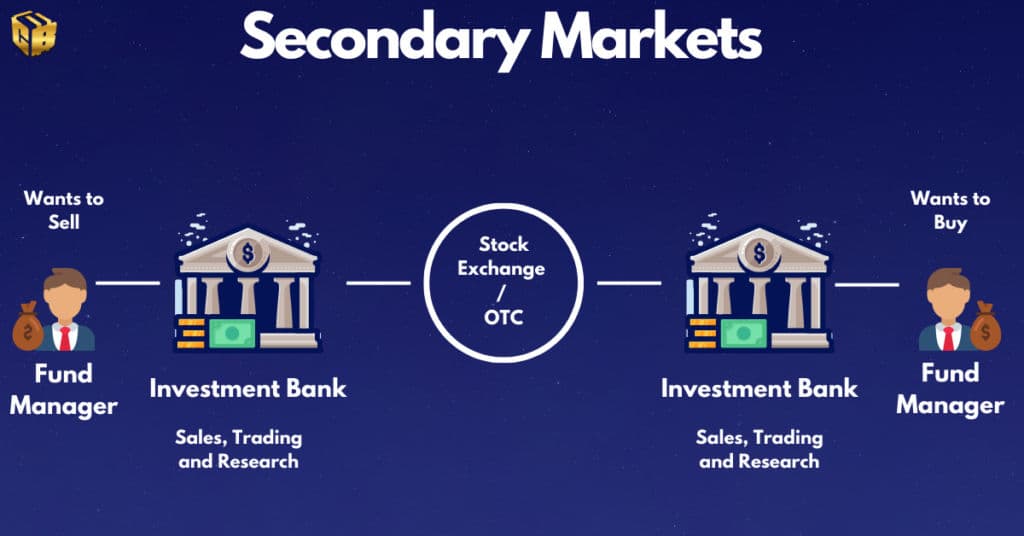
The Secondary Market for Private Deal Stakes Explained
The Secondary Market for Private Deal StakesThe private capital ecosystem is undergoing a major transformation as institutional investors increasingly seek liquidity, flexibility, and portfolio optimization within traditionally illiquid markets. Over the past decade, private equity, venture capital, infrastructure funds, private credit, and alternative assets have grown dramatically in scale. As these markets mature, a powerful new financial ecosystem is emerging around the buying and selling of existing private investment positions.In 2026, the secondary market for private deal stakes is becoming one of the fastest-growing segments of global alternative finance. What was once a niche institutional activity has evolved into a sophisticated marketplace involving pension funds, sovereign wealth funds, insurance companies, private equity firms, family offices, and specialized secondary funds.This expansion is reshaping liquidity, valuation, and capital formation across the global private investment landscape.What Is the Secondary Market for Private Deal Stakes?The secondary market for private deal stakes involves the buying and selling of existing ownership interests in private investments.Private equity stake transfersVenture capital secondary transactionsPrivate credit stake tradingAlternative asset liquidity marketsThese markets allow investors to trade illiquid private positions before maturity or exit events.Why Secondary Markets Are GrowingSeveral structural trends are driving rapid growth in private secondary markets.Expansion of private capital ecosystemsLonger holding periods for private companiesInstitutional demand for liquidityPortfolio rebalancing requirementsGrowth of alternative investment allocationsPrivate markets are becoming increasingly dynamic and tradable.How Private Secondary Transactions WorkSecondary transactions transfer ownership of existing private investment positions between investors.Investors sell existing fund stakes or direct positionsSecondary buyers evaluate underlying assetsPricing reflects risk, liquidity, and market demandOwnership rights transfer to new investorsThis creates liquidity within traditionally illiquid asset classes.Types of Private Secondary TransactionsThe secondary market includes several distinct transaction structures.Limited partner (LP) stake salesDirect secondary transactionsContinuation fund structuresGP-led liquidity transactionsThe market has become increasingly sophisticated.Continuation Funds and GP-Led DealsGeneral Partner (GP)-led secondary transactions are becoming increasingly important.Existing assets moved into continuation vehiclesLiquidity options for current investorsExtended ownership timelines for high-performing assetsNew capital participation opportunitiesThese structures reshape traditional private equity exits.Benefits for SellersSecondary markets provide important liquidity and portfolio management advantages.Early liquidity accessPortfolio diversificationRisk reduction opportunitiesCapital reallocation flexibilityInvestors gain greater control over private market exposure.Benefits for BuyersSecondary investors gain access to attractive alternative investment opportunities.Discounted asset acquisitionReduced blind-pool riskShorter investment duration exposureEnhanced portfolio diversificationBuyers often gain greater visibility into underlying assets.The Role of Institutional InvestorsLarge institutions dominate private secondary markets.Pension fundsSovereign wealth fundsInsurance companiesPrivate equity firmsFamily officesInstitutional demand continues to accelerate.The rise of private deal secondary markets is transforming illiquid private assets into increasingly tradable and strategically managed financial instruments.Traditional Private Markets vs Secondary MarketsTraditional → Long-term illiquid investment structuresSecondary → Flexible liquidity ecosystemsTraditional → Limited exit opportunitiesSecondary → Dynamic portfolio rebalancing mechanismsThis shift changes how investors approach private capital.Technology and Digital Secondary PlatformsTechnology is modernizing private secondary trading infrastructure.AI-powered valuation analyticsDigital transaction platformsAutomated due diligence systemsBlockchain-enabled ownership trackingTechnology improves market transparency and efficiency.Private Credit and Infrastructure SecondariesThe secondary market is expanding beyond traditional private equity.Private credit stake transfersInfrastructure asset secondariesReal estate secondary marketsEnergy and renewable asset transactionsAlternative asset liquidity ecosystems are broadening rapidly.Risks and ChallengesDespite strong growth, private secondary markets involve significant risks.Valuation uncertaintyLimited transparencyLiquidity constraints during market stressComplex transaction structuresRegulatory and governance concernsCareful due diligence remains essential.Regulatory ConsiderationsRegulators are increasingly monitoring private secondary ecosystems.Investor protection standardsDisclosure and transparency rulesValuation oversight frameworksMarket stability monitoringRegulatory adaptation is accelerating alongside market growth.Tokenization and Future Liquidity SystemsTokenized finance could further transform private secondary markets.Fractional ownership systemsBlockchain-based settlement infrastructureProgrammable liquidity mechanismsGlobal digital alternative asset exchangesPrivate market liquidity may become increasingly digital and automated.Future of Private Secondary MarketsThe secondary ecosystem is expected to continue expanding rapidly.Growth of institutional secondary fundsAI-powered market analyticsGlobalization of private liquidity marketsIntegration with digital financial infrastructureSecondaries may become a core pillar of alternative finance.Economic and Strategic ImplicationsThe expansion of private secondary markets could reshape global capital formation.Greater liquidity in private ecosystemsReduced dependence on public marketsExpansion of institutional alternative investingTransformation of private capital structuresThis evolution is changing the architecture of modern finance.Frequently Asked QuestionsWhat is the secondary market for private deal stakes?A marketplace where investors buy and sell existing private investment positions before traditional exit events.Why are secondary markets growing?Because investors seek liquidity, portfolio flexibility, and exposure to mature private assets.Who participates in private secondary markets?Pension funds, private equity firms, sovereign wealth funds, insurers, and institutional investors.ConclusionThe secondary market for private deal stakes represents one of the most important evolutions in alternative finance and institutional investing. By creating liquidity pathways for traditionally illiquid private assets, secondary markets are transforming portfolio management, valuation dynamics, and capital allocation strategies across global financial systems. As technology, institutional participation, and digital infrastructure continue to advance, private secondary ecosystems may become a foundational pillar of the future private capital economy.
Embedded Compliance: The Rise of RegTech 3.0 Solutions
Embedded Compliance (RegTech 3.0)The global regulatory landscape is becoming increasingly complex as digital finance, artificial intelligence, decentralized systems, cybersecurity threats, and cross-border digital operations expand rapidly. Traditional compliance models—built around manual audits, static reporting systems, and fragmented oversight workflows—are struggling to keep pace with the speed and scale of modern digital economies.In 2026, a new generation of regulatory technology is emerging: Embedded Compliance, often described as RegTech 3.0. Instead of treating compliance as a separate operational layer, embedded compliance integrates regulatory intelligence directly into enterprise systems, financial infrastructure, workflows, APIs, and autonomous digital operations.This transformation is redefining how organizations manage governance, risk, compliance, and digital trust.What Is Embedded Compliance?Embedded compliance refers to regulatory and governance systems integrated directly into operational platforms, software infrastructure, and business processes.Real-time compliance automationIntegrated regulatory monitoringContinuous governance systemsAI-driven compliance orchestrationCompliance becomes an active operational capability rather than a separate process.What Is RegTech 3.0?RegTech 3.0 represents the evolution from manual and reactive compliance systems toward autonomous, intelligent, and embedded regulatory infrastructure.AI-native compliance systemsAutomated regulatory intelligenceContinuous risk monitoringMachine-readable regulatory frameworksRegTech evolves from reporting technology into intelligent governance infrastructure.Why Traditional Compliance Is FailingModern digital systems move faster than conventional compliance frameworks.Rapid digital transaction growthIncreasing cross-border operationsAI-driven enterprise complexityExpanding cybersecurity risksConstantly evolving regulationsOrganizations require real-time regulatory adaptability.How Embedded Compliance WorksEmbedded compliance systems integrate governance directly into operational workflows.Real-time policy enforcementContinuous transaction monitoringAutomated anomaly detectionAI-powered compliance recommendationsCompliance becomes continuous and proactive.Core Technologies Behind RegTech 3.0Artificial intelligence and machine learningNatural language processing (NLP)Blockchain audit systemsCloud-native governance platformsAPI-driven compliance orchestrationThese technologies enable intelligent regulatory automation.Applications Across IndustriesEmbedded compliance is transforming multiple sectors.Banking and financial servicesHealthcare and biotechCloud infrastructure platformsDigital commerce ecosystemsAI governance systemsRegulatory automation is expanding globally.Embedded Compliance in Financial ServicesFinancial institutions are major adopters of RegTech 3.0 systems.Anti-money laundering (AML) automationReal-time fraud monitoringTransaction surveillance systemsAutomated regulatory reportingFinancial compliance becomes increasingly intelligent and continuous.Benefits of Embedded ComplianceReduced compliance costsFaster regulatory adaptationImproved operational transparencyEnhanced risk managementReduced human errorThese advantages are accelerating enterprise adoption.Embedded compliance transforms regulation from a reactive administrative burden into a continuously operating layer of digital infrastructure.Traditional Compliance vs Embedded ComplianceTraditional → Manual periodic auditsEmbedded → Continuous automated monitoringTraditional → Reactive governance processesEmbedded → Real-time intelligent enforcementThis shift fundamentally changes enterprise governance.AI and Autonomous GovernanceArtificial intelligence is central to RegTech 3.0 systems.Predictive regulatory analyticsAutomated policy interpretationReal-time risk forecastingAdaptive compliance optimizationAI enables scalable intelligent governance systems.Machine-Readable RegulationsFuture regulations may increasingly become machine-readable.Automated legal interpretationDynamic compliance APIsProgrammable governance systemsReal-time regulatory synchronizationRegulations themselves may become digitally executable.Cybersecurity and Digital TrustEmbedded compliance strengthens cybersecurity infrastructure.Continuous threat monitoringIdentity verification systemsData governance enforcementZero-trust security integrationCompliance and cybersecurity are increasingly interconnected.Challenges and RisksDespite its advantages, embedded compliance introduces new challenges.Algorithmic governance risksAI transparency concernsRegulatory fragmentation issuesData privacy complicationsOverdependence on automationHuman oversight remains essential.Global Regulatory FragmentationCross-border digital systems face increasingly fragmented regulatory environments.Regional compliance standardsData localization rulesAI governance differencesSovereign digital regulationsEmbedded compliance systems must adapt dynamically across jurisdictions.Future of RegTech 3.0The future of compliance may become fully autonomous and integrated.AI-native governance infrastructureAutonomous enterprise compliance systemsReal-time regulatory ecosystemsSelf-auditing digital platformsCompliance may evolve into a foundational layer of digital operations.Economic and Strategic ImplicationsEmbedded compliance could reshape the future of global enterprise operations.Reduced regulatory frictionFaster global digital commerceExpansion of trusted AI ecosystemsImproved financial system resilienceThis transformation extends across industries and digital economies.Frequently Asked QuestionsWhat is embedded compliance?A compliance model where regulatory systems are integrated directly into operational workflows and infrastructure.What is RegTech 3.0?The next generation of regulatory technology using AI, automation, and continuous governance systems.Why is embedded compliance important?Because modern digital systems require real-time, scalable, and automated regulatory oversight.ConclusionEmbedded Compliance and RegTech 3.0 represent a major evolution in how organizations manage governance, risk, and regulatory operations. By integrating AI-powered compliance intelligence directly into enterprise systems, financial infrastructure, and digital workflows, organizations are transforming compliance from a reactive administrative process into a continuous operational capability. As digital economies become increasingly autonomous, interconnected, and AI-driven, embedded compliance may become one of the foundational layers of trusted digital infrastructure in the future global economy.

Quantum-Safe Financial Corridors: Securing Future Transactions
Quantum-Safe Financial CorridorsThe global financial system is approaching a critical cybersecurity transformation as advances in quantum computing begin to challenge the cryptographic foundations of digital finance. Banking systems, payment networks, cross-border transactions, digital identity frameworks, and blockchain infrastructure currently rely on encryption models that could eventually become vulnerable to sufficiently powerful quantum computers.In response, governments, central banks, financial institutions, and cybersecurity organizations are accelerating efforts to build “Quantum-Safe Financial Corridors”—secure financial communication and transaction ecosystems protected by post-quantum cryptography and advanced cybersecurity infrastructure.In 2026, the concept of quantum-safe financial corridors is emerging as a strategic priority for protecting global financial stability, sovereign payment systems, and the future architecture of digital economies.What Are Quantum-Safe Financial Corridors?Quantum-safe financial corridors are secure financial communication and transaction networks designed to resist future quantum computing attacks.Post-quantum encrypted payment systemsSecure cross-border transaction corridorsQuantum-resistant banking infrastructureProtected digital financial ecosystemsThese systems aim to preserve trust and security in the post-quantum era.Why Quantum Computing Threatens FinanceModern financial infrastructure depends heavily on cryptographic security systems.Secure banking authenticationEncrypted payment systemsBlockchain wallet securityDigital identity verificationInterbank transaction protocolsFuture quantum computers may eventually break many current encryption standards.The Need for Quantum-Safe InfrastructureFinancial institutions are preparing for long-term cryptographic migration.Protection against future cyber threatsLong-term transaction integrityPreservation of financial trust systemsDefense against “harvest now, decrypt later” attacksQuantum resilience is becoming a strategic financial necessity.Core Technologies Behind Quantum-Safe CorridorsSeveral advanced technologies are enabling post-quantum financial infrastructure.Lattice-based cryptographyQuantum key distribution (QKD)Post-quantum encryption algorithmsZero-trust cybersecurity systemsAI-powered threat detectionThese technologies form the foundation of future secure finance.Quantum-Safe Cross-Border PaymentsCross-border financial systems are a major focus of quantum-safe initiatives.Secure international payment corridorsQuantum-resistant settlement systemsProtected interbank communication networksResilient digital remittance infrastructureGlobal finance requires trusted long-term security systems.Role in Central Bank Digital Currencies (CBDCs)CBDCs are accelerating the demand for quantum-safe financial infrastructure.National digital currency protectionSecure sovereign payment systemsLong-term digital monetary integrityQuantum-resistant transaction verificationFuture digital currencies must remain secure for decades.Quantum-Safe Blockchain InfrastructureBlockchain ecosystems are highly exposed to future quantum risks.Private key vulnerability concernsQuantum-resistant wallet systemsPost-quantum smart contract securitySecure tokenized asset infrastructureQuantum-safe blockchain migration is becoming increasingly important.Benefits of Quantum-Safe Financial CorridorsLong-term cybersecurity resilienceProtection against future quantum attacksEnhanced institutional trustImproved digital infrastructure stabilityReduced systemic financial riskThese benefits are driving investment in post-quantum systems.Quantum-safe financial corridors are becoming the next generation of trust infrastructure for the future digital economy.Traditional Security vs Quantum-Safe SecurityTraditional → Vulnerable to future quantum attacksQuantum-safe → Designed for long-term resilienceTraditional → Classical cryptographic systemsQuantum-safe → Post-quantum mathematical securityThis transition represents a historic shift in cybersecurity architecture.Role of Governments and Central BanksGovernments are increasingly prioritizing quantum-safe infrastructure.National cybersecurity initiativesCritical financial infrastructure protectionQuantum research investment programsDigital sovereignty strategiesQuantum security is becoming a geopolitical priority.AI and Quantum CybersecurityArtificial intelligence is playing a growing role in post-quantum defense systems.AI-powered threat monitoringAutomated cryptographic analysisPredictive cyber risk modelingAdaptive defense systemsAI strengthens the scalability of quantum-safe financial infrastructure.Challenges and LimitationsTransitioning to quantum-safe systems introduces significant challenges.Complex migration requirementsHigher infrastructure costsCompatibility and interoperability issuesLarge-scale system replacement needsPerformance optimization challengesThe migration process may take years or even decades.The Global Race for Quantum Financial SecurityCountries are increasingly competing for leadership in post-quantum infrastructure.Quantum technology investment racesNational cybersecurity competitivenessDigital payment sovereigntyStrategic control over financial infrastructureQuantum security is becoming part of geopolitical competition.Future of Quantum-Safe FinanceThe future financial system will likely become fundamentally post-quantum.Quantum-resistant banking ecosystemsSecure AI-driven financial operationsPost-quantum blockchain infrastructureResilient digital identity systemsQuantum-safe architecture may become standard across all critical financial systems.Economic and Strategic ImplicationsThe transition to quantum-safe finance could reshape global financial power structures.Enhanced national financial resilienceProtection of digital economiesStability of future payment systemsStrengthened global financial trustQuantum-safe infrastructure may become essential to economic sovereignty.Frequently Asked QuestionsWhat are Quantum-Safe Financial Corridors?Secure financial networks designed to resist future quantum computing attacks.Why is quantum-safe finance important?Because future quantum computers could compromise current financial encryption systems.Which technologies enable quantum-safe finance?Post-quantum cryptography, lattice-based encryption, QKD, and AI-powered cybersecurity systems.ConclusionQuantum-Safe Financial Corridors represent one of the most important cybersecurity transformations in the history of global finance. As quantum computing advances threaten existing cryptographic infrastructure, governments, banks, and technology providers are building next-generation financial ecosystems capable of resisting future cyber risks. By combining post-quantum encryption, AI-powered defense systems, and resilient digital infrastructure, quantum-safe financial corridors may become the foundation of secure global finance in the coming decades.

The GENIUS Act & Institutional Stablecoin Shift Explained
The GENIUS Act & The Institutional Stablecoin PivotThe global financial system is entering a new regulatory and technological era where stablecoins are rapidly transitioning from experimental crypto instruments into institutional financial infrastructure. One of the most important developments shaping this transition is the emergence of stablecoin-focused regulatory frameworks such as the proposed GENIUS Act, alongside a broader institutional pivot toward regulated digital dollar ecosystems.In 2026, governments, banks, payment networks, fintech companies, and institutional investors are increasingly recognizing stablecoins as strategic financial infrastructure capable of modernizing payments, settlements, liquidity management, and tokenized financial markets. At the same time, policymakers are intensifying efforts to establish legal clarity, reserve standards, and systemic safeguards for digital money systems.The GENIUS Act and the institutional stablecoin pivot together represent a major transformation in the future architecture of global finance.What Is the GENIUS Act?The GENIUS Act refers to proposed regulatory frameworks aimed at governing stablecoin issuance, reserve management, compliance, and institutional oversight.Stablecoin regulatory legislationReserve transparency standardsLicensing and supervision requirementsConsumer protection mechanismsIts goal is to integrate stablecoins into regulated financial systems.Why Stablecoins Matter to InstitutionsStablecoins are increasingly viewed as foundational infrastructure for modern digital finance.Real-time settlement systems24/7 programmable paymentsCross-border transaction efficiencyTokenized asset liquidityBlockchain-native financial operationsInstitutions are positioning themselves for a programmable financial future.The Institutional Stablecoin PivotThe institutional stablecoin pivot refers to the strategic movement of banks and financial institutions toward stablecoin integration and digital money infrastructure.Bank-backed stablecoin initiativesInstitutional digital settlement systemsBlockchain payment infrastructure adoptionTokenized deposit ecosystemsThis marks a shift from skepticism to strategic participation.Why Regulation Is Becoming EssentialAs stablecoins grow systemically important, regulatory oversight is increasing.Financial stability concernsConsumer protection requirementsAnti-money laundering complianceReserve asset transparencySystemic payment infrastructure oversightRegulation is becoming central to institutional adoption.How Institutional Stablecoins WorkInstitutional stablecoins are designed for regulated financial environments.Reserve-backed digital assetsBlockchain settlement infrastructureSmart contract-enabled operationsInstitutional compliance integrationThey combine digital efficiency with regulated financial controls.Stablecoins and Tokenized FinanceStablecoins are becoming foundational to tokenized asset ecosystems.Tokenized securities settlementsDigital collateral systemsProgrammable financial contractsOn-chain liquidity infrastructureThey enable seamless blockchain-native financial markets.Role in Cross-Border PaymentsStablecoins could significantly transform international payment systems.Reduced transfer costsFaster settlement speedsContinuous 24/7 payment availabilityImproved global liquidity efficiencyCross-border finance is becoming increasingly digital and programmable.Benefits of Institutional StablecoinsEnhanced payment efficiencyReal-time settlement capabilitiesImproved liquidity managementReduced operational frictionIntegration with tokenized marketsThese benefits are accelerating institutional experimentation.The institutional stablecoin pivot represents a historic transition from experimental crypto finance toward regulated programmable monetary infrastructure.Traditional Banking Rails vs Stablecoin InfrastructureTraditional → Delayed settlement systemsStablecoins → Instant programmable settlementsTraditional → Limited operational hoursStablecoins → Continuous financial operationsThis transformation is redefining expectations around money movement.The Role of BanksBanks are increasingly exploring multiple strategic stablecoin models.Bank-issued digital currenciesStablecoin custody infrastructureBlockchain settlement partnershipsTokenized deposit systemsFinancial institutions are becoming active participants in digital money ecosystems.AI and Programmable Financial SystemsArtificial intelligence is increasingly integrated into stablecoin infrastructure.AI-powered fraud detectionAutomated liquidity optimizationReal-time compliance monitoringSmart contract analytics systemsAI enhances scalability, efficiency, and operational intelligence.Risks and ChallengesDespite their advantages, institutional stablecoins introduce significant concerns.Cybersecurity vulnerabilitiesReserve management risksSystemic financial concentrationRegulatory fragmentationOperational dependency on blockchain infrastructureRisk governance remains essential.Stablecoins and Central Bank Digital Currencies (CBDCs)Stablecoins and CBDCs are increasingly interconnected.Public-private digital money competitionHybrid settlement infrastructuresInteroperable payment ecosystemsNational digital currency strategiesThe future financial system may involve both public and private digital currencies.The Future of Institutional StablecoinsThe institutional stablecoin ecosystem is expected to expand rapidly.Tokenized banking systemsProgrammable treasury managementGlobal blockchain payment networksAI-integrated digital financial ecosystemsStablecoins may become a core infrastructure layer of modern finance.Economic and Strategic ImplicationsThe stablecoin transition could reshape global financial power structures.Acceleration of tokenized economiesCompetition between banking and fintech ecosystemsTransformation of payment infrastructureExpansion of programmable financial systemsThis evolution may fundamentally redefine the future of money and banking.Frequently Asked QuestionsWhat is the GENIUS Act?A proposed regulatory framework focused on stablecoin oversight, reserves, and compliance standards.What is the institutional stablecoin pivot?The movement of financial institutions toward stablecoin integration and programmable digital finance.Why are stablecoins important for banks?They enable faster payments, tokenized finance, and real-time digital settlement infrastructure.ConclusionThe GENIUS Act and the institutional stablecoin pivot represent a critical turning point in the evolution of modern finance. As stablecoins transition from crypto-native assets into regulated financial infrastructure, banks, regulators, and technology companies are reshaping the future of payments, settlements, and digital money systems. While regulatory, cybersecurity, and systemic risks remain significant, institutional stablecoins may ultimately become one of the foundational layers of the next-generation global financial ecosystem.

Significant Risk Transfers and the Shadow Capital Boom
Significant Risk Transfers (SRTs) & The Shadow Capital BoomThe global financial system is undergoing a major structural transformation as banks increasingly shift risk away from their balance sheets and toward private investors, insurers, pension funds, and alternative credit markets. At the center of this evolution is the rapid growth of Significant Risk Transfers (SRTs), a financial mechanism that is becoming one of the defining forces behind the rise of “shadow capital.”In 2026, SRTs are expanding rapidly across Europe, North America, and global institutional finance. Originally developed as a regulatory capital optimization tool, SRT structures are now reshaping how banks manage credit exposure, deploy capital, and interact with private markets.The combination of SRTs and the shadow capital boom is redefining the boundaries between traditional banking, private credit, insurance capital, and alternative finance.What Are Significant Risk Transfers (SRTs)?Significant Risk Transfers are financial transactions that allow banks to transfer portions of credit risk to external investors while keeping the underlying loans on their balance sheets.Credit risk redistribution mechanismsRegulatory capital optimization toolsStructured finance transactionsBalance sheet risk management strategiesThey enable banks to reduce regulatory capital requirements.What Is the Shadow Capital Boom?The shadow capital boom refers to the rapid expansion of non-bank institutional capital participating in financial markets outside traditional banking structures.Private credit fundsInsurance-linked investment capitalPension and sovereign wealth participationAlternative asset management growthShadow capital is becoming a major source of global liquidity.Why SRTs Are Growing RapidlySeveral macroeconomic and regulatory trends are accelerating SRT adoption.Stricter bank capital regulationsRising demand for credit exposurePressure on bank profitabilityExpansion of private institutional capitalNeed for balance sheet flexibilitySRTs provide banks with capital efficiency and operational flexibility.How Significant Risk Transfers WorkSRT structures transfer portions of loan portfolio risk to outside investors.Banks originate and retain loansSpecific credit risks are securitizedExternal investors absorb loss exposureBanks receive regulatory capital reliefThis separates credit risk from loan ownership.Key Participants in SRT MarketsThe SRT ecosystem involves multiple institutional players.Global banksPrivate credit fundsInsurance companiesPension fundsAlternative asset managersInstitutional participation is expanding rapidly.The Role of Private CreditPrivate credit markets are increasingly connected to SRT structures.Institutional appetite for yieldExpansion of alternative lending ecosystemsGrowth of structured credit productsCapital migration beyond traditional banksThis is accelerating the rise of shadow capital systems.Benefits for BanksReduced regulatory capital burdensImproved balance sheet efficiencyEnhanced lending capacityGreater risk diversificationIncreased operational flexibilityThese advantages are driving broader institutional adoption.Benefits for InvestorsInstitutional investors are increasingly attracted to SRT exposure.Higher yield opportunitiesDiversified credit exposureAccess to institutional-grade assetsAlternative income generationSRTs create new investment opportunities in private markets.Significant Risk Transfers are reshaping modern finance by moving credit exposure from regulated banks into a rapidly expanding ecosystem of shadow capital.Traditional Banking vs Shadow Capital SystemsTraditional → Bank-centered lending and risk retentionShadow capital → Distributed institutional credit exposureTraditional → Heavily regulated balance sheetsShadow capital → Flexible private market participationThis transition is fundamentally changing financial intermediation.Technology and Financial EngineeringAdvanced technology is supporting modern structured finance markets.AI-driven risk analyticsAutomated portfolio modelingCloud-based financial infrastructureReal-time exposure monitoringTechnology is improving efficiency and transparency.Regulatory ConsiderationsRegulators are closely monitoring the growth of SRT ecosystems.Capital adequacy oversightStructured finance transparency rulesSystemic risk monitoringShadow banking supervision frameworksRegulatory scrutiny is increasing globally.Risks and ChallengesDespite their advantages, SRTs introduce important systemic concerns.Complex structured finance risksReduced market transparencyPotential contagion effectsLiquidity vulnerabilitiesShadow banking instability concernsRisk governance remains critical.Lessons from Past Financial CrisesThe growth of structured finance inevitably recalls historical concerns.Pre-2008 securitization risksOpacity in complex financial productsInterconnected systemic exposuresOverreliance on financial engineeringModern SRT markets aim to improve transparency and oversight.The Future of SRT MarketsThe SRT ecosystem is expected to continue expanding.Growth of institutional structured credit marketsTokenized credit risk transfersAI-driven portfolio optimizationGlobalization of shadow capital ecosystemsSRTs may become a foundational pillar of modern banking strategy.Economic and Strategic ImplicationsThe rise of shadow capital could reshape global financial systems.Expansion of non-bank financial influenceTransformation of bank business modelsGrowth of private market liquidityIncreasing interconnectedness between finance sectorsThis evolution extends far beyond traditional banking infrastructure.Frequently Asked QuestionsWhat are Significant Risk Transfers (SRTs)?Financial structures that allow banks to transfer portions of credit risk to external investors.What is shadow capital?Non-bank institutional capital participating in financial markets outside traditional banking systems.Why are SRT markets growing?Because banks seek capital efficiency while investors seek higher-yield credit exposure.ConclusionSignificant Risk Transfers and the shadow capital boom represent a major transformation in modern finance, reshaping how credit risk, institutional capital, and banking systems interact. By enabling banks to transfer risk to private investors and alternative financial ecosystems, SRTs are expanding lending capacity while accelerating the rise of shadow banking infrastructure. Although these systems create opportunities for efficiency and yield generation, they also introduce new regulatory, transparency, and systemic risk challenges that may define the future stability of global financial markets.
The Agentic Operations Leader: AI-Driven Decision Making
The "Agentic" Operations LeaderThe modern enterprise is entering a transformative era where artificial intelligence is evolving from a support tool into an operational decision-making partner. Organizations are no longer using AI solely for analytics, automation, or workflow optimization. Instead, businesses are increasingly deploying autonomous AI agents capable of planning, coordinating, adapting, and executing operational strategies in real time.In 2026, this transformation is giving rise to a new organizational paradigm: the “Agentic” Operations Leader. This concept represents a hybrid operational model where human leadership works alongside AI-driven autonomous systems capable of managing logistics, workflows, forecasting, staffing, procurement, and enterprise coordination.The rise of agentic operational systems is redefining leadership, organizational intelligence, and enterprise execution.What Is an Agentic Operations Leader?An Agentic Operations Leader is a human or AI-augmented operational framework that leverages autonomous AI systems to manage and optimize organizational processes.AI-assisted operational leadershipAutonomous workflow coordinationReal-time enterprise optimizationAdaptive strategic executionThis model blends human oversight with intelligent autonomous systems.What Does “Agentic” Mean?The term “agentic” refers to systems capable of autonomous action, goal-oriented behavior, and adaptive decision-making.Self-directed executionContext-aware decision systemsGoal-driven operationsContinuous environmental adaptationAgentic AI systems act proactively rather than reactively.Why Operations Are Becoming AgenticModern enterprises face increasing operational complexity.Global supply chain volatilityRapid market changesMassive enterprise data flowsNeed for real-time responsivenessPressure for operational efficiencyTraditional management systems struggle to keep pace with modern demands.How Agentic Operational Systems WorkAgentic systems integrate AI, automation, and real-time data orchestration into enterprise operations.Continuous operational monitoringAutonomous workflow executionPredictive operational analyticsCross-functional system coordinationThis creates adaptive enterprise intelligence systems.Core Technologies Behind Agentic LeadershipLarge Language Models (LLMs)Autonomous AI agentsMachine learning systemsEnterprise automation platformsPredictive analytics enginesThese technologies enable intelligent operational orchestration.Applications Across Business FunctionsAgentic systems are transforming multiple operational domains.Supply chain managementWorkforce planningFinancial operationsCustomer service orchestrationManufacturing optimizationTheir influence is expanding across enterprises globally.The Role of Human LeadershipHuman leaders remain central within agentic organizations.Strategic oversightEthical decision-makingCultural leadershipException managementAI enhances leadership rather than fully replacing it.Benefits of Agentic OperationsReal-time operational optimizationFaster enterprise decision-makingReduced operational inefficienciesEnhanced adaptability and resilienceContinuous productivity improvementThese advantages are driving enterprise transformation.The Agentic Operations Leader represents a shift from static management structures to continuously adaptive enterprise intelligence systems.Traditional Operations vs Agentic OperationsTraditional → Human-driven coordinationAgentic → AI-assisted autonomous orchestrationTraditional → Reactive operational managementAgentic → Predictive adaptive systemsThis transformation fundamentally changes enterprise operations.AI Copilots and Enterprise Decision-MakingAI copilots are becoming central to operational leadership.Decision-support recommendationsReal-time operational insightsPredictive risk managementAutomated execution assistanceThese systems improve enterprise responsiveness.The Rise of Multi-Agent Enterprise SystemsOrganizations are increasingly deploying coordinated AI agent ecosystems.Finance agentsSupply chain agentsHR operational agentsCustomer operations agentsThese agents collaborate to optimize enterprise-wide performance.Challenges and RisksAgentic operational systems introduce significant challenges.AI governance complexityCybersecurity vulnerabilitiesOverdependence on automationOperational transparency concernsWorkforce adaptation challengesOrganizations must balance automation with accountability.Ethics and GovernanceResponsible AI leadership frameworks are becoming increasingly important.Human oversight mechanismsTransparent AI operationsBias mitigation strategiesOperational accountability standardsEthical governance ensures trustworthy enterprise AI systems.Impact on Workforce and ManagementThe role of managers and operational teams is evolving rapidly.Shift toward strategic oversightGreater focus on creativity and leadershipHuman-AI collaboration modelsContinuous skills transformationFuture leadership may become increasingly AI-augmented.Future of Agentic EnterprisesThe future enterprise may operate as a continuously adaptive AI ecosystem.Self-optimizing organizationsAI-native operational infrastructuresAutonomous strategic execution systemsIntegrated real-time enterprise intelligenceAgentic operations could redefine the structure of modern organizations.Economic and Strategic ImplicationsAgentic leadership systems may reshape global competitiveness.Higher operational agilityReduced organizational inefficiencyFaster adaptation to market disruptionsExpansion of AI-driven business ecosystemsThis transformation extends across industries and global economies.Frequently Asked QuestionsWhat is an Agentic Operations Leader?An AI-augmented operational framework that autonomously optimizes and coordinates enterprise activities.What does “agentic” mean?It refers to systems capable of autonomous, goal-driven action and adaptive decision-making.Why are enterprises adopting agentic operations?To improve efficiency, adaptability, automation, and real-time operational intelligence.ConclusionThe Agentic Operations Leader represents a major evolution in enterprise management, combining artificial intelligence, autonomous systems, and human strategic oversight into a new operational paradigm. As businesses increasingly deploy AI-driven operational ecosystems, organizations are becoming more adaptive, intelligent, and responsive to rapidly changing environments. While challenges related to governance, ethics, and workforce transformation remain significant, agentic operational systems may ultimately define the future structure of enterprise leadership and organizational intelligence.
The Stablecoin Posture for Banks: Future of Digital Finance
The Stablecoin "Posture" for BanksThe global banking industry is entering a pivotal moment as stablecoins evolve from niche crypto instruments into strategically important components of the modern financial system. Originally developed to provide price stability within cryptocurrency markets, stablecoins are now being explored for payments, cross-border settlements, liquidity management, tokenized finance, and programmable banking infrastructure.In 2026, banks are no longer asking whether stablecoins matter—they are determining what their stablecoin posture should be. Some institutions are integrating stablecoin infrastructure into payment systems, others are launching bank-backed digital currencies, while some remain cautious due to regulatory and systemic risks.The stablecoin posture of banks may ultimately define the future relationship between traditional finance, blockchain infrastructure, and digital money.What Are Stablecoins?Stablecoins are digital assets designed to maintain a stable value by being linked to reserve assets such as fiat currencies or government securities.Fiat-backed digital currenciesBlockchain-based payment assetsProgrammable digital moneyLow-volatility crypto instrumentsThey combine blockchain efficiency with price stability.Why Stablecoins Matter to BanksStablecoins are increasingly influencing the architecture of modern financial systems.Faster settlement systems24/7 digital paymentsCross-border transaction efficiencyTokenized asset infrastructureCompetition with traditional banking railsBanks view stablecoins as both an opportunity and a strategic challenge.What Is the Stablecoin Posture?The stablecoin posture refers to how banks strategically position themselves regarding stablecoin adoption, integration, regulation, and competition.Supportive integration strategiesDefensive regulatory approachesBank-issued stablecoin initiativesInfrastructure partnership modelsInstitutions are shaping their long-term digital money strategies.Why Banks Are AdaptingSeveral major trends are accelerating stablecoin adoption discussions.Growth of tokenized financeExpansion of digital asset marketsDemand for real-time paymentsRise of decentralized finance (DeFi)Pressure from fintech innovationThe financial system is becoming increasingly digital and programmable.Bank-Issued StablecoinsSome financial institutions are exploring their own regulated stablecoin ecosystems.Tokenized bank depositsInstitutional settlement tokensEnterprise payment stablecoinsProgrammable banking systemsBank-issued digital currencies could modernize payment infrastructure.Stablecoins and Cross-Border PaymentsCross-border transactions are a major stablecoin use case.Reduced transaction costsFaster international settlements24/7 payment accessibilityImproved liquidity efficiencyStablecoins could significantly reshape global payment networks.Role in Tokenized FinanceStablecoins are becoming foundational infrastructure for tokenized financial systems.Collateral for tokenized assetsDigital settlement mechanismsProgrammable financial contractsLiquidity rails for blockchain ecosystemsThey enable seamless interaction between digital assets and financial services.Benefits for BanksEnhanced payment efficiencyReduced settlement frictionExpansion into digital asset ecosystemsImproved liquidity managementCompetitive positioning in digital financeThese advantages are driving institutional experimentation.The stablecoin posture of banks is evolving from cautious observation to strategic positioning within the future architecture of digital money.Risks and ConcernsDespite their advantages, stablecoins introduce important risks.Regulatory uncertaintyReserve transparency concernsCybersecurity vulnerabilitiesLiquidity and redemption risksPotential systemic financial instabilityBanks must carefully balance innovation with risk management.Stablecoins vs Traditional Banking InfrastructureTraditional → Delayed settlement systemsStablecoins → Real-time programmable settlementTraditional → Limited operating hoursStablecoins → 24/7 financial operationsThis shift is changing expectations around financial infrastructure.Regulation and ComplianceGovernments and regulators are shaping the future of stablecoin finance.Reserve asset standardsLicensing requirementsAnti-money laundering (AML) frameworksConsumer protection mechanismsRegulatory clarity is becoming critical for institutional adoption.Stablecoins and Central Bank Digital Currencies (CBDCs)Stablecoins and CBDCs are influencing each other’s development.Competition between public and private digital moneyHybrid financial infrastructure modelsInteroperable payment ecosystemsNational digital currency strategiesThe future financial system may combine both approaches.AI and Programmable Financial SystemsArtificial intelligence is increasingly integrated into stablecoin ecosystems.Automated liquidity managementFraud detection systemsSmart contract optimizationAI-driven compliance monitoringAI enhances scalability and operational intelligence.Future of Stablecoins in BankingThe role of stablecoins in banking is expected to expand significantly.Institutional tokenized depositsGlobal digital settlement networksAI-integrated payment ecosystemsProgrammable financial infrastructureStablecoins may become a core layer of modern finance.Economic and Strategic ImplicationsThe stablecoin transition could reshape the global financial landscape.Reduced dependence on legacy payment systemsAcceleration of digital economiesExpansion of tokenized financial marketsIncreased competition between banks and fintech platformsThis transformation may redefine the future of money itself.Frequently Asked QuestionsWhat are stablecoins?Digital currencies designed to maintain stable value using reserve-backed assets.Why are banks interested in stablecoins?Because they enable faster payments, programmable finance, and tokenized financial infrastructure.What is the stablecoin posture?A bank’s strategic approach toward stablecoin adoption, regulation, and integration.ConclusionThe stablecoin posture for banks represents a defining strategic issue in the evolution of digital finance. As stablecoins increasingly influence payments, liquidity systems, tokenized assets, and programmable financial infrastructure, banks are adapting their strategies to remain competitive in a rapidly changing ecosystem. Whether through direct participation, partnerships, or regulatory engagement, financial institutions are positioning themselves for a future where stablecoins may become a foundational layer of the global financial system.

Zero-Based AI Budgeting: Smarter Financial Planning
Zero-Based AI BudgetingAs organizations face increasing economic uncertainty, operational complexity, and pressure to optimize spending, budgeting systems are undergoing a major transformation. Traditional budgeting approaches often rely on historical assumptions, fixed annual forecasts, and manual decision-making processes. In contrast, a new generation of intelligent financial systems is emerging—driven by artificial intelligence and adaptive financial modeling.In 2026, Zero-Based AI Budgeting is becoming one of the most influential trends in enterprise finance and digital operations. By combining the principles of zero-based budgeting with AI-powered analytics, automation, and predictive intelligence, organizations are creating highly dynamic and continuously optimized budgeting ecosystems.This evolution is redefining how businesses allocate resources, manage costs, and make strategic financial decisions.What Is Zero-Based Budgeting?Zero-based budgeting (ZBB) is a financial approach where every expense must be justified from scratch during each budgeting cycle.No automatic carryover of prior budgetsEvery cost requires justificationFocus on operational efficiencyResource allocation based on current prioritiesThis model promotes disciplined financial management.What Is Zero-Based AI Budgeting?Zero-Based AI Budgeting combines zero-based financial principles with artificial intelligence, automation, and predictive analytics.AI-powered cost analysisReal-time financial optimizationAutomated spending evaluationPredictive budget forecastingIt transforms budgeting into a dynamic intelligent system.Why Traditional Budgeting Is EvolvingConventional budgeting systems struggle to adapt to modern business environments.Static annual budgeting cyclesLimited real-time visibilityInefficient resource allocationManual forecasting limitationsDifficulty responding to rapid market changesAI-driven systems address these weaknesses.How Zero-Based AI Budgeting WorksAI systems continuously analyze financial operations and recommend optimized budget allocations.Real-time financial data collectionAutomated expense categorizationPredictive cost modelingScenario-based budget optimizationThis enables adaptive financial decision-making.Core Technologies Behind AI BudgetingMachine learning algorithmsPredictive analytics systemsRobotic process automation (RPA)Cloud financial platformsNatural language financial interfacesThese technologies power intelligent budgeting ecosystems.Applications Across Industrieshttps://www.epoverse.com/Zero-Based AI Budgeting is transforming multiple sectors.Enterprise finance managementGovernment spending optimizationHealthcare resource allocationRetail and supply chain operationsTechnology and cloud infrastructure planningIts adoption is expanding globally.Benefits of AI-Driven BudgetingImproved operational efficiencyReal-time cost optimizationEnhanced forecasting accuracyReduced unnecessary spendingFaster financial decision-makingThese benefits are driving enterprise adoption.Zero-Based AI Budgeting transforms financial planning from a static annual exercise into a continuously adaptive intelligence system.Traditional Budgeting vs AI BudgetingTraditional → Fixed annual planning cyclesAI Budgeting → Continuous adaptive optimizationTraditional → Manual analysis and forecastingAI Budgeting → Automated predictive intelligenceThis shift fundamentally changes financial operations.AI-Powered Forecasting and Scenario ModelingAI systems enable advanced financial simulation capabilities.Market disruption forecastingDynamic scenario analysisCash flow prediction systemsOperational risk modelingOrganizations gain deeper strategic visibility.Role in Enterprise TransformationAI budgeting is becoming central to digital enterprise strategies.Data-driven operational managementReal-time executive decision supportIntegrated enterprise planningAutonomous financial operationsFinance functions are becoming increasingly intelligent.Behavioral and Organizational ImpactAI-driven budgeting changes organizational culture and decision-making.Greater accountability for spendingData-centered management practicesReduced departmental inefficienciesMore transparent resource allocationThis transformation affects organizational behavior at every level.Challenges and RisksDespite its advantages, Zero-Based AI Budgeting introduces several challenges.Dependence on data qualityAlgorithmic bias risksImplementation complexityEmployee resistance to automationCybersecurity and financial data concernsOrganizations must balance efficiency with governance and oversight.Ethics and Governance in AI BudgetingResponsible financial AI systems require strong governance frameworks.Transparent AI decision-makingHuman oversight mechanismsFairness in resource allocationCompliance with financial regulationsEthical budgeting systems are becoming increasingly important.Future of AI-Driven Financial OperationsThe future of enterprise finance is increasingly autonomous and intelligent.AI-native financial departmentsAutonomous spending optimization systemsReal-time adaptive budgeting ecosystemsIntegrated AI financial copilotsBudgeting may evolve into a fully continuous strategic intelligence function.Economic and Strategic ImplicationsAI budgeting systems could reshape enterprise competitiveness globally.Improved capital efficiencyFaster strategic adaptationReduced operational wasteHigher resilience during economic volatilityThis evolution extends beyond accounting into enterprise transformation itself.Frequently Asked QuestionsWhat is Zero-Based Budgeting?A budgeting method where every expense must be justified from scratch during each cycle.What is Zero-Based AI Budgeting?An AI-powered budgeting system that continuously analyzes and optimizes financial spending.Why is AI budgeting important?It improves forecasting, reduces waste, and enables adaptive financial decision-making.ConclusionZero-Based AI Budgeting represents a major evolution in enterprise finance, combining the discipline of zero-based budgeting with the intelligence and automation of modern AI systems. By enabling continuous optimization, predictive forecasting, and data-driven resource allocation, these systems are transforming how organizations manage capital and operational efficiency. As AI becomes increasingly integrated into enterprise infrastructure, intelligent budgeting systems may become a foundational pillar of future business operations and strategic decision-making.
Neuro-Pricing & Behavioral FinTech: Smarter Financial Insights
Neuro-Pricing & Behavioral FinTechThe intersection of neuroscience, artificial intelligence, behavioral economics, and financial technology is creating a new frontier in digital finance known as Neuro-Pricing and Behavioral FinTech. As financial systems become increasingly data-driven and personalized, institutions are moving beyond traditional economic models to better understand how human emotions, cognitive biases, and neural responses influence financial decisions.In 2026, behavioral analytics and neuroeconomic insights are transforming how banks, investment platforms, insurance companies, and digital marketplaces design pricing systems, financial products, and customer experiences. This shift is enabling highly adaptive financial ecosystems capable of responding to real-time behavioral signals.Neuro-Pricing and Behavioral FinTech are redefining the relationship between psychology, technology, and economic behavior.What Is Neuro-Pricing?Neuro-Pricing refers to pricing strategies influenced by neuroscience, cognitive psychology, and behavioral data analysis.Emotion-driven pricing modelsCognitive response analysisBehavior-based personalizationAI-enhanced pricing optimizationIt seeks to understand how the brain responds to financial decisions.What Is Behavioral FinTech?Behavioral FinTech combines behavioral economics, AI, and financial technology to create adaptive financial systems.Behavior-based financial personalizationAI-driven user behavior analysisDigital financial nudging systemsEmotion-aware financial interfacesIt aims to improve financial decision-making and engagement.Why Behavioral Finance MattersTraditional financial theory assumed rational economic behavior, but real-world decisions are heavily influenced by psychology.Emotional investing behaviorLoss aversion and fear responsesImpulse spending patternsCognitive biases in risk assessmentUnderstanding these factors improves financial system design.How Neuro-Pricing WorksNeuro-Pricing systems analyze behavioral and cognitive signals to optimize pricing strategies.AI-driven customer segmentationBehavioral data modelingReal-time emotional response analysisDynamic pricing personalizationThis creates highly adaptive financial experiences.Technologies Powering Behavioral FinTechArtificial intelligence and machine learningNeuroeconomic research modelsBiometric and behavioral analyticsReal-time data processing systemsPersonalized recommendation enginesThese technologies enable intelligent financial personalization.Applications in Financial ServicesBehavioral FinTech is reshaping multiple sectors.Digital banking personalizationAI-driven investment advisory platformsInsurance risk pricingBehavior-based credit scoringE-commerce financial optimizationIts influence is rapidly expanding.Behavioral Nudging in FinanceBehavioral nudging helps guide users toward improved financial decisions.Automated savings promptsRisk-awareness notificationsSpending behavior recommendationsInvestment discipline reinforcementThese systems encourage healthier financial behavior.Benefits of Neuro-Pricing and Behavioral FinTechImproved customer engagementMore personalized financial servicesEnhanced pricing optimizationBetter risk assessment modelsIncreased financial inclusionThese advantages are driving rapid adoption.Behavioral FinTech is transforming finance from a purely numerical system into an adaptive ecosystem that understands human psychology and emotional decision-making.Traditional Pricing vs Neuro-PricingTraditional → Static pricing modelsNeuro-Pricing → Dynamic behavior-driven pricingTraditional → Rational consumer assumptionsNeuro-Pricing → Emotion and cognition-aware systemsThis shift fundamentally changes financial personalization.AI and Predictive Behavioral ModelingArtificial intelligence is central to Behavioral FinTech systems.Behavioral forecasting algorithmsPredictive financial modelingReal-time adaptive recommendationsEmotion-sensitive engagement systemsAI enables continuous behavioral optimization.Behavior-Based Credit SystemsFinancial institutions are exploring alternative credit assessment models.Digital behavior analysisSpending pattern evaluationBehavioral trust scoringAI-powered risk profilingThis could expand access to financial services.Ethical and Privacy ConcernsThe rise of neuro-financial systems raises major ethical questions.Behavioral manipulation risksConsumer privacy concernsData ownership issuesAlgorithmic discrimination risksEmotional exploitation concernsEthical governance is becoming increasingly important.Regulatory ChallengesBehavioral financial systems may require new regulatory frameworks.Consumer protection lawsAI transparency requirementsBehavioral data governanceFinancial algorithm oversightRegulators are beginning to address these emerging risks.Future of Behavioral FinTechThe future of finance is becoming increasingly personalized and adaptive.Emotion-aware financial assistantsAI-driven autonomous financial coachingNeuro-responsive digital marketplacesHyper-personalized banking ecosystemsBehavioral intelligence may become central to future financial systems.Societal and Economic ImplicationsBehavioral FinTech could reshape global financial behavior.Changes in consumer spending patternsNew forms of financial personalizationEnhanced digital economic participationRedefinition of customer-finance relationshipsThis transformation extends beyond banking into broader digital society.Frequently Asked QuestionsWhat is Neuro-Pricing?A pricing strategy based on neuroscience, behavioral psychology, and AI analytics.What is Behavioral FinTech?A financial technology approach that uses behavioral and psychological insights to personalize financial systems.Why is behavioral finance important?Because human financial decisions are strongly influenced by emotions and cognitive biases.ConclusionNeuro-Pricing and Behavioral FinTech represent a major evolution in digital finance, combining neuroscience, behavioral economics, and artificial intelligence to create adaptive financial ecosystems. By understanding how humans emotionally and cognitively respond to financial decisions, these systems are transforming pricing models, banking experiences, and investment behavior. As AI and behavioral analytics continue to advance, Behavioral FinTech may become one of the defining pillars of next-generation financial infrastructure.
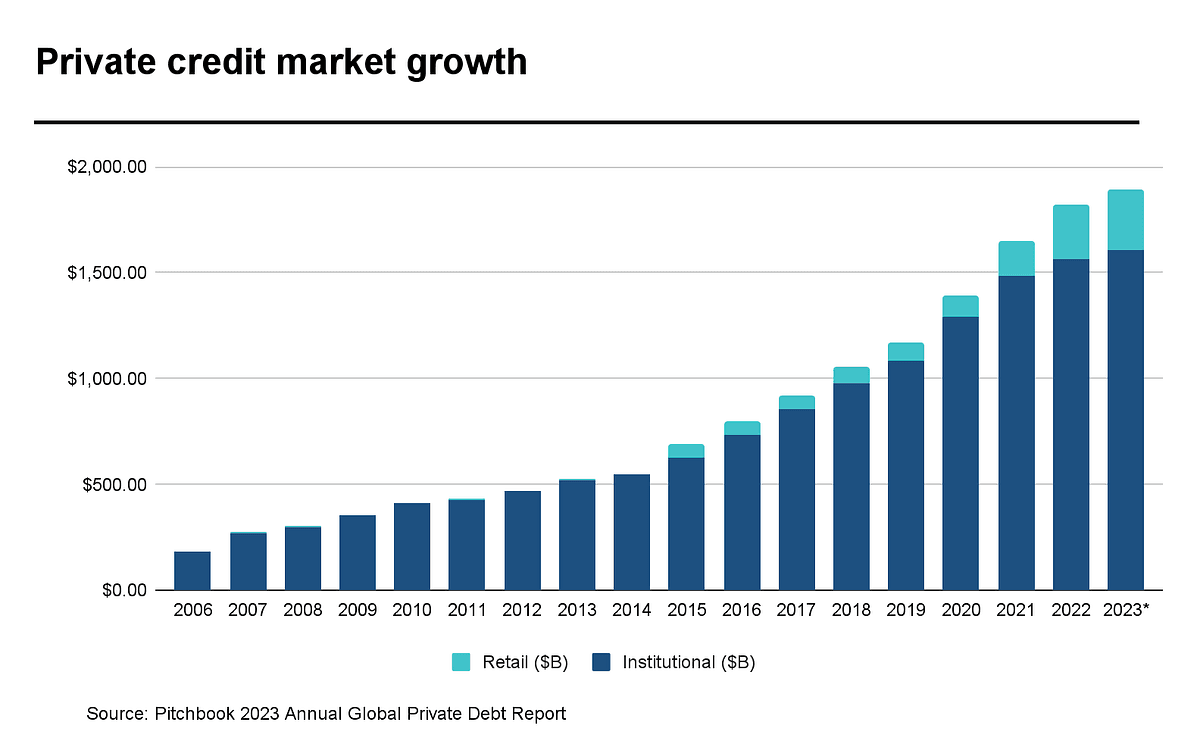
The Private Credit Secondaries Boom: Market Growth Explained
The Private Credit Secondaries BoomThe global financial system is witnessing a significant transformation in alternative lending markets, and one of the fastest-growing trends in 2026 is the rise of private credit secondaries. As traditional banks reduce risk exposure and institutional investors search for yield, private credit has expanded rapidly into a multi-trillion-dollar asset class. Now, a secondary market for these assets is booming.Private credit secondaries involve the buying and selling of existing private debt investments between institutional investors. This emerging market provides liquidity, portfolio flexibility, and new opportunities for asset managers, pension funds, insurers, and sovereign wealth funds.The private credit secondaries boom represents a major evolution in how illiquid financial assets are traded, valued, and managed.What Is Private Credit?Private credit refers to non-bank lending provided directly to companies, projects, or borrowers outside traditional public markets.Direct lending to businessesPrivate debt financingAlternative lending structuresInstitutional capital participationIt has become a critical component of modern finance.What Are Private Credit Secondaries?Private credit secondaries are transactions involving the sale of existing private debt positions from one investor to another.Secondary trading of private debtLiquidity for illiquid assetsPortfolio rebalancing opportunitiesDiscount and yield optimization strategiesThis creates a more dynamic private credit ecosystem.Why the Secondaries Market Is GrowingRapid expansion of private credit marketsNeed for institutional liquidityHigher interest rate environmentsPortfolio optimization demandsIncreased maturity of alternative asset marketsInvestors increasingly seek flexibility in private capital markets.How Private Credit Secondaries WorkSecondary transactions transfer ownership of private debt investments between parties.Existing debt positions are evaluatedPricing reflects yield and market conditionsAssets are transferred to new investorsNew holders receive future cash flowsThis process improves liquidity and capital efficiency.Key Drivers Behind the BoomInstitutional demand for yieldReduced bank lending activityGrowth of alternative asset managementPressure for liquidity solutionsExpansion of private capital ecosystemsThese factors are accelerating market growth.Who Participates in the Market?The private credit secondary ecosystem involves major institutional players.Pension fundsInsurance companiesSovereign wealth fundsPrivate equity firmsAlternative asset managersInstitutional participation is increasing rapidly.Benefits of Private Credit SecondariesEnhanced liquidityImproved portfolio managementAccess to discounted assetsGreater market efficiencyYield optimization opportunitiesThese advantages are attracting institutional capital.The private credit secondaries boom is transforming illiquid debt markets into increasingly dynamic and tradable financial ecosystems.Private Credit vs Traditional Bank LendingTraditional → Bank-centered financingPrivate credit → Institutional direct lendingTraditional → Regulated balance sheet constraintsPrivate credit → Flexible alternative financingThis shift is redefining capital markets.Technology and Data Analytics in Private CreditAdvanced technology is modernizing private debt markets.AI-powered credit analysisReal-time risk monitoringAutomated portfolio analyticsDigital secondary trading platformsTechnology is improving transparency and efficiency.Risks and ChallengesDespite strong growth, private credit secondaries involve significant risks.Limited transparencyLiquidity constraints during market stressValuation complexityCredit default risksRegulatory uncertaintyRisk management remains critical.The Role of Higher Interest RatesInterest rate dynamics are shaping the market environment.Higher yields attract investorsBorrower refinancing pressure increasesAsset repricing creates opportunitiesInstitutional diversification acceleratesMacroeconomic conditions are driving market activity.The Evolution of Secondary LiquidityPrivate markets are becoming increasingly liquid.Dedicated secondary fundsStructured liquidity vehiclesPortfolio transfer platformsInstitutional trading ecosystemsThis evolution improves market flexibility.Future of the Private Credit MarketThe future of private credit secondaries is highly promising.Expansion into retail-access structuresTokenized private credit assetsAI-driven portfolio managementGlobal institutional adoptionThe market may become a core pillar of global finance.Economic and Institutional ImplicationsThe rise of private credit secondaries could reshape institutional investing.Reduced dependence on traditional banksGrowth of alternative capital marketsExpansion of institutional credit ecosystemsNew liquidity mechanisms for private financeThis transformation extends across global financial systems.Frequently Asked QuestionsWhat is private credit?Direct lending provided by non-bank institutional investors.What are private credit secondaries?The buying and selling of existing private debt investments between investors.Why is the secondaries market growing?Because institutions seek liquidity, yield, and portfolio flexibility.ConclusionThe private credit secondaries boom represents a major evolution in alternative finance and institutional investing. By creating liquidity pathways for historically illiquid debt assets, the market is reshaping portfolio management, capital allocation, and global credit systems. As technology, institutional participation, and market sophistication continue to expand, private credit secondaries may become one of the defining financial trends of the modern alternative investment era.

Geopatriation and the Shift Toward Sovereign Cloud Systems
"Geopatriation" & The Sovereign Cloud ShiftThe digital world is entering a new geopolitical phase where data, cloud infrastructure, artificial intelligence, and digital sovereignty are becoming strategic national priorities. Over the past decade, globalization drove massive cloud centralization under a small number of multinational technology companies. However, rising geopolitical tensions, cybersecurity concerns, regulatory fragmentation, and national security priorities are now reshaping this model.In 2026, governments and enterprises are increasingly embracing what many analysts call “geopatriation”—the movement toward reclaiming control over digital infrastructure, data governance, and technological autonomy. At the center of this transformation is the rise of sovereign cloud systems.The sovereign cloud shift represents a major restructuring of global digital infrastructure, where nations seek greater control over how data is stored, processed, secured, and governed.What Is Geopatriation?Geopatriation refers to the strategic movement of digital infrastructure, data systems, and technology operations back under national or regional control.Localization of digital infrastructureNational control over data governanceReduction of foreign cloud dependencyStrategic technological autonomyIt reflects the growing importance of digital sovereignty.What Is a Sovereign Cloud?A sovereign cloud is a cloud computing environment designed to comply with specific national or regional legal, regulatory, and security requirements.Localized data storage and processingCompliance with national lawsEnhanced security and governanceRestricted foreign operational accessThese systems prioritize national digital control.Why the Sovereign Cloud Shift Is HappeningGrowing geopolitical tensionsCybersecurity and espionage concernsAI and data sovereignty competitionIncreasing regulatory fragmentationDependence on foreign hyperscalersNations increasingly view data as strategic infrastructure.The Evolution from Global Cloud to Sovereign InfrastructureTraditional cloud computing emphasized globalization and centralization.Globalized hyperscale data centersCross-border data flowsCentralized operational managementShared international infrastructureThe sovereign cloud model introduces localized control and governance.Key Technologies Driving Sovereign CloudsLocalized cloud regionsConfidential computing systemsAI governance frameworksZero-trust cybersecurity architecturesEdge and hybrid cloud infrastructureThese technologies enable secure regionalized digital systems.Sovereign AI and National Data StrategiesArtificial intelligence is intensifying the importance of sovereign infrastructure.National AI training datasetsControl over sensitive informationStrategic AI competitivenessRegulatory oversight of AI systemsData sovereignty is becoming central to AI policy.Industries Most AffectedCertain sectors are particularly impacted by sovereign cloud adoption.Government and defenseHealthcare and biotechnologyFinancial servicesCritical infrastructure systemsTelecommunications and AI platformsThese industries require high levels of regulatory compliance and security.Benefits of Sovereign Cloud SystemsEnhanced national cybersecurityImproved regulatory complianceGreater operational controlReduced foreign dependencyStronger protection for sensitive dataThese advantages are accelerating global adoption.The sovereign cloud shift reflects a new reality where data, AI, and digital infrastructure are no longer merely technological assets—they are instruments of geopolitical power.Challenges and RisksDespite its strategic advantages, sovereign cloud infrastructure introduces new complexities.Higher infrastructure costsFragmentation of global internet systemsReduced interoperabilityTalent and operational shortagesPotential innovation slowdownsBalancing sovereignty and openness remains a major challenge.Sovereign Clouds vs Traditional Public CloudsTraditional → Globalized centralized infrastructureSovereign → Regionally controlled infrastructureTraditional → Cross-border operational accessSovereign → Restricted governance and access controlThis transition changes the architecture of global cloud computing.The Role of Edge ComputingEdge computing complements sovereign cloud strategies.Localized data processingReduced latency for national servicesEnhanced operational resilienceDistributed digital infrastructureEdge systems strengthen regional digital autonomy.Cybersecurity in Sovereign InfrastructureSecurity is a central driver of the sovereign cloud movement.Zero-trust architecturesNational encryption standardsAI-powered threat detectionContinuous infrastructure monitoringCyber defense is becoming inseparable from digital sovereignty.The Future of GeopatriationThe future of digital infrastructure is increasingly geopolitical.Regional AI ecosystemsNational digital identity frameworksSovereign semiconductor strategiesLocalized internet governance modelsDigital sovereignty may define future global power structures.Economic and Societal ImplicationsThe sovereign cloud shift could reshape global economics and governance.Regionalization of digital economiesNew technology alliancesIncreased national regulatory authorityRedefinition of digital globalizationThis transformation extends far beyond cloud infrastructure itself.Frequently Asked QuestionsWhat is geopatriation?The strategic movement toward national or regional control of digital infrastructure and data systems.What is a sovereign cloud?A cloud environment designed to comply with national legal, security, and governance requirements.Why is the sovereign cloud shift important?It enhances national security, regulatory control, and digital sovereignty.ConclusionThe rise of geopatriation and sovereign cloud infrastructure marks a major transformation in the future of digital systems, cloud computing, and global technology governance. As nations increasingly prioritize cybersecurity, AI sovereignty, and strategic autonomy, the cloud is evolving from a borderless global utility into a geopolitically significant layer of national infrastructure. While this shift creates opportunities for resilience and security, it also introduces challenges related to fragmentation, interoperability, and global cooperation. The sovereign cloud era may ultimately redefine the balance between globalization and national digital control in the twenty-first century.
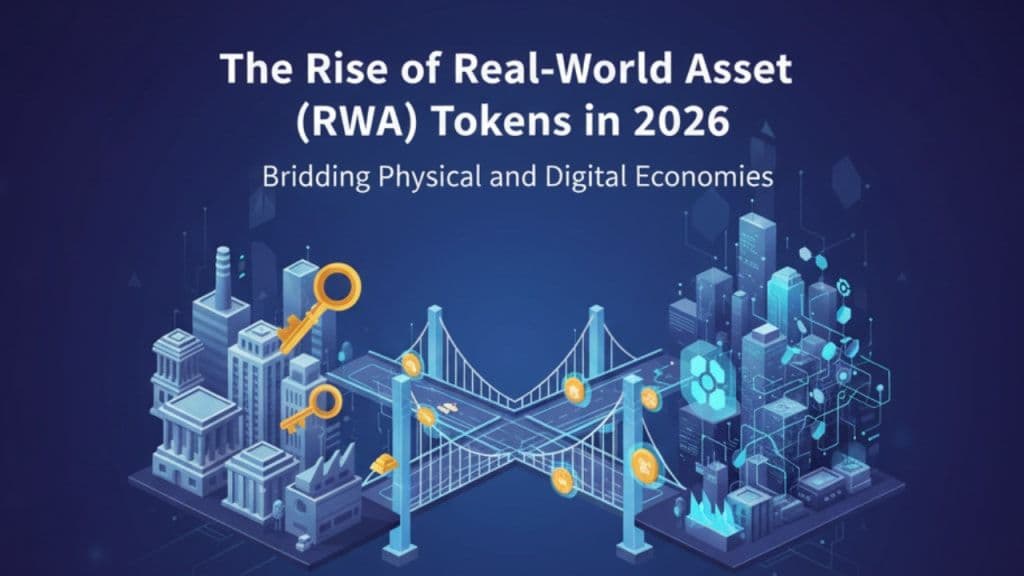
Tokenized Real-World Assets (RWA) 2.0 Explained
Tokenized Real-World Assets (RWA) 2.0The financial world is entering a new era where physical assets and traditional financial instruments are increasingly represented on blockchain networks. This transformation, known as Real-World Asset (RWA) tokenization, is evolving rapidly into what many experts now call “RWA 2.0.”In 2026, tokenized real-world assets are no longer limited to experimental blockchain projects. Instead, they are becoming part of mainstream institutional finance, enabling fractional ownership, programmable financial products, real-time settlement, and global market accessibility.RWA 2.0 represents the convergence of traditional finance (TradFi), decentralized finance (DeFi), artificial intelligence, and programmable digital infrastructure. This shift is redefining how ownership, liquidity, and investment operate in the digital economy.What Are Tokenized Real-World Assets?Tokenized real-world assets are blockchain-based digital representations of physical or traditional financial assets.Real estate tokenizationTokenized stocks and bondsCommodities and precious metalsPrivate credit and infrastructure assetsThese digital tokens represent ownership, value, or rights tied to real assets.What Makes RWA 2.0 Different?RWA 2.0 goes beyond basic tokenization by integrating intelligent automation, institutional infrastructure, and programmable finance.Institutional-grade compliance systemsAI-enhanced asset managementReal-time settlement infrastructureProgrammable ownership and governanceThis evolution transforms tokenization into a fully integrated financial ecosystem.Why Tokenization MattersImproves liquidity for illiquid assetsEnables fractional ownershipExpands global investor accessReduces transaction frictionEnhances transparency and efficiencyTokenization modernizes traditional financial systems.How RWA Tokenization WorksThe thttps://www.epoverse.com/okenization process converts ownership rights into blockchain-based digital tokens.Asset valuation and legal structuringBlockchain token issuanceSmart contract integrationDigital trading and settlementThis creates programmable financial assets.Key Technologies Behind RWA 2.0Blockchain infrastructureSmart contractsDecentralized finance (DeFi)Artificial intelligence and analyticsDigital identity and compliance systemsThese technologies enable scalable digital asset ecosystems.Applications of RWA 2.0RWA tokenization is expanding across industries.Commercial real estatePrivate equity and venture capitalInfrastructure financingArt and collectiblesCarbon credits and sustainability marketsIts applications continue to grow globally.Benefits of RWA 2.0Greater market liquidityEnhanced accessibility for investorsLower operational costsFaster settlement timesIncreased financial transparencyThese advantages are driving institutional adoption.RWA 2.0 is transforming ownership itself—turning physical and financial assets into programmable, globally accessible digital systems.RWA 2.0 vs Traditional Asset SystemsTraditional → Limited liquidityRWA 2.0 → Continuous digital liquidityTraditional → Manual settlement processesRWA 2.0 → Automated smart contract executionThis shift fundamentally changes capital markets.Institutional Adoption of Tokenized AssetsLarge financial institutions are entering the tokenization ecosystem.Tokenized treasury productsBlockchain-based asset fundsInstitutional custody servicesDigital bond issuance platformsInstitutional participation is accelerating market legitimacy.The Role of AI in RWA MarketsArtificial intelligence is becoming deeply integrated into tokenized finance.Automated asset valuationRisk management analyticsFraud detection systemsAI-powered portfolio optimizationAI enhances scalability and operational intelligence.Compliance and RegulationRegulatory frameworks remain critical for the growth of RWA markets.Know Your Customer (KYC) systemsAnti-Money Laundering (AML) complianceTokenized securities regulationCross-border legal interoperabilityCompliance infrastructure is evolving rapidly.Challenges and RisksDespite its potential, RWA 2.0 faces important obstacles.Regulatory uncertaintyCustody and security risksLegal ownership disputesLiquidity fragmentationBlockchain interoperability issuesThese challenges require robust governance systems.The Future of Tokenized AssetsThe future of RWA tokenization is highly transformative.24/7 global digital marketsAI-native financial ecosystemsFully programmable asset ownershipCross-chain interoperable economiesTokenized assets may become foundational financial infrastructure.Societal and Economic ImpactRWA 2.0 could reshape wealth access and capital formation.Democratized investment accessGlobalized capital participationReduced financial barriersAcceleration of digital economiesThis transformation extends far beyond cryptocurrency markets.Frequently Asked QuestionsWhat are tokenized real-world assets?Blockchain-based digital representations of physical or traditional financial assets.What is RWA 2.0?The next evolution of tokenization integrating AI, compliance, and programmable finance.Why is tokenization important?It improves liquidity, accessibility, efficiency, and transparency in financial markets.ConclusionTokenized Real-World Assets 2.0 represent a major transformation in global finance, combining blockchain infrastructure, AI-driven intelligence, and programmable ownership into a unified digital financial ecosystem. As institutions, governments, and investors increasingly adopt tokenized asset systems, RWA 2.0 is expected to reshape liquidity, investment access, and market operations worldwide. This evolution may ultimately redefine the future architecture of ownership and capital markets in the digital economy.
Prediction Markets as Institutional Hedges Explained
The "Always-On" 24/7 Market StructureThe global financial system is undergoing a profound transformation as markets move away from fixed trading hours toward continuous, always-on operations. Traditionally, stock exchanges, commodity markets, and financial institutions operated within limited time windows tied to regional business hours. However, advances in digital infrastructure, algorithmic trading, blockchain technology, and global connectivity are reshaping this model.In 2026, the rise of cryptocurrencies, tokenized assets, AI-driven trading systems, and decentralized finance (DeFi) has accelerated the transition toward a 24/7 market structure. Investors, institutions, and consumers increasingly expect financial systems to function continuously—without closing bells, geographic restrictions, or operational downtime.This evolution is redefining liquidity, market participation, risk management, and the very concept of global finance.What Is the 24/7 Market Structure?The always-on market structure refers to financial ecosystems that operate continuously without traditional opening or closing hours.Continuous trading environmentsGlobal market accessibilityReal-time liquidity flowsBorderless financial participationIt transforms markets into uninterrupted digital systems.Why Markets Are Becoming Always-OnRise of cryptocurrency tradingGlobal interconnected economiesDemand for instant financial accessGrowth of decentralized finance platformsAdvancements in automated trading technologiesTechnology and globalization are driving continuous finance.The Role of CryptocurrenciesCryptocurrencies pioneered continuous market operations.24/7 digital asset tradingNo centralized market closureGlobal liquidity participationBlockchain-enabled settlement systemsCrypto markets normalized nonstop financial activity.How AI and Automation Enable 24/7 MarketsAlways-on markets depend heavily on intelligent automation.Algorithmic trading systemsAI-powered risk managementAutomated market-makingReal-time liquidity optimizationAI ensures continuous operational efficiency.Tokenization and Continuous TradingTokenization is expanding the reach of always-on finance.Tokenized stocks and assetsFractional ownership systemsReal-time settlement infrastructureBlockchain-based trading ecosystemsThis increases accessibility and liquidity.Benefits of 24/7 MarketsContinuous liquidity accessGlobal participation opportunitiesFaster market response timesImproved financial inclusionThese advantages are accelerating adoption.Challenges of Continuous MarketsAlways-on finance introduces new operational complexities.Market fatigue and burnoutCybersecurity vulnerabilitiesIncreased volatility risksContinuous compliance monitoringInfrastructure reliability demandsThese challenges require advanced governance systems.The always-on market structure is transforming finance from a time-bound institution into a continuously operating digital organism.Traditional Markets vs Always-On MarketsTraditional → Fixed trading hoursAlways-on → Continuous global tradingTraditional → Regional market dependenceAlways-on → Borderless digital participationThis shift fundamentally changes financial operations.Institutional ImplicationsFinancial institutions are adapting to nonstop market environments.24/7 risk management operationsContinuous liquidity provisioningAI-driven compliance systemsReal-time portfolio rebalancingInstitutional infrastructure is evolving rapidly.Impact on Retail InvestorsRetail investors are gaining new opportunities and challenges.Access to global markets anytimeHigher trading flexibilityExposure to nonstop volatilityDependence on automated investment toolsThe investor experience is changing dramatically.The Role of Decentralized Finance (DeFi)DeFi platforms are major drivers of continuous markets.Permissionless financial systemsAutomated liquidity protocolsSmart contract-based transactionsDecentralized trading infrastructureDeFi expands the concept of nonstop finance.Cybersecurity in 24/7 Financial SystemsContinuous operation increases security requirements.Real-time threat detectionAI-powered fraud monitoringAlways-active defense systemsContinuous authentication frameworksSecurity becomes a permanent operational layer.Future of Always-On FinanceThe future of markets is increasingly continuous and intelligent.AI-managed financial ecosystemsGlobal tokenized asset marketsAutonomous trading agentsIntegrated real-time settlement systemsThe financial system is becoming permanently connected.Societal and Economic ImplicationsThe always-on economy could reshape global behavior.Acceleration of economic activityChanges in work-life balanceContinuous information flowNew forms of financial dependencyThis transformation extends beyond markets into society itself.Frequently Asked QuestionsWhat is the always-on market structure?A financial system that operates continuously without fixed trading hours.Why are markets moving toward 24/7 operations?Because of digital assets, global connectivity, AI, and decentralized finance.What are the benefits of always-on markets?Continuous liquidity, global access, and real-time financial participation.ConclusionThe always-on 24/7 market structure represents a major transformation in the architecture of global finance. Driven by AI, blockchain, tokenization, and decentralized systems, markets are evolving into continuously operating digital ecosystems capable of serving a permanently connected world. While this transition creates extraordinary opportunities for liquidity, efficiency, and accessibility, it also introduces new risks related to volatility, cybersecurity, and human behavior. As financial infrastructure continues to evolve, the always-on economy may become one of the defining characteristics of the digital age.

Prediction Markets as Institutional Hedges Explained
Prediction Markets as Institutional HedgesIn an increasingly uncertain global environment, institutions are searching for smarter ways to anticipate risk, forecast outcomes, and protect themselves against economic volatility. One emerging solution gaining serious attention in finance, policy, and corporate strategy is the use of prediction markets as institutional hedges.Prediction markets are platforms where participants trade contracts tied to future events, such as elections, economic indicators, technological breakthroughs, or geopolitical developments. The collective pricing of these contracts reflects the market’s probability assessment of future outcomes.In 2026, institutions are beginning to view prediction markets not merely as forecasting tools, but as strategic hedging instruments capable of improving decision-making, risk management, and operational resilience.This shift is transforming the relationship between information, markets, and institutional strategy.What Are Prediction Markets?Prediction markets are exchange systems where participants buy and sell contracts linked to future events.Event-based trading marketsCollective forecasting systemsProbability-driven pricing modelsIncentivized information aggregationThey transform public expectations into measurable market signals.Why Institutions Are Paying AttentionTraditional forecasting models face limitationsGlobal uncertainty is increasingReal-time information is essentialCollective intelligence can outperform expertsPrediction markets offer dynamic, market-driven insight generation.How Prediction Markets WorkPrediction markets operate through tradable contracts tied to future outcomes.Participants buy shares tied to outcomesPrices reflect perceived probabilitiesMarkets update continuously as information changesWinning outcomes settle contractsThis creates a real-time forecasting mechanism.Prediction Markets as Institutional HedgesInstitutions are increasingly using prediction markets to hedge against uncertainty.Political risk hedgingEconomic event forecastingSupply chain disruption anticipationRegulatory risk monitoringTechnology adoption forecastingThey provide probabilistic insight into future disruptions.Key Technologies Enabling Modern Prediction MarketsBlockchain and decentralized finance (DeFi)AI-driven market analyticsSmart contractsReal-time data aggregation systemsThese technologies improve transparency and scalability.Applications Across IndustriesPrediction markets are expanding across multiple sectors.Financial servicesGovernment policy analysisCorporate strategic planningHealthcare forecastingEnergy and climate risk assessmentTheir applications continue to grow.Benefits of Prediction MarketsImproved forecasting accuracyReal-time information updatesCollective intelligence utilizationEnhanced institutional resilienceThese advantages are driving institutional adoption.Prediction Markets vs Traditional ForecastingTraditional → Expert-driven analysisPrediction markets → Crowd-informed forecastingTraditional → Periodic updatesPrediction markets → Continuous market pricingThis creates more adaptive forecasting systems.Prediction markets transform uncertainty into tradable intelligence—allowing institutions to hedge not only against risk, but against informational blind spots.Challenges and RisksDespite their potential, prediction markets face several limitations.Regulatory uncertaintyMarket manipulation concernsLiquidity limitationsEthical issues around sensitive eventsThese challenges require careful governance.The Role of AI in Prediction MarketsArtificial intelligence is increasingly influencing prediction market ecosystems.AI-assisted forecasting analysisAutomated market monitoringBehavioral signal detectionReal-time scenario modelingAI is amplifying predictive intelligence.Institutional Strategy in the Age of UncertaintyModern institutions require adaptive forecasting tools.Scenario planning integrationContinuous strategic recalibrationDecentralized intelligence gatheringRisk diversification frameworksPrediction markets support dynamic institutional decision-making.Decentralized Prediction MarketsBlockchain technology is creating decentralized forecasting ecosystems.Permissionless market participationTransparent settlement systemsSmart contract automationReduced intermediary dependenceThis could reshape global information markets.Future of Prediction MarketsThe future of prediction markets is highly transformative.AI-integrated forecasting systemsEnterprise prediction platformsGovernment policy simulation marketsAutonomous institutional risk enginesPrediction markets may become foundational strategic infrastructure.Ethical and Governance ConsiderationsThe rise of predictive intelligence systems introduces ethical questions.Who controls predictive data?Can markets influence outcomes unfairly?How should sensitive predictions be regulated?What safeguards prevent manipulation?Governance frameworks will be essential.Frequently Asked QuestionsWhat are prediction markets?Markets where participants trade contracts tied to future events.Why are institutions using them?To improve forecasting, manage risk, and hedge uncertainty.How do prediction markets differ from traditional forecasting?They use real-time collective market intelligence instead of static expert analysis.ConclusionPrediction markets are evolving from niche forecasting tools into powerful institutional hedging mechanisms capable of transforming strategic decision-making. By aggregating distributed intelligence and translating uncertainty into market probabilities, these systems offer organizations new ways to anticipate disruption, manage risk, and adapt in real time. As AI, blockchain, and decentralized finance continue to evolve, prediction markets may become a core pillar of future institutional resilience and economic intelligence.

The Agentic Era of Transactional Authority and AI Systems
The "Agentic Era" of Transactional AuthorityThe digital economy is entering a new phase where artificial intelligence systems are no longer limited to providing recommendations or answering questions. Instead, AI agents are beginning to take action on behalf of users—making purchases, negotiating contracts, managing subscriptions, scheduling logistics, and even handling financial operations autonomously. This transformation is giving rise to what many experts call the “Agentic Era” of transactional authority.In 2026, AI agents are rapidly evolving from passive assistants into active economic participants. These systems are capable of interpreting goals, executing workflows, interacting with APIs, and completing transactions with minimal human intervention. As a result, businesses, governments, and consumers are being forced to rethink trust, accountability, governance, and digital authority.This shift represents one of the most profound transformations in the history of digital interaction.What Is the Agentic Era?The Agentic Era refers to a technological period where autonomous AI agents perform complex tasks and transactions independently.AI systems execute decisions autonomouslyAgents manage workflows and operationsHuman intent is translated into machine actionsDigital systems gain operational authorityIt marks the evolution from assistance to autonomous execution.What Is Transactional Authority?Transactional authority refers to the ability of AI systems to initiate, approve, and complete actions involving value exchange or operational decisions.Financial transactionsContract negotiationsResource allocationWorkflow executionIt gives AI systems real operational influence.Why This Shift MattersAutomation is expanding beyond repetitive tasksAI systems can operate continuouslyOrganizations seek faster decision-makingDigital ecosystems are becoming increasingly complexAgentic systems address scalability and efficiency challenges.How Agentic AI Systems WorkModern agentic systems combine multiple AI capabilities into autonomous operational frameworks.Natural language understandingGoal-oriented planningTool and API integrationAutonomous execution and monitoringThis enables intelligent action-taking behavior.Core Technologies Behind the Agentic EraLarge Language Models (LLMs)Autonomous AI agentsMulti-agent coordination systemsIdentity and authorization frameworksReal-time decision enginesThese technologies form the foundation of autonomous operations.Applications of Transactional AI AgentsAgentic systems are already transforming industries.AI-powered financial managementAutomated e-commerce purchasingEnterprise workflow orchestrationSupply chain optimizationAutonomous customer support systemsTheir influence is rapidly expanding.Benefits of Agentic Transactional SystemsFaster operational execution24/7 autonomous productivityReduced human workloadImproved scalability and efficiencyThese benefits are accelerating enterprise adoption.Risks and Governance ChallengesGranting authority to AI systems introduces significant concerns.Accountability for AI actionsSecurity vulnerabilitiesUnauthorized transactionsAlgorithmic bias and decision errorsLegal and regulatory uncertaintyGovernance frameworks are becoming essential.The Agentic Era is redefining digital authority—shifting AI from passive intelligence systems into autonomous actors capable of executing real-world economic decisions.Human Oversight vs Autonomous AuthorityTraditional automation → Human-controlled workflowsAgentic systems → Goal-driven autonomous executionTraditional AI → Recommendation-focusedAgentic AI → Action-oriented decision systemsThis represents a fundamental evolution in automation.The Role of Trust and VerificationTrust infrastructure is critical in the agentic economy.Identity verification systemsPermissioned authority layersDigital provenance trackingAuditability and explainabilityTrust frameworks enable responsible AI autonomy.Agentic Commerce and Digital MarketsAI agents are beginning to participate directly in digital marketplaces.Autonomous purchasing agentsAI-driven negotiation systemsDynamic resource optimizationMachine-to-machine commerceThis could reshape the global economy.Cybersecurity ImplicationsThe rise of autonomous transactional systems increases cybersecurity complexity.Protection against malicious AI agentsIdentity spoofing preventionSecure authorization mechanismsBehavioral anomaly detectionSecurity systems must evolve alongside agentic AI.The Future of Agentic AuthorityThe future of the Agentic Era is highly transformative.AI-native enterprisesAutonomous digital economiesSelf-managing operational systemsHuman-AI collaborative governanceThese systems could redefine digital civilization.Ethical and Societal ConsiderationsThe expansion of AI authority raises deep societal questions.Who is responsible for AI decisions?How much autonomy should machines have?Can AI systems be trusted with financial authority?How do we preserve human agency?These questions will shape future governance models.Frequently Asked QuestionsWhat is the Agentic Era?A technological era where AI agents autonomously perform tasks and transactions.What is transactional authority?The ability of AI systems to execute operational or financial actions independently.Why is this important?It transforms AI from informational systems into autonomous operational actors.ConclusionThe Agentic Era of transactional authority represents a profound transformation in the relationship between humans, AI systems, and digital infrastructure. As autonomous agents gain the ability to make decisions and execute transactions independently, they are reshaping business operations, commerce, and digital governance. While the opportunities are immense, ensuring transparency, accountability, security, and ethical oversight will be critical to building trustworthy and sustainable agentic ecosystems for the future.
The Rise of Agentic AI: Transforming Intelligent Systems
The Rise of Agentic AIArtificial Intelligence is evolving rapidly, and one of the most transformative developments in recent years is the rise of Agentic AI. Unlike traditional AI systems that simply respond to commands, Agentic AI systems are designed to act autonomously, make decisions, and perform complex tasks with minimal human intervention.This shift represents a major leap from passive AI tools to proactive, goal-driven systems capable of planning, reasoning, and executing actions across multiple domains. As businesses and industries embrace automation, Agentic AI is emerging as a powerful force shaping the future of technology.Understanding Agentic AI is essential for anyone interested in the future of automation, innovation, and intelligent systems.What Is Agentic AI?Agentic AI refers to AI systems that can independently pursue goals, make decisions, and take actions without constant human supervision. These systems behave like intelligent agents capable of understanding objectives and executing tasks efficiently.Autonomous decision-makingGoal-oriented behaviorContinuous learningAbility to act independentlyIt represents a shift from reactive AI to proactive intelligence.How Agentic AI WorksAgentic AI systems operate through a combination of advanced technologies such as machine learning, natural language processing, and decision-making algorithms.Understand goals and contextPlan actionsExecute tasksLearn from outcomesThis continuous cycle enables them to improve performance over time.Key Features of Agentic AIAgentic AI systems have unique characteristics that distinguish them from traditional AI.AutonomyAdaptabilityDecision-making capabilityMulti-tasking abilityThese features make them highly efficient and versatile.Applications of Agentic AIAgentic AI is being used across various industries to improve efficiency and innovation.Customer support automationHealthcare diagnosticsFinancial analysisSupply chain managementAutonomous vehiclesIts applications continue to expand rapidly.Benefits of Agentic AIIncreased productivityReduced human effortFaster decision-makingScalabilityThese benefits drive widespread adoption.Challenges and RisksDespite its advantages, Agentic AI also presents challenges.Ethical concernsSecurity risksLack of transparencyDependence on technologyAddressing these challenges is critical for responsible use.Agentic AI vs Traditional AIUnderstanding the difference between Agentic AI and traditional AI highlights its significance.Traditional AI → ReactiveAgentic AI → ProactiveTraditional AI → Task-specificAgentic AI → Multi-taskingThis evolution marks a new era in AI development.Future of Agentic AIThe future of Agentic AI is promising, with advancements expected in automation, robotics, and intelligent systems.AI-driven businessesSmart citiesAdvanced roboticsPersonal AI assistantsIt will play a key role in shaping the future.Agentic AI is not just automation—it is the evolution of intelligence, where machines act, decide, and innovate independently.Role in Digital TransformationAgentic AI is a driving force behind digital transformation, enabling organizations to automate processes and improve efficiency.Enhances productivityReduces operational costsImproves decision-makingIt is essential for modern businesses.Frequently Asked QuestionsWhat is Agentic AI?It is AI that can act autonomously and make decisions.Why is it important?It improves efficiency and enables automation.Where is it used?Healthcare, finance, automation, and more.ConclusionThe rise of Agentic AI marks a significant milestone in the evolution of artificial intelligence. By enabling autonomous decision-making and intelligent action, it is transforming industries and redefining the future of technology. As this field continues to grow, it will unlock new possibilities and reshape how humans interact with machines.
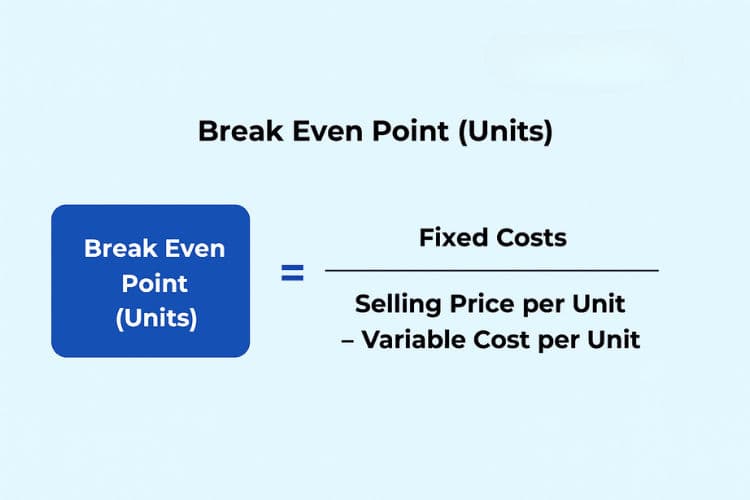
Break-Even Explained: Meaning, Formula and Importance
Break-Even Explained: Meaning, Formula, Importance and How Break-Even Helps BusinessesThe break-even point is a crucial concept in business and finance that helps determine when a company will start making profits. It represents the stage at which total revenue equals total costs, meaning there is no profit or loss.Understanding the break-even point is essential for business owners, managers, and investors as it provides clarity on cost structures, pricing strategies, and financial planning. It serves as a foundation for making informed business decisions.Whether you are starting a new business or managing an existing one, break-even analysis helps in setting realistic financial goals and ensuring sustainability.What Is Break-Even Point?The break-even point is the level of sales at which total revenue equals total costs. At this point, the business neither makes a profit nor incurs a loss.No profit, no loss situationTotal revenue = Total costsIndicates minimum sales targetEssential for financial planningIt marks the starting point for profitability.Break-Even FormulaThe break-even point can be calculated using a simple formula:Break-Even Point (Units) = Fixed Costs ÷ (Selling Price per Unit − Variable Cost per Unit)This formula helps businesses determine the number of units they need to sell to cover all costs.Key Components of Break-Even AnalysisBreak-even analysis involves three main components:Fixed Costs: Costs that do not change (rent, salaries)Variable Costs: Costs that vary with production (materials)Selling Price: Price per unit of productThese components determine the break-even point.Importance of Break-Even AnalysisBreak-even analysis is essential for understanding financial performance and planning.Helps set sales targetsSupports pricing decisionsAssists in cost controlReduces financial riskIt provides a clear roadmap for achieving profitability.How Break-Even Helps BusinessesBreak-even analysis helps businesses make informed decisions and improve efficiency.Determines minimum sales requiredEvaluates business viabilityGuides pricing strategiesSupports financial planningIt is a powerful tool for business success.Break-Even Chart ExplainedA break-even chart visually represents the relationship between costs, revenue, and profit.X-axis → Units soldY-axis → Costs and revenueIntersection point → Break-even pointThis chart helps in better understanding financial performance.Advantages of Break-Even AnalysisSimple and easy to understandHelps in decision-makingIdentifies cost structureSupports financial planningThese advantages make it widely used in business.Limitations of Break-Even AnalysisAssumes constant costsIgnores market demand changesNot suitable for complex businessesUnderstanding limitations ensures better application.Real-Life ExamplesBreak-even analysis is used in various industries to determine profitability.Retail businessesManufacturing companiesStartupsService providersIt helps in planning and growth strategies.Break-even analysis is the foundation of profitability—it shows when effort turns into earnings.Role in Financial PlanningBreak-even analysis plays a vital role in financial planning by helping businesses set realistic goals and manage resources effectively.Supports budgetingImproves cost managementEnhances profitability planningIt is essential for sustainable growth.Frequently Asked QuestionsWhat is break-even point?It is the point where total revenue equals total costs.Why is it important?It helps determine when a business becomes profitable.What is the formula?Fixed Costs ÷ (Selling Price − Variable Cost).ConclusionBreak-even analysis is a powerful financial tool that helps businesses understand their cost structure, set sales targets, and achieve profitability. By mastering this concept, businesses can make informed decisions, reduce risks, and ensure long-term success.

Liability Explained: Meaning, Types and Importance
Liability Explained: Meaning, Types, Importance and Examples in AccountingLiability is a fundamental concept in accounting and finance that represents a company’s financial obligations or debts. It refers to what a business owes to external parties, such as lenders, suppliers, or employees. Understanding liabilities is essential for evaluating a company’s financial health and stability.In simple terms, liabilities are obligations that arise from past transactions and must be settled in the future through the transfer of money, goods, or services. They play a crucial role in shaping a company’s financial structure and decision-making.Whether in business accounting or personal finance, managing liabilities effectively is key to maintaining financial balance and avoiding excessive debt.What Is a Liability?A liability is a financial obligation that a business or individual is required to pay in the future. It arises when an entity borrows money or receives goods and services on credit.Represents debts or obligationsArises from past transactionsRequires future paymentRecorded in financial statementsLiabilities are an essential part of the balance sheet.Types of LiabilitiesLiabilities are classified based on their duration and nature.Current Liabilities: Short-term obligations due within one yearNon-Current Liabilities: Long-term obligationsContingent Liabilities: Potential obligations based on future eventsEach type helps in understanding financial commitments.Current Liabilities ExplainedCurrent liabilities are obligations that must be settled within a short period, usually one year.Accounts payableShort-term loansOutstanding expensesTaxes payableThey are crucial for managing daily operations.Non-Current Liabilities ExplainedNon-current liabilities are long-term obligations that are due after one year.Long-term loansBonds payableMortgage obligationsThey support long-term investments and growth.Contingent Liabilities ExplainedContingent liabilities are potential obligations that may arise depending on the outcome of future events.Legal disputesGuaranteesWarranty claimsThey are recorded only when certain conditions are met.Examples of LiabilitiesLiabilities exist in various forms in both business and personal finance.Bank loansCredit card duesSupplier paymentsEmployee salariesThese examples highlight common financial obligations.Importance of Liabilities in AccountingLiabilities are essential for understanding a company’s financial position.Helps assess financial riskSupports business operationsProvides insight into debt levelsEnsures accurate financial reportingThey are critical for decision-making.Liabilities vs AssetsUnderstanding the difference between liabilities and assets is important.Liabilities → What you oweAssets → What you ownLiabilities reduce net worthAssets increase valueBoth are essential components of financial statements.Advantages of LiabilitiesProvides funding for growthHelps expand business operationsSupports cash flow managementLiabilities can be beneficial when managed properly.Disadvantages of LiabilitiesIncreases financial riskRequires regular paymentsCan lead to debt burdenExcessive liabilities can harm financial stability.Liabilities are not just debts—they are commitments that shape financial decisions and business growth.Role in Financial PlanningLiabilities play a key role in financial planning by helping individuals and businesses manage obligations effectively.Supports budgetingHelps manage debtEnsures financial disciplineProper management leads to financial stability.Frequently Asked QuestionsWhat is a liability?It is a financial obligation that must be paid in the future.What are types of liabilities?Current, non-current, and contingent liabilities.Why are liabilities important?They help assess financial health and obligations.ConclusionLiabilities are a core component of accounting that represent financial obligations and commitments. By understanding their meaning, types, and importance, individuals and businesses can manage debt effectively, maintain financial balance, and achieve long-term stability. Proper liability management is essential for sustainable financial success.
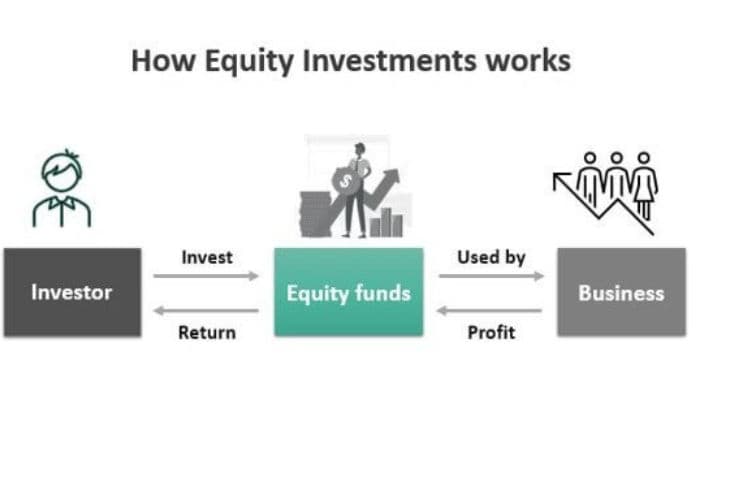
Equity Explained: Meaning, Types and Importance in Investing
Equity Explained: Meaning, Types, Importance and How Equity Works in Business and InvestingEquity is one of the most fundamental concepts in finance and investing. It represents ownership in a business or asset and reflects the value that belongs to the owners after all liabilities have been deducted. Whether in business accounting or stock market investing, equity plays a crucial role in determining financial strength and growth potential.In simple terms, equity is the residual interest in assets after subtracting liabilities. It indicates what owners truly own and is often referred to as net worth or shareholder value.Understanding equity helps investors, business owners, and financial professionals make informed decisions about investments, valuation, and financial planning.What Is Equity?Equity refers to ownership interest in a business or asset. It is the value that remains after all debts and obligations are paid.Represents ownershipCalculated as assets minus liabilitiesIndicates financial healthUsed in valuation and analysisIt is a key measure of a company’s net worth.Equity FormulaThe basic formula for calculating equity is:Equity = Assets − LiabilitiesThis formula forms the foundation of financial accounting and analysis.Types of EquityEquity can be classified into different types based on ownership and financial structure.Owner’s Equity: Capital invested by ownersShareholder Equity: Equity held by shareholdersPrivate Equity: Investments in private companiesPublic Equity: Shares traded in stock marketsEach type plays a distinct role in finance and investment.How Equity Works in BusinessIn business, equity represents the ownership stake of the owners or shareholders. It is used to fund operations, expansion, and growth.Provides capital for businessRepresents ownership rightsDetermines profit sharingHigher equity indicates stronger financial stability.How Equity Works in InvestingIn investing, equity refers to shares of a company that investors purchase to gain ownership and earn returns.Investors buy sharesEarn dividendsBenefit from capital appreciationEquity investments offer growth potential but also carry risks.Importance of EquityEquity is essential for both businesses and investors as it reflects financial strength and growth potential.Indicates net worthSupports business growthAttracts investorsProvides financial stabilityIt is a key metric in financial analysis.Advantages of EquityNo repayment obligationEncourages long-term growthProvides ownership benefitsAttracts investmentThese advantages make equity a preferred financing option.Disadvantages of EquityDilution of ownershipSharing of profitsHigher risk for investorsUnderstanding these drawbacks is important for decision-making.Equity vs DebtEquity and debt are two primary sources of financing.Equity → Ownership-basedDebt → Borrowed fundsEquity → No fixed repaymentDebt → Requires interest paymentsBoth have their advantages and are used strategically.Equity represents true ownership—it reflects the value you build, grow, and own in a business or investment.Role in Financial PlanningEquity plays a vital role in financial planning by helping individuals and businesses achieve long-term goals.Supports wealth creationEncourages investmentBuilds financial securityIt is essential for sustainable financial growth.Frequently Asked QuestionsWhat is equity?It is ownership value after subtracting liabilities from assets.Why is equity important?It reflects financial strength and growth potential.What are types of equity?Owner’s equity, shareholder equity, private equity, and public equity.ConclusionEquity is a fundamental concept that represents ownership and financial value in both business and investing. By understanding its meaning, types, and importance, individuals and organizations can make better financial decisions and achieve long-term growth. It remains a cornerstone of modern finance and investment strategies.

Invoice Explained: Meaning, Types and Importance in Business
Invoice Explained: Meaning, Types, Importance and How Invoicing Works in BusinessAn invoice is one of the most essential documents in business transactions. It serves as a formal request for payment and provides a detailed record of goods or services provided. Whether you are a small business owner, freelancer, or large enterprise, invoicing is a critical part of managing finances and maintaining transparency.Invoices not only help businesses track sales and revenue but also play a vital role in accounting, taxation, and financial reporting. A well-structured invoicing system ensures smooth cash flow and strengthens business relationships.Understanding invoices, their types, and how they work is essential for efficient business operations.What Is an Invoice?An invoice is a commercial document issued by a seller to a buyer that lists the products or services provided along with their prices. It also includes payment terms and other transaction details.Acts as a payment requestProvides transaction detailsIncludes pricing and taxesServes as legal proofIt is an essential document for both buyers and sellers.Key Elements of an InvoiceAn invoice contains several important components that ensure clarity and accuracy.Invoice numberDate of issueSeller and buyer detailsDescription of goods/servicesQuantity and priceTotal amount and taxesPayment termsThese elements help in proper documentation and tracking.Types of InvoicesDifferent types of invoices are used depending on business needs.Standard Invoice: Regular billing documentProforma Invoice: Preliminary invoice before saleCredit Invoice: Issued for refunds or discountsDebit Invoice: Used for additional chargesRecurring Invoice: For subscription-based servicesEach type serves a specific purpose in business transactions.How Invoicing WorksThe invoicing process involves several steps that ensure smooth payment collection.Provide goods or servicesCreate and send invoiceSet payment termsReceive paymentRecord transactionThis process ensures proper financial tracking and cash flow management.Importance of Invoicing in BusinessInvoicing is crucial for maintaining financial discipline and transparency.Ensures timely paymentsMaintains financial recordsSupports tax complianceImproves cash flowIt is a key component of business success.Benefits of Proper InvoicingBetter financial managementReduced payment delaysImproved customer relationshipsAccurate accounting recordsThese benefits enhance overall business efficiency.Common Mistakes to AvoidMissing important detailsIncorrect pricingDelayed invoicingNot following up on paymentsAvoiding these mistakes ensures smooth operations.Invoice vs ReceiptIt is important to distinguish between an invoice and a receipt.Invoice → Request for paymentReceipt → Proof of paymentInvoice → Issued before paymentReceipt → Issued after paymentBoth are essential for financial documentation.An invoice is not just a bill—it is a powerful tool that drives business cash flow and financial clarity.Role in Financial ManagementInvoices play a significant role in managing business finances and ensuring transparency.Tracks revenueSupports auditsEnsures complianceThey are essential for financial control and planning.Frequently Asked QuestionsWhat is an invoice?It is a document requesting payment for goods or services.Why is invoicing important?It ensures timely payments and accurate financial records.What are types of invoices?Standard, proforma, credit, debit, and recurring invoices.ConclusionAn invoice is a vital business document that ensures smooth transactions, accurate record-keeping, and financial transparency. By understanding its meaning, types, and importance, businesses can improve cash flow, maintain compliance, and achieve long-term success.
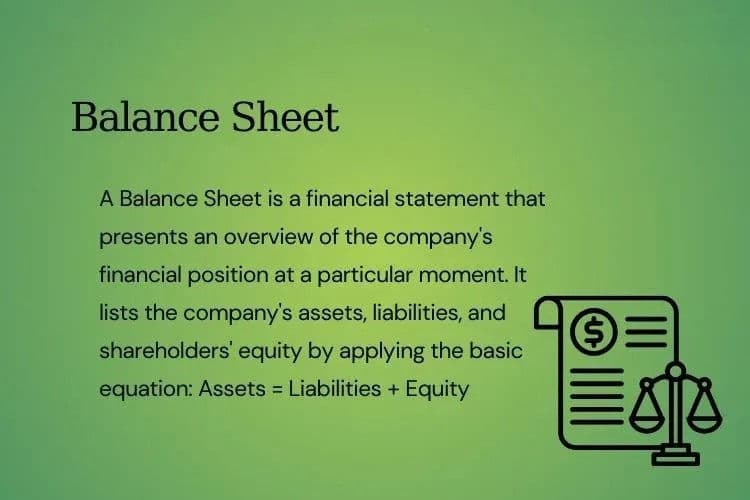
Balance Sheet Explained: Meaning, Elements and Importance
Balance Sheet Explained: Meaning, Elements, Formula, Importance and How It Works in AccountingA balance sheet is one of the most important financial statements in accounting. It provides a snapshot of a company’s financial position at a specific point in time by showing what it owns and what it owes. It is widely used by businesses, investors, and financial analysts to assess financial health and stability.The balance sheet is based on a fundamental accounting principle that ensures everything owned by a business is financed either by borrowing money or by the owner’s investment. This makes it a critical tool for understanding how resources are managed.Understanding the balance sheet is essential for making informed financial decisions, evaluating business performance, and ensuring transparency in accounting.What Is a Balance Sheet?A balance sheet is a financial statement that presents a company’s assets, liabilities, and equity at a given time. It helps stakeholders understand the financial structure of a business.Shows financial positionLists assets and liabilitiesIncludes owner’s equityUsed for financial analysisIt is also known as the statement of financial position.Elements of a Balance SheetThe balance sheet consists of three main components that form its structure.Assets: What the business ownsLiabilities: What the business owesEquity: Owner’s share in the businessThese elements provide a complete view of financial status.Assets ExplainedAssets are resources owned by a business that have economic value.Current assets (cash, inventory)Non-current assets (property, equipment)Intangible assets (goodwill, patents)Assets are essential for generating revenue.Liabilities ExplainedLiabilities are obligations that a business must pay in the future.Current liabilities (short-term debts)Long-term liabilities (loans, bonds)They represent financial commitments.Equity ExplainedEquity represents the owner’s residual interest in the business after deducting liabilities from assets.Owner’s capitalRetained earningsReserves and surplusIt indicates the net worth of the business.Balance Sheet FormulaThe balance sheet is based on a simple yet powerful formula:Assets = Liabilities + EquityThis equation ensures that the balance sheet always remains balanced.How a Balance Sheet WorksThe balance sheet works by summarizing financial data at a specific time.Records assets and liabilitiesCalculates equityEnsures balanceSupports financial reportingThis helps in analyzing financial performance.Importance of Balance SheetThe balance sheet is essential for evaluating financial health.Helps in decision-makingAssesses financial stabilitySupports investment analysisEnsures transparencyIt is widely used by investors and analysts.Advantages of a Balance SheetProvides financial clarityHelps track assets and liabilitiesSupports strategic planningImproves financial controlThese advantages make it a vital financial tool.Common Mistakes to AvoidIncorrect classification of assetsIgnoring liabilitiesCalculation errorsOutdated dataRegular review ensures accuracy.A balance sheet is a financial mirror—it reflects the true position of a business at any given moment.Role in Financial ReportingThe balance sheet plays a key role in financial reporting and analysis.Supports auditsProvides financial insightsEnsures complianceIt is essential for transparency and accountability.Frequently Asked QuestionsWhat is a balance sheet?It is a financial statement showing assets, liabilities, and equity.What is the formula?Assets = Liabilities + Equity.Why is it important?It helps assess financial health and supports decision-making.ConclusionA balance sheet is a fundamental financial statement that provides a clear picture of a business’s financial position. By understanding its elements, formula, and importance, individuals and organizations can make better financial decisions and achieve long-term success.
Ledger Explained: Meaning, Types, Uses and Importance
Ledger Explained: Meaning, Types, Uses, Importance and How It Works in AccountingA ledger is one of the most fundamental components of accounting. It acts as the backbone of financial record-keeping by organizing all financial transactions into specific accounts. Whether for businesses, organizations, or individuals, maintaining a ledger ensures accuracy, transparency, and proper financial management.In simple terms, a ledger is a book or digital record where all accounting transactions are recorded under separate accounts such as assets, liabilities, income, and expenses. It helps track financial activities and provides a clear picture of an entity’s financial position.Understanding how a ledger works is essential for anyone involved in accounting, finance, or business management.What Is a Ledger?A ledger is a principal book of accounts that contains all financial transactions recorded in a systematic manner. It is created after journal entries are made and classified into different accounts.Records all financial transactionsOrganizes data into accountsForms the basis for financial statementsEnsures accurate bookkeepingIt serves as a permanent and organized record of financial activities.How a Ledger WorksThe ledger works by transferring entries from the journal into individual accounts. Each account shows the debit and credit transactions related to it.Journal entries are recorded firstTransactions are posted to ledger accountsBalances are calculatedFinancial statements are preparedThis process ensures systematic recording and analysis of financial data.Types of LedgersThere are different types of ledgers used in accounting depending on the nature of transactions.General Ledger: Contains all accountsSales Ledger: Records credit salesPurchase Ledger: Records credit purchasesCash Ledger: Tracks cash transactionsEach ledger serves a specific purpose in financial management.Uses of a LedgerA ledger is used for various purposes in accounting and financial management.Tracking financial transactionsPreparing trial balanceGenerating financial statementsMonitoring business performanceIt provides a clear overview of financial activities.Importance of Ledger in AccountingThe ledger plays a crucial role in ensuring accuracy and transparency in accounting.Maintains systematic recordsHelps in error detectionSupports financial analysisEnsures compliance with accounting standardsIt is essential for effective financial management.Ledger vs JournalUnderstanding the difference between a ledger and a journal is important.Journal → Initial record of transactionsLedger → Classified record of accountsJournal → Chronological orderLedger → Account-wise organizationBoth are essential for the accounting process.Advantages of Using a LedgerAccurate financial trackingEasy preparation of reportsBetter decision-makingImproved transparencyThese advantages make it indispensable in accounting.Common Errors in Ledger AccountingPosting errorsOmission of entriesIncorrect classificationCalculation mistakesRegular checks help in minimizing these errors.A ledger is the foundation of accounting—it transforms raw financial data into meaningful insights for decision-making.Role in Financial ReportingThe ledger is essential for preparing financial statements such as the balance sheet and income statement.Provides account balancesSupports audit processesEnsures accurate reportingIt is critical for financial transparency and compliance.Frequently Asked QuestionsWhat is a ledger?A ledger is a book that records all financial transactions in accounts.Why is a ledger important?It ensures accurate financial records and supports reporting.What are types of ledgers?General, sales, purchase, and cash ledgers.ConclusionA ledger is a vital component of accounting that ensures accurate recording, classification, and analysis of financial transactions. By maintaining a well-organized ledger, businesses and individuals can achieve better financial control, transparency, and decision-making. Understanding its meaning, types, and importance is essential for effective financial management.

Bullish Trend Signals Rising Confidence and Market Growth
Bullish Trend Signals Rising Confidence and Growth in Stock MarketsA bullish trend in the stock market represents a period of rising prices, strong investor confidence, and positive economic outlook. It is one of the most favorable market conditions for investors, as it creates opportunities for wealth creation and portfolio growth.During a bullish phase, stock prices consistently move upward, supported by strong economic indicators, corporate earnings growth, and increased investor participation. This trend reflects optimism and belief in future economic expansion.Understanding bullish trends can help investors make informed decisions and take advantage of growth opportunities in the market.What Is a Bullish Trend?A bullish trend refers to a sustained increase in stock prices over a period of time. It indicates that buyers are dominating the market, pushing prices higher.Rising stock pricesStrong investor confidencePositive market sentimentIncreased buying activityThis trend is often associated with economic growth and business expansion.Key Characteristics of a Bull MarketA bullish market has distinct features that differentiate it from other market conditions.Higher highs and higher lowsStrong trading volumesPositive economic indicatorsOptimistic investor sentimentThese characteristics signal sustained growth and momentum.Causes of a Bullish TrendSeveral factors contribute to the emergence of a bullish trend in the stock market.Economic growthLow interest ratesStrong corporate earningsGovernment policies and reformsIncreased foreign investmentsThese factors create a favorable environment for market growth.Impact on InvestorsA bullish trend positively impacts investors by increasing portfolio value and creating wealth-building opportunities.Higher returns on investmentsIncreased confidenceMore participation in marketsOpportunity to invest in growth stocksInvestors often adopt aggressive strategies during bullish phases.Investment Strategies in a Bull MarketInvestors can use various strategies to maximize returns during a bullish trend.Buy and hold strategyInvest in growth stocksSIP (Systematic Investment Plan)Diversification across sectorsThese strategies help in capturing long-term gains.Risks in a Bullish MarketWhile bullish markets offer opportunities, they also carry risks.Overvaluation of stocksMarket correctionsInvestor overconfidenceSpeculative bubblesInvestors must remain cautious and avoid impulsive decisions.Bull Market vs Bear MarketUnderstanding the difference between bullish and bearish markets is essential.Bull Market → Rising prices, optimismBear Market → Falling prices, pessimismBull → Buying opportunitiesBear → Defensive strategiesBoth phases are part of the market cycle.Role in Economic GrowthBullish markets play a significant role in economic development by encouraging investment and business expansion.Boosts corporate growthIncreases employmentEnhances investor confidenceThey reflect a healthy and growing economy.A bullish trend reflects optimism, growth, and confidence—key drivers of wealth creation in financial markets.Common Mistakes to AvoidInvesting without researchFollowing market hypeIgnoring risk managementOver-leveraging investmentsA disciplined approach ensures sustainable gains.Future Outlook of Bullish TrendsBullish trends are expected to continue as economies grow and markets evolve with technology and globalization.Digital transformationGlobal investmentsEmerging markets growthThese factors will drive future market expansion.Frequently Asked QuestionsWhat is a bullish trend?It is a market condition where stock prices rise consistently.Is a bullish market good?Yes, it offers opportunities for growth and higher returns.How long does a bull market last?It can last for months or years depending on economic conditions.ConclusionA bullish trend signals rising confidence and growth in stock markets. It creates opportunities for investors to build wealth and achieve financial goals. However, maintaining discipline and understanding market risks are essential for long-term success. By leveraging the right strategies, investors can make the most of bullish market conditions.
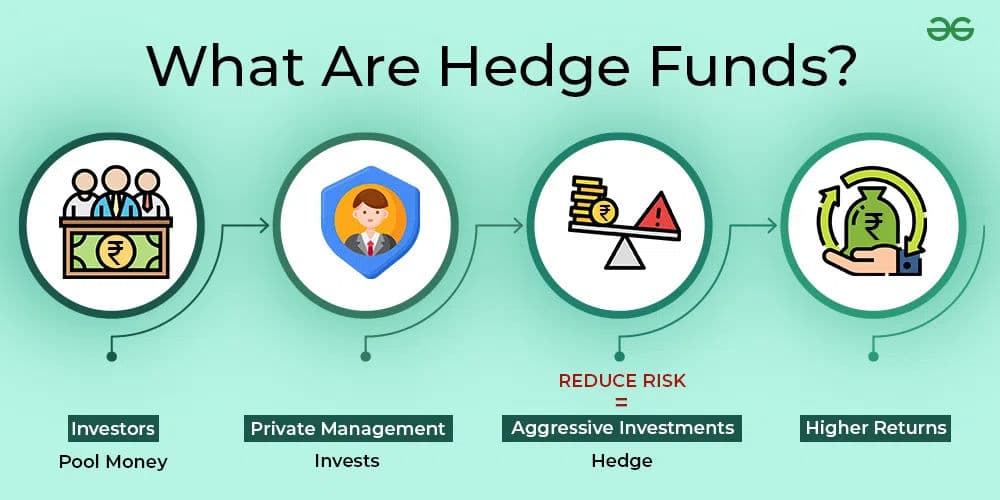
What Is a Hedge Fund and How It Works as an Investment Strategy
What Is a Hedge Fund and How It Works as a High-Risk, High-Return Investment StrategyA hedge fund is one of the most advanced and flexible investment vehicles in the financial world. It pools capital from a select group of investors and uses a wide range of strategies to generate high returns. Unlike traditional investments such as mutual funds, hedge funds are known for their aggressive techniques and ability to perform in different market conditions.The primary goal of a hedge fund is to maximize returns while managing risk. Fund managers use sophisticated financial instruments, market analysis, and strategic positioning to achieve this objective.However, hedge funds are also associated with higher risks, making them suitable for experienced investors who can handle market volatility.What Is a Hedge Fund?A hedge fund is a pooled investment fund that uses diverse strategies to earn active returns for its investors. These funds are typically managed by professional fund managers who make investment decisions based on market trends and opportunities.Pooled investment structureManaged by professionalsUses advanced strategiesTargets high returnsHedge funds are less regulated compared to traditional investment funds, giving them greater flexibility.How Hedge Funds WorkHedge funds operate by collecting capital from investors and investing it across various asset classes. Fund managers actively monitor market conditions and adjust strategies to maximize returns.Capital poolingActive managementDynamic asset allocationUse of leverageThis approach allows hedge funds to capitalize on market opportunities quickly.Key Strategies Used by Hedge FundsHedge funds use a variety of strategies depending on market conditions and objectives.Long/Short Equity: Buying undervalued stocks and shorting overvalued onesGlobal Macro: Investing based on economic trendsEvent-Driven: Profiting from corporate eventsArbitrage: Exploiting price differencesQuantitative Trading: Using algorithms and data modelsThese strategies help hedge funds generate returns in both rising and falling markets.Why Hedge Funds Are High-RiskHedge funds are considered high-risk investments due to their aggressive strategies and use of leverage.Use of borrowed fundsExposure to volatile marketsComplex financial instrumentsLimited transparencyWhile these factors can increase returns, they also amplify potential losses.High-Return PotentialThe main attraction of hedge funds is their ability to deliver high returns. Skilled fund managers use innovative strategies to outperform traditional investments.Profit in all market conditionsAccess to global marketsAdvanced risk managementHowever, returns are not guaranteed and depend on market performance and expertise.Fee StructureHedge funds typically follow a “2 and 20” fee structure:2% management fee20% performance feeThis aligns the interests of fund managers with investors but increases costs.Who Should Invest in Hedge Funds?High-net-worth individualsInstitutional investorsExperienced tradersThese investors can handle high-risk investments and complex strategies.Advantages of Hedge FundsHigh return potentialDiversificationFlexible strategiesProfessional managementDisadvantages of Hedge FundsHigh riskExpensive feesLimited liquidityComplex structureFuture of Hedge FundsHedge funds are evolving with advancements in technology and data analytics.AI-driven strategiesAlgorithmic tradingGlobal investment opportunitiesThe future promises more innovation and efficiency.Hedge funds combine strategy, flexibility, and risk to create opportunities for high financial growth.Frequently Asked QuestionsWhat is a hedge fund?A hedge fund is a pooled investment fund that uses advanced strategies to generate high returns.Why are hedge funds risky?They use leverage and complex strategies that increase both gains and losses.Who can invest?Typically high-net-worth individuals and institutional investors.ConclusionHedge funds are powerful investment vehicles that offer high return potential through advanced strategies. However, they come with significant risks and complexity. Investors must carefully evaluate their goals and risk tolerance before investing. With proper understanding, hedge funds can be a valuable addition to a diversified portfolio.

Why Choosing the Right Nominee Ensures Faster Claim Settlement
Why Choosing the Right Nominee Ensures Faster and Hassle-Free Insurance Claim SettlementInsurance is meant to provide financial protection and peace of mind, but its true value is realized only when the claim process is smooth and efficient. One of the most crucial yet often overlooked aspects of insurance planning is choosing the right nominee.A nominee is the person who receives the insurance claim amount in case of the policyholder’s death. While this may seem like a simple step, selecting the right nominee plays a significant role in ensuring that the claim settlement process is fast, hassle-free, and free from legal complications.Understanding the importance of nomination and making informed decisions can help secure your family’s financial future and avoid unnecessary delays.What Is a Nominee in Insurance?A nominee is an individual appointed by the policyholder to receive the insurance benefits in the event of the policyholder’s demise. The nominee acts as a custodian of the claim amount and ensures that the funds are distributed appropriately.Receives insurance claim amountActs as a representativeFacilitates claim processingCan be updated anytimeChoosing the right nominee ensures clarity and avoids confusion during difficult times.Importance of Choosing the Right NomineeThe choice of nominee directly impacts how smoothly the claim settlement process is handled. A responsible and informed nominee can manage the process efficiently, reducing delays and complications.Ensures faster claim settlementReduces legal disputesProvides financial securitySimplifies documentation processA wrong nominee choice can lead to unnecessary stress and delays.Who Should Be Your Nominee?Choosing the right nominee requires careful consideration. Ideally, the nominee should be someone you trust and who understands financial responsibilities.SpouseChildrenParentsLegal heirsThese individuals are generally the most suitable nominees.Key Factors to ConsiderWhile selecting a nominee, it is important to evaluate certain factors to ensure smooth claim settlement.TrustworthinessFinancial awarenessAge and maturityLegal eligibilityRelationship with policyholderThese factors help in choosing a capable nominee.Role of Nominee in Claim SettlementThe nominee plays a central role in the claim settlement process. Their responsibilities include initiating the claim and completing required formalities.Submitting claim applicationProviding necessary documentsCoordinating with insurerReceiving claim amountA knowledgeable nominee ensures faster processing.Common Mistakes to AvoidMany policyholders make mistakes that complicate claim settlement.Not updating nominee detailsChoosing minors without guardianNot informing nomineeIgnoring legal documentationAvoiding these mistakes ensures a smooth process.Importance of Updating Nominee DetailsLife events such as marriage or childbirth require updating nominee details. Keeping information updated ensures correct claim settlement.Reflects current situationPrevents disputesEnsures rightful beneficiaryRegular updates are essential.Legal Aspects of NominationNomination has legal implications that must be understood clearly.Nominee may not be legal heirLegal heirs may claim rightsProper documentation is necessaryUnderstanding these aspects avoids complications.Benefits of Proper NominationQuick claim settlementReduced paperworkFinancial security for familyPeace of mindProper nomination simplifies insurance benefits.Choosing the right nominee ensures that your insurance benefits reach your loved ones quickly and without complications.Role in Financial PlanningNomination is an essential part of financial planning. It ensures that assets are transferred smoothly and supports your family during difficult times.Ensures smooth asset transferReduces financial stressSupports long-term planningIt is a critical aspect of responsible financial management.Frequently Asked QuestionsWho can be a nominee?A nominee can be a family member or any trusted individual.Can I change my nominee?Yes, you can update nominee details anytime.Is nominee always the legal heir?No, legal heirs may still have rights depending on the law.ConclusionChoosing the right nominee is essential for ensuring faster and hassle-free insurance claim settlement. It reduces legal complications, speeds up the process, and ensures financial security for your loved ones. By making informed decisions and keeping nominee details updated, you can ensure a smooth claim experience.

Why General Insurance Secures Health, Property and Travel
Why General Insurance Is the Best Way to Secure Your Health, Property, Travel and FinanceIn today’s fast-paced and uncertain world, protecting your assets, health, and financial stability has become more important than ever. General insurance plays a crucial role in safeguarding individuals and families from unexpected financial losses caused by accidents, medical emergencies, property damage, or travel disruptions.Unlike life insurance, which focuses on providing financial support after death, general insurance covers a wide range of risks during your lifetime. It acts as a financial shield that helps you manage uncertainties without draining your savings.Understanding how general insurance works and why it is essential can help you build a strong financial safety net and secure your future.What Is General Insurance?General insurance refers to insurance policies that provide coverage for non-life assets and risks. It includes protection against financial losses arising from events such as accidents, theft, natural disasters, health issues, and travel-related problems.Covers non-life risksProvides financial compensationIncludes multiple insurance typesRequires regular premium paymentsIt ensures that unexpected events do not create financial instability.Types of General InsuranceGeneral insurance includes various types of policies designed to protect different aspects of life.Health Insurance: Covers medical expensesMotor Insurance: Protects vehicles from damageHome Insurance: Covers property and belongingsTravel Insurance: Protects against travel risksFire Insurance: Covers damage due to fireEach type addresses specific risks and ensures comprehensive protection.How General Insurance WorksGeneral insurance works on the principle of risk sharing. Policyholders pay premiums to the insurer, and in return, the insurer provides financial compensation in case of a covered loss.Premium paymentPolicy coverage activationClaim filing during lossCompensation by insurerThis mechanism helps individuals manage financial risks effectively.Why General Insurance Is EssentialGeneral insurance is essential because it protects you from financial losses that can arise unexpectedly. Without insurance, individuals may have to rely on savings or loans during emergencies.Protects against financial shocksEnsures peace of mindSupports financial stabilityReduces dependency on savingsIt acts as a financial safety net in uncertain situations.Protection for HealthHealth insurance is one of the most important components of general insurance. It covers medical expenses and ensures access to quality healthcare.Covers hospitalization costsIncludes pre- and post-treatment expensesProvides cashless treatment optionsThis ensures that medical emergencies do not affect your finances.Protection for PropertyProperty insurance protects your home and belongings from risks such as fire, theft, and natural disasters.Covers structural damageProtects personal belongingsProvides compensation for lossesThis ensures security for your valuable assets.Protection for TravelTravel insurance provides coverage for unexpected events during trips, such as medical emergencies, trip cancellations, or lost luggage.Covers medical emergencies abroadProtects against trip cancellationsCompensates for lost baggageIt ensures a stress-free travel experience.Protection for Financial StabilityGeneral insurance helps maintain financial stability by covering unexpected expenses and preventing financial losses.Reduces financial burdenProtects savingsEnsures continuity of financial goalsIt plays a vital role in long-term financial planning.Benefits of General InsuranceComprehensive risk coverageFinancial securityPeace of mindProtection of assetsSupport during emergenciesThese benefits make general insurance indispensable.Common Mistakes to AvoidIgnoring insurance needsChoosing insufficient coverageNot reading policy termsDelaying purchaseAvoiding these mistakes ensures better protection.General insurance is not just protection—it is a smart financial strategy that secures your present and safeguards your future.Role in Financial PlanningGeneral insurance is a key component of financial planning. It ensures that your financial goals remain intact despite uncertainties.Protects assetsEnsures goal continuityReduces financial risksIt complements savings and investment strategies.Frequently Asked QuestionsWhat is general insurance?It is insurance that covers non-life risks such as health, property, and travel.Why is it important?It protects against financial losses and ensures stability during emergencies.What does it cover?It covers health, property, travel, and other risks.ConclusionGeneral insurance is one of the best ways to secure your health, property, travel, and financial stability. It provides comprehensive protection against unexpected risks and ensures peace of mind. By choosing the right policies, you can build a strong financial safety net and protect your future effectively.

Why Risk Coverage Is Essential for Financial Protection
Why Risk Coverage Is Essential for Protecting Your Income, Savings and Family from Unexpected EventsIn today’s unpredictable world, financial stability is constantly exposed to various risks such as medical emergencies, accidents, natural disasters, job loss, and unexpected life events. These uncertainties can disrupt not only your daily life but also your long-term financial goals. This is where risk coverage becomes essential.Risk coverage is a financial safety mechanism that protects individuals and families from sudden financial losses. It ensures that your income, savings, and assets remain secure even during challenging times. Without proper risk coverage, a single unexpected event can wipe out years of savings and create long-term financial stress.Understanding the importance of risk coverage is the first step toward building a strong and resilient financial future.What Is Risk Coverage?Risk coverage refers to the protection provided by insurance policies against financial losses arising from unforeseen events. It acts as a shield that absorbs the financial impact of risks and helps individuals maintain stability.Provides financial protectionCovers unexpected risksEnsures stability during emergenciesSupports long-term financial planningIt is a fundamental component of a well-structured financial plan.Why Risk Coverage Is CrucialLife is full of uncertainties, and unexpected events can lead to significant financial burdens. Risk coverage ensures that these events do not derail your financial plans.Protects income from disruptionPrevents depletion of savingsEnsures family securityReduces financial stressWithout risk coverage, individuals often rely on savings or loans, which can lead to long-term financial instability.Types of Risk CoverageDifferent types of insurance policies provide risk coverage for various situations.Life Insurance: Financial support for family after deathHealth Insurance: Covers medical expensesDisability Insurance: Protects income in case of disabilityAccident Insurance: Covers accidental injuriesProperty Insurance: Protects physical assetsEach type addresses specific risks and contributes to overall financial security.How Risk Coverage Protects Your IncomeYour income is the backbone of your financial stability. Risk coverage ensures that your family continues to receive financial support even if your income is disrupted.Income replacement through life insuranceSupport during disabilityProtection against job-related risksThis ensures continuity in meeting financial obligations such as EMIs, education expenses, and daily living costs.How It Safeguards Your SavingsUnexpected expenses can quickly drain your savings. Risk coverage helps preserve your hard-earned money.Covers medical emergenciesPrevents emergency withdrawalsProtects long-term investmentsThis allows you to stay on track with your financial goals.Impact on Family Financial SecurityRisk coverage ensures that your family remains financially secure even in your absence.Provides financial supportMaintains standard of livingEnsures children’s educationIt acts as a protective shield for your loved ones.Key Benefits of Risk CoverageFinancial stability during crisesPeace of mindProtection of assetsSupport for long-term goalsThese benefits make risk coverage indispensable.Common Mistakes to AvoidIgnoring insurance needsChoosing insufficient coverageNot updating policiesDelaying purchaseAvoiding these mistakes ensures better financial protection.Risk coverage is not an expense—it is an investment in your financial security and your family’s future.Role in Financial PlanningRisk coverage is a fundamental element of financial planning. It ensures that your financial goals remain intact even during unexpected situations.Protects wealthEnsures goal continuityReduces financial risksIt complements savings and investment strategies.Frequently Asked QuestionsWhat is risk coverage?It is financial protection against unexpected events through insurance.Why is it important?It protects income, savings, and family from financial shocks.What types are available?Life, health, disability, and property insurance provide risk coverage.ConclusionRisk coverage is essential for protecting your income, savings, and family from unexpected events. It provides financial stability, ensures peace of mind, and safeguards your future goals. By investing in the right insurance policies, you can build a secure and resilient financial foundation.

Life Insurance: Protect Your Loved Ones with Financial Security
Life Insurance: Protect Your Loved OnesLife insurance is one of the most important financial tools that ensures the safety and security of your loved ones in case of unforeseen circumstances. It acts as a financial shield, providing support to your family when they need it the most.In today’s uncertain world, where unexpected events can disrupt financial stability, life insurance plays a crucial role in protecting your family’s future. It not only offers financial protection but also helps in long-term planning and wealth creation.Understanding life insurance, its types, benefits, and importance can help you make informed decisions and secure your family’s financial well-being.What Is Life Insurance?Life insurance is a contract between an individual and an insurance company, where the insurer promises to pay a specified amount to the nominee in case of the policyholder’s death, in exchange for regular premium payments.Provides financial protectionEnsures income replacementRequires regular premium paymentsOffers peace of mindThis ensures that your family can maintain their standard of living even in your absence.Why Life Insurance Is ImportantLife insurance is essential for anyone who has financial dependents. It provides a safety net that ensures your family’s needs are met even when you are not around.Protects family financiallyCovers outstanding debtsSupports children’s educationMaintains lifestyleIt is a cornerstone of a strong financial plan.Types of Life Insurance PoliciesThere are different types of life insurance policies designed to meet various financial needs.Term Insurance: Pure protection planEndowment Plans: Savings + insuranceULIPs: Investment-linked insuranceWhole Life Insurance: Lifetime coverageEach type offers unique features and benefits.How Life Insurance WorksThe working of life insurance is simple. You pay premiums to the insurer, and in return, the insurer provides coverage for a specific period or lifetime.Choose policy and coveragePay premiums regularlyNominee receives payout on deathThis ensures financial support for your family during difficult times.Benefits of Life InsuranceLife insurance offers multiple benefits that make it an essential financial product.Financial security for familyTax benefitsWealth creation (in some plans)Peace of mindThese benefits help in achieving financial stability and long-term goals.Who Should Buy Life Insurance?Life insurance is suitable for anyone who wants to protect their family’s financial future.Working professionalsMarried individualsParentsPeople with loansIt is especially important for primary earners.Factors to Consider Before BuyingCoverage amountPolicy termPremium affordabilityInsurer reputationClaim settlement ratioChoosing the right policy ensures maximum benefit.Common Mistakes to AvoidDelaying purchaseChoosing insufficient coverageIgnoring policy termsNot updating nomineeAvoiding these mistakes ensures better financial protection.Life insurance is not just a policy—it is a promise to protect your loved ones and secure their future.Role in Financial PlanningLife insurance is a key component of financial planning. It provides a foundation for securing your family’s future while helping you achieve long-term goals.Income replacementDebt protectionFuture planningIt ensures stability and confidence in uncertain times.Frequently Asked QuestionsWhat is life insurance?It is a policy that provides financial support to your family after your death.Why is life insurance important?It ensures financial security for your loved ones.Which plan is best?Term insurance is best for pure protection.ConclusionLife insurance is an essential financial tool that protects your loved ones and ensures their financial stability. By choosing the right policy and maintaining it consistently, you can secure your family’s future and achieve peace of mind.

Why Term Insurance Is the Smartest Way to Protect Family
Why Term Insurance Is the Smartest and Most Affordable Way to Protect Your Family FinanciallyIn today’s fast-changing financial world, ensuring the safety and security of your family is one of the most important responsibilities. Term insurance has emerged as one of the simplest, most effective, and affordable ways to provide financial protection to your loved ones in case of unforeseen events.Unlike other insurance products that combine savings and investment, term insurance focuses purely on protection. It offers a high sum assured at a relatively low premium, making it accessible to a wide range of individuals.Understanding how term insurance works and why it is considered the smartest choice can help you make informed decisions and secure your family’s financial future.What Is Term Insurance?Term insurance is a type of life insurance policy that provides coverage for a specific period or "term." If the policyholder passes away during the policy term, the insurance company pays a death benefit to the nominee.Pure protection planFixed policy termLow premium costHigh coverage amountUnlike other policies, term insurance does not provide maturity benefits, which makes it more affordable.How Term Insurance WorksThe working of term insurance is straightforward. The policyholder pays regular premiums to the insurer for a chosen period. In return, the insurer provides financial protection for that duration.Choose policy term and coveragePay regular premiumsNominee receives payout on deathNo payout if policyholder survives (in basic plans)This simplicity makes term insurance easy to understand and manage.Why Term Insurance Is AffordableTerm insurance is considered one of the most affordable insurance options because it focuses solely on providing life coverage without additional investment components.No maturity benefitsLower administrative costsSimple structureHigh coverage at low premiumThis affordability allows individuals to secure large coverage amounts without financial strain.Benefits of Term InsuranceTerm insurance offers several benefits that make it an essential part of financial planning.High coverage at low costFinancial security for familyFlexible policy optionsTax benefits under applicable lawsPeace of mindThese benefits ensure that your family remains financially stable even in your absence.Who Should Buy Term Insurance?Term insurance is suitable for individuals who have financial dependents and want to ensure their well-being.Working professionalsMarried individualsParentsPeople with loans or liabilitiesIt is especially important for those who are the primary earners in their family.Factors to Consider Before BuyingChoosing the right term insurance plan requires careful evaluation of several factors.Sum assuredPolicy termPremium affordabilityClaim settlement ratioAdditional ridersConsidering these factors ensures better protection and value.Common Mistakes to AvoidChoosing low coverageIgnoring policy detailsNot disclosing medical historyDelaying purchaseAvoiding these mistakes ensures maximum benefit.Term Insurance vs Other Insurance PlansTerm insurance differs significantly from other insurance products.Term → Pure protectionEndowment → Protection + savingsULIP → Investment + insuranceTerm insurance is ideal for those who prioritize financial security over investment returns.Term insurance is the foundation of financial planning—it ensures your family’s future remains secure no matter what happens.Importance in Financial PlanningTerm insurance plays a critical role in financial planning by providing a safety net for your family.Covers financial liabilitiesEnsures income replacementSupports long-term goalsIt is one of the most essential components of a secure financial plan.Frequently Asked QuestionsWhat is term insurance?It is a life insurance policy that provides coverage for a specific period.Is term insurance worth it?Yes, it offers high coverage at low cost and ensures financial protection.Does it provide maturity benefit?No, basic term plans do not offer maturity benefits.ConclusionTerm insurance is one of the smartest and most affordable ways to protect your family financially. Its simplicity, affordability, and high coverage make it an essential tool for financial security. By choosing the right plan and maintaining it consistently, you can ensure peace of mind and a secure future for your loved ones.

Health Insurance Explained: Meaning, Types, Benefits & Coverage
Health Insurance Explained: Meaning, Types, How It Works, Benefits and CoverageHealth insurance is one of the most important financial tools that provides protection against rising medical expenses. With increasing healthcare costs, having a reliable health insurance policy ensures that individuals and families can access quality medical treatment without facing financial stress.Health insurance not only covers hospitalization expenses but also includes a wide range of benefits such as pre- and post-hospitalization care, critical illness coverage, and preventive healthcare services. It plays a vital role in safeguarding both health and finances.In today’s uncertain world, health insurance has become a necessity rather than a luxury. Understanding its meaning, types, benefits, and coverage helps individuals make informed decisions and choose the right policy.What Is Health Insurance?Health insurance is a contract between an individual and an insurance company, where the insurer agrees to cover medical expenses in exchange for regular premium payments. It provides financial support during medical emergencies and planned treatments.Covers hospitalization costsIncludes medical treatments and proceduresProvides financial protectionRequires regular premium paymentsThis coverage ensures that policyholders can focus on recovery without worrying about expenses. How Health Insurance WorksThe working of health insurance is simple. The policyholder pays premiums to the insurance company, and in return, the insurer covers medical expenses as per the policy terms.Premium paymentPolicy coverage activationCashless or reimbursement claimsClaim settlement by insurerIn case of hospitalization, policyholders can either avail cashless treatment at network hospitals or claim reimbursement after paying the expenses.Types of Health Insurance PlansThere are various types of health insurance plans designed to meet different needs.Individual Health Insurance: Covers a single personFamily Floater Plan: Covers entire family under one policyCritical Illness Insurance: Covers serious diseasesSenior Citizen Plans: Designed for older individualsGroup Health Insurance: Provided by employersEach plan offers unique benefits and coverage options.Key Benefits of Health InsuranceHealth insurance provides numerous benefits that make it essential for financial planning.Financial protection against medical expensesAccess to quality healthcareCashless treatment optionsTax benefits under applicable lawsPeace of mindThese benefits ensure that individuals can manage healthcare costs effectively.Coverage Offered by Health InsuranceHealth insurance policies cover a wide range of medical expenses.Hospitalization expensesPre- and post-hospitalization costsDaycare proceduresAmbulance chargesCritical illness coverageUnderstanding coverage helps in choosing the right policy.Factors to Consider While Choosing a PolicySelecting the right health insurance plan requires careful evaluation.Sum insuredPremium affordabilityNetwork hospitalsClaim settlement ratioPolicy exclusionsConsidering these factors ensures better coverage and value.Common Mistakes to AvoidChoosing low coverageIgnoring policy termsNot renewing on timeHiding medical historyAvoiding these mistakes helps maximize benefits.Importance of Health InsuranceHealth insurance is essential in today’s world due to rising medical costs and increasing health risks.Protects savingsEnsures access to treatmentReduces financial burdenIt is a critical component of financial security.Health insurance is not just a policy—it is a safety net that protects both your health and your financial future.Future of Health InsuranceThe health insurance industry is evolving with advancements in technology and healthcare services.Digital claim processingAI-based underwritingTelemedicine coverageThe future promises more accessible and efficient healthcare solutions.Frequently Asked QuestionsWhat is health insurance?It is a policy that covers medical expenses in exchange for premiums.Is health insurance necessary?Yes, it protects against high medical costs and ensures financial security.What does it cover?It covers hospitalization, treatments, and related medical expenses.ConclusionHealth insurance is an essential financial tool that provides protection against medical expenses and ensures access to quality healthcare. By understanding its meaning, types, benefits, and coverage, individuals can make informed decisions and secure their future effectively.

Italy Dollar in Indian Rupees: Exchange Rate and Market Trends
Italy Dollar in Indian Rupees: Understanding the Exchange Rate and Market TrendsThe exchange rate between the Italy Dollar (often referred to as the Euro in international markets) and Indian Rupees plays a vital role for both tourists and traders. If you’re planning to visit Italy, make international payments, or trade between these two currencies, understanding the current exchange rate is crucial.In this article, we’ll dive into the factors that influence the exchange rate of the Italy Dollar in Indian Rupees, how it impacts daily transactions, and provide you with the current trends and forecasts for better financial planning.Before diving into the details, it's important to recognize that currency exchange rates fluctuate based on several macroeconomic factors such as inflation, interest rates, and geopolitical events. These fluctuations directly affect the value of the Italy Dollar in Indian Rupees.The Factors Affecting the Exchange Rate Between Italy Dollar and Indian RupeeCurrency exchange rates are affected by various economic conditions. Let’s explore the key factors that drive the exchange rate between the Italy Dollar (Euro) and Indian Rupee.Interest Rates: The difference in interest rates between the European Central Bank (ECB) and the Reserve Bank of India (RBI) can influence the exchange rate. Higher interest rates in one country attract foreign investment, causing the currency value to appreciate.Inflation Rates: Countries with lower inflation rates typically have stronger currencies, as their goods and services become more attractive in the global market.Market Speculation: Traders and investors anticipate future events (such as elections or global crises) that can drive demand for one currency over another, thus impacting the exchange rate.Government Debt: High levels of debt in a country can cause depreciation of its currency, as investors may worry about the country’s ability to pay back the debt.Global Events: Economic and political stability in Italy or India can have a significant impact on their respective currencies.With these influencing factors, it’s important to keep track of both countries’ economic health to predict changes in the value of the Italy Dollar in Indian Rupees.Current Exchange Rate of Italy Dollar (Euro) to Indian RupeeAs of the latest data, the exchange rate between the Italy Dollar (Euro) and the Indian Rupee is approximately 1 EUR = 90.50 INR. However, this rate fluctuates on a daily basis based on the aforementioned factors.If you’re planning to exchange currency, it’s a good idea to track the rates using online platforms or financial tools. Websites like Epoverse offer real-time exchange rates to keep you updated.How to Track the Italy Dollar to Indian Rupee Exchange Rate?Currency Conversion Tools: Use online platforms like for real-time exchange rates and historical trends.Bank Exchange Rates: Check with your bank or currency exchange provider, as they often provide live rates with small spreads.Mobile Apps: Many financial apps allow you to track currency rates on your phone, helping you keep an eye on changes as they happen.Frequently Asked Questions (FAQs)What is the exchange rate between Italy Dollar and Indian Rupee?The exchange rate between the Italy Dollar (Euro) and the Indian Rupee fluctuates daily based on market factors. As of the latest rates, 1 Euro = 90.50 INR.How can I convert Italy Dollar to Indian Rupees?You can convert Euros to Indian Rupees at banks, currency exchange services, or through online platforms like Epoverse.What are the best ways to track the Italy Dollar to Indian Rupee exchange rate?Tracking platforms such as Epoverse, mobile apps, and bank rates provide accurate and up-to-date exchange rates.Why does the Italy Dollar exchange rate fluctuate?Fluctuations in the exchange rate are caused by various factors, including interest rates, inflation, geopolitical events, and market speculation.Where can I get the best exchange rate for Italy Dollar to Indian Rupee?To get the best rates, compare rates from banks, online currency conversion websites like Epoverse, and physical exchange offices.ConclusionThe Italy Dollar in Indian Rupees is an essential exchange rate to understand, whether you’re planning a trip to Italy or involved in international trade. By staying informed about economic trends, market shifts, and using real-time tools like, you can make smarter financial decisions when converting currencies.Monitoring the exchange rate and planning accordingly helps individuals and businesses optimize their financial strategies. Understanding how currencies work can give you an edge in global transactions and investments..article-container{ font-family:Arial, Helvetica, sans-serif; line-height:1.8; color:#374151; max-width:1000px; margin:auto; padding:20px; background:#ffffff; } .article-container h1{ font-size:30px; color:#1e3a8a; border-left:6px solid #3b82f6; padding-left:15px; margin-bottom:25px; } .article-container h2{ color:#3b82f6; font-size:24px; margin-top:35px; } .article-container ul{ padding-left:20px; } .article-container li{ margin-bottom:8px; } .article-container .article-image{ width:100%; border-radius:10px; margin:25px 0; } .article-container details{ border:1px solid #ddd; padding:15px; margin-bottom:10px; border-radius:6px; background:#f9fafb; } .article-container summary{ cursor:pointer; font-weight:bold; color:#1e3a8a; }

Why Choosing the Right Nominee Ensures Faster Claim Settlement
Why Choosing the Right Nominee Ensures Faster and Hassle-Free Insurance Claim SettlementInsurance is a crucial financial tool that provides protection and security to individuals and their families. However, the effectiveness of an insurance policy does not depend only on coverage or premium—it also depends on proper nomination. Choosing the right nominee plays a vital role in ensuring that claims are settled quickly and without complications.A nominee is the person who receives the insurance benefits in the event of the policyholder’s death. While many people overlook this aspect, selecting the right nominee can make a significant difference in how smoothly the claim process is handled.What Is a Nominee in Insurance?A nominee is an individual appointed by the policyholder to receive the insurance claim amount in case of the policyholder’s demise. The nominee acts as a custodian of the funds and ensures that the benefits are transferred as intended.Receives insurance claim amountActs as a legal representativeEnsures smooth claim settlementCan be updated anytimeChoosing the right nominee ensures that the claim process remains simple and efficient. Importance of Choosing the Right NomineeSelecting the right nominee is essential for ensuring that insurance benefits are transferred without delays or disputes. A well-chosen nominee can handle documentation and legal formalities efficiently.Ensures quick claim settlementReduces legal complicationsPrevents disputes among family membersProvides financial security to dependentsFailing to choose the right nominee can lead to delays and unnecessary stress for family members.Who Can Be a Nominee?Policyholders can nominate individuals they trust to handle financial matters responsibly. Common nominees include:SpouseChildrenParentsLegal heirsIt is important to choose someone who understands financial responsibilities and can manage the claim process effectively.Factors to Consider While Choosing a NomineeChoosing a nominee should not be a random decision. Several factors must be considered to ensure smooth claim settlement.TrustworthinessFinancial awarenessRelationship with policyholderAge and maturityLegal eligibilityThese factors help ensure that the nominee can handle responsibilities efficiently.Role of Nominee in Claim SettlementThe nominee plays a crucial role during the claim process. They are responsible for submitting required documents and communicating with the insurance company.Submitting claim applicationProviding necessary documentsCoordinating with insurerReceiving claim amountA well-informed nominee can ensure faster claim settlement.Common Mistakes to AvoidMany policyholders make mistakes while choosing nominees, which can complicate the claim process.Not updating nominee detailsChoosing minors without guardianIgnoring legal documentationNot informing nomineeAvoiding these mistakes ensures smoother claim processing.Importance of Updating Nominee DetailsLife changes such as marriage, childbirth, or relocation may require updating nominee details. Keeping information updated ensures that the right person receives the benefits.Reflects current family situationAvoids legal complicationsEnsures correct beneficiaryRegular updates help maintain accuracy and relevance.Legal Aspects of NominationNomination is governed by legal provisions, and understanding these aspects is important for smooth claim settlement.Nominee is not always the legal heirLegal heirs may have rightsDocumentation is crucialUnderstanding legal implications helps avoid disputes.Benefits of Proper NominationFaster claim settlementReduced paperworkFinancial security for familyPeace of mindProper nomination simplifies the entire insurance process.Choosing the right nominee is not just a formality—it is a critical step in ensuring your loved ones receive financial support without delays.Long-Term Financial Planning PerspectiveNomination plays a vital role in long-term financial planning. It ensures that assets are transferred smoothly and supports family members during difficult times.Ensures continuity of financial supportReduces stress during emergenciesSupports overall financial planningIt is an essential component of responsible financial management.Frequently Asked QuestionsWho can be a nominee?A nominee can be a family member, legal heir, or any trusted individual.Can I change my nominee?Yes, you can update nominee details anytime during the policy term.Is nominee the legal heir?Not always. Legal heirs may still have rights depending on laws.ConclusionChoosing the right nominee is a crucial step in ensuring that insurance claims are settled quickly and without complications. It not only simplifies the claim process but also provides financial security and peace of mind to your loved ones. By understanding the importance of nomination and making informed decisions, you can ensure a smooth and hassle-free claim settlement experience.

What Is a Hedge Fund and How It Works as an Investment Strategy
What Is a Hedge Fund and How It Works as a High-Risk, High-Return Investment StrategyA hedge fund is a sophisticated investment vehicle that pools money from a group of investors and uses advanced strategies to generate high returns. Unlike traditional investment options such as mutual funds or savings instruments, hedge funds operate with greater flexibility, allowing fund managers to explore a wide range of opportunities across global financial markets.Hedge funds are typically managed by experienced professionals who actively monitor market trends, economic indicators, and asset performance. Their goal is to maximize returns regardless of whether the market is rising or falling. This ability to profit in all market conditions makes hedge funds unique but also inherently risky.Due to their complexity and high-risk nature, hedge funds are generally suitable for high-net-worth individuals and institutional investors who have a deep understanding of financial markets and a high tolerance for risk.Understanding Hedge FundsThe concept of hedge funds originated from the idea of reducing risk through hedging strategies. Early hedge funds balanced long and short positions to protect against market volatility. Over time, these funds evolved into highly dynamic investment vehicles focused on maximizing returns rather than just minimizing risk.Today, hedge funds use a variety of strategies and financial instruments to achieve their objectives. They are less regulated than mutual funds, giving them the freedom to invest in unconventional ways.Pooled investment from select investorsActive and flexible managementUse of complex financial instrumentsFocus on high returnsLimited regulatory constraintsHow Hedge Funds WorkHedge funds operate by pooling capital from investors and deploying it across different asset classes. Fund managers use their expertise to identify opportunities and execute strategies that can generate returns.Unlike traditional funds, hedge funds are actively managed and involve frequent buying and selling of assets. They also use leverage, which means borrowing money to increase investment exposure.Capital pooling from investorsActive portfolio managementUse of leverageDynamic asset allocationPerformance-based incentivesThis approach allows hedge funds to respond quickly to market changes and capitalize on opportunities.Major Hedge Fund StrategiesHedge funds employ a wide range of strategies depending on market conditions and investment goals.Long/Short Equity: Buying undervalued stocks and shorting overvalued onesGlobal Macro: Investing based on economic trendsEvent-Driven: Profiting from corporate eventsArbitrage: Exploiting price inefficienciesQuantitative Trading: Using algorithms and data modelsThese strategies enable hedge funds to generate returns in diverse market environments.Why Hedge Funds Are High-RiskHedge funds are considered high-risk investments due to their aggressive strategies and use of leverage. While these techniques can amplify returns, they also increase the potential for losses.Use of borrowed fundsExposure to volatile marketsComplex derivativesLimited transparencyInvestors must carefully evaluate their risk tolerance before investing in hedge funds.High-Return PotentialThe primary appeal of hedge funds is their ability to generate high returns. Skilled managers use innovative strategies to outperform traditional investments.Profit in all market conditionsAccess to global opportunitiesActive risk managementHowever, high returns are not guaranteed and depend on market conditions and managerial expertise.Fee StructureHedge funds typically follow a “2 and 20” fee model:2% management fee20% performance feeThis structure aligns the interests of fund managers with investors but increases overall costs.Who Should Invest in Hedge Funds?High-net-worth individualsInstitutional investorsExperienced tradersThese investors typically have the knowledge and resources to handle high-risk investments.Advantages of Hedge FundsHigh return potentialDiversificationFlexible strategiesProfessional managementDisadvantages of Hedge FundsHigh riskExpensive feesLimited liquidityComplex structureFuture of Hedge FundsWith advancements in technology, hedge funds are evolving rapidly. AI, machine learning, and big data are transforming investment strategies.Growth of algorithmic tradingIncreased data-driven decisionsExpansion into global marketsHedge funds combine innovation, flexibility, and risk to create opportunities for exceptional financial growth.Frequently Asked QuestionsWhat is a hedge fund?A hedge fund is a pooled investment fund that uses advanced strategies to generate high returns.Why are hedge funds risky?They use leverage and complex strategies that increase both potential gains and losses.Can beginners invest?No, hedge funds are generally suited for experienced investors.ConclusionHedge funds are powerful investment vehicles that offer high return potential through advanced strategies. However, they come with significant risks and complexity. Investors must carefully evaluate their goals and risk tolerance before investing. With proper understanding and strategy, hedge funds can be a valuable addition to a diversified investment portfolio.
Why Credit Utilization Ratio Matters for Score and Loan Approval
Why Your Credit Utilization Ratio Is the Key to Improving Your Credit Score and Loan EligibilityYour credit score plays a crucial role in determining your financial credibility and eligibility for loans, credit cards, and other financial products. Among all the factors that influence your credit score, the credit utilization ratio is one of the most powerful and often misunderstood metrics.It reflects how much of your available credit you are using and directly impacts how lenders evaluate your financial behavior. Managing this ratio effectively can significantly improve your credit score and increase your chances of loan approval.What is Credit Utilization Ratio?The credit utilization ratio is the percentage of your total available credit that you are currently using. It is calculated by dividing your total outstanding balance by your total credit limit.Measures how much credit you useExpressed as a percentageApplies mainly to credit cardsUpdated monthly in credit reportsWhy Credit Utilization MattersYour credit utilization ratio is a major factor in your credit score. A high ratio signals that you may be overly dependent on credit, which increases your risk profile in the eyes of lenders.Directly affects credit scoreIndicates financial disciplineImpacts loan approval chancesShows borrowing behaviorKeeping your credit usage low demonstrates that you can manage credit responsibly.Ideal Credit Utilization RatioExperts recommend maintaining your credit utilization ratio below 30%. Lower ratios indicate better financial health.Below 30% → GoodBelow 10% → ExcellentAbove 50% → High riskImpact on Credit Score and LoansA lower credit utilization ratio improves your credit score, which in turn increases your eligibility for loans and credit cards. Lenders prefer borrowers who maintain low utilization as it indicates financial stability.Higher score → Better loan approvalLower interest ratesHigher credit limitsStronger financial profileEven if you pay bills on time, a high utilization ratio can negatively impact your score.Common Mistakes to AvoidMaxing out credit cardsIgnoring credit limitsMaking only minimum paymentsClosing unused cardsThese mistakes can quickly increase your utilization ratio and damage your credit score.How to Improve Your Credit UtilizationPay balances before due dateIncrease credit limitUse multiple cards wiselyTrack your spendingBenefits of Maintaining Low UtilizationImproved credit scoreBetter loan eligibilityLower interest ratesFinancial stabilityYour credit utilization ratio is not just a number—it is a reflection of your financial discipline and creditworthiness.Frequently Asked QuestionsWhat is a good credit utilization ratio?Below 30% is considered good, while below 10% is excellent.Does it affect loan approval?Yes, lenders use it to assess your financial risk before approving loans.ConclusionManaging your credit utilization ratio is one of the most effective ways to improve your credit score and enhance your financial health. By maintaining a low ratio and practicing responsible credit habits, you can unlock better financial opportunities and long-term stability.

Bullish Trend Signals Rising Confidence and Market Growth
Bullish Trend Signals Rising Confidence and Growth in Stock MarketsA bullish trend in the stock market represents a period of rising prices, strong investor confidence, and positive economic outlook. During such phases, stock prices consistently move upward, driven by increased buying activity and optimism about future growth. Bull markets are often associated with economic expansion, strong corporate earnings, and favorable market conditions.Understanding bullish trends is essential for investors, as they present opportunities for wealth creation and long-term growth. However, navigating these trends requires careful planning, discipline, and awareness of market dynamics.What is a Bullish Trend?A bullish trend refers to a sustained increase in stock prices over time. It is characterized by higher highs and higher lows, indicating strong demand and investor confidence. Unlike short-term price movements, bullish trends typically last for extended periods.These trends often occur during periods of economic growth, low interest rates, and strong corporate performance. Investors expect prices to continue rising, leading to increased participation in the market.Rising stock pricesStrong investor confidencePositive economic indicatorsIncreased buying activityLong-term upward momentumBullish markets create an environment where investors are willing to take more risks in pursuit of higher returns.Key Drivers of a Bull MarketSeveral factors contribute to the formation and continuation of bullish trends. These drivers strengthen market confidence and encourage investment.Economic growth and rising GDPLow interest ratesStrong corporate earningsGovernment reforms and policiesIncreased foreign investmentsTechnological advancementsThese factors create a favorable environment for sustained market growth and rising stock prices.Characteristics of Bullish MarketsBullish markets exhibit distinct characteristics that differentiate them from bearish or sideways markets.Higher highs and higher lowsStrong trading volumesPositive news and sentimentRising market indicesIncreased retail and institutional participationThese characteristics signal strong demand and sustained upward momentum.Impact on InvestorsBullish markets have a positive impact on investors, offering opportunities for capital appreciation and wealth creation. However, they also require disciplined decision-making to avoid risks.Increase in portfolio valueHigher returns on investmentsIncreased risk-taking behaviorOpportunities for diversificationWhile experienced investors capitalize on trends, beginners may enter the market due to fear of missing out (FOMO).Investor Psychology in Bull MarketsInvestor psychology plays a crucial role during bullish trends. Optimism and confidence drive buying behavior, often leading to increased market participation.Optimism about future growthIncreased confidence in marketsFear of missing out (FOMO)Herd behaviorWhile positive sentiment fuels growth, excessive optimism can sometimes lead to overvaluation.Strategies to Maximize Gains in Bull MarketsTo make the most of bullish trends, investors should adopt strategic approaches that align with their financial goals.Invest in fundamentally strong companiesFollow long-term investment strategiesDiversify across sectorsUse systematic investment plans (SIP)Rebalance portfolios periodicallyThese strategies help investors maximize returns while managing risks.Risks Associated with Bull MarketsDespite the opportunities, bullish markets also carry certain risks. Investors must remain cautious and avoid overconfidence.Overvaluation of stocksMarket bubblesSudden correctionsExcessive risk-takingUnderstanding these risks helps investors make balanced decisions.Bull Market vs Bear MarketUnderstanding the difference between bull and bear markets is essential for effective investing.Bull Market → Rising prices, optimismBear Market → Falling prices, pessimismBull → Growth opportunitiesBear → Risk management focusEach phase requires a different investment strategy.Long-Term Perspective on Bullish TrendsBullish markets contribute significantly to long-term wealth creation. Investors who stay invested during these phases often benefit from compounding returns.Focus on long-term goalsAvoid emotional decisionsStay disciplinedContinue investing consistentlyA long-term perspective helps investors maximize the benefits of bullish trends.Bull markets reward patience, discipline, and strategic investing while reflecting strong economic growth and confidence.Future Outlook of Bull MarketsWith economic growth, technological innovation, and increasing investor participation, bullish trends are expected to continue in the long run. However, markets move in cycles, and investors must be prepared for corrections.Economic expansion drives growthInnovation supports market trendsGlobal integration boosts investmentsThe future of bullish markets remains promising, offering opportunities for growth and wealth creation.Frequently Asked QuestionsWhat is a bullish market?A bullish market is a period when stock prices rise consistently due to strong investor confidence and economic growth.How long do bull markets last?Bull markets can last for several years depending on economic conditions and market trends.Is it safe to invest in a bull market?Yes, but investors should avoid overconfidence and maintain diversified portfolios.ConclusionA bullish trend reflects rising confidence, economic strength, and growth opportunities in the stock market. While it offers significant potential for wealth creation, investors must remain disciplined and aware of risks. By understanding market dynamics and adopting strategic approaches, investors can successfully navigate bullish markets and achieve long-term financial success.

Understanding a Bearish Stock Market and Its Impact
Understanding a Bearish Stock Market and Its Impact on InvestorsA bearish stock market is a phase in which stock prices decline consistently over a prolonged period, typically marked by a drop of 20% or more from recent highs. This phase reflects widespread pessimism among investors, reduced buying activity, and increasing selling pressure across the market.Bear markets are an inevitable part of economic cycles. While they can create uncertainty and fear, they also provide valuable lessons and opportunities for disciplined investors. Understanding how bearish markets work and how they impact investment decisions is crucial for long-term financial success.What is a Bearish Stock Market?A bearish market occurs when there is a sustained decline in stock prices due to negative sentiment, economic slowdown, or global uncertainties. Unlike short-term corrections, bear markets tend to last longer and have a deeper impact on the economy.During this phase, investors expect further declines, which leads to reduced buying interest and increased selling activity. This creates a downward spiral that can affect multiple sectors.20% or more decline in stock pricesNegative investor sentimentExtended durationHigh volatilityEconomic slowdown indicatorsBear markets often follow periods of excessive optimism and overvaluation, bringing balance back to the market.Key Causes of a Bear MarketSeveral factors contribute to the onset of a bearish market. These factors create uncertainty and weaken investor confidence.Rising interest ratesHigh inflationGlobal economic slowdownGeopolitical tensionsWeak corporate earningsFinancial crisesThese factors often combine to create a negative outlook, leading to sustained market declines.Characteristics of Bearish MarketsBear markets exhibit specific characteristics that distinguish them from other market phases.Lower highs and lower lowsDeclining trading volumesIncreased market volatilityFrequent negative newsInvestor fear and panic sellingUnderstanding these characteristics helps investors identify bearish trends early.Impact on InvestorsA bearish market significantly affects investors’ portfolios and decision-making. Falling stock prices can lead to losses, reduced confidence, and emotional stress.Decline in portfolio valueIncreased risk aversionShift towards safer assetsReduced trading activityEmotional decision-makingRetail investors often panic and exit the market, while experienced investors look for opportunities to invest at lower valuations. Impact on Businesses and EconomyBear markets do not just affect investors—they also impact businesses and the broader economy. Companies may experience reduced revenues, lower profits, and limited growth opportunities.Reduced corporate earningsLayoffs and cost-cutting measuresDelay in expansion plansDecreased consumer spendingSlower economic growthThe ripple effect of a bear market can influence multiple sectors and economic indicators.Investor Psychology During Bear MarketsInvestor psychology plays a major role during bearish phases. Fear, uncertainty, and panic often dominate market behavior.Fear of further lossesPanic sellingLack of confidenceHerd mentalityUnderstanding these psychological factors helps investors avoid emotional decisions and stay focused on long-term goals.Strategies to Navigate a Bear MarketWhile bearish markets can be challenging, they also offer opportunities for disciplined investors. Adopting the right strategies can help minimize losses and maximize long-term gains.Diversify investmentsInvest in fundamentally strong companiesFollow systematic investment plans (SIP)Maintain a long-term perspectiveAvoid panic sellingHold cash for opportunitiesStrategic investing during bear markets can lead to significant gains during recovery phases.Opportunities in Bear MarketsBear markets are often seen as opportunities to invest in quality stocks at discounted prices. Experienced investors use this phase to build long-term portfolios.Buying undervalued stocksAccumulating long-term investmentsExploring dividend-paying stocksRebalancing portfoliosThis phase allows investors to enter the market at attractive valuations.Recovery from Bear MarketsEvery bear market is followed by a recovery phase. As economic conditions improve and investor confidence returns, markets begin to rise again.Improved economic indicatorsStrong corporate earningsIncreased investor participationPositive market sentimentHistory shows that markets recover over time, rewarding patient investors.Bear markets test patience, discipline, and strategy—but they also create the foundation for future growth.Long-Term PerspectiveFor long-term investors, bear markets should not be a cause for panic. Instead, they should be viewed as temporary phases in the broader market cycle.Stay invested for long-term growthFocus on fundamentalsAvoid emotional decisionsUse downturns as buying opportunitiesA disciplined approach ensures better outcomes over time.Frequently Asked QuestionsWhat is a bear market?A bear market is a period when stock prices fall by 20% or more over a sustained duration.How long do bear markets last?Bear markets can last from several months to a few years depending on economic conditions.Is it good to invest during a bear market?Yes, it can be a good opportunity to buy quality stocks at lower prices for long-term gains.ConclusionA bearish stock market reflects economic challenges and investor caution, but it is a natural part of market cycles. By understanding its causes, characteristics, and impact, investors can navigate this phase effectively. With patience, discipline, and the right strategy, bear markets can become opportunities for long-term wealth creation.

Sensex Reflects Market Trends and Investor Confidence
Sensex Reflects Market Trends and Investor Confidence in IndiaThe Sensex, officially known as the S&P BSE Sensex, is one of the most prominent stock market indices in India. It represents the performance of 30 well-established and financially sound companies listed on the Bombay Stock Exchange (BSE). As one of the oldest indices in the country, the Sensex serves as a key indicator of market trends, economic health, and investor confidence.For decades, the Sensex has acted as a benchmark for investors, analysts, and policymakers. Its movements reflect the pulse of the Indian economy, capturing shifts in market sentiment, sectoral performance, and global influences. Whether the market is booming or declining, the Sensex provides valuable insights into the direction of the financial markets.Understanding the Sensex IndexThe Sensex consists of 30 large-cap companies across various sectors, including banking, IT, energy, FMCG, and pharmaceuticals. These companies are selected based on their market capitalization, liquidity, and industry representation.The index is calculated using the free-float market capitalization method, which considers only the shares available for trading. This ensures that the index accurately reflects real market conditions.Represents 30 leading companiesBased on free-float methodologyCovers multiple sectorsActs as a benchmark for investorsReflects economic and market trendsThe Sensex is often referred to as the “barometer of the Indian economy” due to its ability to capture overall market performance.Historical Significance of SensexLaunched in 1986, the Sensex is India’s oldest stock market index. Over the years, it has witnessed various economic cycles, including liberalization, global financial crises, and rapid economic growth phases.The index has evolved alongside India’s economy, reflecting the country’s transformation into a global economic powerhouse. Its long-term upward trend highlights the resilience and growth potential of Indian markets.Introduced in 1986Tracks India’s economic evolutionReflects long-term growth trendsCaptures major financial eventsHow Sensex Reflects Market TrendsThe Sensex is a key indicator of market direction. Its movement helps investors understand whether the market is bullish, bearish, or consolidating.Rising Sensex → Bullish marketFalling Sensex → Bearish marketStable Sensex → Sideways trendInvestors use these trends to adjust their strategies, manage risk, and identify opportunities.For example, during periods of economic growth, strong corporate earnings push the Sensex upward. Conversely, global uncertainties or economic slowdowns may cause declines.Investor Confidence and Market PsychologyInvestor confidence plays a crucial role in the movement of the Sensex. Positive sentiment leads to increased buying activity, while negative sentiment results in selling pressure.Economic growth boosts confidencePolitical stability attracts investmentsGlobal trends influence sentimentCorporate earnings impact decisionsThe Sensex reflects the collective behavior of investors, making it a powerful indicator of market psychology.Factors Influencing Sensex MovementsSeveral factors influence the performance of the Sensex. Understanding these factors helps investors anticipate market movements.GDP growth and economic dataInterest rates set by RBIInflation trendsCorporate earningsGlobal market performanceGovernment policies and reformsThese variables create a dynamic environment where the Sensex responds to both domestic and international developments.Sectoral Impact on SensexThe Sensex includes companies from various sectors, and each sector contributes differently to its movement. For example, banking and IT sectors often have significant weightage and influence.Banking sector drives major movementsIT sector reflects global demandEnergy sector responds to oil pricesFMCG shows consumer trendsSectoral performance plays a key role in shaping the overall direction of the index.Investment Strategies Based on SensexInvestors use the Sensex as a foundation for various investment strategies.Index investing through mutual fundsLong-term wealth creationPortfolio diversificationMarket timing strategiesTracking the Sensex helps investors align their portfolios with market trends.Advantages of Following SensexProvides a clear view of market directionRepresents strong companiesUseful for benchmarking investmentsHelps in long-term planningLimitations of SensexLimited to 30 companiesDoes not include mid and small-cap stocksMay not represent entire market diversityInvestors should use additional indicators along with the Sensex for better decision-making.Future Outlook of SensexIndia’s growing economy, digital transformation, and increasing investor participation indicate a strong future for the Sensex. With ongoing reforms and global integration, the index is expected to continue its upward trajectory.Economic expansionIncreased foreign investmentsTechnological advancementsRising retail participationThe Sensex will continue to play a crucial role in shaping investment decisions and reflecting India’s economic growth.The Sensex is more than just a number—it is a reflection of India’s economic strength and investor confidence.Frequently Asked QuestionsWhat is Sensex?Sensex is an index of 30 large companies listed on the BSE, representing the Indian stock market.Why is Sensex important?It reflects market trends, investor confidence, and economic performance.Can beginners invest using Sensex?Yes, through index funds and ETFs based on the Sensex.ConclusionThe Sensex remains a cornerstone of India’s financial markets, offering insights into economic trends and investor sentiment. By understanding its movements, factors, and implications, investors can make informed decisions and build long-term wealth in the evolving market landscape.

NIFTY 50 Reflects Market Direction and Investor Sentiment
NIFTY 50 Reflects Market Direction and Investor Sentiment in IndiaThe NIFTY 50 is one of the most important stock market indices in India, representing the performance of the top 50 companies listed on the National Stock Exchange (NSE). It serves as a benchmark for the Indian equity market and provides valuable insights into overall economic trends and investor sentiment.As a widely followed index, the NIFTY 50 reflects the performance of multiple sectors including banking, IT, FMCG, energy, and pharmaceuticals. Investors and analysts use it to track market direction and make informed decisions.Understanding the NIFTY 50 IndexThe NIFTY 50 includes 50 large-cap companies selected based on liquidity and market capitalization. It uses the free-float market capitalization method, ensuring a realistic market representation.Top 50 companies across sectorsDiversified economic representationFree-float calculation methodBenchmark for funds and portfoliosSectoral RepresentationThe index covers major sectors, making it a broad reflection of the Indian economy.Banking and Financial ServicesInformation TechnologyEnergyFMCGPharmaceuticals How NIFTY 50 Reflects Market DirectionThe movement of the NIFTY 50 indicates whether the market is bullish, bearish, or consolidating. A rising index shows strong investor confidence, while a falling index indicates caution or negative sentiment.Uptrend → Bullish sentimentDowntrend → Bearish sentimentSideways → Market consolidationInvestors rely on these trends to adjust their investment strategies accordingly.Investor Sentiment and Market PsychologyThe NIFTY 50 is heavily influenced by investor psychology. Positive economic news, strong earnings, and reforms drive buying, while uncertainty leads to selling pressure.Global events impact sentimentEconomic data drives expectationsCorporate earnings influence trendsFactors Affecting NIFTY 50Several macro and micro factors influence the index movement.GDP growth and economic dataRBI interest rate decisionsInflation trendsGlobal market movementsGovernment policiesUnderstanding these factors helps investors anticipate market direction.Investment Strategies Using NIFTY 50Investors use the NIFTY 50 as a base for multiple strategies.Index investing via ETFsLong-term wealth creationPortfolio benchmarkingSector rotation strategiesIt provides a balanced exposure to the Indian equity market.Advantages of NIFTY 50Diversified investment exposureRepresents strong companiesEasy to track market trendsSuitable for beginnersLimitationsExcludes mid and small-cap stocksHeavy weightage of large companiesSector imbalance at timesFuture OutlookIndia’s economic growth, digital adoption, and investor participation suggest a strong future for the NIFTY 50. With continued reforms and global integration, the index is expected to grow steadily.Economic expansionDigital economy growthRising retail participationNIFTY 50 acts as the pulse of India’s financial markets, reflecting both economic strength and investor confidence.Frequently Asked QuestionsWhat is NIFTY 50?It is an index of the top 50 companies listed on the NSE, representing the Indian stock market.How can I invest in NIFTY 50?You can invest through index funds or ETFs that track the NIFTY 50.Is NIFTY 50 safe?It is relatively stable compared to individual stocks but still subject to market risks.ConclusionThe NIFTY 50 is a powerful indicator of India’s economic health and market sentiment. By understanding its movements, investors can make better financial decisions and build long-term wealth.

Sideways Market Trends: Why Stocks Move in a Range
Sideways Market Trends: Why Stocks Move in a Range-Bound PhaseA sideways market, also known as a range-bound market, is a phase where stock prices move within a defined range without showing a clear upward (bullish) or downward (bearish) trend. During this period, prices fluctuate between support and resistance levels, creating a horizontal pattern on charts.Such market conditions often confuse investors, as there is no strong directional movement. However, sideways markets are a natural and important part of market cycles. They often indicate consolidation, where the market pauses before making its next major move.Understanding Sideways Market TrendsIn a sideways market, stock prices neither rise significantly nor fall sharply. Instead, they oscillate within a fixed price range. This phase can last for weeks, months, or even years depending on economic conditions and investor sentiment.Unlike trending markets, where momentum drives price movement, sideways markets reflect indecision among investors. Buyers and sellers are balanced, leading to minimal net price movement.No clear upward or downward trendPrice moves between support and resistanceLow to moderate volatilityMarket consolidation phaseIndecision among investorsThis phase is often seen before major breakouts or breakdowns in the market.Key Reasons Behind Range-Bound MarketsSeveral factors contribute to sideways market behavior. These factors create uncertainty and prevent strong directional movement.Economic uncertainty or mixed signalsStable but slow corporate earningsGlobal geopolitical tensionsCentral bank policy pausesLow investor participationProfit booking after a strong trendFor example, after a strong bull run, markets often enter a sideways phase as investors reassess valuations and future expectations.Technical Indicators of a Sideways MarketTechnical analysis plays a crucial role in identifying sideways trends. Traders rely on indicators to confirm whether the market is range-bound.Horizontal support and resistance levelsMoving averages flatteningLow trading volumeRSI oscillating between 40–60Bollinger Bands narrowingThese indicators suggest that the market lacks strong momentum in either direction.Impact on Investors and TradersSideways markets affect different types of investors in various ways. Long-term investors may find limited growth, while short-term traders can take advantage of price fluctuations.Limited returns for long-term investorsOpportunities for short-term tradingIncreased importance of stock selectionReduced momentum-based investingInvestors often shift their strategies during this phase, focusing on value investing or dividend-paying stocks.Trading Strategies in a Sideways MarketRange-bound markets require different strategies compared to trending markets. Traders focus on buying at support and selling at resistance.Range trading strategySupport and resistance tradingOptions strategies like straddlesSwing tradingFocus on short-term gainsRisk management becomes crucial during this phase, as false breakouts are common.Advantages of Sideways MarketsWhile sideways markets may seem unproductive, they offer several advantages for informed investors.Opportunity to accumulate quality stocksReduced volatility compared to trending marketsBetter entry points for long-term investorsLearning phase for beginnersThis phase allows investors to prepare for the next major market movement.Disadvantages and RisksDespite the opportunities, sideways markets also present certain challenges.Lack of clear directionLow returns over timeFalse breakouts and trapsInvestor frustrationUnderstanding these risks helps investors avoid unnecessary losses.How to Identify Breakouts from Sideways MarketsA sideways market eventually leads to a breakout or breakdown. Identifying this transition is crucial for maximizing returns.Increase in trading volumeStrong price movement beyond resistance/supportPositive or negative news triggersTrend confirmation using indicatorsTraders often wait for confirmation before entering positions to avoid false signals.Sideways markets are not stagnant—they are periods of preparation before the next major trend.Long-Term Perspective on Sideways MarketsFor long-term investors, sideways markets should not be seen as a negative phase. Instead, they offer opportunities to accumulate stocks at stable prices.Focus on fundamentalsInvest systematically (SIP)Avoid emotional decisionsStay invested for long-term growthHistory shows that markets eventually break out of consolidation phases and resume their long-term upward trend.Psychology Behind Sideways MarketsInvestor psychology plays a major role in sideways markets. Fear, uncertainty, and lack of conviction lead to indecisive trading behavior.Fear of missing out (FOMO)Uncertainty about future trendsHesitation to investProfit booking behaviorUnderstanding market psychology helps investors make rational decisions.Frequently Asked QuestionsWhat is a sideways market?A sideways market is when stock prices move within a fixed range without a clear upward or downward trend.Is a sideways market good or bad?It depends on strategy. It may limit long-term gains but offers opportunities for short-term trading.How long do sideways markets last?They can last from weeks to years depending on economic conditions and market sentiment.ConclusionSideways markets are an integral part of the financial ecosystem. While they may appear stagnant, they play a crucial role in market consolidation and future trend formation. By understanding their characteristics, causes, and strategies, investors can navigate these phases effectively and position themselves for future opportunities.

India Finance Budget 2026: Growth, Tax Reforms & Digital Push
India Finance Budget 2026 Highlights Economic Growth, Tax Reforms, and Digital PushThe Union Budget 2026 of India marks a significant step toward strengthening economic growth, enhancing fiscal discipline, and accelerating the nation’s digital transformation. As India continues its journey toward becoming a global economic powerhouse, the budget reflects a balanced approach—focusing on infrastructure development, tax reforms, employment generation, and technological advancement.This year’s budget is particularly important as it aims to sustain high growth momentum while addressing global economic uncertainties. With a strong emphasis on inclusive growth, the government has introduced several reforms that impact individuals, businesses, and key sectors of the economy.Economic Growth and Fiscal StrategyThe 2026 budget places strong emphasis on maintaining India’s economic growth trajectory. With GDP growth projections remaining robust, the government has focused on boosting domestic demand, strengthening manufacturing, and improving export competitiveness.Key measures include increased capital expenditure, support for MSMEs, and investments in infrastructure projects such as roads, railways, and logistics. These initiatives are expected to generate employment opportunities and stimulate economic activity across sectors.Increased government spending on infrastructureBoost to manufacturing and production sectorsFocus on job creation and skill developmentStrengthening domestic consumptionSupport for MSMEs and startupsThe fiscal deficit is also being managed carefully, with efforts to balance growth and fiscal responsibility.Tax Reforms and Policy ChangesOne of the major highlights of Budget 2026 is the introduction of tax reforms aimed at simplifying the tax structure and increasing compliance. The government has focused on making the tax system more transparent and efficient.Revised income tax slabs for individualsReduction in tax burden for middle-income groupsIncentives for startups and new businessesSimplification of GST processesEncouragement for digital tax filing systemsThese reforms are expected to increase disposable income, encourage investments, and improve overall tax compliance in the country.Digital Economy and Technology PushThe 2026 budget strongly emphasizes digital transformation as a key driver of economic growth. The government has introduced initiatives to expand digital infrastructure, promote fintech innovation, and enhance digital governance.India’s push toward a digital economy includes investments in artificial intelligence, blockchain, cybersecurity, and digital payment systems. These initiatives aim to make India a global leader in digital innovation.Expansion of digital payment infrastructureSupport for fintech startupsInvestment in AI and emerging technologiesStrengthening cybersecurity frameworksPromotion of digital public servicesThe digital push also includes rural digitization, ensuring that remote areas benefit from technological advancements.Infrastructure Development and InvestmentInfrastructure development continues to be a cornerstone of India’s economic strategy. The government has significantly increased capital expenditure to improve transportation, energy, and urban infrastructure.Expansion of highways and expresswaysModernization of railway networksInvestment in renewable energy projectsUrban development and smart city initiativesImprovement in logistics and supply chainsThese investments are expected to boost economic productivity and attract both domestic and foreign investments.Support for Agriculture and Rural EconomyThe budget also focuses on strengthening the agricultural sector and improving rural livelihoods. Various schemes have been introduced to support farmers, enhance productivity, and promote sustainable farming practices.Increased funding for agricultural schemesSupport for irrigation and water managementPromotion of agri-tech and digital farmingSubsidies for fertilizers and seedsImproved access to credit for farmersThese measures aim to boost rural income and reduce the urban-rural economic gap.Focus on Employment and Skill DevelopmentEmployment generation remains a top priority in Budget 2026. The government has introduced several initiatives to create jobs and enhance workforce skills.Skill development programs for youthSupport for startups and entrepreneurshipIncentives for job creation in industriesExpansion of vocational training programsThese initiatives aim to prepare India’s workforce for future industries and technological advancements.Healthcare and Education InvestmentsThe budget allocates significant funds to healthcare and education, recognizing their importance in long-term development.Expansion of healthcare infrastructureIncreased funding for public health programsDigital health initiativesImprovement in education qualitySupport for research and innovationThese investments are aimed at building a healthier and more skilled population.Budget 2026 reflects a forward-looking vision focused on growth, innovation, and inclusive development.Impact on Common CitizensThe budget introduces several measures that directly impact individuals, including tax relief, improved public services, and better employment opportunities. Increased disposable income and access to affordable services are expected to improve living standards.Lower tax burden for middle classImproved healthcare and education accessBetter infrastructure and connectivityEnhanced digital servicesOverall, the budget aims to create a more inclusive and equitable economic environment.Challenges and Future OutlookWhile the budget presents a positive outlook, challenges such as global economic uncertainties, inflation, and fiscal constraints remain. However, the government’s proactive approach and policy reforms are expected to mitigate these risks.Managing inflation and global risksEnsuring fiscal disciplineBalancing growth with sustainabilityAdapting to technological disruptionsWith continued reforms and strategic investments, India is well-positioned to achieve long-term economic growth.Frequently Asked QuestionsWhat are the key highlights of Budget 2026?The budget focuses on economic growth, tax reforms, digital transformation, infrastructure development, and employment generation.How does the budget impact taxpayers?It offers tax relief, simplified processes, and incentives, leading to higher disposable income.What is the focus on digital economy?The budget promotes digital payments, fintech innovation, AI, and digital infrastructure expansion.ConclusionThe India Finance Budget 2026 presents a comprehensive roadmap for economic growth, innovation, and inclusive development. With a strong focus on tax reforms, infrastructure, digital transformation, and social welfare, the budget aims to position India as a global economic leader. While challenges remain, the policies introduced provide a solid foundation for sustainable growth and long-term prosperity.

Compare Term, Whole, Endowment and ULIP Insurance Plans
Compare Term, Whole, Endowment & ULIP PlansLife insurance is a fundamental component of financial planning, offering protection and long-term financial security for individuals and their families. In India, several types of life insurance plans are available, each designed to meet different financial goals and risk profiles. Among the most popular are Term Insurance, Whole Life Insurance, Endowment Plans, and Unit Linked Insurance Plans (ULIPs).Understanding the differences between these plans is essential for choosing the right policy. While some focus purely on protection, others combine insurance with savings or investment components. Selecting the right plan depends on your financial objectives, risk appetite, and long-term goals.Overview of Life Insurance PlansLife insurance plans can broadly be categorized into protection plans and investment-linked plans. Protection plans offer high coverage at lower premiums, while investment-linked plans help in wealth creation alongside insurance coverage.Term Insurance – Pure protectionWhole Life Insurance – Lifetime coverageEndowment Plans – Savings + insuranceULIPs – Market-linked investment + insuranceEach type serves a different purpose and caters to specific financial needs.Term Insurance ExplainedTerm insurance is the simplest and most affordable form of life insurance. It provides coverage for a specific period, and the nominee receives the sum assured in case of the policyholder’s death during the policy term.Low premium, high coverageNo maturity benefitIdeal for income protectionFlexible policy termsTerm insurance is best suited for individuals looking for maximum financial protection at minimal cost. It ensures that dependents are financially secure in case of unforeseen events.Whole Life Insurance ExplainedWhole life insurance provides coverage for the entire lifetime of the policyholder, usually up to 99 or 100 years. It also includes a savings component that accumulates cash value over time.Lifetime coverageCash value accumulationHigher premiums compared to term plansIdeal for long-term financial securityThis type of insurance is suitable for individuals who want lifelong coverage and the benefit of savings growth.Endowment Plans ExplainedEndowment plans combine life insurance with savings. These plans provide a lump sum payout either on maturity or in case of the policyholder’s death.Guaranteed returnsSavings + insurance benefitModerate premiumsSuitable for risk-averse investorsEndowment plans are ideal for individuals looking for disciplined savings along with insurance protection.ULIPs ExplainedUnit Linked Insurance Plans (ULIPs) combine life insurance with market-linked investments. A portion of the premium is used for insurance coverage, while the rest is invested in equity, debt, or balanced funds.Market-linked returnsFlexibility to switch fundsHigher risk, higher potential returnsLong-term wealth creationULIPs are suitable for investors with a higher risk appetite who are looking to build wealth over time.Key Differences Between PlansUnderstanding the key differences between these plans helps in making an informed decision.Term Plan: Pure protection, no returnsWhole Life: Lifetime coverage with savingsEndowment: Guaranteed returns with insuranceULIP: Investment + insurance with market riskAdvantages and DisadvantagesEach insurance plan has its pros and cons depending on your financial goals.Term plans offer affordability but no returnsWhole life plans provide lifetime cover but higher premiumsEndowment plans offer safety but lower returnsULIPs offer growth potential but carry market riskChoosing the right insurance plan depends on balancing protection, savings, and investment goals.How to Choose the Right PlanSelecting the right insurance plan requires evaluating your financial situation, goals, and risk tolerance.Choose term insurance for pure protectionOpt for whole life for lifetime securitySelect endowment for guaranteed savingsConsider ULIPs for long-term investment growthA combination of plans can also be used to create a balanced financial portfolio.Tax Benefits and Financial PlanningLife insurance plans in India also offer tax benefits under applicable laws, making them an attractive investment option.Premiums eligible for tax deductionsMaturity benefits may be tax-freeHelps in long-term financial planningUnderstanding tax implications can further enhance the value of your investment.Frequently Asked QuestionsWhich plan is best for beginners?Term insurance is best for beginners as it offers high coverage at low cost.Are ULIPs risky?Yes, ULIPs are market-linked and carry some level of risk, but they also offer higher return potential.Can I invest in multiple plans?Yes, combining different plans can help balance protection, savings, and investment goals.ConclusionTerm, Whole Life, Endowment, and ULIP plans each serve unique financial purposes. While term insurance provides pure protection, whole life ensures lifetime coverage, endowment offers guaranteed savings, and ULIPs enable market-linked growth. Choosing the right plan depends on your financial goals, risk appetite, and long-term vision. A well-balanced approach can help secure both protection and wealth creation for the future.

Complete Guide to Health Insurance Plans in India
Complete Guide to Health Insurance Plans in IndiaHealth insurance has become an essential part of financial planning in India, especially with the rising cost of medical treatments and healthcare services. A health insurance plan provides financial coverage for medical expenses, including hospitalization, surgeries, doctor consultations, and even preventive healthcare in some cases. Without proper insurance, even a minor medical emergency can create a significant financial burden.In India, where healthcare costs are steadily increasing, having a reliable health insurance policy ensures that individuals and families can access quality medical care without worrying about expenses. It acts as a safety net, allowing policyholders to focus on recovery instead of financial stress.Understanding Health Insurance BasicsHealth insurance is a contract between the policyholder and the insurance provider, where the insurer agrees to cover medical expenses in exchange for a premium. These policies may cover hospitalization costs, pre- and post-hospitalization expenses, daycare procedures, ambulance charges, and sometimes even wellness benefits.The main objective of health insurance is to provide financial protection against unexpected medical expenses. Policies can be customized based on individual needs, family size, and health conditions.Coverage for hospitalization and treatmentCashless treatment at network hospitalsPre and post-hospitalization expensesDaycare procedures and surgeriesFinancial protection against medical emergenciesTypes of Health Insurance Plans in IndiaThere are several types of health insurance plans available in India, each designed to meet specific needs. Understanding these options helps in selecting the most suitable coverage.Individual Health Insurance: Covers a single individual for medical expenses.Family Floater Plan: Covers all family members under a single sum insured.Senior Citizen Plans: Designed for individuals above 60 years with age-specific coverage.Critical Illness Insurance: Provides lump sum payout for serious illnesses like cancer, heart disease, etc.Group Health Insurance: Offered by employers to employees. Each type of plan serves a different purpose, and selecting the right one depends on your health condition, family needs, and financial goals.Key Benefits of Health InsuranceHealth insurance offers multiple benefits beyond just covering medical expenses. It plays a crucial role in maintaining financial stability and ensuring access to quality healthcare.Financial protection against high medical costsAccess to quality healthcare facilitiesCashless hospitalization at network hospitalsCoverage for preventive health check-upsTax benefits under applicable lawsPeace of mind during medical emergenciesWith a good health insurance policy, individuals can avoid draining their savings during emergencies and ensure timely treatment.Factors to Consider Before Buying Health InsuranceChoosing the right health insurance plan requires careful evaluation of various factors. Not all policies offer the same benefits, so it is important to compare options thoroughly.Sum insured amount and coverage scopeNetwork hospitals and cashless facilityWaiting period for pre-existing diseasesPremium affordabilityCo-payment clauses and deductiblesClaim settlement ratio of the insurerUnderstanding these factors ensures that you select a policy that meets your healthcare needs without unnecessary complications.Common Inclusions and ExclusionsEvery health insurance policy comes with specific inclusions and exclusions. Knowing these details helps avoid surprises during claim settlement.Hospitalization expensesPre and post hospitalization costsDaycare proceduresAmbulance chargesExclusions like cosmetic surgery, self-inflicted injuries, etc.Always read the policy document carefully to understand what is covered and what is not.Health insurance is not just a policy—it is a financial shield that protects you and your family during medical emergencies.How the Claim Process WorksThe claim process in health insurance can be either cashless or reimbursement-based. Understanding both methods ensures a smoother experience during emergencies.Inform the insurer or TPA immediatelyChoose a network hospital for cashless treatmentSubmit required documents and approvalsReceive treatment without upfront payment (cashless)Or claim reimbursement after paying billsKeeping documents ready and following proper procedures can help in faster claim approval.Tips to Maximize Your Health Insurance BenefitsTo make the most out of your health insurance plan, it is important to use it wisely and stay informed about your coverage.Renew your policy on timeOpt for preventive health check-upsChoose adequate coverage amountMaintain a healthy lifestyleReview and upgrade policy regularlyProper planning and awareness can significantly improve the value you get from your health insurance policy.Frequently Asked QuestionsIs health insurance mandatory in India?Health insurance is not mandatory but highly recommended due to rising medical costs and financial risks.What is a family floater plan?A family floater plan covers multiple family members under a single sum insured, making it cost-effective.What is a waiting period?It is the duration during which certain conditions or diseases are not covered after purchasing the policy.ConclusionHealth insurance in India is a critical component of financial security and well-being. With the increasing cost of healthcare, having the right insurance plan ensures that you and your family receive timely and quality medical treatment without financial strain. By understanding different plans, comparing options, and choosing wisely, you can secure a healthier and financially stable future.

Disability Insurance: Complete Guide to Coverage and Benefits
Disability Insurance: Complete GuideDisability insurance is one of the most important yet often overlooked financial protection tools available today. It provides a steady source of income if you are unable to work due to illness, injury, or disability. While many people focus on life insurance or health insurance, disability insurance ensures that your day-to-day financial needs are met even when your earning ability is temporarily or permanently affected.In today’s uncertain world, where medical emergencies and unexpected accidents can occur at any time, relying solely on savings is not always sufficient. Disability insurance acts as a financial cushion, helping individuals maintain their lifestyle, meet obligations, and support their families without disruption.Understanding Disability InsuranceDisability insurance is designed to replace a portion of your income when you are unable to work due to a qualifying disability. Unlike health insurance, which covers medical expenses, disability insurance focuses on income replacement, ensuring that your financial responsibilities continue to be met.Typically, policies provide coverage for a percentage of your salary, often ranging from 50% to 70%, depending on the plan. This ensures that essential expenses such as rent, EMIs, groceries, and utilities are taken care of during periods of reduced or lost income.Income replacement during disabilityFinancial protection against loss of earningsCoverage for illness or injurySupport for long-term recoveryHelps maintain financial independenceUnderstanding how disability insurance works is crucial for making informed financial decisions. It ensures that your most valuable asset—your ability to earn—is protected against unforeseen circumstances.Types of Disability InsuranceDisability insurance policies are broadly categorized into different types based on coverage duration and benefits. Choosing the right type depends on your profession, financial obligations, and long-term goals.Short-Term Disability Insurance: Provides coverage for a limited duration, usually ranging from a few weeks to several months. It is ideal for temporary injuries or illnesses.Long-Term Disability Insurance: Offers extended coverage that can last for several years or even until retirement. This type is essential for serious conditions that prevent long-term work.Partial Disability Insurance: Covers situations where you are able to work but at reduced capacity, resulting in lower income.Permanent Disability Coverage: Provides financial support in cases of permanent disability that prevents you from returning to work Each type of policy serves a specific purpose, and many individuals choose a combination of short-term and long-term coverage to ensure comprehensive protection.Key Benefits of Disability InsuranceThe benefits of disability insurance extend beyond income replacement. It provides a sense of security and ensures that you can focus on recovery without worrying about financial instability.Ensures continuous income flow during difficult timesHelps manage medical and rehabilitation expensesProvides peace of mind for individuals and familiesSupports long-term financial planningProtects dependents from financial stressPrevents depletion of savings and investmentsOne of the biggest advantages of disability insurance is that it allows you to maintain your standard of living even when your income source is disrupted. This is particularly important for individuals with significant financial commitments such as loans or family responsibilities.Who Should Consider Disability Insurance?Disability insurance is not limited to any specific group of people. Anyone who relies on a regular income should strongly consider having a policy in place. The need becomes even more critical for individuals with dependents or financial liabilities.Salaried employees who depend on monthly incomeSelf-employed professionals without employer benefitsBusiness owners responsible for operational expensesFreelancers with variable income streamsPrimary breadwinners supporting familiesEven young professionals should consider disability insurance early in their careers, as premiums are generally lower and coverage can be secured before health risks increase.Factors to Consider Before BuyingChoosing the right disability insurance plan requires careful evaluation of several important factors. Not all policies are the same, and understanding the details can help you select the most suitable coverage.Coverage amount and income replacement percentageWaiting period before benefits beginDuration of benefit paymentsPolicy exclusions and limitationsPremium affordability and payment flexibilityInsurer’s reputation and claim settlement ratioIt is essential to read the policy terms carefully and compare multiple options before making a decision. A well-chosen plan can provide long-term financial security and peace of mind.Disability insurance protects your most valuable asset—your ability to earn and sustain your livelihood.Common Mistakes to AvoidMany individuals underestimate the importance of disability insurance or make mistakes while selecting a policy. Avoiding these common errors can help you maximize the benefits of your coverage.Relying only on employer-provided coverageChoosing insufficient coverage amountIgnoring policy exclusionsDelaying purchase until later in lifeNot reviewing policy periodicallyBeing proactive and informed ensures that your insurance plan aligns with your financial goals and risk profile.Claim Process ExplainedFiling a disability insurance claim involves a structured process that ensures transparency and verification. Understanding the steps in advance can help avoid delays.Notify the insurance provider immediatelySubmit required medical reports and documentsUndergo evaluation or verification if neededReceive approval and benefit payoutsMaintaining proper documentation and communication with the insurer can significantly improve the claim experience.Frequently Asked QuestionsWhat does disability insurance cover?Disability insurance covers a portion of your income if you are unable to work due to illness, injury, or disability, ensuring financial stability.Is disability insurance necessary for everyone?Yes, especially for individuals who depend on regular income. It provides essential financial protection against unexpected loss of earnings.How long do disability benefits last?The duration depends on the policy. Short-term plans last a few months, while long-term plans can extend for years or until retirement.ConclusionDisability insurance is a crucial component of a comprehensive financial plan. It provides income protection, supports your family, and ensures stability during unforeseen circumstances. By investing in the right policy, you can safeguard your financial future and focus on recovery without financial stress.

Complete Guide to Vehicle Insurance Plans in India
Complete Guide to Vehicle Insurance Plans in IndiaVehicle insurance is a crucial financial safeguard for anyone owning a car or bike in India. It protects against financial losses caused by accidents, theft, natural disasters, or third-party liabilities. With increasing traffic and road risks, having the right insurance policy is not just beneficial—it is essential.In India, vehicle insurance is also a legal requirement under the Motor Vehicles Act, making it mandatory for all vehicle owners to have at least third-party insurance coverage.Understanding Vehicle Insurance BasicsVehicle insurance provides coverage for damages to your vehicle and protects you against liabilities arising from accidents involving third parties.Financial protection against accidentsCoverage for vehicle damage and theftLegal compliance with government regulationsProtection against third-party liabilitiesTypes of Vehicle Insurance in IndiaThere are different types of vehicle insurance policies available, each offering varying levels of protection.Third-Party Insurance: Covers damages caused to others but not your vehicleComprehensive Insurance: Covers both own damage and third-party liabilitiesOwn Damage Cover: Protects your vehicle against accidents, fire, and theftKey Benefits of Vehicle InsuranceHaving the right insurance policy offers multiple benefits that go beyond just legal compliance.Financial security during accidentsPeace of mind while drivingCoverage against natural disastersProtection from theft or total lossSupport for repair and replacement costsFactors Affecting Insurance PremiumThe premium you pay for vehicle insurance depends on several factors related to your vehicle and usage.Type and age of the vehicleEngine capacityLocation and usageDriving historyNo Claim Bonus (NCB)How to Choose the Right Vehicle InsuranceChoosing the right policy requires understanding your needs and comparing available options carefully.Compare multiple insurance providersCheck coverage details and exclusionsLook for add-ons like zero depreciation coverEvaluate claim settlement ratioChoose an affordable premium with adequate coverageThe right vehicle insurance policy not only protects your car but also safeguards your financial future.Claim Process ExplainedFiling an insurance claim is a straightforward process if you follow the correct steps.Inform the insurer immediately after an incidentFile an FIR if requiredSubmit necessary documentsGet vehicle inspection doneReceive claim settlementFrequently Asked QuestionsIs vehicle insurance mandatory in India?Yes, at least third-party insurance is mandatory under the Motor Vehicles Act in India.What is the difference between third-party and comprehensive insurance?Third-party insurance covers damages to others, while comprehensive insurance covers both third-party and your own vehicle damages.What is No Claim Bonus (NCB)?NCB is a discount offered on premiums for not making any claims during the policy period.ConclusionVehicle insurance in India is essential for legal compliance and financial protection. By understanding different plans and choosing the right coverage, you can ensure safety, security, and peace of mind while driving.

Home, Fire & Shop Insurance Plans Explained Clearly
Home, Fire & Shop Insurance Plans Explained ClearlyInsurance plays a critical role in protecting your property and financial stability. Home, fire, and shop insurance plans are designed to safeguard individuals and businesses against unexpected losses caused by accidents, natural disasters, or theft.Understanding these insurance types helps you make informed decisions and ensures that your assets are adequately protected against risks.Understanding Property Insurance BasicsProperty insurance includes coverage for homes, commercial shops, and assets against damage or loss. These policies provide financial compensation in case of unforeseen events.Protection against property damageCoverage for natural disastersFinancial security for homeowners and businessesRisk management supportWhat is Home Insurance?Home insurance protects your house and belongings from risks such as fire, theft, floods, and natural calamities. It covers both the structure of the house and the contents inside.Structure and building coverageProtection for personal belongingsCoverage against natural disastersLiability protectionWhat is Fire Insurance?Fire insurance specifically covers damages caused by fire-related incidents. It is essential for both residential and commercial properties to minimize financial loss due to fire accidents.Coverage for fire damageProtection against explosions and lightningRebuilding and repair costsCoverage for goods and assetsWhat is Shop Insurance?Shop insurance is designed for business owners to protect their commercial premises, inventory, and equipment from risks such as theft, fire, and natural disasters.Protection for shop propertyCoverage for stock and inventoryBusiness interruption coverageEmployee and liability protectionWhy These Insurance Plans Are ImportantUnexpected events can cause significant financial damage. Insurance ensures that individuals and businesses can recover quickly without major financial setbacks.Financial protection against lossesPeace of mindBusiness continuityAsset protectionInsurance is not just a safety net—it is a strategic tool for protecting your future.How to Choose the Right Insurance PlanSelecting the right insurance depends on your needs, property value, and risk exposure. Comparing policies and understanding coverage details is essential.Evaluate your property valueCheck coverage inclusions and exclusionsCompare premium costsChoose reliable insurersFrequently Asked QuestionsIs home insurance mandatory?Home insurance is not always mandatory but highly recommended to protect against unexpected damages and losses.What does fire insurance cover?Fire insurance covers damage caused by fire, explosions, lightning, and sometimes additional risks depending on the policy.Who needs shop insurance?Shop insurance is essential for business owners to protect their premises, stock, and financial stability.ConclusionHome, fire, and shop insurance plans provide essential protection against financial risks. Choosing the right coverage ensures safety, stability, and long-term peace of mind for individuals and businesses alike.

India Clinches Thrilling Victory in Last-Over Cricket Match
Sports India Clinches Thrilling Victory in Last-Over Cricket MatchPublished: March 16, 2026 | Author: Sports DeskIn one of the most exciting matches of the season, the Indian cricket team secured a dramatic last-over victory against Australia in the international T20 series on Sunday night. The match kept fans on the edge of their seats until the final delivery.Chasing a competitive target of 178 runs, India struggled early after losing two quick wickets in the powerplay. However, the middle order showed resilience with a brilliant partnership that stabilized the innings.The game turned in the final over when India needed 12 runs from 6 balls. Star all-rounder delivered a powerful six followed by a boundary, bringing the equation down to just two runs off the final ball. The stadium erupted as the winning run was scored, sealing a memorable win for the home team.This victory not only boosts India’s position in the series but also highlights the team's depth and composure under pressure. Fans across the country celebrated the thrilling finish, making it one of the most talked-about matches of the year.

IISc professor becomes second Indian woman to summit world’s highest volcanic peak
A professor at the Indian Institute of Science (IISc) has summited the Nevado Ojos del Salado, which is the highest volcanic peak in the world and the highest mountain in Chile.By summitting the Nevado Ojos del Salado, which is 6,893 meters, on March 6, Arpita Patra, professor at IISc’s Department of Computer Science and Automation, became the second Indian woman to achieve this feat.highest mountain in Chile — on March 6, 2026. | Photo Credit: Special arrangementA professor at the Indian Institute of Science (IISc) has summited the Nevado Ojos del Salado, which is the highest volcanic peak in the world and the highest mountain in Chile.By summitting the Nevado Ojos del Salado, which is 6,893 meters, on March 6, Arpita Patra, professor at IISc’s Department of Computer Science and Automation, became the second Indian woman to achieve this feat.Challenging climbProf. Patra said that Ojos del Salado, located deep in the Atacama Desert, was by far the most challenging climb she has undertaken.“The expedition took me to nearly 7000 meters, the highest altitude I have ever reached. Conditions were extremely cold and harsh. The ascent was long and exhausting, culminating in a technical rock-climbing section in the final 50 meters before the summit. With this climb, I became the second Indian woman to reach the summit,” Prof. Patra said.highest mountain in Chile — on March 6, 2026. | Photo Credit: Special arrangementA professor at the Indian Institute of Science (IISc) has summited the Nevado Ojos del Salado, which is the highest volcanic peak in the world and the highest mountain in Chile.By summitting the Nevado Ojos del Salado, which is 6,893 meters, on March 6, Arpita Patra, professor at IISc’s Department of Computer Science and Automation, became the second Indian woman to achieve this feat.Challenging climbProf. Patra said that Ojos del Salado, located deep in the Atacama Desert, was by far the most challenging climb she has undertaken.“The expedition took me to nearly 7000 meters, the highest altitude I have ever reached. Conditions were extremely cold and harsh. The ascent was long and exhausting, culminating in a technical rock-climbing section in the final 50 meters before the summit. With this climb, I became the second Indian woman to reach the summit,” Prof. Patra said.Arpita Patra says that Ojos del Salado, located deep in the Atacama Desert, was by far the most challenging climb she has undertaken. | Photo Credit: File PhotoPrior to this, she had climbed the highest volcanic peaks of four continents, which are Mt. Kilimanjaro (5,895 meters) in Africa, Mt. Elbrus (5,642 meters) in Europe, Mt. Giluwe (4,367 meters) in Oceania, and Pico de Orizaba (5,636 meters) in North America.“This ascent marks a major milestone in my mountaineering journey. So far, I have climbed the highest volcanic peaks of five continents, and when I climbed Mt. Giluwe in May 2025, I became the first Indian woman to summit the peak and also became the second Indian woman to summit the Pico de Orizaba in October 2025,” she added.Balancing act“I am not a full-time mountaineer. My primary professional role is that of a full professor at the IISc. Balancing these two seemingly orthogonal pursuits, rigorous academic research and high-altitude mountaineering, has been both challenging and deeply fulfilling,” she said.“In this journey, I have been fortunate to be guided by Satyarup Siddhanta, a renowned mountaineer who holds several records, including Guinness World Records,” she added.

Dermatologists warn about rise in unqualified cosmetic procedures in Karnataka
The Indian Association of Dermatologists, Venereologists and Leprologists Karnataka branch (IADVL-KN) on Tuesday (March 10) expressed concern over the growing number of unqualified individuals performing dermatology and cosmetic procedures, warning that the trend poses serious risks to patient safety.IADVL-KN also released a QR code that allows members of the public to identify qualified dermatologists in Karnataka. Addressing a press conference in Bengaluru, Savitha A.S., president of IADVL-KN, said procedures such as hair transplantation, laser treatments, injectables and other aesthetic skin procedures are increasingly being carried out by people without appropriate medical training. These include dentists, beauticians, beauty parlour operators, untrained technicians, and practitioners from non-modern medicine streams, she explained. She pointed out that such procedures require specialised training in dermatology surgery and modern medicine and should only be performed by qualified and registered practitioners such as dermatologists and plastic surgeons. The association also referred to recent incidents reported in the media, including the deaths of two engineers following hair transplant procedures allegedly performed by dentists, and said such cases highlight the life-threatening risks posed by unauthorised practices. Gaps in regulation IADVL-KN members said gaps in regulation, easy availability of over-the-counter medicines, and online sale of drugs have also contributed to the problem. Raising concerns over a public notice issued by the Dental Council of India allowing oral and maxillofacial surgeons to perform hair transplant and certain aesthetic procedures, the association members said dermatology bodies have challenged the move through petitions currently before the High Courts of Madras and Bombay, arguing that such procedures fall outside the educational scope and legislative mandate of dental practice. The association also referred to the outcomes of the ‘Quackery Mukta Bharata’ campaign conducted last year, under which more than 450 complaints were submitted to district collectors and district health officers across Karnataka. These complaints led to several raids on illegal clinics, though some centres have since resumed operations using what the association described as “ghost” certificates from supervising doctors. The association urged the State government to strengthen enforcement against illegal cosmetic clinics and advised the public to verify the qualifications and medical council registration of doctors before undergoing any dermatology or aesthetic procedure.

ट्रांसफर की चाहत में ठगी का शिकार बना IT अफसर, तोते वाले ज्योतिषी ने लगाया 35 लाख का चूना, गहने लेकर हुआ फरार
बेंगलुरु में एक आयकर अधिकारी तोते वाले ज्योतिषी के झांसे में आ गया. अफसर का ट्रांसफर कराने के नाम पर आरोपी ज्योतिषी 35 लाख रुपये के सोने के गहने और चा... बेंगलुरु में एक चौंकाने वाला ठगी का मामला सामने आया है, जहां एक आयकर अधिकारी ही ठगी के जाल में फंस गया. ट्रांसफर की उम्मीद में उसने एक सड़क किनारे बैठ...

LPG क्राइसिस का असर, बेंगलुरु के पीजी में रहने वालों को नहीं मिलेगा फरमाइशी खाना, लंच-डिनर का मेन्यू भी होगा छोटा
बेंगलुरु: बेंगलुरु के पीजी में रहने वाले हजारों स्टूडेंट्स और कर्मचारियों को एलपीजी क्राइसिस के दौर में नई मुश्किलों का सामना करना पड़ सकता है। अगर एलपीजी सप्लाई धड़ाधड़ नहीं हुई तो पीजी में रहने वालों को फरमाइश के हिसाब से खाना, लंच-डिनर में वैरायटी वाली डिशेज, आधी रात में गर्म पानी भी नहीं मिलेगा। मंगलवार को पीजी ओनर्स वेलफेयर एसोसिएशन ने एलपीजी संकट को देखते हुए एक अर्जेंट मीटिंग बुलाई। बेंगलुरु के पीजी में रहते हैं लाखों लोग पीजी ओनर्स वेलफेयर एसोसिएशन के प्रेसिडेंट अरुण कुमार डीटी ने बताया कि बेंगलुरु में हजारों प्रोफेशनल और स्टूडेंट पेइंग गेस्ट में रहते हैं। उन्होंने कहा कि ये सभी खाने के लिए होटलों पर निर्भर हैं। उन्होंने आगे बताया कि शटडाउन के कारण उन्हें अपना गुजारा खुद करना होगा।

Parliament Budget session LIVE: FOMO Gandhi is afraid of not being the headline, says Anurag Thakur
Rajya Sabha continues discussion on the working of the Ministry of Rural Development; Opposition leaders have complained about the vacant deputy Speaker post, microphones being switched off, Opposition members being disallowed to speak, etc.The heated discussion on the resolution to remove Speaker Om Birla continues in the Lok Sabha on Wednesday (March 11, 2026). Several Opposition leaders, speaking during the debate on Tuesday (March 10, 2026), complained of the post of Deputy Speaker lying vacant, microphones being switched off, Opposition members being disallowed to speak, and mass suspensions, among major issues.

Bihar Chief Minister Nitish Kumar announced the recruitment of 45,000 new teachers and highlighted his government’s achievements in education, healthcare, infrastructure, and women’s empowerment during his Samriddhi Yatra in Araria.
Araria: Bihar Chief Minister Nitish Kumar visited Araria on Wednesday as part of his ongoing Samriddhi Yatra, where he announced the recruitment of 45,000 new teachers through the BPSC, a move aimed at strengthening the state’s education system.Speaking at the event, he reflected on the state’s condition prior to his tenure as chief minister in 2005, criticising the previous Lalu-Rabri government. “Before November 24, 2005, law and order in Bihar was extremely poor. People were afraid to step out after dark, and health, education, and infrastructure were in dismal condition,” he said.Highlighting his government’s initiatives over the years, he cited the promotion of girl child education, the bicycle scheme, and various steps to improve educational infrastructure. The number of government teachers in Bihar has now reached 524,000, and the addition of 45,000 new posts through BPSC recruitment is expected to further enhance educational outreach across the state.On healthcare, CM said the system was “in a very poor state” before 2006, with limited access to treatment. Since then, his government has introduced free medical care in hospitals, expanded medical colleges from six to twelve, and improved facilities at institutions including Patna’s PMCH, now housing 5,403 beds, and IGIMS.He also outlined progress in infrastructure and agriculture. Large-scale road and bridge construction has reduced travel times to Patna from remote districts to just five hours. Fish production has more than doubled, and initiatives under the fourth agricultural roadmap have boosted farming across the state.The chief minister highlighted women-focused initiatives under the Saat Nischay programmes, including free electricity, describing these measures as significant steps in women’s empowerment.During his visit, he also inaugurated and inspected the administrative building of the new Araria police station, launched various development schemes remotely, and oversaw projects under the Kosi Milk Project in Purnia. He interacted with students at the GNM hostel and the Jananayak Karpuri Thakur Hostel, along with other hostels run by the Welfare Department, emphasising the government’s commitment to both education and local development.

Bihar Govt To Introduce State Highway Act To Build Its Own Expressways
Patna: The Bihar government is preparing to introduce a State Highway Act in a move aimed at transforming the state’s road infrastructure and enabling the construction of its own expressways.Once enacted, the law would allow Bihar to join states such as Uttar Pradesh and Maharashtra that develop and operate expressways under their own legislative frameworks.At present, road development in the state largely operates under provisions of the National Highway Act. The proposed legislation is expected to create a legal framework for building five major expressways planned under the government’s Saat Nischay-3 programme.Officials from the road construction department recently visited Maharashtra to study its expressway model. The delegation was led by departmental secretary Pankaj Kumar Pal and examined how dedicated authorities manage large-scale road infrastructure projects.Under the proposed legislation, the Bihar government is considering the formation of an independent Expressway Authority to oversee planning, construction and management of expressways in the state.Officials said the new framework would allow road infrastructure to be developed through public-private partnership models, reducing the direct financial burden on the state government. Toll collection policies for roads constructed under the hybrid annuity model are also expected to fall under the scope of the proposed law.The legislation is also expected to set stricter criteria for declaring State Highways. Under the new standards, only roads connecting at least two national highways or linking major cities to the state capital, Patna, would qualify as State Highways.Roads leading to key tourist destinations and important religious centres may also be included in this category.According to officials, such highways would have a minimum width of 7.5 metres, equivalent to two lanes, while additional land ranging from 30 to 60 metres would be acquired to allow future expansion.The state government’s broader objective is to improve connectivity to emerging industrial zones and reduce travel time between major urban centres.The proposed expressways are expected to be elevated above existing roads and designed for speeds of up to 120 kmph, with most projects planned as six or eight-lane corridors.

Bihar Government Suspends Saharsa MRT Executive Engineer Over Alleged Negligence in Power Substation Maintenance
Patna: The Bihar government has suspended Sunil Kumar, the executive electrical engineer of the MRT division in Saharsa, with immediate effect over alleged negligence in performing his official duties.The action followed an inspection conducted on March 10 by energy secretary and chairman-cum-managing director of Bihar State Power Holding Company Limited, Manoj Kumar Singh. During the visit to the electricity supply circle in Saharsa, officials found that the maintenance of several power substations under the division was not being carried out properly.According to the department, Manoj Singh directed officials to ensure uninterrupted electricity supply, especially with the summer season approaching when demand typically rises. He also emphasised strict adherence to the standard operating procedures (SOP) and instructed that these guidelines must be followed and maintained daily.Officials said the suspension came after it was found that earlier instructions regarding regular inspections had not been followed. Over the past six months, only 10 power substations under the engineer’s jurisdiction had been inspected, which the department said was far below the required standard set by departmental guidelines.

LPG Cylinder Shortage Causes Concern Among Bihar Residents
Patna: The gas supply system in Bihar has been severely disrupted, affecting both commercial establishments and household consumers. While the supply of commercial LPG cylinders has been temporarily halted, domestic consumers are facing delays in cylinder deliveries due to technical issues and supply imbalances.The disruption has particularly hit hotels and restaurants, many of which are struggling to operate as commercial LPG supply has been stopped for the time being. Meanwhile, domestic consumers are facing difficulties due to delays in receiving the Delivery Authentication Code (DAC) even after booking cylinders.Across several districts, including Patna, people have been visiting gas agency offices in large numbers as DAC codes are not being generated despite bookings. Long queues have been seen outside agencies since morning, with staff attempting to explain the situation to concerned consumers.However, Indian Oil Corporation Limited (IOCL) has maintained that there is no shortage of domestic LPG in the state. The company has instructed all agencies to ensure that cylinders are delivered to consumers who have already made bookings.

Massive River Cleanup Mission Launched
A multi-state initiative aims to restore river ecosystems through waste management and community participation.
Loading popular posts...