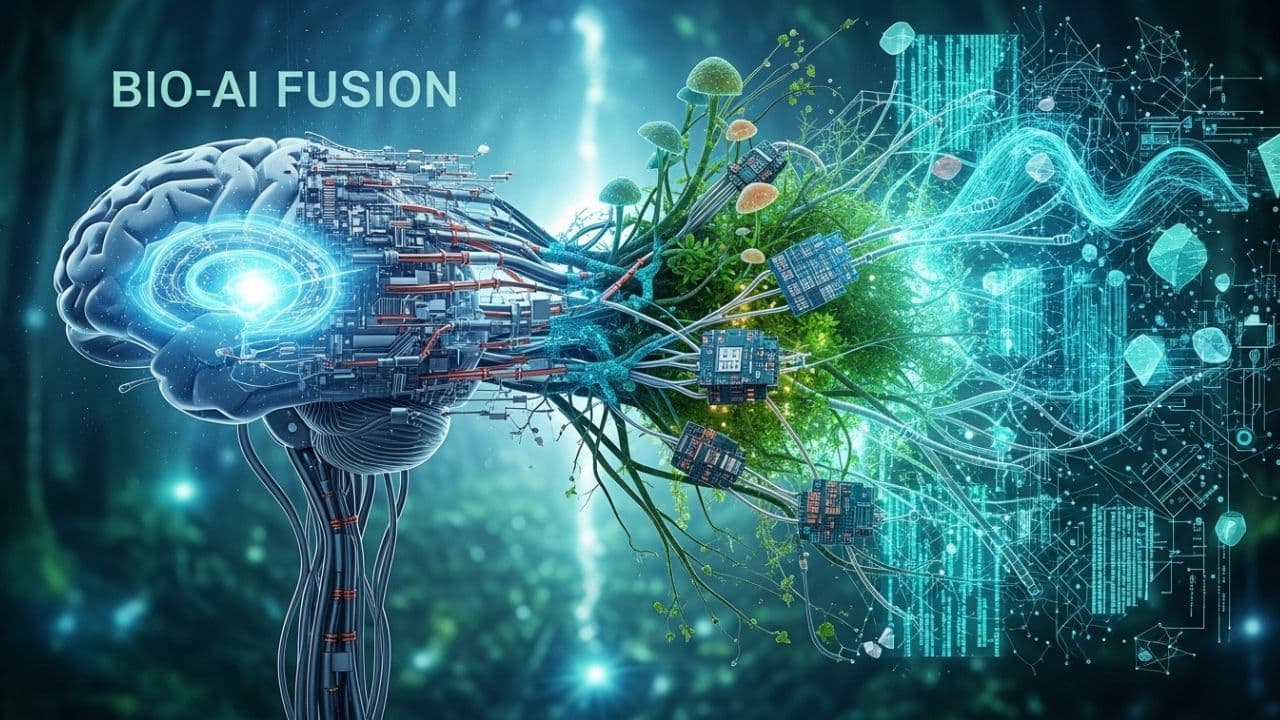
Adaptive Bio-AI Interfaces
The next generation of computing may move beyond screens, keyboards, and touch interfaces toward systems that directly interpret and respond to human biological signals. For decades, human-computer interaction relied on explicit actions such as typing, clicking, speaking, or touching displays. However, advances in neuroscience, biosensors, artificial intelligence, wearable computing, and adaptive machine learning are enabling an entirely different model of interaction.
In 2026 and beyond, an emerging concept called Adaptive Bio-AI Interfaces is attracting attention. These systems combine biological data streams with intelligent algorithms that continuously adapt digital experiences based on a person's physiological and cognitive state.
Instead of humans learning how to use machines, machines increasingly learn how to understand humans.
This evolution could fundamentally transform healthcare, communication, education, productivity, gaming, and human-machine interaction itself.
What Are Adaptive Bio-AI Interfaces?
Adaptive Bio-AI Interfaces are systems that use biological signals together with artificial intelligence to personalize interactions dynamically.
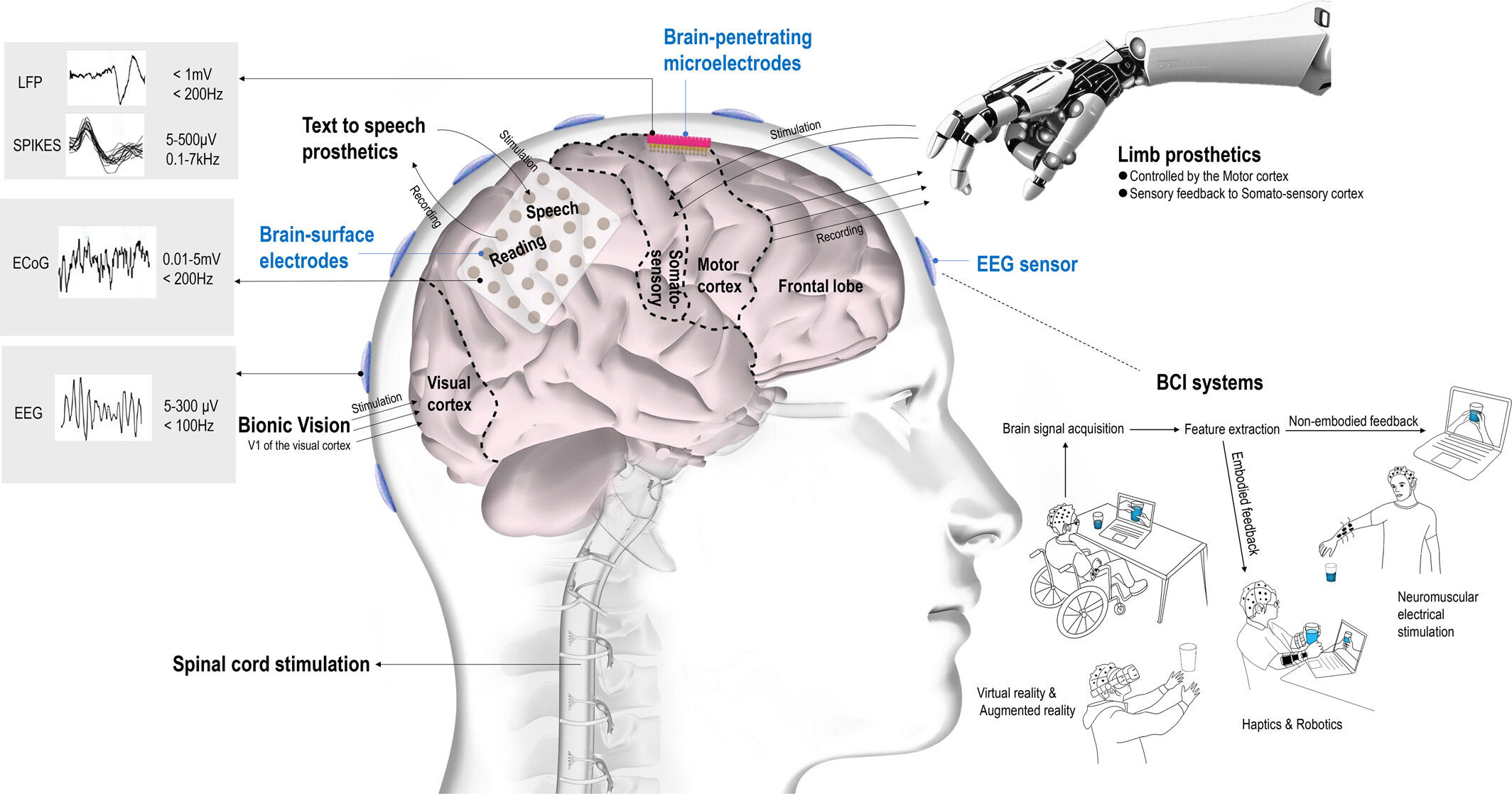
Possible biological inputs include:
- Brain activity signals
- Heart rate patterns
- Eye movement tracking
- Facial expressions
- Skin conductivity
- Muscle activity
- Respiration patterns
AI systems continuously interpret these signals and modify behavior in real time.
Why Human Interfaces Are Changing
Traditional interaction systems have limitations.
- Manual input requirements
- Fixed interface designs
- Limited contextual awareness
- Cognitive friction
- Slow adaptation to user state
Future systems increasingly seek more natural interaction models.
How Adaptive Bio-AI Interfaces Work
These systems continuously create feedback loops between humans and intelligent systems.
Typical process:
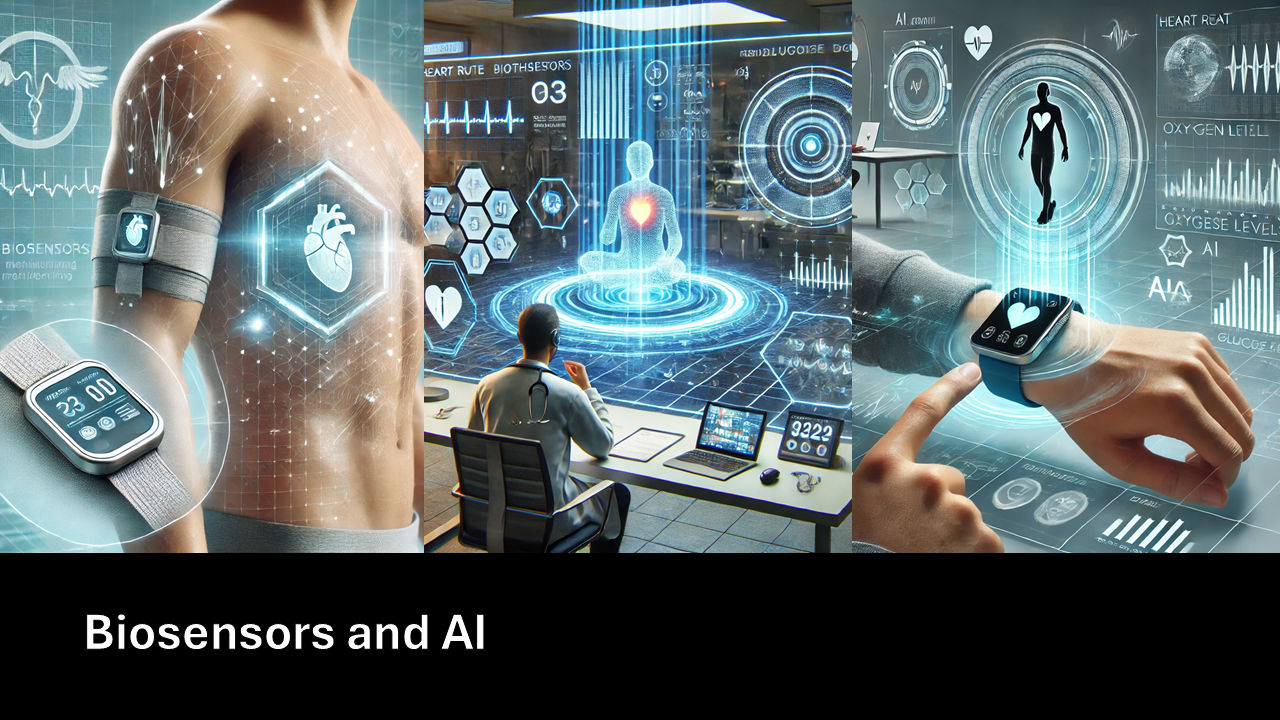
- Biosensors collect physiological signals
- AI models interpret patterns
- Context and behavioral analysis occur
- Interfaces adapt automatically
- Continuous learning improves responses
The system evolves alongside the individual user.
Core Technologies Behind Bio-AI Systems
- Artificial intelligence
- Brain-computer interfaces
- Wearable sensors
- Machine learning systems
- Neural signal processing
- Edge computing platforms
- Biometric analysis systems
Multiple technologies converge into a unified interaction ecosystem.
Potential Applications
Adaptive interfaces may emerge across many sectors.
- Healthcare monitoring systems
- Personalized education environments
- Adaptive gaming experiences
- Mental wellness support systems
- Human-robot collaboration
- Accessibility technologies
- Workplace productivity systems
Applications may extend into nearly every digital environment.
Healthcare Transformation
Healthcare could become one of the earliest beneficiaries.
- Continuous patient monitoring
- Neurological condition detection
- Stress and fatigue identification
- Personalized treatment systems
- Rehabilitation support
Care increasingly shifts toward predictive and personalized models.
Adaptive Bio-AI Interfaces transform computers from tools that respond to commands into systems that respond to human states.
Human Interaction vs Bio-AI Interaction
| Traditional Interface | Adaptive Bio-AI Interface |
|---|---|
| Manual input | Biological signal interpretation |
| Static experiences | Continuous adaptation |
| User learns interface | Interface learns user |
Challenges and Risks
Bio-AI systems introduce significant concerns.
- Biological privacy risks
- Data ownership questions
- Security vulnerabilities
- Algorithmic bias
- Behavior manipulation concerns
- Mental autonomy issues
Biological data may become one of the most sensitive categories of information.
Ethical and Governance Questions
Adaptive systems raise important ethical challenges.
- Who owns biological data?
- How should consent operate?
- Can emotions be manipulated?
- How much cognitive autonomy should remain?
Governance frameworks increasingly become necessary.
Future Outlook
Future systems may evolve toward increasingly seamless interaction models.
- Neural operating systems
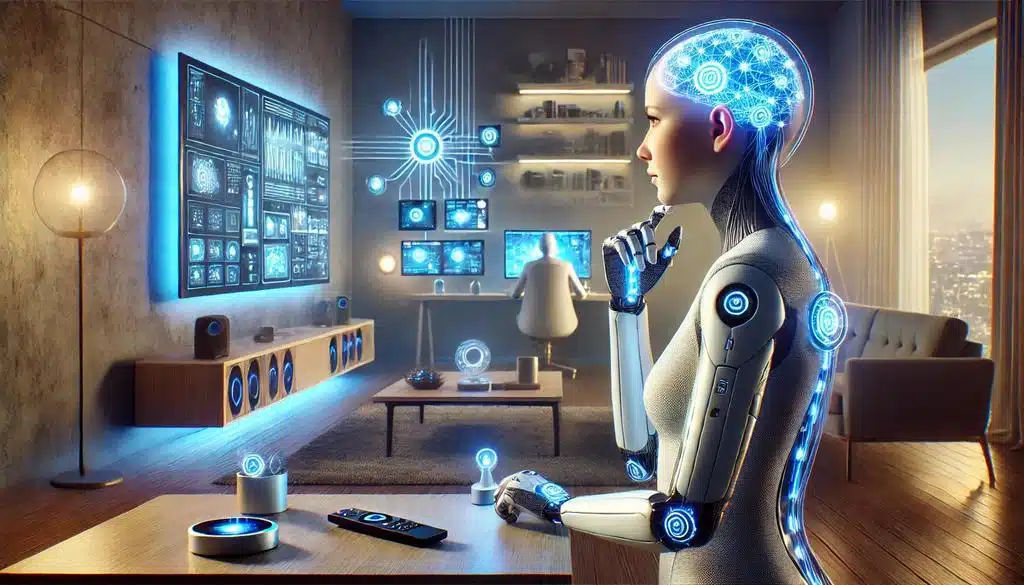
- Emotion-aware AI assistants
- Adaptive digital environments
- Human-AI cognitive collaboration
The distinction between humans and interfaces may increasingly blur.
Frequently Asked Questions
What are Adaptive Bio-AI Interfaces?
Systems that combine biological signals with AI to create personalized and adaptive interactions.
What biological signals are used?
Signals may include brain activity, heart rate, eye movement, facial expressions, and other physiological indicators.
Why is this important?
Because future systems may become more intuitive, personalized, and responsive to human needs.
Conclusion
Adaptive Bio-AI Interfaces represent a major evolution in human-computer interaction where machines increasingly adapt themselves to biological and cognitive states. While these technologies promise more personalized experiences and significant advances across healthcare and digital systems, they also raise profound questions regarding privacy, autonomy, ethics, and human identity itself.