The "Agentic Era" of Transactional Authority
The digital economy is entering a new phase where artificial intelligence systems are no longer limited to providing recommendations or answering questions. Instead, AI agents are beginning to take action on behalf of users—making purchases, negotiating contracts, managing subscriptions, scheduling logistics, and even handling financial operations autonomously. This transformation is giving rise to what many experts call the “Agentic Era” of transactional authority.
In 2026, AI agents are rapidly evolving from passive assistants into active economic participants. These systems are capable of interpreting goals, executing workflows, interacting with APIs, and completing transactions with minimal human intervention. As a result, businesses, governments, and consumers are being forced to rethink trust, accountability, governance, and digital authority.
This shift represents one of the most profound transformations in the history of digital interaction.
What Is the Agentic Era?
The Agentic Era refers to a technological period where autonomous AI agents perform complex tasks and transactions independently.
- AI systems execute decisions autonomously
- Agents manage workflows and operations
- Human intent is translated into machine actions
- Digital systems gain operational authority
It marks the evolution from assistance to autonomous execution.

What Is Transactional Authority?
Transactional authority refers to the ability of AI systems to initiate, approve, and complete actions involving value exchange or operational decisions.
- Financial transactions
- Contract negotiations
- Resource allocation
- Workflow execution
It gives AI systems real operational influence.
Why This Shift Matters
- Automation is expanding beyond repetitive tasks
- AI systems can operate continuously
- Organizations seek faster decision-making
- Digital ecosystems are becoming increasingly complex
Agentic systems address scalability and efficiency challenges.
How Agentic AI Systems Work
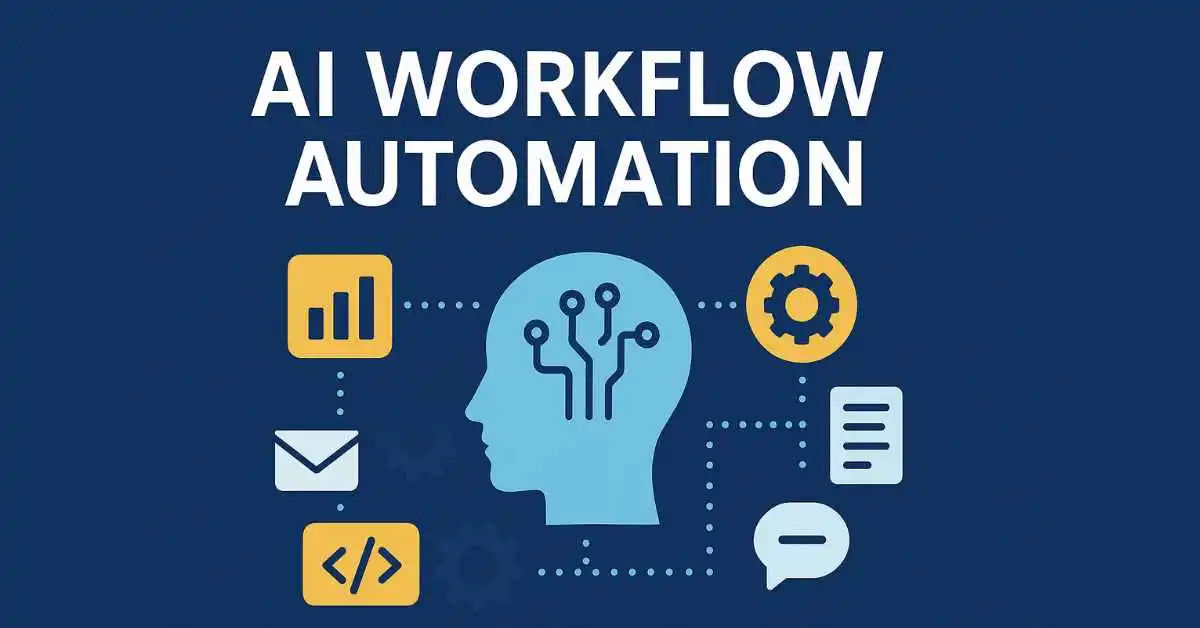
Modern agentic systems combine multiple AI capabilities into autonomous operational frameworks.
- Natural language understanding
- Goal-oriented planning
- Tool and API integration
- Autonomous execution and monitoring
This enables intelligent action-taking behavior.
Core Technologies Behind the Agentic Era
- Large Language Models (LLMs)
- Autonomous AI agents
- Multi-agent coordination systems
- Identity and authorization frameworks
- Real-time decision engines
These technologies form the foundation of autonomous operations.
Applications of Transactional AI Agents
Agentic systems are already transforming industries.
- AI-powered financial management
- Automated e-commerce purchasing
- Enterprise workflow orchestration
- Supply chain optimization
- Autonomous customer support systems
Their influence is rapidly expanding.
Benefits of Agentic Transactional Systems
- Faster operational execution
- 24/7 autonomous productivity
- Reduced human workload
- Improved scalability and efficiency
These benefits are accelerating enterprise adoption.
Risks and Governance Challenges
Granting authority to AI systems introduces significant concerns.
- Accountability for AI actions
- Security vulnerabilities
- Unauthorized transactions
- Algorithmic bias and decision errors
- Legal and regulatory uncertainty
Governance frameworks are becoming essential.
The Agentic Era is redefining digital authority—shifting AI from passive intelligence systems into autonomous actors capable of executing real-world economic decisions.
Human Oversight vs Autonomous Authority
- Traditional automation → Human-controlled workflows
- Agentic systems → Goal-driven autonomous execution
- Traditional AI → Recommendation-focused
- Agentic AI → Action-oriented decision systems
This represents a fundamental evolution in automation.
The Role of Trust and Verification
Trust infrastructure is critical in the agentic economy.
- Identity verification systems
- Permissioned authority layers
- Digital provenance tracking
- Auditability and explainability
Trust frameworks enable responsible AI autonomy.
Agentic Commerce and Digital Markets
AI agents are beginning to participate directly in digital marketplaces.
- Autonomous purchasing agents
- AI-driven negotiation systems
- Dynamic resource optimization
- Machine-to-machine commerce
This could reshape the global economy.
Cybersecurity Implications
The rise of autonomous transactional systems increases cybersecurity complexity.
- Protection against malicious AI agents
- Identity spoofing prevention
- Secure authorization mechanisms
- Behavioral anomaly detection
Security systems must evolve alongside agentic AI.
The Future of Agentic Authority
The future of the Agentic Era is highly transformative.
- AI-native enterprises
- Autonomous digital economies
- Self-managing operational systems
- Human-AI collaborative governance
These systems could redefine digital civilization.
Ethical and Societal Considerations
The expansion of AI authority raises deep societal questions.
- Who is responsible for AI decisions?
- How much autonomy should machines have?
- Can AI systems be trusted with financial authority?
- How do we preserve human agency?
These questions will shape future governance models.
Frequently Asked Questions
What is the Agentic Era?
A technological era where AI agents autonomously perform tasks and transactions.
What is transactional authority?
The ability of AI systems to execute operational or financial actions independently.
Why is this important?
It transforms AI from informational systems into autonomous operational actors.
Conclusion
The Agentic Era of transactional authority represents a profound transformation in the relationship between humans, AI systems, and digital infrastructure. As autonomous agents gain the ability to make decisions and execute transactions independently, they are reshaping business operations, commerce, and digital governance. While the opportunities are immense, ensuring transparency, accountability, security, and ethical oversight will be critical to building trustworthy and sustainable agentic ecosystems for the future.