The "Agentic" Operations Leader
The modern enterprise is entering a transformative era where artificial intelligence is evolving from a support tool into an operational decision-making partner. Organizations are no longer using AI solely for analytics, automation, or workflow optimization. Instead, businesses are increasingly deploying autonomous AI agents capable of planning, coordinating, adapting, and executing operational strategies in real time.
In 2026, this transformation is giving rise to a new organizational paradigm: the “Agentic” Operations Leader. This concept represents a hybrid operational model where human leadership works alongside AI-driven autonomous systems capable of managing logistics, workflows, forecasting, staffing, procurement, and enterprise coordination.
The rise of agentic operational systems is redefining leadership, organizational intelligence, and enterprise execution.
What Is an Agentic Operations Leader?
An Agentic Operations Leader is a human or AI-augmented operational framework that leverages autonomous AI systems to manage and optimize organizational processes.
- AI-assisted operational leadership
- Autonomous workflow coordination
- Real-time enterprise optimization
- Adaptive strategic execution
This model blends human oversight with intelligent autonomous systems.
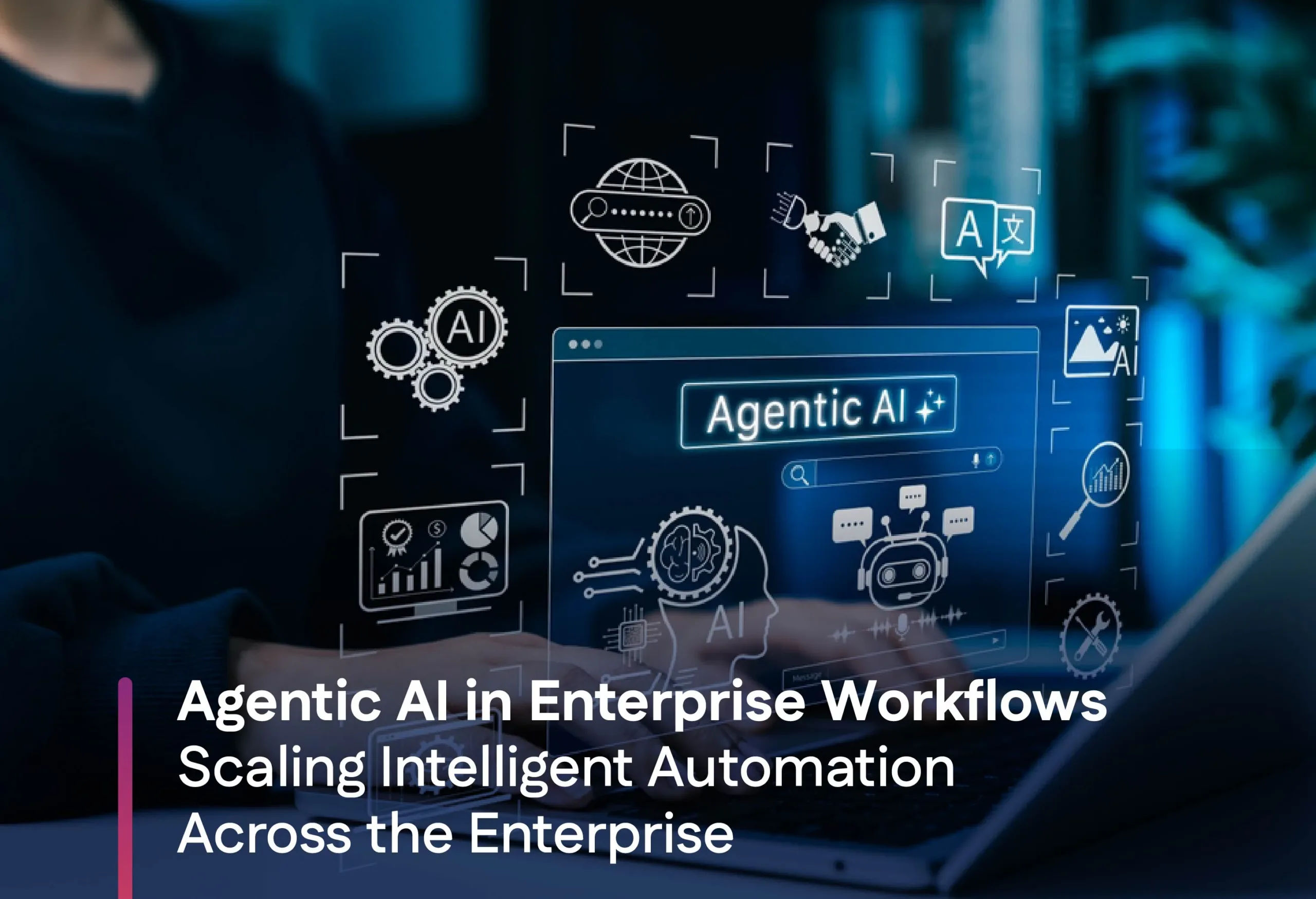
What Does “Agentic” Mean?
The term “agentic” refers to systems capable of autonomous action, goal-oriented behavior, and adaptive decision-making.
- Self-directed execution
- Context-aware decision systems
- Goal-driven operations
- Continuous environmental adaptation
Agentic AI systems act proactively rather than reactively.
Why Operations Are Becoming Agentic
Modern enterprises face increasing operational complexity.
- Global supply chain volatility
- Rapid market changes
- Massive enterprise data flows
- Need for real-time responsiveness
- Pressure for operational efficiency
Traditional management systems struggle to keep pace with modern demands.
How Agentic Operational Systems Work
Agentic systems integrate AI, automation, and real-time data orchestration into enterprise operations.
- Continuous operational monitoring
- Autonomous workflow execution
- Predictive operational analytics
- Cross-functional system coordination
This creates adaptive enterprise intelligence systems.
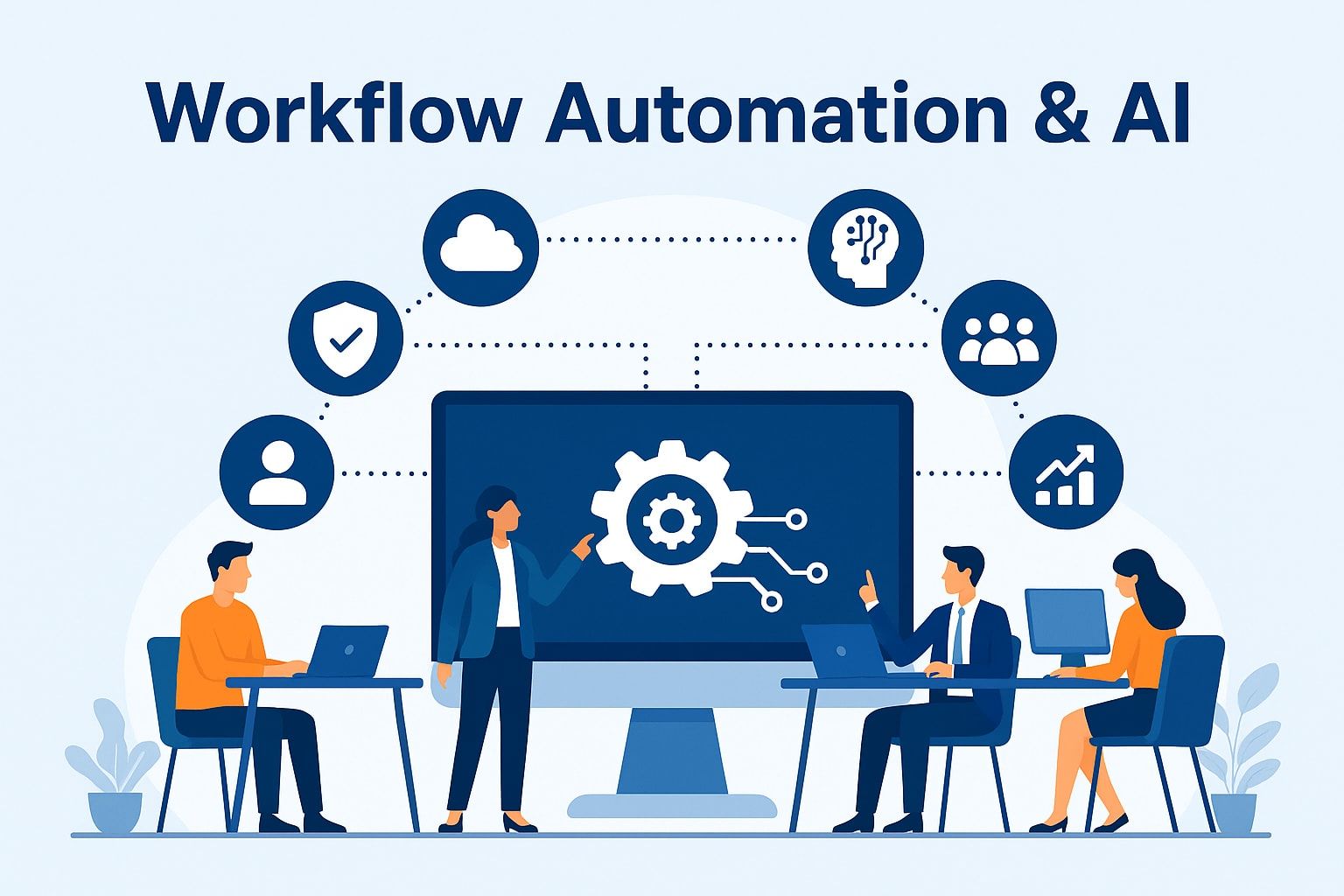
Core Technologies Behind Agentic Leadership
- Large Language Models (LLMs)
- Autonomous AI agents
- Machine learning systems
- Enterprise automation platforms
- Predictive analytics engines
These technologies enable intelligent operational orchestration.
Applications Across Business Functions
Agentic systems are transforming multiple operational domains.
- Supply chain management
- Workforce planning
- Financial operations
- Customer service orchestration
- Manufacturing optimization
Their influence is expanding across enterprises globally.
The Role of Human Leadership
Human leaders remain central within agentic organizations.
- Strategic oversight
- Ethical decision-making
- Cultural leadership
- Exception management
AI enhances leadership rather than fully replacing it.
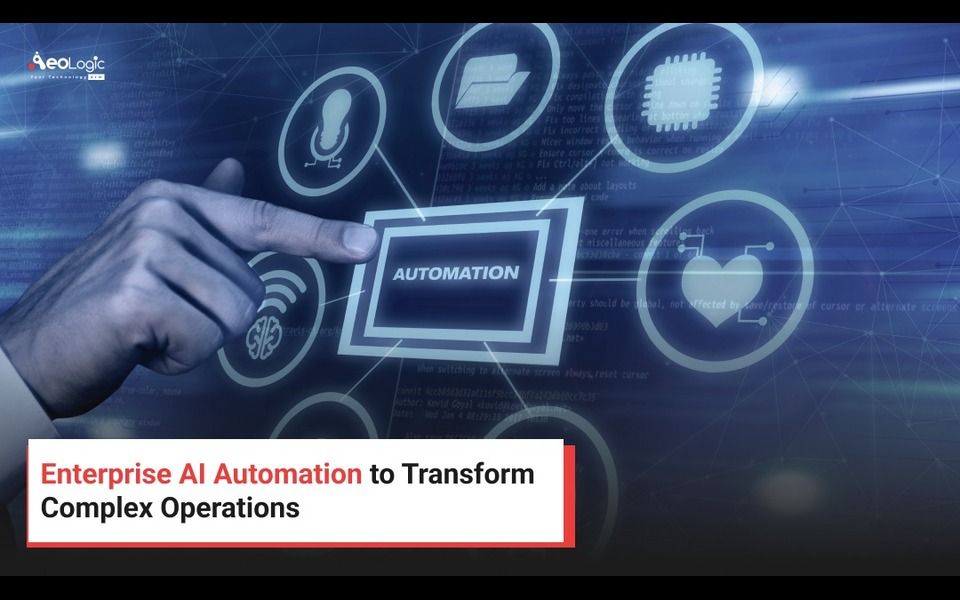
Benefits of Agentic Operations
- Real-time operational optimization
- Faster enterprise decision-making
- Reduced operational inefficiencies
- Enhanced adaptability and resilience
- Continuous productivity improvement
These advantages are driving enterprise transformation.
The Agentic Operations Leader represents a shift from static management structures to continuously adaptive enterprise intelligence systems.
Traditional Operations vs Agentic Operations
- Traditional → Human-driven coordination
- Agentic → AI-assisted autonomous orchestration
- Traditional → Reactive operational management
- Agentic → Predictive adaptive systems
This transformation fundamentally changes enterprise operations.
AI Copilots and Enterprise Decision-Making
AI copilots are becoming central to operational leadership.
- Decision-support recommendations
- Real-time operational insights
- Predictive risk management
- Automated execution assistance
These systems improve enterprise responsiveness.
The Rise of Multi-Agent Enterprise Systems
Organizations are increasingly deploying coordinated AI agent ecosystems.
- Finance agents
- Supply chain agents
- HR operational agents
- Customer operations agents
These agents collaborate to optimize enterprise-wide performance.
Challenges and Risks
Agentic operational systems introduce significant challenges.
- AI governance complexity
- Cybersecurity vulnerabilities
- Overdependence on automation
- Operational transparency concerns
- Workforce adaptation challenges
Organizations must balance automation with accountability.
Ethics and Governance
Responsible AI leadership frameworks are becoming increasingly important.
- Human oversight mechanisms
- Transparent AI operations
- Bias mitigation strategies
- Operational accountability standards
Ethical governance ensures trustworthy enterprise AI systems.
Impact on Workforce and Management
The role of managers and operational teams is evolving rapidly.
- Shift toward strategic oversight
- Greater focus on creativity and leadership
- Human-AI collaboration models
- Continuous skills transformation
Future leadership may become increasingly AI-augmented.
Future of Agentic Enterprises
The future enterprise may operate as a continuously adaptive AI ecosystem.
- Self-optimizing organizations
- AI-native operational infrastructures
- Autonomous strategic execution systems
- Integrated real-time enterprise intelligence
Agentic operations could redefine the structure of modern organizations.
Economic and Strategic Implications
Agentic leadership systems may reshape global competitiveness.
- Higher operational agility
- Reduced organizational inefficiency
- Faster adaptation to market disruptions
- Expansion of AI-driven business ecosystems
This transformation extends across industries and global economies.
Frequently Asked Questions
What is an Agentic Operations Leader?
An AI-augmented operational framework that autonomously optimizes and coordinates enterprise activities.
What does “agentic” mean?
It refers to systems capable of autonomous, goal-driven action and adaptive decision-making.
Why are enterprises adopting agentic operations?
To improve efficiency, adaptability, automation, and real-time operational intelligence.
Conclusion
The Agentic Operations Leader represents a major evolution in enterprise management, combining artificial intelligence, autonomous systems, and human strategic oversight into a new operational paradigm. As businesses increasingly deploy AI-driven operational ecosystems, organizations are becoming more adaptive, intelligent, and responsive to rapidly changing environments. While challenges related to governance, ethics, and workforce transformation remain significant, agentic operational systems may ultimately define the future structure of enterprise leadership and organizational intelligence.