Agentic AI: The Shift from Chatbots to Autonomous Agents
Artificial Intelligence is undergoing a major transformation—from simple conversational chatbots to highly capable autonomous agents. This shift marks the rise of Agentic AI, where systems are no longer limited to answering questions but can plan, reason, and execute complex tasks independently.
In 2026, Agentic AI is redefining how humans interact with technology. Instead of acting as passive tools, AI systems are becoming proactive collaborators capable of making decisions, automating workflows, and achieving goals with minimal human intervention.
This evolution represents a fundamental change in software design, productivity, and the future of work.
What Is Agentic AI?
Agentic AI refers to intelligent systems that can autonomously perform tasks, make decisions, and adapt to changing environments.
- Goal-oriented behavior
- Autonomous decision-making
- Continuous learning
- Action execution
It goes beyond traditional AI systems.
From Chatbots to Autonomous Agents
The evolution from chatbots to agentic AI involves several key changes.
- Chatbots: Respond to user queries
- Agents: Perform tasks independently
- Chatbots: Reactive systems
- Agents: Proactive systems
This shift enables more powerful automation.
Key Capabilities of Agentic AI
- Planning and reasoning
- Task execution
- Multi-step workflows
- Tool integration
These capabilities make AI more autonomous.
How Agentic AI Works
Agentic AI systems follow a structured loop.
- Understand goals
- Plan actions
- Execute tasks
- Evaluate results
- Adapt and improve
This loop enables continuous improvement.
Applications of Agentic AI
Agentic AI is transforming multiple industries.
- Software development automation
- Customer support systems
- Business process automation
- Healthcare decision systems
- Financial analysis and trading
Its impact is widespread.
Benefits of Agentic AI
- Increased productivity
- Reduced manual effort
- Faster decision-making
- Scalable automation
These benefits drive adoption.
Challenges and Risks
- Ethical concerns
- Security risks
- Loss of control
- Complex implementation
Responsible AI development is essential.
Agentic AI marks the transition from tools that assist humans to systems that act on behalf of humans.
Agentic AI vs Traditional AI
- Traditional AI → Task-specific
- Agentic AI → Goal-driven
- Traditional AI → Reactive
- Agentic AI → Proactive
This shift is transformative.
Future of Agentic AI
The future of agentic AI is highly promising.
- Fully autonomous systems
- AI-driven organizations
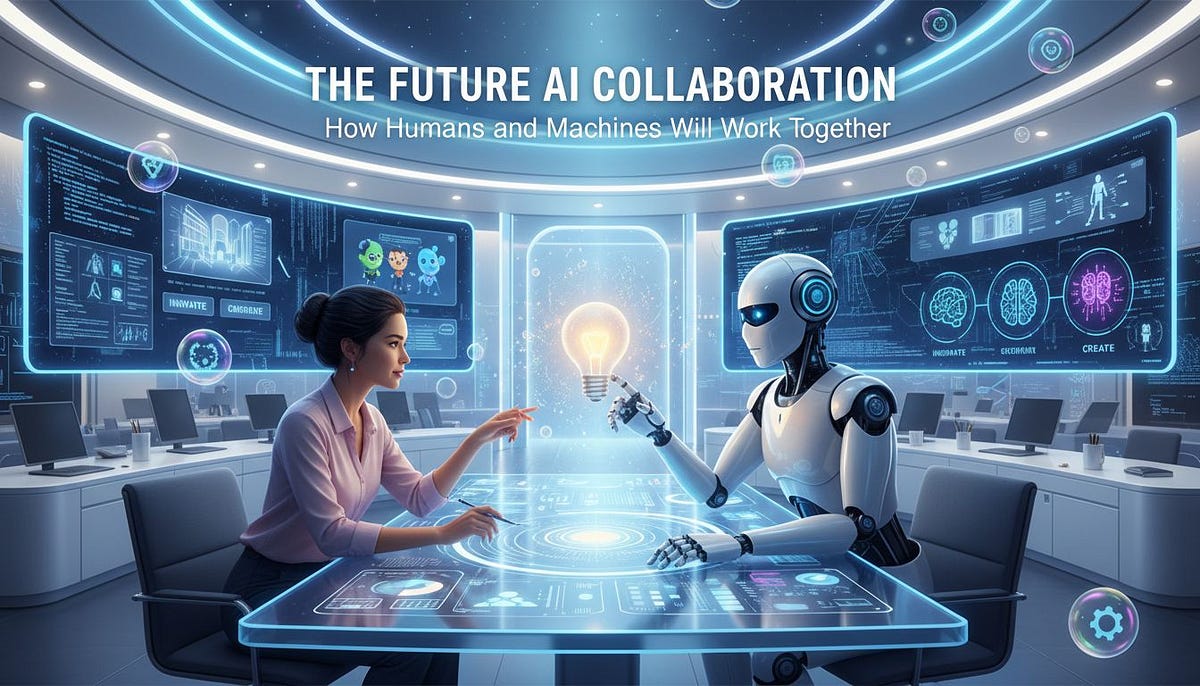
- Advanced human-AI collaboration
- Integration with robotics and IoT
It will redefine industries.
Role in Digital Transformation
Agentic AI is a key driver of digital transformation.
- Automates workflows
- Enhances decision-making
- Improves efficiency
It is shaping the future of work.
Frequently Asked Questions
What is Agentic AI?
It is AI that can act autonomously to achieve goals.
How is it different from chatbots?
It performs tasks instead of just answering questions.
Is it the future of AI?
Yes, it represents the next stage of AI evolution.
Conclusion
Agentic AI represents a major leap in artificial intelligence, transforming systems from passive tools into autonomous agents capable of independent action. By enabling planning, execution, and continuous learning, agentic AI is reshaping industries and redefining the relationship between humans and technology. As this technology continues to evolve, it will play a central role in the future of intelligent automation and digital transformation.