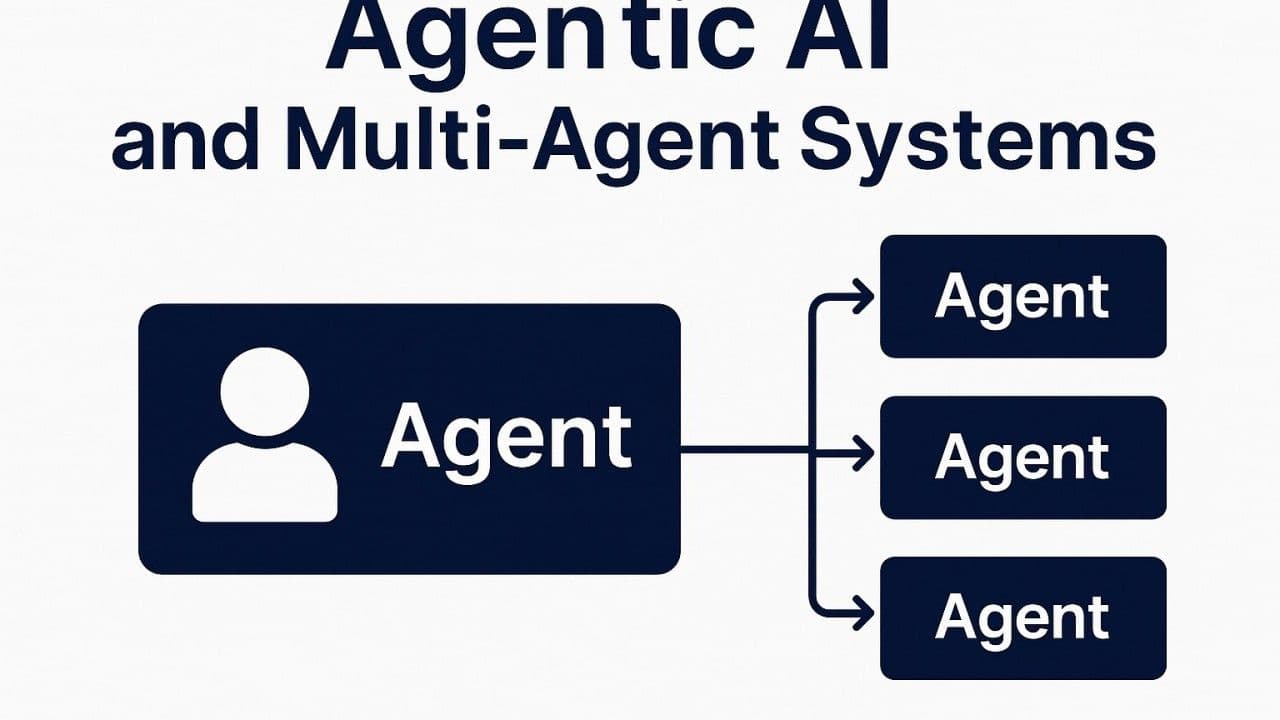
Agentic & Multiagent AI Systems
The evolution of artificial intelligence is rapidly progressing from passive tools toward autonomous systems capable of planning, coordinating, reasoning, and independently executing complex objectives. Traditional AI systems typically respond to individual prompts or narrowly defined tasks. However, the next generation of AI is increasingly becoming agentic—capable of acting autonomously across dynamic environments.
Simultaneously, researchers and technology companies are developing Multiagent AI Systems, where multiple AI agents collaborate, negotiate, specialize, and coordinate together to accomplish larger goals.
This shift represents a major transition from isolated AI models toward distributed ecosystems of intelligent software entities capable of interacting with humans, digital systems, robots, enterprises, and even other AI agents.
Agentic & Multiagent AI Systems may become foundational infrastructure for the future digital economy, autonomous enterprises, robotics ecosystems, financial systems, cybersecurity operations, and scientific discovery platforms.
What Is Agentic AI?
Agentic AI refers to artificial intelligence systems capable of autonomously pursuing goals, making decisions, planning actions, and adapting strategies with limited human intervention.
Unlike traditional AI systems that simply generate outputs, agentic systems can:
- Reason across multiple steps
- Maintain objectives over time
- Use external tools
- Interact with digital environments
- Monitor outcomes
- Adapt strategies dynamically
Agentic AI introduces operational autonomy into artificial intelligence.
What Are Multiagent AI Systems?
Multiagent AI Systems consist of multiple intelligent agents that collaborate or compete within shared environments.
Each agent may possess specialized capabilities such as:
- Planning
- Reasoning
- Data analysis
- Negotiation
- Monitoring
- Execution
- Coordination
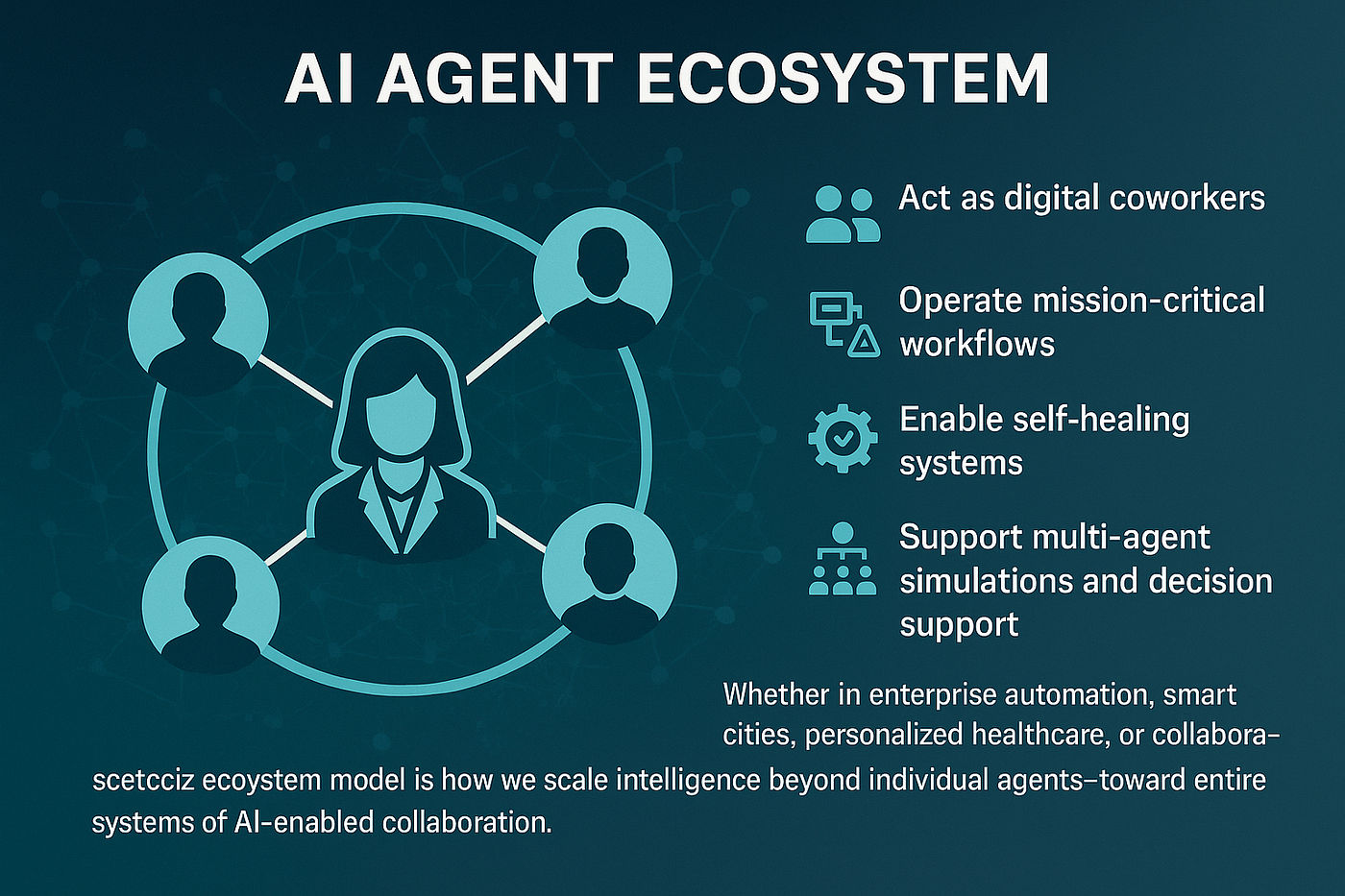
Together, these agents form distributed AI ecosystems capable of solving highly complex tasks.
Why Agentic Systems Are Emerging
Modern digital systems are becoming increasingly complex and dynamic.
- Large-scale enterprise workflows
- Cloud-native infrastructure
- Cybersecurity operations
- Scientific research automation
- Autonomous robotics
- Financial market systems
Traditional single-step AI interactions are often insufficient for managing continuously evolving environments.
How Agentic AI Systems Work
Agentic systems operate through iterative reasoning and action loops.
Typical workflow:
- A goal or task is assigned.
- The AI decomposes objectives into subtasks.
- Plans and strategies are generated.
- Tools and APIs are utilized.
- Outcomes are monitored continuously.
- The system adapts based on feedback.
This creates persistent autonomous operational behavior.
How Multiagent Coordination Works
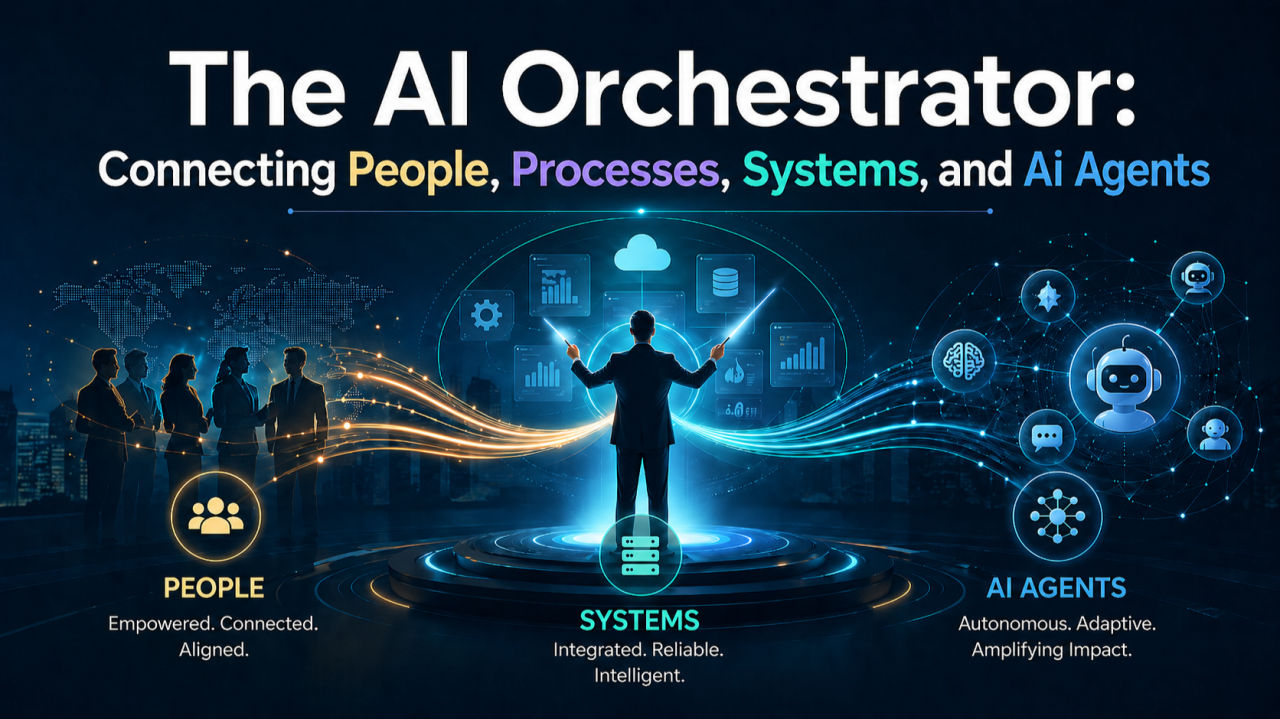
In multiagent systems, different AI agents collaborate to solve larger objectives.
Common coordination models include:
- Hierarchical orchestration
- Swarm intelligence
- Specialized task delegation
- Consensus-based decision-making
- Distributed reasoning
- Autonomous negotiation
Each agent contributes specialized intelligence within the broader system.
Core Technologies Behind Agentic AI
- Large Language Models (LLMs)
- Reinforcement Learning
- Memory Architectures
- Planning Algorithms
- Tool-Use Frameworks
- Autonomous Reasoning Engines
- Multiagent Orchestration Platforms
These technologies enable AI systems to transition from passive response engines into active operational agents.
Agentic AI transforms artificial intelligence from systems that answer questions into systems that pursue objectives.
Applications Across Industries
- Autonomous enterprise operations
- AI software engineering
- Cybersecurity defense systems
- Financial trading infrastructure
- Scientific research automation
- Supply-chain optimization
- Healthcare coordination systems
- Robotics and autonomous manufacturing
Agentic systems could become deeply integrated into operational infrastructure.
Traditional AI vs Agentic AI
| Traditional AI | Agentic AI |
|---|---|
| Single-response systems | Persistent autonomous systems |
| Reactive behavior | Goal-driven behavior |
| Limited planning | Multi-step strategic planning |
| Isolated execution | Collaborative orchestration |
Benefits of Multiagent Systems
- Scalable intelligence
- Task specialization
- Improved adaptability
- Distributed problem-solving
- Operational resilience
- Continuous optimization
- Reduced human workload
Multiagent coordination enables more flexible and scalable AI ecosystems.
Challenges and Risks
- Autonomous decision risks
- Coordination failures
- AI alignment challenges
- Security vulnerabilities
- Runaway optimization behaviors
- Governance complexity
- Emergent unpredictable behavior
Ensuring safe and controllable autonomy remains a major research challenge.
Role of Memory and Context Persistence
Long-term memory systems are becoming increasingly important for agentic AI.
- Persistent contextual understanding
- Historical reasoning
- Long-term planning
- Adaptive personalization
- Operational continuity
Memory architectures help AI systems maintain coherent long-term behavior.
Future Outlook
The next decade may witness the emergence of autonomous AI ecosystems operating across digital and physical environments.
- AI-native enterprises
- Autonomous digital workforces
- Collaborative AI swarms
- Self-optimizing operational systems
- Human-AI hybrid organizations
Future economic systems may increasingly involve coordination between humans and autonomous AI agents.
Economic and Strategic Implications
Agentic & Multiagent AI Systems could fundamentally reshape productivity, labor, and enterprise operations.
- Automation of knowledge work
- Acceleration of scientific discovery
- Transformation of enterprise operations
- Expansion of AI infrastructure markets
- Creation of autonomous economic systems
The organizations and nations that successfully develop scalable agentic AI ecosystems may gain major strategic advantages in the AI-driven economy.
Frequently Asked Questions
What is Agentic AI?
Agentic AI refers to artificial intelligence systems capable of autonomously planning, reasoning, acting, and adapting to pursue goals over time.
What are Multiagent AI Systems?
They are ecosystems of multiple AI agents that collaborate, coordinate, or negotiate to solve complex tasks and manage distributed operations.
Why are Agentic AI systems important?
Because modern digital and operational environments increasingly require adaptive, autonomous, and continuously operating intelligence systems capable of handling complex workflows.
Conclusion
Agentic & Multiagent AI Systems represent a major evolution in artificial intelligence from passive software tools toward autonomous operational ecosystems. By combining reasoning, memory, planning, collaboration, and adaptive execution, these systems may fundamentally reshape industries, enterprises, digital infrastructure, and human-machine interaction. As AI systems become increasingly autonomous and interconnected, agentic intelligence could become one of the defining technological paradigms of the coming decades.