AI-Native Development Platforms
AI-Native Development Platforms represent the next evolution in software engineering, where artificial intelligence is not just an add-on but a core component of the development lifecycle. These platforms integrate AI capabilities directly into application design, development, deployment, and optimization processes.
Unlike traditional platforms, AI-native systems are built with intelligence at their core. They enable developers to create smarter applications that can learn, adapt, and automate tasks in real time. From code generation to predictive analytics, AI-native platforms are transforming how software is built and maintained.
Understanding AI-native development platforms is essential for developers, businesses, and organizations aiming to stay ahead in the era of intelligent automation.
What Are AI-Native Development Platforms?
AI-native development platforms are environments where artificial intelligence is embedded into the core architecture of software systems.
- AI integrated into development workflows
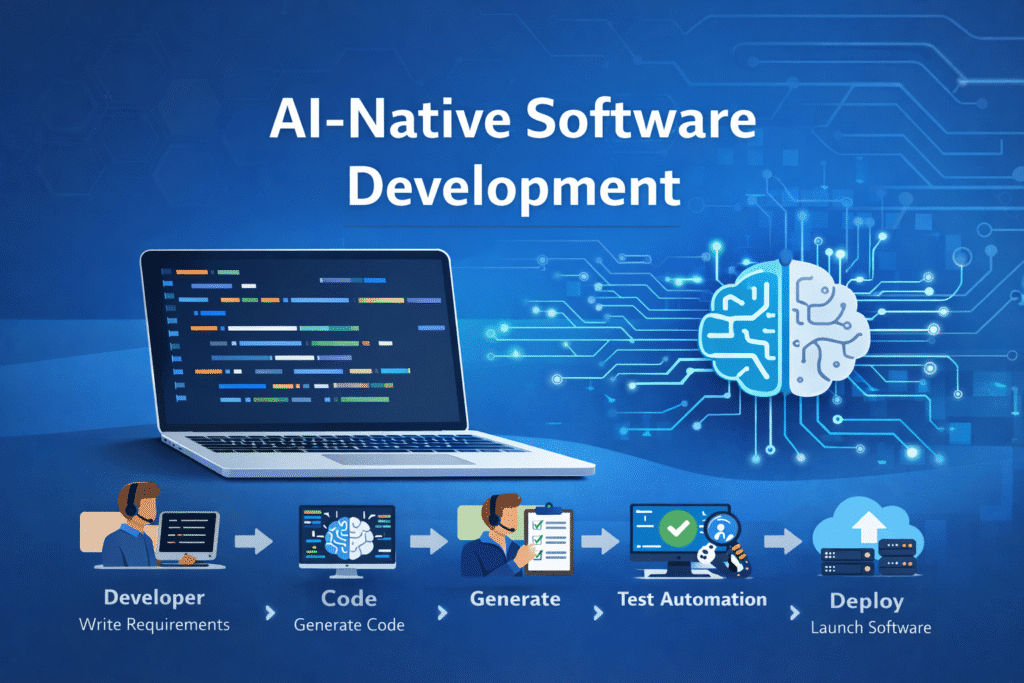
- Automated code generation and testing
- Self-learning applications
- Real-time decision-making systems
They enable intelligent and adaptive software solutions.
Key Features of AI-Native Platforms
- Integrated machine learning models
- Automated testing and debugging
- Intelligent APIs and microservices
- Continuous learning and optimization
These features enhance development efficiency.
How AI-Native Platforms Work
AI-native platforms operate through a combination of AI models and software engineering practices.
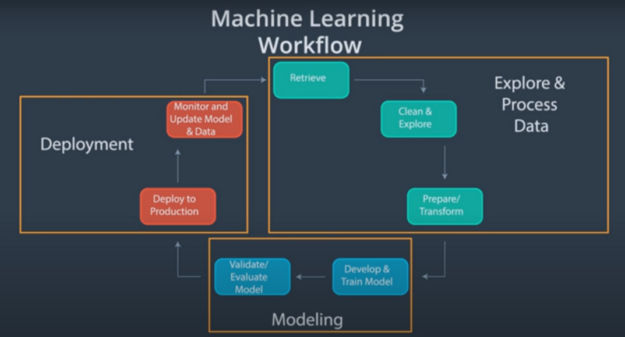
- Data collection and processing
- Model training and deployment
- Integration with applications
- Continuous feedback and improvement
This process enables intelligent automation.
Applications of AI-Native Platforms
AI-native platforms are used across various domains.
- Smart applications and chatbots
- Predictive analytics systems
- Autonomous systems
- Personalized user experiences
- Fraud detection and security
They are transforming industries rapidly.
Benefits of AI-Native Development
- Faster development cycles
- Improved application intelligence
- Enhanced automation
- Better user experiences
These benefits drive adoption worldwide.
AI-Native vs Traditional Development
- Traditional → Manual coding
- AI-Native → AI-assisted development
- Traditional → Static systems
- AI-Native → Adaptive systems
This shift represents a major transformation.
Challenges of AI-Native Platforms
- High implementation cost
- Data dependency
- Complexity in integration
- Ethical and security concerns
Proper planning is required for success.
AI-native development platforms are redefining software engineering by making applications smarter, faster, and more adaptive.
Future of AI-Native Platforms
The future of AI-native platforms is driven by innovation.
- Fully autonomous software systems
- AI-driven DevOps (AIOps)
- Advanced personalization
- Integration with emerging technologies
They will shape the future of development.
Role in Digital Transformation
AI-native platforms are key drivers of digital transformation.
- Enhance efficiency
- Enable innovation
- Improve decision-making
They are essential for modern organizations.
Frequently Asked Questions
What is AI-native development?
It is development with AI integrated into core systems.
Why is it important?
It enables smarter and faster applications.
Where is it used?
AI apps, automation, analytics, and more.
Conclusion
AI-native development platforms are revolutionizing software engineering by embedding intelligence into every stage of development. They enable faster innovation, improved efficiency, and smarter applications. As technology continues to evolve, AI-native platforms will play a crucial role in shaping the future of digital systems and intelligent automation.