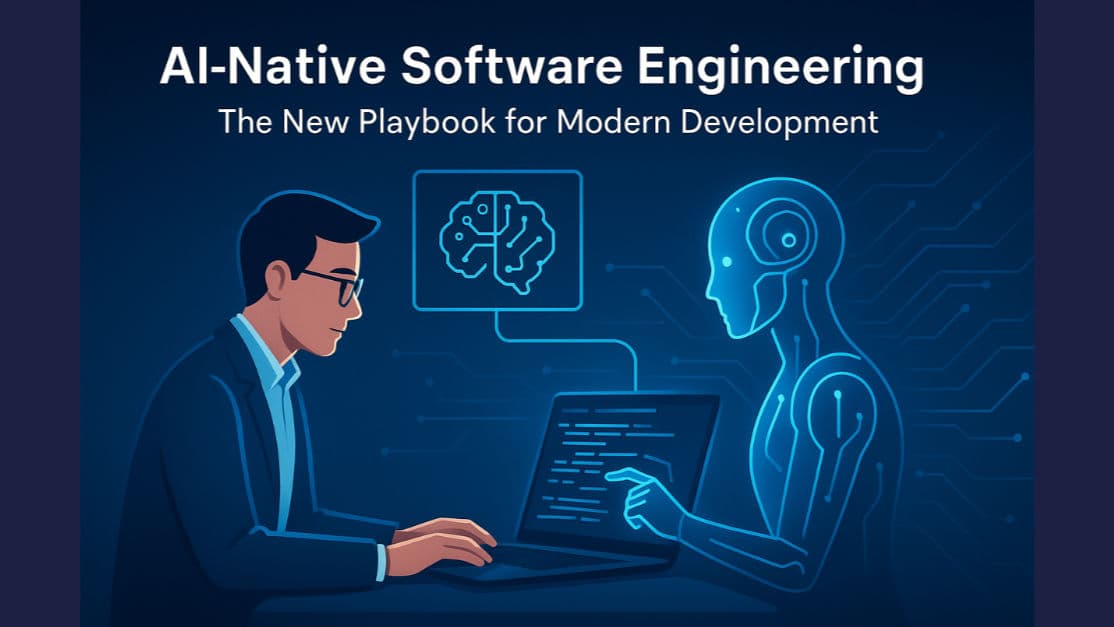
AI-Native Development Platforms
Software development is undergoing one of its biggest transformations since the advent of cloud computing. Traditionally, developers manually wrote code, tested applications, deployed software, monitored systems, and maintained infrastructure using separate tools. Today, the rapid advancement of artificial intelligence is giving rise to AI-Native Development Platforms—integrated environments where AI becomes an active participant throughout the entire software development lifecycle.
Unlike conventional development platforms that simply provide programming tools, AI-native platforms embed intelligent assistants, autonomous coding agents, automated testing, security analysis, documentation generation, infrastructure management, and deployment optimization directly into developer workflows.
These platforms enable developers to focus more on solving business problems while AI handles repetitive engineering tasks, improves software quality, and accelerates delivery.
AI-Native Development Platforms are expected to become the standard foundation for next-generation software engineering, enterprise application development, and digital transformation.
What Are AI-Native Development Platforms?
AI-Native Development Platforms are software engineering environments where artificial intelligence is deeply integrated into every stage of application development.
Instead of functioning as an external assistant, AI becomes an intelligent collaborator capable of:
- Generating source code
- Designing software architecture
- Writing documentation
- Creating automated tests
- Finding bugs
- Optimizing performance
- Managing deployments
The result is a highly automated software engineering workflow.
Why Traditional Development Platforms Have Limitations
Conventional software development often requires developers to manage multiple disconnected tools.
- Manual coding
- Separate testing tools
- Independent security scanners
- Manual documentation
- Complex deployment pipelines
- Repetitive maintenance tasks
These fragmented workflows increase development time and operational complexity.
How AI-Native Development Platforms Work
AI-native platforms integrate intelligent automation throughout the software lifecycle.
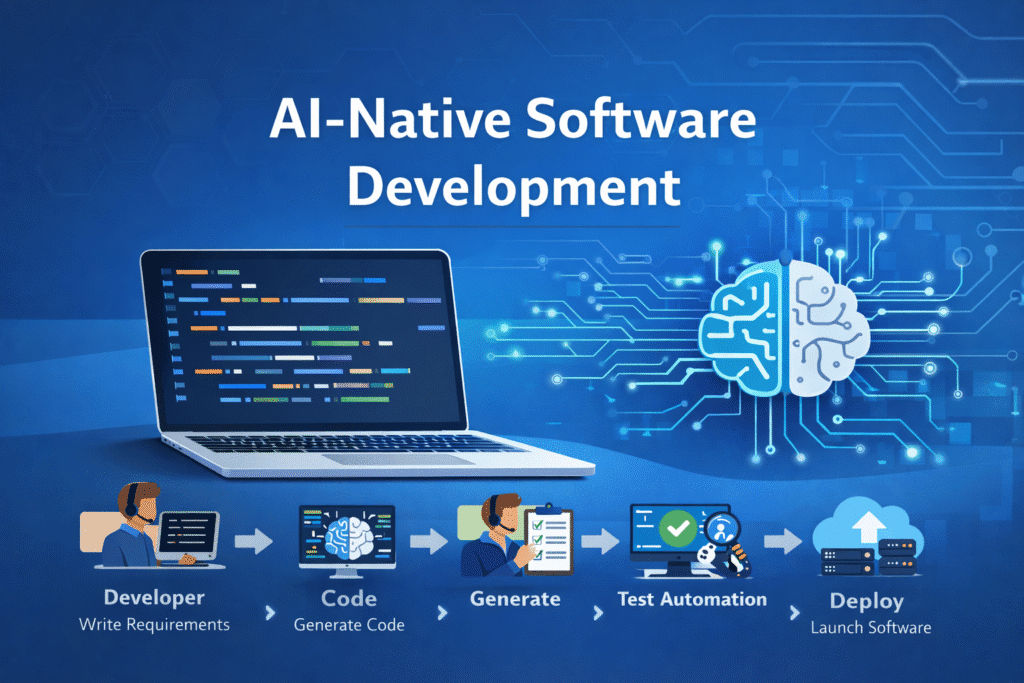
Typical workflow:
- Developers describe application requirements.
- AI generates initial architecture.
- Source code is automatically created.
- Tests are generated and executed.
- Security vulnerabilities are identified.
- Applications are deployed through automated pipelines.
- AI continuously monitors production systems.
Developers remain responsible for oversight while AI accelerates engineering processes.
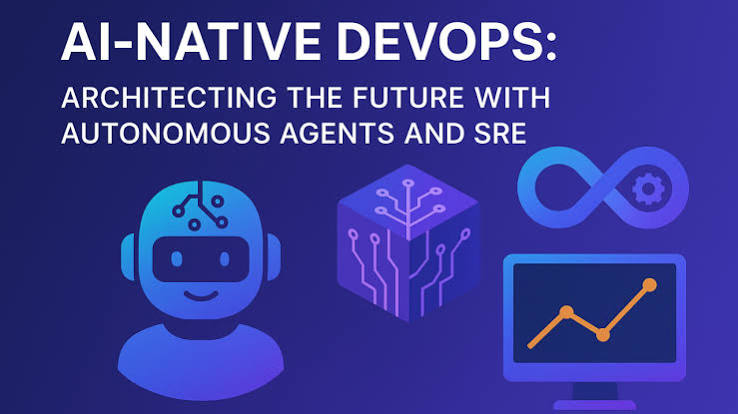
Core Technologies Behind AI-Native Platforms
- Large Language Models (LLMs)
- Agentic AI Systems
- Multiagent Development Workflows
- Retrieval-Augmented Generation (RAG)
- Cloud-Native Infrastructure
- Machine Learning Operations (MLOps)
- DevSecOps Automation
These technologies create intelligent development ecosystems capable of continuous learning and automation.
Key Features
- AI code generation
- Natural language programming
- Intelligent debugging
- Automated testing
- Code optimization
- Architecture recommendations
- Continuous deployment automation
- Real-time documentation
Developers can complete projects significantly faster while maintaining higher software quality.
Role of Multiagent AI
Modern AI-native platforms increasingly rely on multiple specialized AI agents.
- Architecture agents
- Coding agents
- Testing agents
- Security agents
- Documentation agents
- Deployment agents
- Monitoring agents
Each agent performs specialized tasks while coordinating with the others to complete complex development workflows.
AI-Native Development Platforms transform software engineering from manually writing code into intelligently orchestrating autonomous software creation.
Applications Across Industries
- Enterprise software development
- Cloud-native applications
- Financial technology
- Healthcare software
- Government digital services
- E-commerce platforms
- Industrial automation
- Mobile application development
Nearly every industry developing software can benefit from AI-native engineering platforms.
Traditional Development Platforms vs AI-Native Platforms
| Traditional Platforms | AI-Native Platforms |
|---|---|
| Manual coding | AI-assisted code generation |
| Developer-driven testing | Automated intelligent testing |
| Separate DevOps tools | Integrated AI-driven DevOps |
| Reactive maintenance | Predictive optimization |
Benefits
- Faster software delivery
- Improved code quality
- Lower development costs
- Reduced human error
- Enhanced developer productivity
- Continuous optimization
- Accelerated innovation
Organizations can build and deploy applications more efficiently while maintaining strong engineering standards.
Challenges and Risks
- AI-generated code verification
- Security vulnerabilities
- Model hallucinations
- Compliance requirements
- Developer overreliance on AI
- Intellectual property concerns
Human oversight remains essential to ensure reliability, security, and maintainability.
Future Outlook
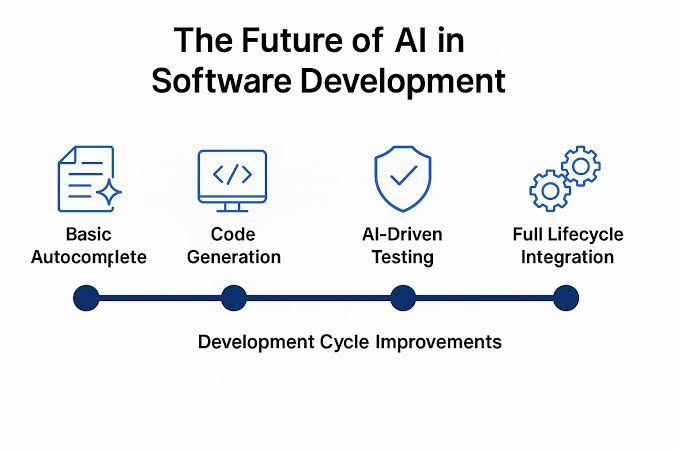
Over the next decade, AI-native development environments are expected to become increasingly autonomous.
- Fully autonomous coding agents
- Self-healing applications
- AI-driven software architecture
- Continuous autonomous deployment
- Collaborative multiagent engineering teams
Developers may transition from writing every line of code to supervising intelligent software engineering systems.
Economic and Strategic Implications
AI-Native Development Platforms have the potential to significantly reshape software engineering, enterprise productivity, and digital innovation.
- Expansion of AI-powered software industries
- Reduced software development costs
- Faster digital transformation
- Growth of autonomous engineering ecosystems
- Acceleration of enterprise AI adoption
The organizations that successfully adopt AI-native software engineering platforms may gain substantial competitive advantages through faster innovation, higher productivity, and more resilient digital infrastructure.
Frequently Asked Questions
What is an AI-Native Development Platform?
An AI-Native Development Platform is a software engineering environment where artificial intelligence is integrated throughout the entire development lifecycle, including coding, testing, deployment, security, and monitoring.
How does it differ from a traditional development platform?
Traditional platforms rely heavily on manual development processes, while AI-native platforms embed intelligent automation and AI agents that assist developers throughout every stage of software creation.
Will AI-Native Development Platforms replace software developers?
They are more likely to augment developers by automating repetitive tasks and accelerating workflows, while human engineers continue to provide creativity, architectural decisions, oversight, and business understanding.
Conclusion
AI-Native Development Platforms represent the next evolution of software engineering by embedding artificial intelligence into every phase of application development. Through autonomous coding, intelligent testing, integrated security, automated deployment, and continuous optimization, these platforms enable organizations to build software faster, more securely, and with greater efficiency. As Agentic AI and Multiagent Systems continue to advance, AI-native development platforms are expected to become the standard operating environment for the future of software engineering and digital innovation.