
Automation
Automation is one of the most powerful technological advancements shaping the modern world. It refers to the use of technology, machines, and software to perform tasks with minimal human intervention. From manufacturing industries to digital platforms, automation is transforming how work is done.
In today’s fast-paced environment, businesses are increasingly adopting automation to improve efficiency, reduce costs, and enhance productivity. Automation is not just limited to physical tasks—it also includes digital processes, decision-making systems, and intelligent workflows powered by artificial intelligence.
Understanding automation is essential for individuals and organizations aiming to stay competitive in the era of digital transformation.
What Is Automation?
Automation is the process of using technology to perform tasks automatically without continuous human involvement.
- Reduces manual effort
- Improves efficiency
- Ensures consistency
- Enhances productivity
It is a key driver of modern innovation.
Types of Automation
Automation can be categorized into different types based on its application.
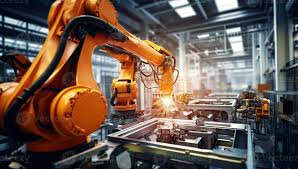
- Industrial Automation: Used in manufacturing
- Business Process Automation: Streamlines workflows
- IT Automation: Manages systems and software
- AI Automation: Intelligent decision-making systems
Each type serves a specific purpose.
How Automation Works
Automation systems operate through a combination of technologies and processes.
- Input data collection
- Processing through software or machines
- Execution of tasks
- Monitoring and feedback
This process ensures efficiency and accuracy.

Applications of Automation
Automation is widely used across industries.
- Manufacturing (robotics)
- Healthcare (diagnostics)
- Finance (automated transactions)
- Customer service (chatbots)
- Logistics (supply chain automation)
Its applications are continuously expanding.
Benefits of Automation
- Increased productivity
- Reduced operational costs
- Improved accuracy
- Time efficiency
These benefits make automation essential.

Challenges of Automation
- High initial investment
- Job displacement concerns
- Technical complexity
- Maintenance requirements
Organizations must address these challenges.
Automation vs Manual Work
- Manual → Human effort
- Automation → Machine-driven
- Manual → Time-consuming
- Automation → Faster and efficient
This comparison highlights its advantages.
Automation is not about replacing humans—it is about enhancing human potential and efficiency.
Future of Automation
The future of automation is driven by advanced technologies.
- AI-powered automation
- Robotic process automation (RPA)
- Smart factories
- Autonomous systems
Automation will continue to evolve.
Role in Digital Transformation
Automation plays a crucial role in digital transformation.
- Enhances efficiency
- Improves customer experience
- Drives innovation
It is essential for modern businesses.
Frequently Asked Questions
What is automation?
It is the use of technology to perform tasks automatically.
Where is automation used?
Industries, businesses, healthcare, and more.
Does automation replace jobs?
It changes job roles but also creates new opportunities.
Conclusion
Automation is transforming the way we work and live by improving efficiency, reducing costs, and enabling innovation. While it presents challenges, its benefits far outweigh the risks. As technology continues to advance, automation will play a vital role in shaping the future of industries and society.