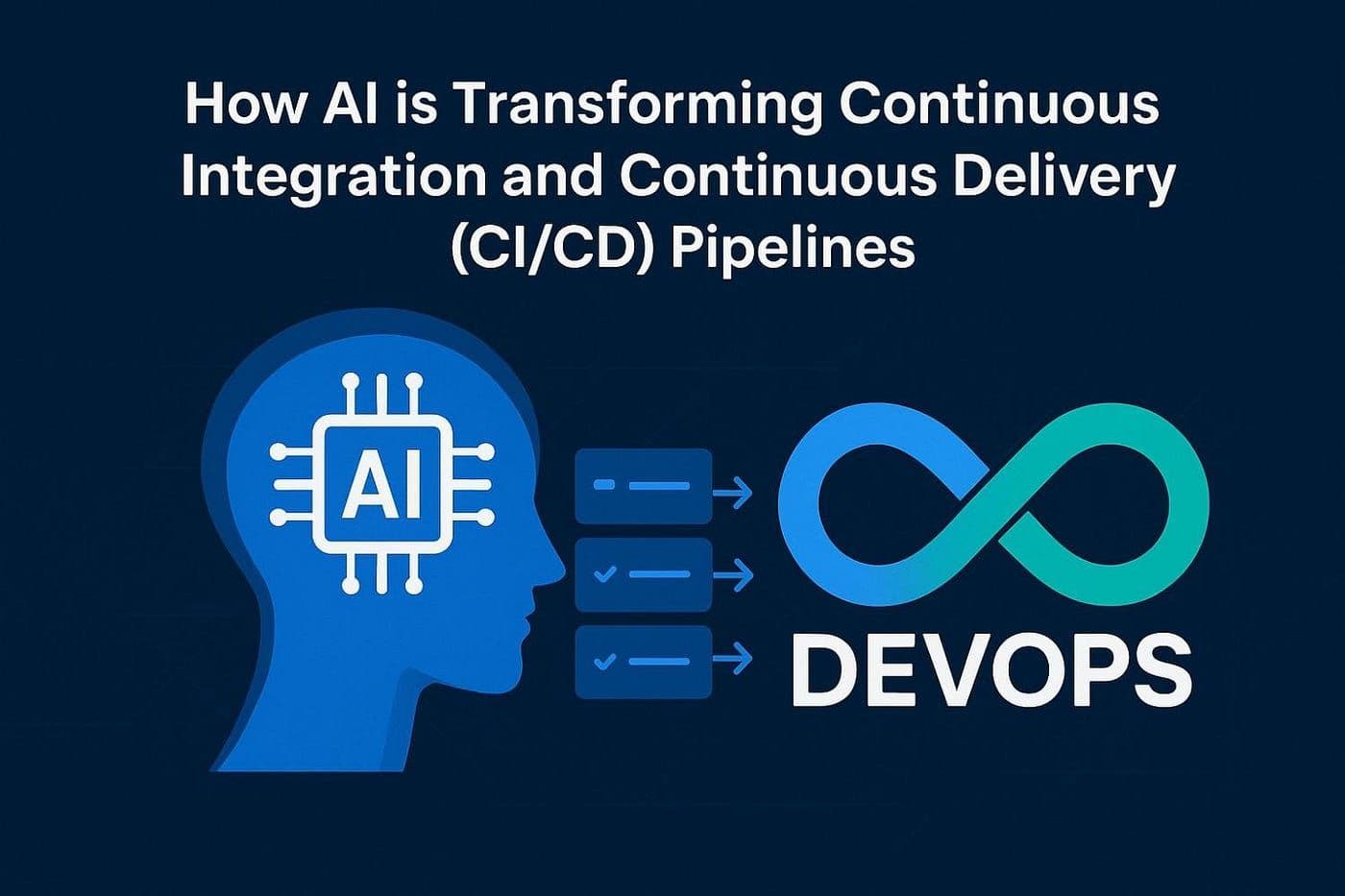
Autonomous CI/CD Pipeline Agents
The software development lifecycle is undergoing a major transformation driven by artificial intelligence, autonomous systems, cloud-native engineering, and platform automation. Traditional Continuous Integration and Continuous Deployment (CI/CD) pipelines already automate large portions of software delivery, but modern development environments are becoming increasingly complex due to microservices, multi-cloud infrastructure, AI applications, edge computing, and hyperscale deployments.
To manage this growing complexity, organizations are beginning to adopt Autonomous CI/CD Pipeline Agents—AI-powered software agents capable of independently managing, optimizing, monitoring, securing, and orchestrating software delivery pipelines.
Rather than acting merely as scripted automation tools, these agents function as intelligent operational systems that can make context-aware decisions across the software delivery lifecycle.
Autonomous CI/CD Pipeline Agents may become foundational infrastructure for the future of AI-native software engineering and DevOps operations.

What Are Autonomous CI/CD Pipeline Agents?
Autonomous CI/CD Pipeline Agents are AI-driven systems designed to manage and optimize software integration, testing, deployment, monitoring, and operational workflows with minimal human intervention.
These agents combine:
- Artificial intelligence
- DevOps automation
- Infrastructure orchestration
- Observability systems
- Security automation
- Predictive analytics
The goal is to create self-managing software delivery ecosystems.
What Is CI/CD?
CI/CD stands for Continuous Integration and Continuous Deployment.
These practices automate software delivery pipelines.
- Continuous Integration (CI)
- Automated code testing
- Continuous Deployment (CD)
- Infrastructure automation
- Version management
- Release orchestration
CI/CD helps organizations release software faster and more reliably.
Why Traditional Pipelines Are Becoming Insufficient
Modern software environments are becoming increasingly distributed and dynamic.
- Microservices architectures
- Multi-cloud deployments
- Containerized workloads
- AI application complexity
- Rapid release cycles
- Security compliance demands
Static automation rules are often unable to adapt quickly enough to changing operational conditions.
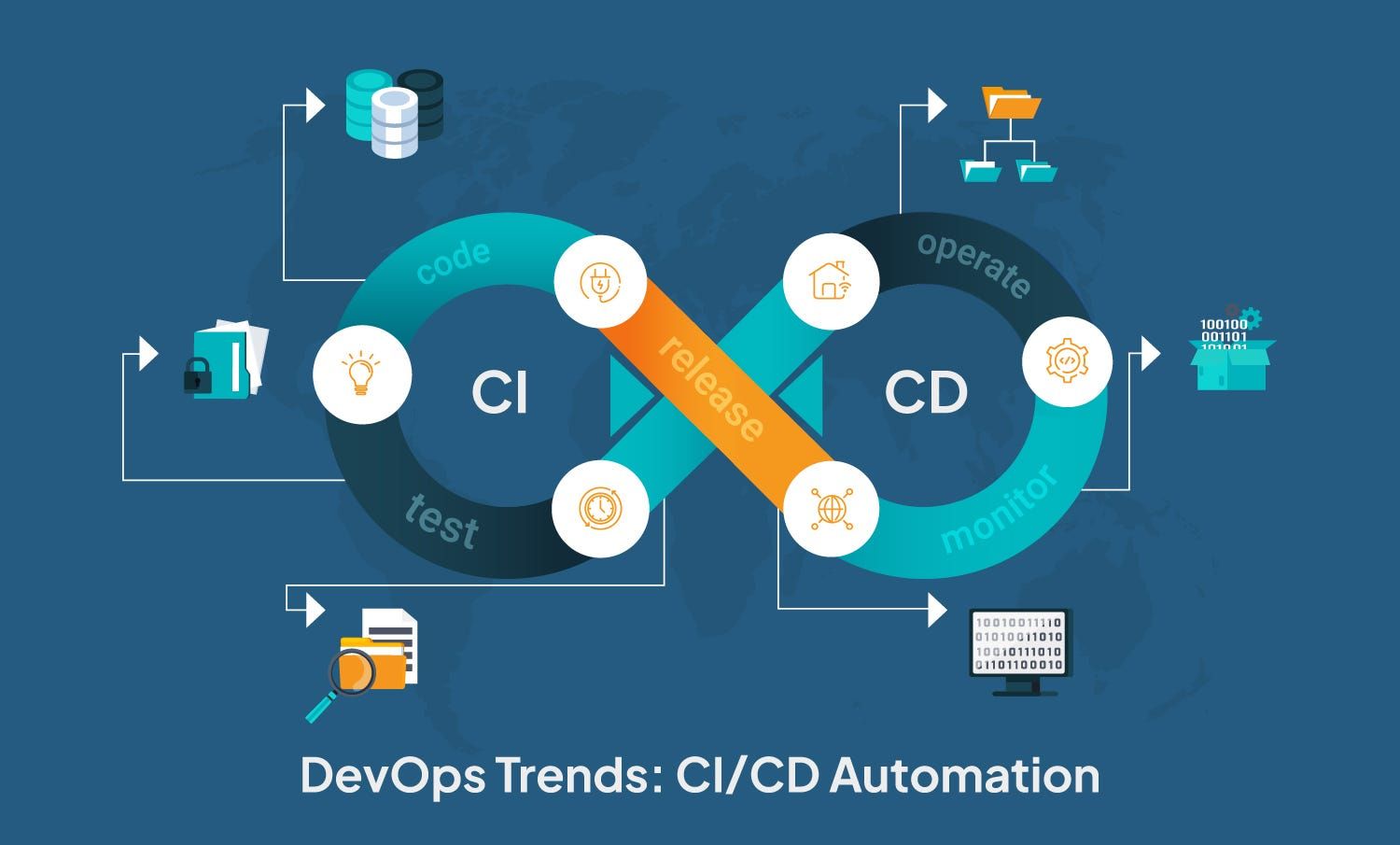
How Autonomous CI/CD Agents Work
Autonomous agents continuously monitor software pipelines and operational environments.
Typical workflow:
- Code changes are detected.
- AI agents analyze dependencies and risks.
- Testing environments are provisioned automatically.
- Security and compliance checks are performed.
- Deployment strategies are optimized dynamically.
- Production systems are monitored continuously.
The agents adapt decisions in real time based on operational conditions.
Core Capabilities of Autonomous Pipeline Agents
- Self-healing deployments
- Automated rollback decisions
- Predictive failure detection
- Dynamic resource allocation
- AI-assisted testing
- Intelligent release orchestration
- Security policy enforcement
These capabilities significantly reduce operational overhead.
Role of Artificial Intelligence
AI enables CI/CD systems to evolve from scripted automation into adaptive operational intelligence.
- Anomaly detection
- Root-cause analysis
- Deployment risk prediction
- Infrastructure optimization
- Performance forecasting
- Autonomous remediation
Machine learning systems continuously improve operational decision-making.
Autonomous CI/CD transforms software delivery from scripted automation into intelligent operational orchestration.
Applications Across Modern Software Engineering
- Cloud-native applications
- AI platform deployment
- Microservices ecosystems
- Edge computing infrastructure
- Enterprise DevOps platforms
- Cybersecurity operations
- High-frequency release environments
Autonomous delivery systems are especially valuable in highly dynamic environments.
Traditional CI/CD vs Autonomous CI/CD Agents
| Traditional CI/CD | Autonomous CI/CD Agents |
|---|---|
| Rule-based automation | AI-driven adaptive automation |
| Manual intervention required | Self-managing operations |
| Static deployment logic | Dynamic deployment optimization |
| Reactive monitoring | Predictive operational intelligence |
Benefits of Autonomous Pipeline Systems
- Faster software releases
- Reduced operational costs
- Improved deployment reliability
- Enhanced security compliance
- Lower downtime risks
- Improved scalability
- Reduced human error
Organizations can significantly accelerate software delivery velocity.
Challenges and Risks
- AI decision transparency
- Operational trust concerns
- Security vulnerabilities
- Complex governance requirements
- Integration challenges
- Autonomous failure propagation risks
Strong governance and observability remain essential for safe deployment.
Role in Platform Engineering
Autonomous CI/CD agents are increasingly aligned with platform engineering initiatives.
- Internal developer platforms
- Infrastructure-as-Code orchestration
- Self-service deployment systems
- Developer productivity optimization
- Unified operational governance
Platform engineering and autonomous DevOps may increasingly converge.
Future Outlook
The next generation of software infrastructure may become increasingly self-operating.
- Fully autonomous software delivery
- AI-native DevOps ecosystems
- Self-healing infrastructure
- Autonomous compliance systems
- Predictive deployment intelligence
Future engineering teams may focus more on governance, architecture, and strategic oversight than manual operations.
Economic and Strategic Implications
Autonomous CI/CD Pipeline Agents could fundamentally reshape software engineering economics.
- Lower operational overhead
- Accelerated product innovation
- Improved infrastructure resilience
- Enhanced engineering productivity
- Faster enterprise digital transformation
The organizations that successfully deploy autonomous software delivery ecosystems may gain significant competitive advantages in the AI-native economy.
Frequently Asked Questions
What are Autonomous CI/CD Pipeline Agents?
They are AI-powered systems that independently manage, optimize, monitor, and orchestrate software delivery pipelines.
How are they different from traditional CI/CD pipelines?
Traditional pipelines rely on predefined automation rules, while autonomous agents use AI to make adaptive operational decisions in real time.
Why are autonomous pipeline systems important?
Because modern software environments are becoming too complex for static automation alone, requiring intelligent systems capable of adaptive orchestration and predictive management.
Conclusion
Autonomous CI/CD Pipeline Agents represent a major evolution in software engineering and DevOps operations. By combining artificial intelligence, predictive analytics, autonomous remediation, and intelligent orchestration, these systems can transform software delivery into a highly adaptive operational ecosystem. As infrastructure complexity and deployment velocity continue increasing, autonomous pipeline agents may become foundational components of future AI-native engineering platforms.