
Behavioral Finance & Psychology of Money
Money decisions are rarely purely logical. While traditional finance assumes that individuals act rationally when making financial choices, real-world behavior tells a different story. Emotions, biases, and psychological factors heavily influence how people earn, spend, save, and invest money.
This is where behavioral finance comes into play. It combines psychology and economics to understand why people make irrational financial decisions and how these behaviors impact markets and personal wealth.
Understanding the psychology of money is essential for improving financial habits, avoiding costly mistakes, and building long-term wealth.
What Is Behavioral Finance?
Behavioral finance is a field of study that examines how psychological influences and emotional biases affect financial decisions.
- Combines psychology and finance
- Explains irrational behavior
- Analyzes decision-making patterns
- Helps improve financial strategies
It challenges the idea that markets are always rational.

Psychology of Money Explained
The psychology of money focuses on how emotions and personal experiences influence financial behavior.
- Fear and greed
- Past financial experiences
- Social influences
- Personal beliefs about money
These factors shape how individuals manage their finances.
Common Behavioral Biases
Several cognitive biases influence financial decisions.
- Overconfidence Bias: Believing you know more than you do
- Loss Aversion: Fear of losses outweighs gains
- Herd Behavior: Following the crowd
- Anchoring Bias: Relying on initial information
These biases can lead to poor financial decisions.
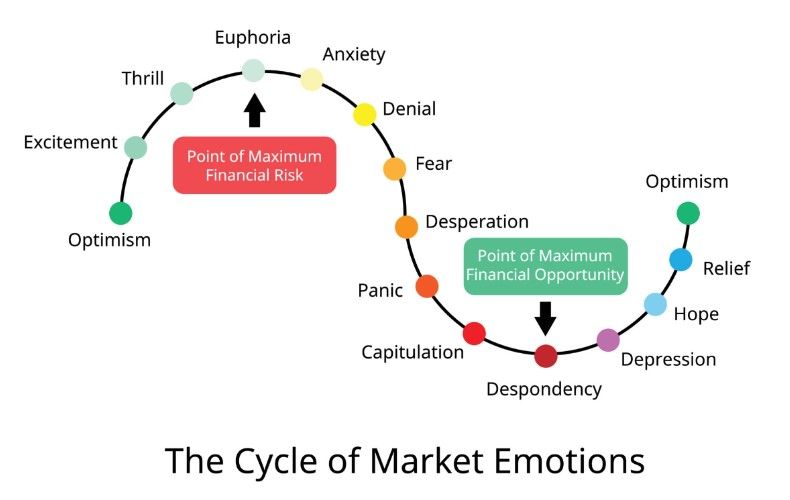
Impact on Investing
Behavioral biases significantly impact investment decisions and market trends.
- Buying high and selling low
- Panic during market crashes
- Overtrading
Understanding these behaviors helps investors make better decisions.
Emotional Factors in Financial Decisions
Emotions play a critical role in financial behavior.
- Fear → Avoiding risks
- Greed → Taking excessive risks
- Stress → Poor decision-making
Managing emotions is key to financial success.
Importance of Behavioral Finance
Behavioral finance helps individuals and investors understand and improve financial decisions.
- Improves decision-making
- Reduces financial mistakes
- Enhances investment strategies
- Promotes disciplined investing
It provides valuable insights into human behavior.

Behavioral Finance vs Traditional Finance
- Traditional → Rational decisions
- Behavioral → Emotional and biased decisions
- Traditional → Efficient markets
- Behavioral → Market inefficiencies
This distinction highlights the importance of psychology in finance.
How to Overcome Financial Biases
- Set clear financial goals
- Follow a disciplined investment plan
- Avoid emotional decisions
- Diversify investments
These strategies help improve financial outcomes.
Success in finance is not just about knowledge—it’s about controlling emotions and making disciplined decisions.
Role in Wealth Building
Understanding behavioral finance is essential for building long-term wealth.
- Encourages disciplined investing
- Reduces impulsive decisions
- Improves financial planning
It helps individuals stay focused on long-term goals.
Real-Life Examples
Behavioral finance can be observed in everyday financial decisions.
- Investors panic selling during crashes
- Following trending stocks without research
- Holding losing investments too long
These examples highlight the impact of psychology.
Future of Behavioral Finance
The future of behavioral finance is evolving with technology and AI.
- AI-driven financial insights
- Behavior-based investment tools
- Improved financial education
It will play a key role in modern finance.
Frequently Asked Questions
What is behavioral finance?
It studies how psychology affects financial decisions.
Why is it important?
It helps improve financial decision-making and reduce mistakes.
How can I control financial emotions?
By following discipline, planning, and long-term strategies.
Conclusion
Behavioral finance and the psychology of money reveal that financial success is not just about numbers—it is about mindset and discipline. By understanding biases, managing emotions, and making informed decisions, individuals can improve their financial health and achieve long-term wealth. In a world driven by uncertainty, mastering the psychology of money is a powerful advantage.