Cloud 3.0: Why Sovereign Clouds are the Future
The evolution of cloud computing has entered a new phase—Cloud 3.0—where sovereignty, security, and regulatory compliance are becoming as critical as scalability and performance. While earlier cloud models focused on flexibility and cost efficiency, Cloud 3.0 emphasizes control over data, infrastructure, and governance.
At the center of this transformation are sovereign clouds—cloud environments designed to meet strict national, regional, and organizational data requirements. These clouds ensure that data remains within specific jurisdictions and complies with local laws, making them essential in today’s data-driven world.
As governments and enterprises prioritize data privacy and control, sovereign clouds are emerging as the future of cloud computing.
What Is Cloud 3.0?
Cloud 3.0 represents the next generation of cloud computing focused on sovereignty, security, and intelligent infrastructure.
- Data sovereignty and compliance
- Advanced security frameworks
- AI-integrated cloud systems
- Edge and distributed computing
It moves beyond traditional cloud models.

What Are Sovereign Clouds?
Sovereign clouds are cloud environments that comply with specific legal, regulatory, and data residency requirements.
- Data stored within a country or region
- Compliance with local laws
- Controlled access and governance
- Enhanced security measures
They ensure data control and privacy.
Why Sovereign Clouds Are Important
- Protect sensitive data
- Ensure regulatory compliance
- Reduce dependency on foreign infrastructure
- Enhance national security
They address modern data challenges.
Evolution from Cloud 1.0 to Cloud 3.0
- Cloud 1.0: Basic cloud services (IaaS)
- Cloud 2.0: Scalable platforms (PaaS, SaaS)
- Cloud 3.0: Sovereign, secure, intelligent cloud
This evolution reflects changing priorities.
Key Features of Sovereign Clouds
- Data residency control
- Compliance with regulations
- Advanced encryption
- Local infrastructure management
These features ensure trust and security.
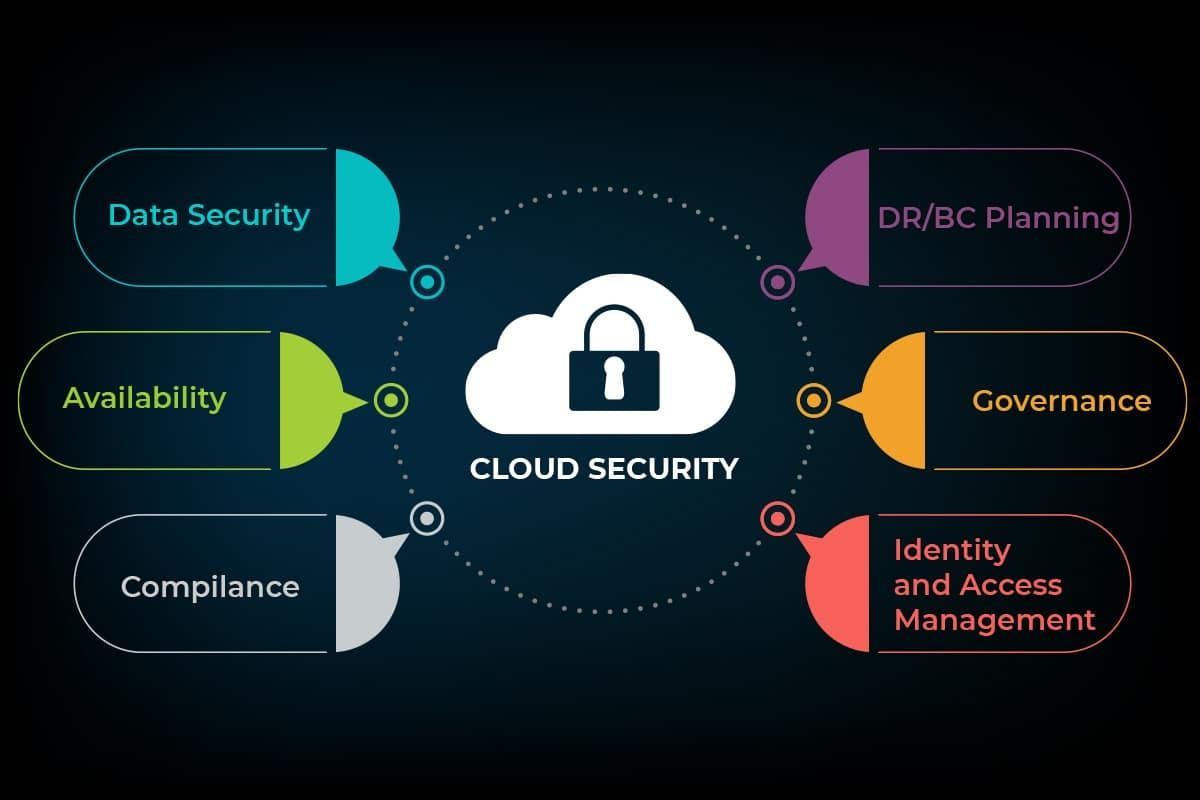
Benefits of Sovereign Clouds
- Enhanced data privacy
- Regulatory compliance
- Improved security
- Greater control over data
These benefits drive adoption globally.
Challenges of Sovereign Clouds
- Higher costs
- Complex implementation
- Limited scalability compared to global clouds
- Regulatory complexity
Organizations must plan carefully.
Sovereign clouds represent a shift from convenience to control—ensuring that data is not just stored in the cloud, but governed with trust and compliance.
Use Cases of Sovereign Clouds
- Government and public sector
- Healthcare data management
- Financial services
- Defense and security systems
They are critical for sensitive industries.
Future of Cloud 3.0
The future of Cloud 3.0 is driven by innovation and regulation.
- AI-powered cloud systems
- Edge computing integration
- Global adoption of sovereign clouds
- Stronger data governance frameworks
Cloud computing will become more secure and localized.
Role in Digital Transformation
Sovereign clouds are key enablers of digital transformation.
- Ensure secure innovation
- Support compliance-driven industries
- Build trust in digital systems
They are shaping the future of cloud computing.
Frequently Asked Questions
What is Cloud 3.0?
It is the next generation of cloud computing focused on sovereignty and security.
What are sovereign clouds?
Clouds that comply with local data laws and regulations.
Why are they important?
They ensure data privacy, security, and compliance.
Conclusion
Cloud 3.0 and sovereign clouds mark a significant shift in the cloud computing landscape. By prioritizing data sovereignty, security, and compliance, they address the challenges of modern digital ecosystems. As organizations and governments increasingly focus on data control, sovereign clouds will play a crucial role in shaping the future of cloud computing and digital transformation.