
Cloud Computing and Virtualization
Cloud computing and virtualization are two of the most important technologies driving the modern digital world. They enable organizations to store data, run applications, and manage systems more efficiently without relying heavily on physical infrastructure.
Cloud computing provides on-demand access to computing resources over the internet, while virtualization allows multiple virtual systems to run on a single physical machine. Together, they form the backbone of scalable, flexible, and cost-effective IT solutions.
Understanding these technologies is essential for businesses, developers, and IT professionals aiming to succeed in the era of digital transformation.
What Is Cloud Computing?
Cloud computing refers to the delivery of computing services such as storage, servers, databases, networking, and software over the internet.
- On-demand resource access
- Scalable infrastructure
- Pay-as-you-go pricing
- Remote accessibility
It eliminates the need for physical hardware.

What Is Virtualization?
Virtualization is the process of creating virtual versions of physical resources such as servers, storage devices, and networks.
- Multiple virtual machines on one system
- Efficient resource utilization
- Improved system performance
It maximizes hardware efficiency.
How Cloud Computing Works
Cloud computing operates through data centers and remote servers.
- Data is stored in cloud servers
- Users access services via internet
- Cloud providers manage infrastructure
This model ensures flexibility and scalability.
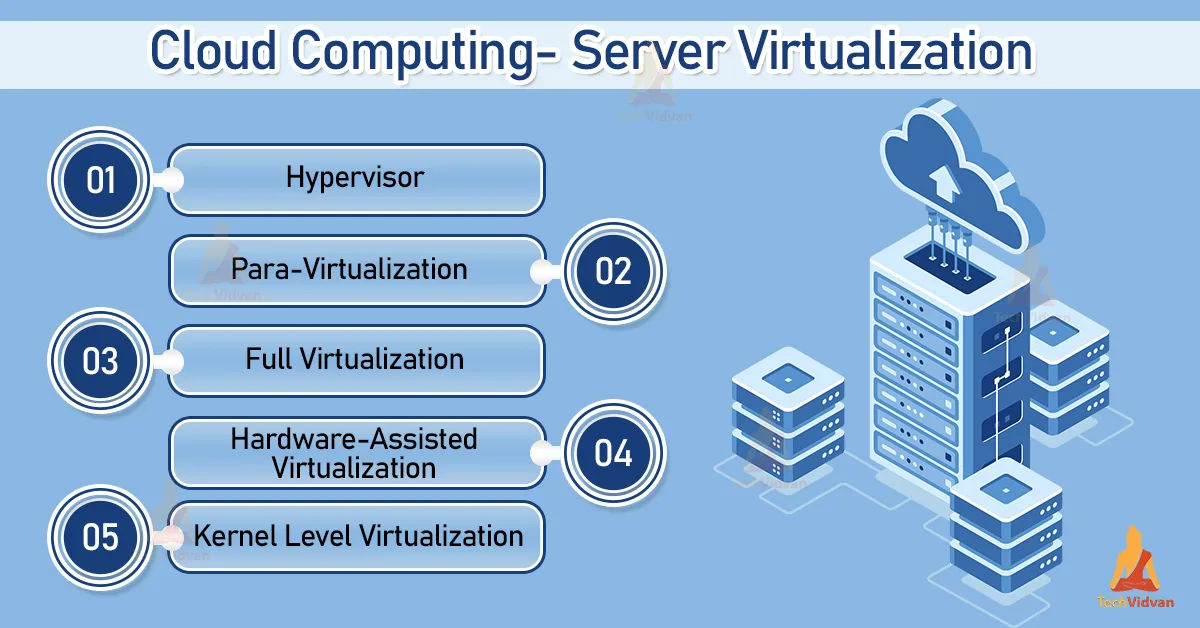
Types of Cloud Computing
- Public Cloud: Shared infrastructure
- Private Cloud: Dedicated environment
- Hybrid Cloud: Combination of both
Each type serves different business needs.
Types of Cloud Services
- IaaS: Infrastructure as a Service
- PaaS: Platform as a Service
- SaaS: Software as a Service
These services provide different levels of control.
Benefits of Cloud Computing
- Cost efficiency
- Scalability
- Flexibility
- Data backup and recovery
These benefits drive widespread adoption.

Benefits of Virtualization
- Better resource utilization
- Reduced hardware costs
- Improved system efficiency
- Enhanced flexibility
It optimizes IT infrastructure.
Cloud vs Virtualization
- Cloud → Service delivery model
- Virtualization → Technology
- Cloud → Internet-based
- Virtualization → Hardware optimization
Both technologies complement each other.
Cloud computing and virtualization are the foundation of modern IT infrastructure, enabling scalability, efficiency, and innovation.
Challenges of Cloud Computing
- Security concerns
- Data privacy issues
- Downtime risks
- Dependence on internet
Proper management is required.
Future of Cloud and Virtualization
The future of these technologies is promising.
- AI integration
- Edge computing
- Serverless architecture
- Increased automation
They will continue to evolve rapidly.
Role in Digital Transformation
Cloud computing and virtualization are key drivers of digital transformation.
- Improves efficiency
- Enhances scalability
- Supports innovation
They are essential for modern businesses.
Frequently Asked Questions
What is cloud computing?
It is the delivery of computing services over the internet.
What is virtualization?
It is the creation of virtual systems on physical hardware.
Are they the same?
No, but they work together to improve IT efficiency.
Conclusion
Cloud computing and virtualization are transforming the way organizations manage data and infrastructure. By providing scalable, flexible, and cost-effective solutions, they enable businesses to innovate and grow in the digital era. As technology continues to evolve, these technologies will remain at the core of modern IT systems.