
Confidential Computing
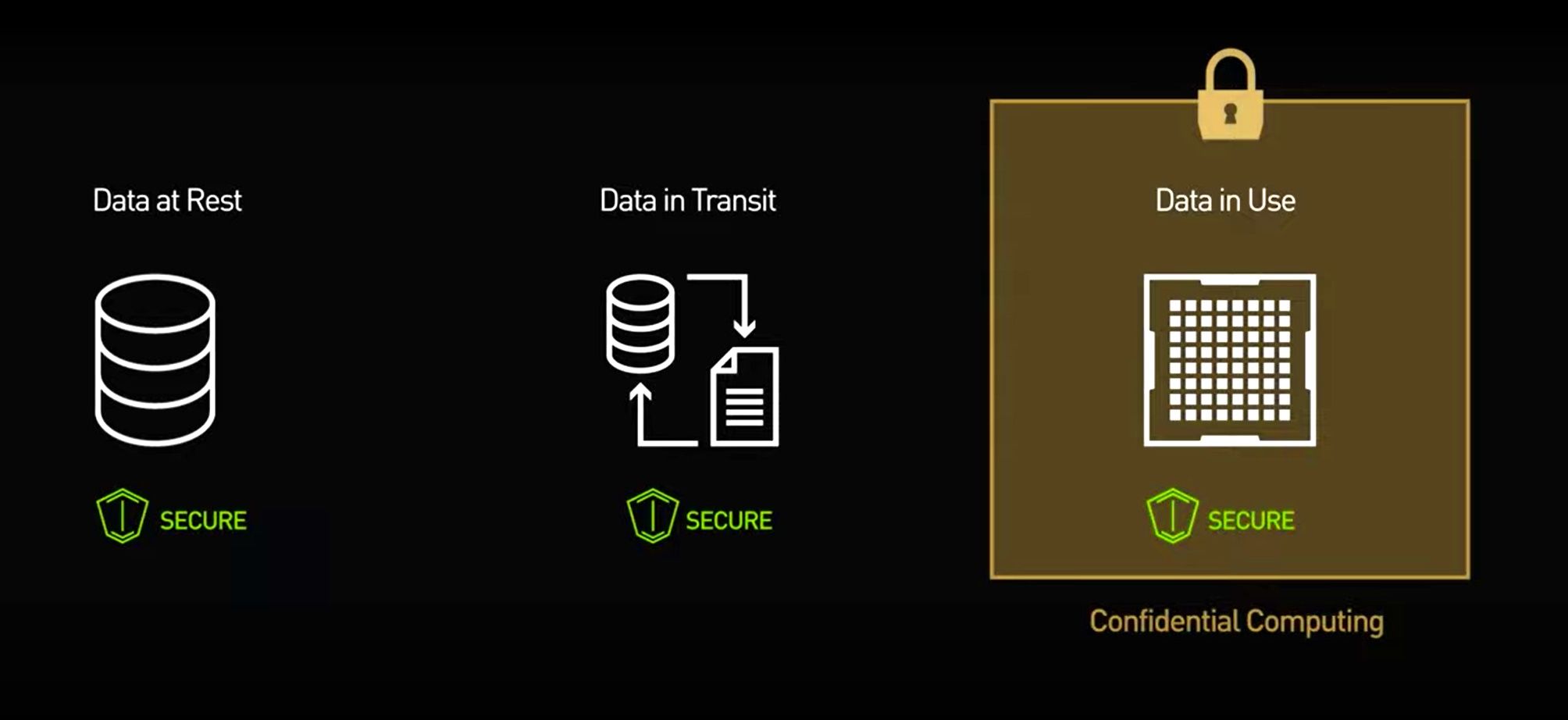
Confidential computing is an advanced security paradigm designed to protect data while it is being processed. Traditionally, data is protected when stored (at rest) and when transmitted (in transit), but it remains vulnerable during processing (in use). Confidential computing addresses this critical gap by ensuring that data remains encrypted even while being processed in memory.
As organizations increasingly rely on cloud computing and handle sensitive data, confidential computing has become essential for maintaining privacy, security, and compliance. It enables secure data processing in untrusted environments, making it a key technology for modern digital systems.
Understanding confidential computing is crucial for businesses, developers, and IT professionals aiming to enhance data protection and trust.
What Is Confidential Computing?
Confidential computing is a technology that protects data during processing by performing computations in secure, isolated environments known as trusted execution environments (TEEs).
- Protects data in use
- Uses secure enclaves (TEEs)
- Prevents unauthorized access
- Enhances data privacy
It ensures end-to-end data protection.
How Confidential Computing Works
Confidential computing operates through hardware-based security mechanisms.
- Data is encrypted before processing
- Processed inside secure enclaves
- Decrypted only within trusted environments
- Results are re-encrypted before output
This ensures data remains protected throughout its lifecycle.
Trusted Execution Environments (TEEs)
TEEs are secure areas within a processor that isolate sensitive data and computations.
- Hardware-based security
- Isolation from operating system
- Protection against unauthorized access
TEEs are the foundation of confidential computing.
Benefits of Confidential Computing
- Enhanced data security
- Protection during processing
- Compliance with regulations
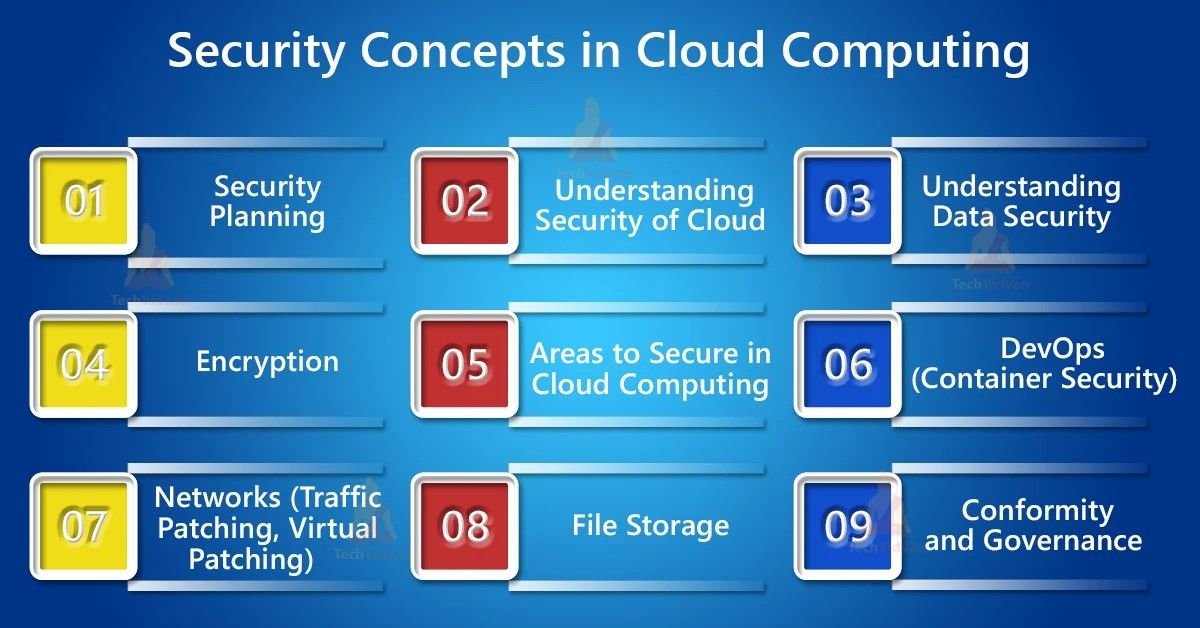
- Secure cloud computing
These benefits improve trust and security.
Applications of Confidential Computing
Confidential computing is used across industries.
- Healthcare (secure patient data processing)
- Finance (fraud detection and analysis)
- Cloud computing (secure workloads)
- AI and machine learning (protected data models)
Its applications are rapidly growing.

Confidential Computing vs Traditional Security
- Traditional → Protects data at rest and in transit
- Confidential → Protects data in use
- Traditional → Vulnerable during processing
- Confidential → Fully protected lifecycle
This makes it a critical advancement in cybersecurity.
Challenges of Confidential Computing
- Complex implementation
- Hardware dependency
- Performance overhead
- Limited awareness
These challenges require strategic planning.
Confidential computing ensures that sensitive data remains protected not just in storage or transit, but even during processing—closing one of the biggest security gaps.
Future of Confidential Computing
The future of confidential computing is promising.
- Integration with AI and cloud systems
- Enhanced hardware security features
- Wider adoption across industries
- Improved performance and scalability
It will play a major role in data security.
Role in Digital Transformation
Confidential computing is essential for secure digital transformation.
- Protects sensitive data
- Enables secure innovation
- Builds trust in digital systems
It is a key technology for modern enterprises.
Frequently Asked Questions
What is confidential computing?
It is protecting data during processing using secure environments.
Why is it important?
It secures data in use, closing a major security gap.
Where is it used?
Healthcare, finance, cloud, and AI systems.
Conclusion
Confidential computing is a breakthrough in cybersecurity, addressing one of the most critical vulnerabilities—data exposure during processing. By leveraging secure enclaves and advanced encryption, it ensures end-to-end data protection. As digital transformation accelerates, confidential computing will become a cornerstone of secure and trustworthy computing environments.