
Cryptocurrency & Digital Assets Evolution
The financial world has undergone a remarkable transformation over the past decade, driven by the rise of cryptocurrencies and digital assets. What began as an experimental digital currency has evolved into a global financial ecosystem, influencing banking, investing, and technology.
Cryptocurrencies like Bitcoin and Ethereum have introduced decentralized finance (DeFi), enabling peer-to-peer transactions without intermediaries. Alongside this, digital assets such as NFTs, stablecoins, and tokenized assets are redefining ownership and value exchange.
Understanding the evolution of cryptocurrencies and digital assets is essential for investors, businesses, and individuals navigating the future of finance.
What Is Cryptocurrency?
Cryptocurrency is a digital or virtual currency that uses cryptography for security and operates on decentralized blockchain networks.
- Decentralized system
- Secure transactions
- No central authority
- Global accessibility
It represents a new form of digital money.
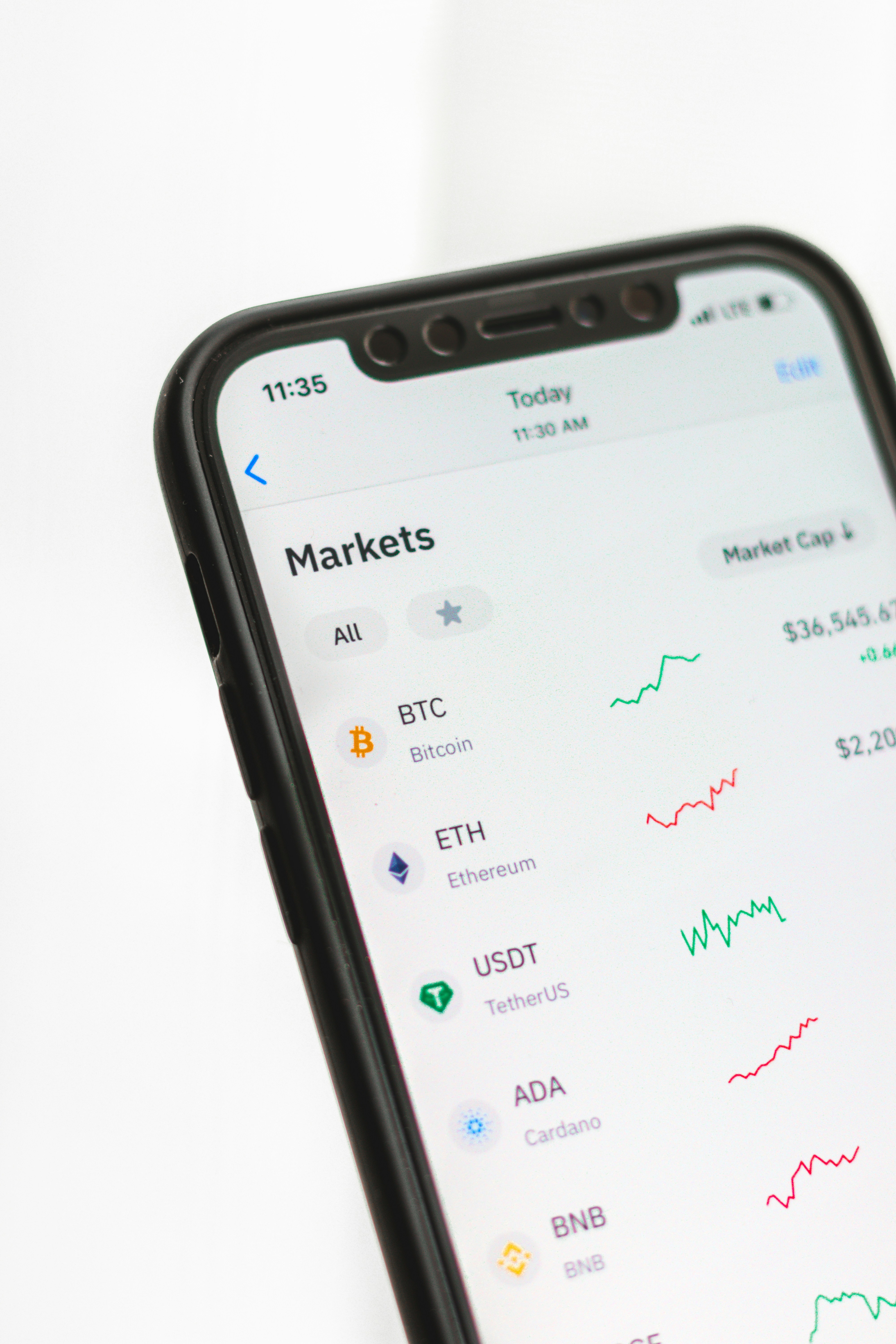
Evolution of Cryptocurrencies
The journey of cryptocurrencies has evolved significantly since their inception.
- 2009: Bitcoin introduced
- 2015: Ethereum enabled smart contracts
- 2020: Rise of DeFi platforms
- 2021+: Growth of NFTs and tokenization
This evolution has expanded the scope of digital finance.
What Are Digital Assets?
Digital assets are any assets stored digitally that have value and ownership rights.
- Cryptocurrencies
- Non-fungible tokens (NFTs)
- Stablecoins
- Tokenized assets
They represent a broad category of digital value.

Blockchain Technology Explained
Blockchain is the underlying technology behind cryptocurrencies.
- Distributed ledger system
- Transparent and secure
- Immutable records
It ensures trust and security in digital transactions.
Types of Cryptocurrencies
- Bitcoin: Digital gold
- Ethereum: Smart contract platform
- Stablecoins: Price-stable assets
- Altcoins: Other cryptocurrencies
Each type serves a different purpose.
Advantages of Digital Assets
- Decentralization
- Transparency
- Global access
- High return potential
These advantages drive adoption.

Challenges and Risks
- High volatility
- Regulatory uncertainty
- Security risks
- Lack of awareness
Investors must be cautious.
Role of DeFi (Decentralized Finance)
DeFi is transforming traditional financial systems.
- Peer-to-peer lending
- Decentralized exchanges
- Yield farming
It eliminates intermediaries.
Impact on Global Finance
Cryptocurrencies are influencing global financial systems.
- Reduced transaction costs
- Faster cross-border payments
- Financial inclusion
They are reshaping the financial landscape.
Cryptocurrency is not just digital money—it is the foundation of a new financial ecosystem driven by technology and decentralization.
Future of Cryptocurrency
The future of cryptocurrencies looks promising with increasing adoption and innovation.
- Government regulations
- Institutional investments
- Integration with traditional finance
- Growth of Web3
These trends will shape the future of digital finance.
How to Get Started
- Choose a reliable exchange
- Understand market risks
- Diversify investments
- Stay updated with trends
Proper knowledge is key to success.
Frequently Asked Questions
What is cryptocurrency?
It is a digital currency based on blockchain technology.
Is crypto safe?
It is secure but involves risks like volatility.
What are digital assets?
Assets stored digitally with value and ownership.
Conclusion
The evolution of cryptocurrency and digital assets marks a revolutionary shift in the financial world. From decentralized finance to digital ownership, these innovations are reshaping how value is created and exchanged. As adoption grows, they will continue to play a key role in the future of global finance.