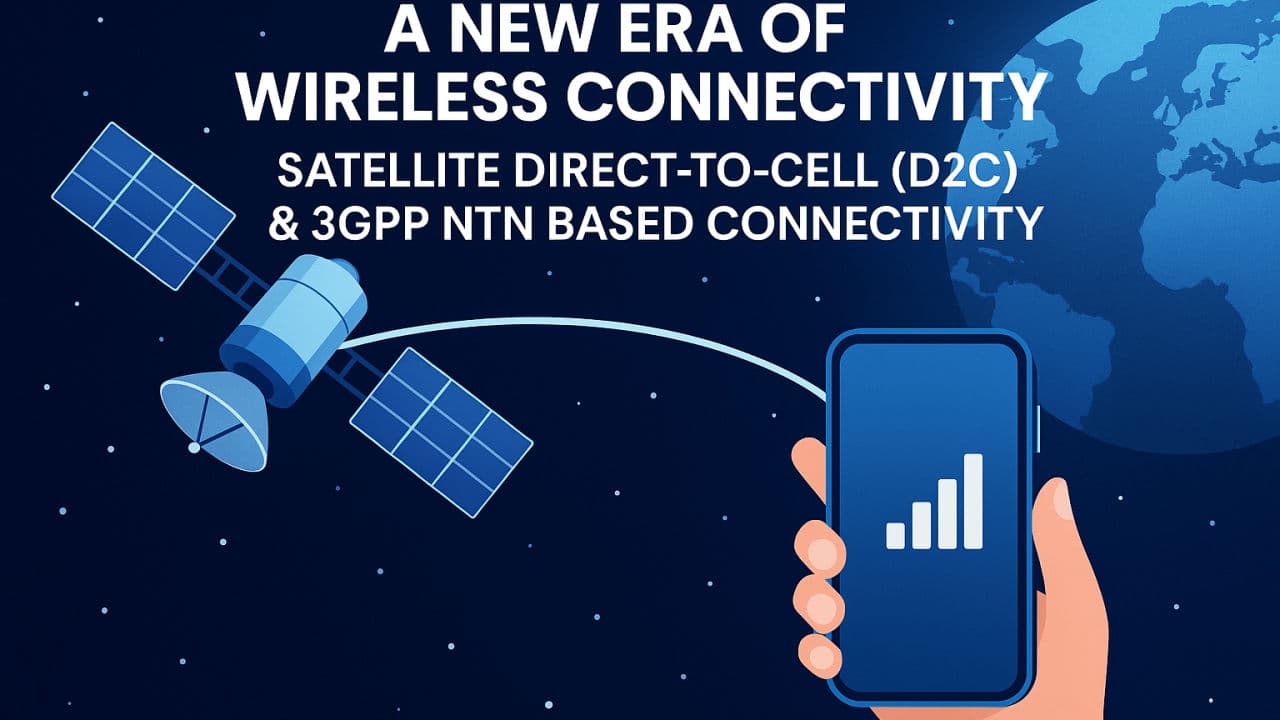
Direct-to-Cell Satellite Networks
The telecommunications industry is undergoing one of its most significant transformations since the advent of mobile networks. For decades, cellular connectivity has relied heavily on terrestrial infrastructure such as towers, fiber-optic networks, and ground-based communication systems. While these networks have enabled global communication, large portions of the planet still suffer from coverage gaps, particularly in remote, rural, maritime, and disaster-prone regions.
To address these limitations, a new generation of space-based communication technology is emerging: Direct-to-Cell Satellite Networks. These systems allow ordinary smartphones to connect directly to satellites in orbit without requiring specialized satellite phones or external equipment.
By transforming satellites into space-based cell towers, Direct-to-Cell networks could provide near-global connectivity and redefine how mobile communication infrastructure operates.
This technology may become a foundational component of future telecommunications, emergency response systems, IoT ecosystems, and digital inclusion initiatives.
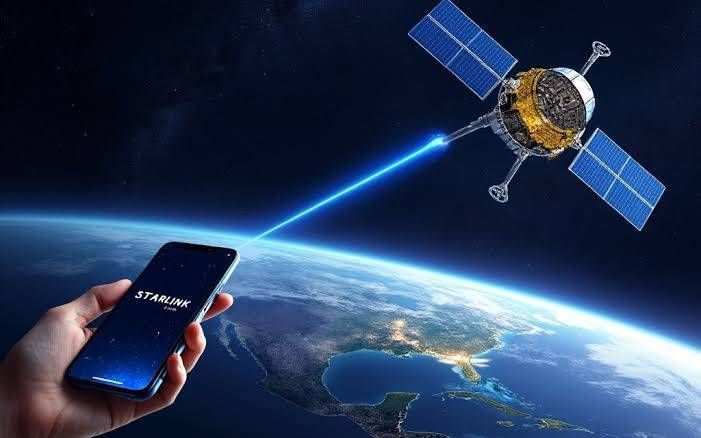
What Are Direct-to-Cell Satellite Networks?
Direct-to-Cell Satellite Networks are communication systems that enable standard mobile phones to connect directly with satellites orbiting Earth.
Unlike traditional satellite communication systems:
- No dedicated satellite phone is required
- No external antenna is necessary
- Existing smartphones can often be supported
- Communication occurs through standard cellular frequencies
The objective is to extend cellular coverage beyond the limits of terrestrial infrastructure.
Why Traditional Mobile Networks Have Coverage Gaps
Building and maintaining terrestrial infrastructure is expensive and geographically challenging.
- Remote rural regions
- Mountainous terrain
- Deserts and forests
- Oceanic areas
- Disaster zones
- Developing regions
Many locations remain underserved due to infrastructure limitations.
How Direct-to-Cell Networks Work
Satellites function as orbiting cellular base stations capable of communicating directly with mobile devices.
Typical communication process:
- A smartphone sends a cellular signal.
- A satellite receives the transmission.
- The satellite routes the signal through a space network.
- Ground stations connect to terrestrial networks.
- Data reaches the intended destination.
- Responses return through the same pathway.
The user experiences connectivity even in locations without traditional cellular coverage.

Core Technologies Enabling Direct-to-Cell Connectivity
- Low Earth Orbit (LEO) Satellites
- Advanced Phased-Array Antennas
- 5G and Future 6G Protocols
- Beamforming Technologies
- Software-Defined Networks
- AI-Based Signal Optimization
- Satellite Mesh Networking
These technologies enable reliable communication between satellites and standard mobile devices.
Potential Applications
Direct-to-Cell networks could support numerous use cases.
- Emergency messaging
- Remote-area connectivity
- Maritime communications
- Aviation connectivity
- Military communications
- Internet of Things (IoT)
- Disaster recovery operations
Connectivity may become available virtually anywhere on Earth.
Emergency Response and Disaster Recovery
One of the most important applications is maintaining communication during emergencies.
- Earthquakes
- Floods
- Wildfires
- Hurricanes
- Search-and-rescue missions
When terrestrial infrastructure fails, satellite connectivity can remain operational.
Direct-to-Cell technology transforms satellites from specialized communication assets into extensions of everyday mobile networks.
Benefits of Direct-to-Cell Satellite Networks
- Near-global coverage
- Improved emergency communications
- Reduced digital divide
- Enhanced network resilience
- Support for remote industries
- Expanded IoT deployment opportunities
- Reduced infrastructure dependency
These benefits could significantly expand access to communication services worldwide.
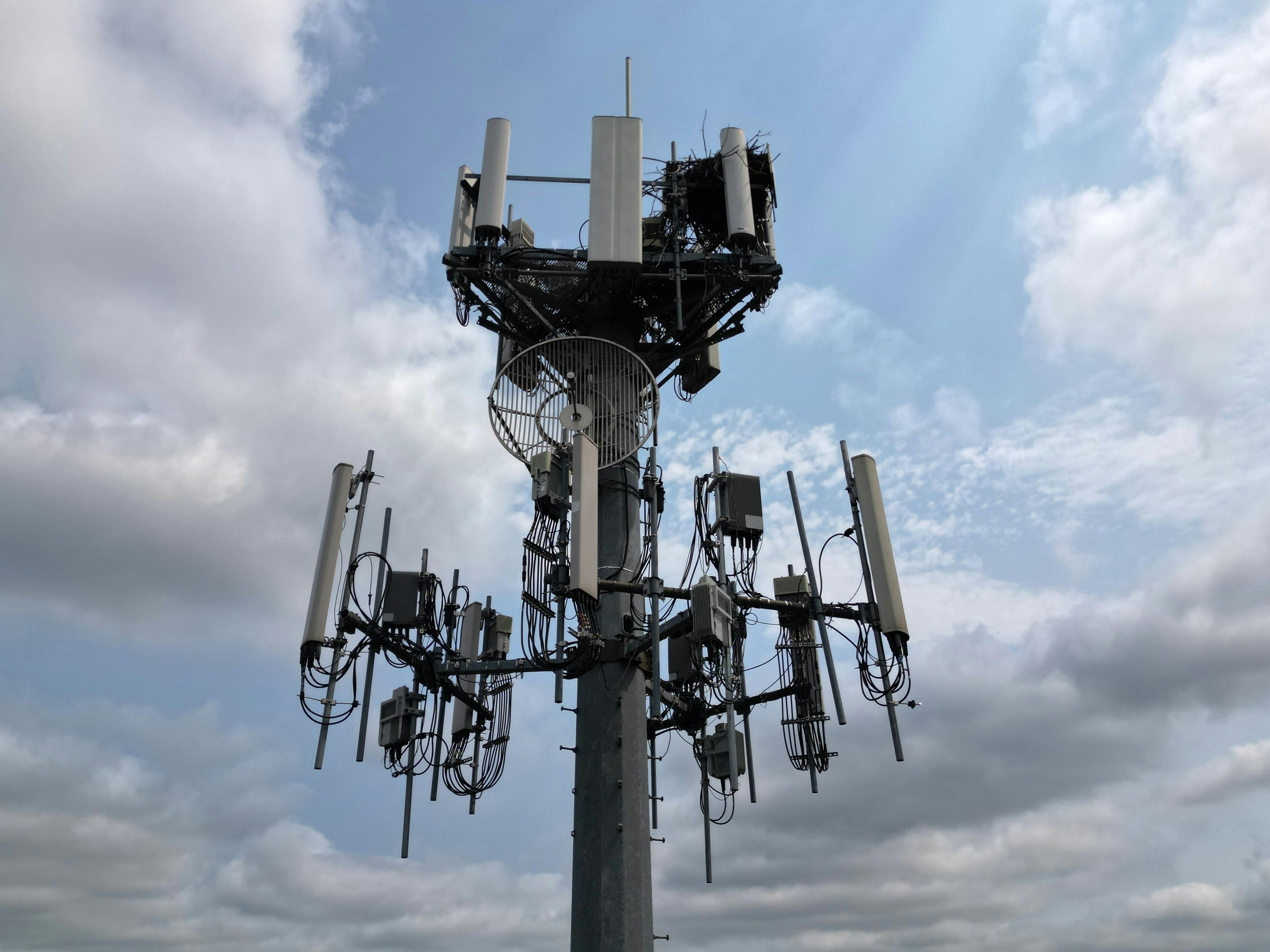
Traditional Cellular Networks vs Direct-to-Cell Networks
| Traditional Cellular Networks | Direct-to-Cell Satellite Networks |
|---|---|
| Ground tower dependent | Satellite-based coverage |
| Regional coverage limitations | Near-global reach |
| Infrastructure-intensive | Space infrastructure driven |
| Vulnerable to local outages | Higher geographic resilience |
Challenges and Risks
- Limited satellite bandwidth
- Orbital congestion
- Spectrum coordination challenges
- High deployment costs
- Signal latency considerations
- Space debris risks
Large-scale deployment requires substantial technological and regulatory coordination.
Major Industry Participants
Several organizations are actively developing Direct-to-Cell capabilities.
- SpaceX Starlink Direct-to-Cell
- AST SpaceMobile
- Lynk Global
- Global telecommunications operators
- Satellite infrastructure providers
Competition is accelerating innovation across the satellite communications sector.
Future Outlook
The coming decade may witness the integration of terrestrial and non-terrestrial communication systems.
- 6G satellite integration
- Continuous global connectivity
- Autonomous network routing
- AI-managed communications
- Space-native mobile infrastructure
Future users may transition seamlessly between ground and satellite networks without noticing the difference.
Economic and Strategic Implications
Direct-to-Cell Satellite Networks could become a major driver of the global digital economy.
- Expansion of connectivity markets
- Growth of the space economy
- Improved disaster resilience
- Greater digital inclusion
- New telecommunications business models
Organizations that successfully deploy large-scale Direct-to-Cell systems may play a defining role in the future of global communications.
Frequently Asked Questions
What are Direct-to-Cell Satellite Networks?
They are satellite communication systems that allow ordinary smartphones to connect directly to satellites without requiring specialized devices.
Do users need special phones?
Many Direct-to-Cell systems are designed to work with existing smartphones using standard cellular technologies.
Why is this technology important?
It can provide connectivity in remote areas, support emergency communications, and help close global coverage gaps.
Conclusion
Direct-to-Cell Satellite Networks represent a major evolution in global telecommunications. By connecting ordinary mobile devices directly to orbiting satellites, these systems have the potential to eliminate coverage gaps, strengthen emergency response capabilities, and bring connectivity to previously unreachable regions. As satellite constellations continue to expand and mobile technologies evolve, Direct-to-Cell networks may become a fundamental component of the world's future communication infrastructure.