Domain-Specific Language Models (DSLMs)
As artificial intelligence continues to evolve, a new category of models is gaining significant attention—Domain-Specific Language Models (DSLMs). Unlike general-purpose large language models (LLMs) that are trained on diverse datasets, DSLMs are specialized models trained for specific industries or domains such as healthcare, finance, law, or software development.
In 2026, DSLMs are becoming essential for delivering higher accuracy, better contextual understanding, and improved performance in specialized applications. By focusing on domain-specific knowledge, these models provide more reliable and relevant outputs compared to general AI systems.
This shift represents a move toward more precise and efficient AI solutions.
What Are DSLMs?
Domain-Specific Language Models are AI models trained on data from a specific domain to perform specialized tasks.
- Focused training data
- High accuracy in specific domains
- Better contextual understanding
- Optimized performance
They are tailored for specific use cases.
DSLMs vs General LLMs
- LLMs → General knowledge
- DSLMs → Domain-specific expertise
- LLMs → Broad applications
- DSLMs → Specialized tasks
This distinction is crucial.
Why DSLMs Are Important
- Improved accuracy
- Reduced hallucinations
- Better compliance (e.g., legal, medical)
- Efficient performance
They address limitations of general models.
How DSLMs Work
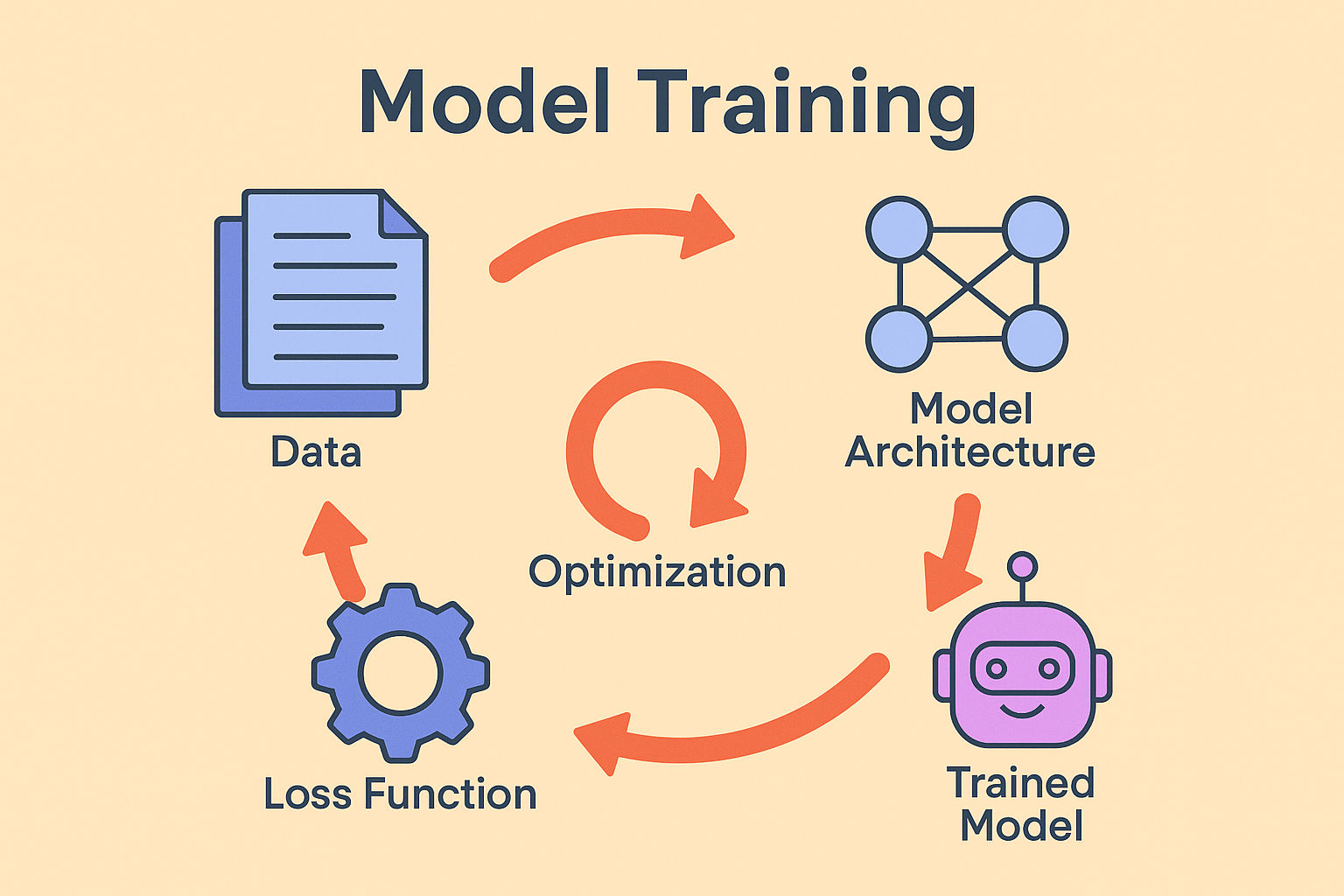
DSLMs are trained using domain-specific datasets.
- Collect domain-specific data
- Train models on specialized knowledge
- Fine-tune for specific tasks
- Deploy in targeted applications
This process ensures precision.
Applications of DSLMs
DSLMs are widely used across industries.
- Healthcare diagnostics and analysis
- Financial forecasting and risk analysis
- Legal document processing
- Software development and coding assistance
Their impact is significant.
Benefits of DSLMs
- Higher accuracy
- Domain expertise
- Better reliability
- Improved efficiency
These benefits drive adoption.
Challenges of DSLMs
- Limited generalization
- Data availability
- High training costs
- Maintenance complexity
These challenges must be managed.
Domain-specific language models represent the future of AI—moving from general intelligence to precise, expert-level systems.
DSLMs vs Traditional AI Systems
- Traditional AI → Rule-based
- DSLMs → Data-driven intelligence
- Traditional AI → Limited adaptability
- DSLMs → Continuous learning
This shift enhances performance.
Future of DSLMs
The future of DSLMs is highly promising.
- Industry-specific AI ecosystems
- Integration with agentic AI
- Real-time domain intelligence
- Wider adoption across sectors
They will redefine AI applications.
Role in Digital Transformation
DSLMs play a key role in digital transformation.
- Enhance decision-making
- Improve efficiency
- Enable innovation
They are essential for modern AI systems.
Frequently Asked Questions
What are DSLMs?
AI models trained for specific domains.
How are they different from LLMs?
They focus on specific industries.
Why are they important?
They provide higher accuracy and reliability.
Conclusion
Domain-Specific Language Models are transforming artificial intelligence by delivering precise, reliable, and efficient solutions tailored to specific industries. As AI continues to evolve, DSLMs will play a crucial role in enabling expert-level automation and decision-making. Their ability to combine specialization with intelligence makes them a cornerstone of the future AI ecosystem.