Edge Computing
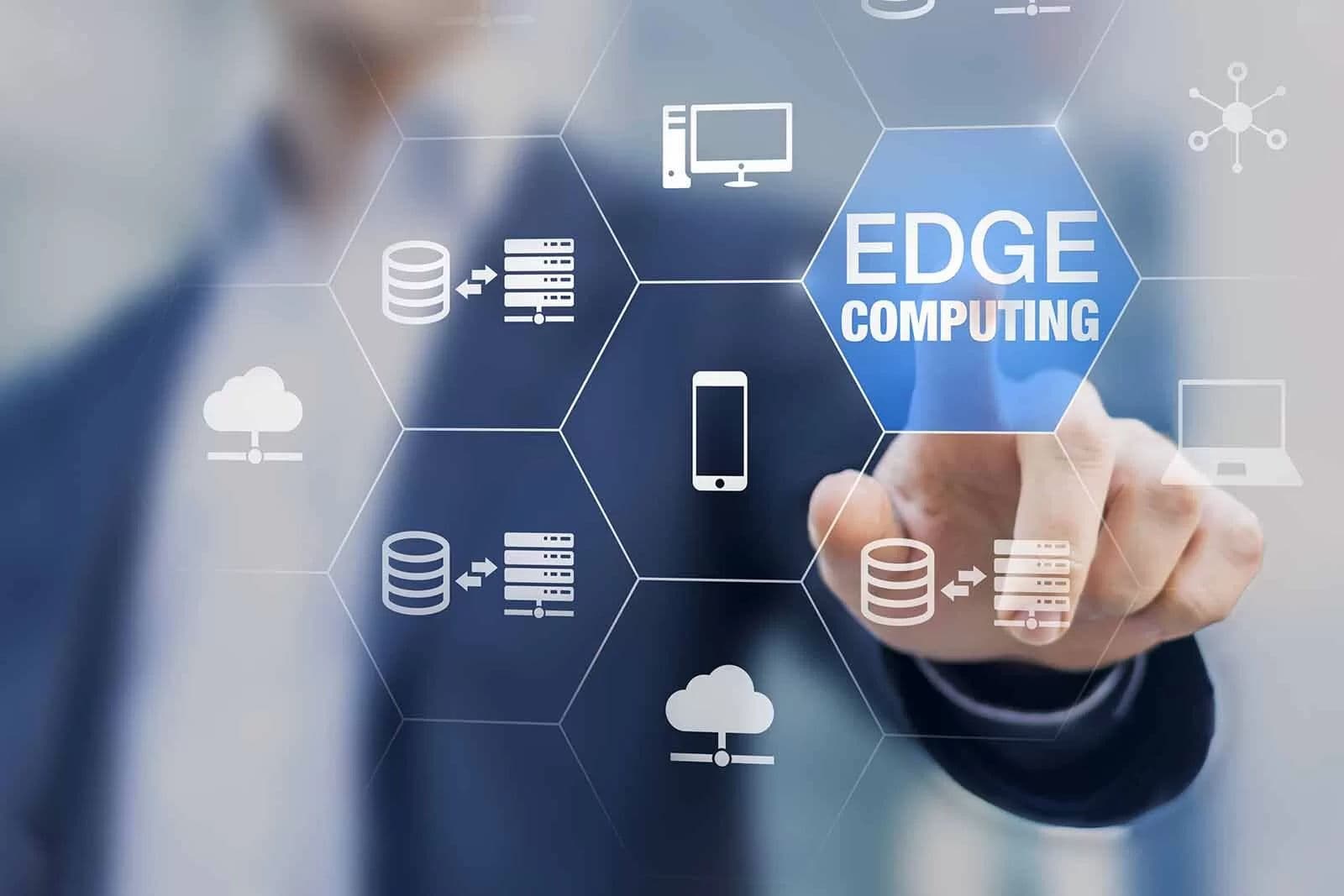
Edge computing is a modern computing paradigm that brings data processing closer to the location where it is generated, rather than relying solely on centralized cloud servers. This approach reduces latency, improves speed, and enhances the efficiency of real-time applications.
With the rapid growth of Internet of Things (IoT) devices, smart systems, and real-time data processing needs, edge computing has become an essential technology. It enables faster decision-making and reduces the load on cloud infrastructure.
Understanding edge computing is crucial for businesses, developers, and IT professionals as it plays a key role in the future of digital transformation.
What Is Edge Computing?
Edge computing is a distributed computing model that processes data near the source of data generation instead of sending it to centralized data centers.
- Local data processing
- Reduced latency
- Faster response times
- Improved efficiency
It enhances real-time data processing capabilities.
How Edge Computing Works
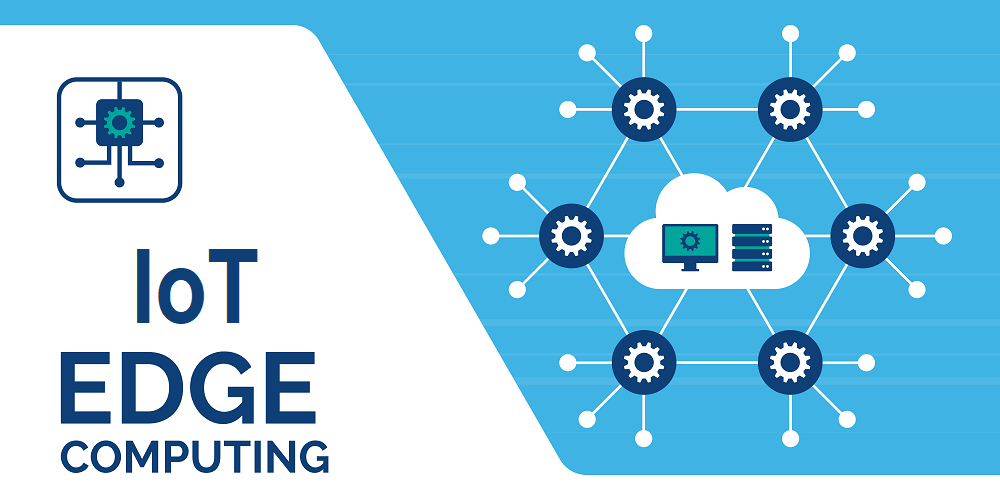
Edge computing operates by processing data closer to the source.
- Data is generated by devices
- Edge devices process data locally
- Only necessary data is sent to the cloud
This reduces bandwidth usage and improves speed.
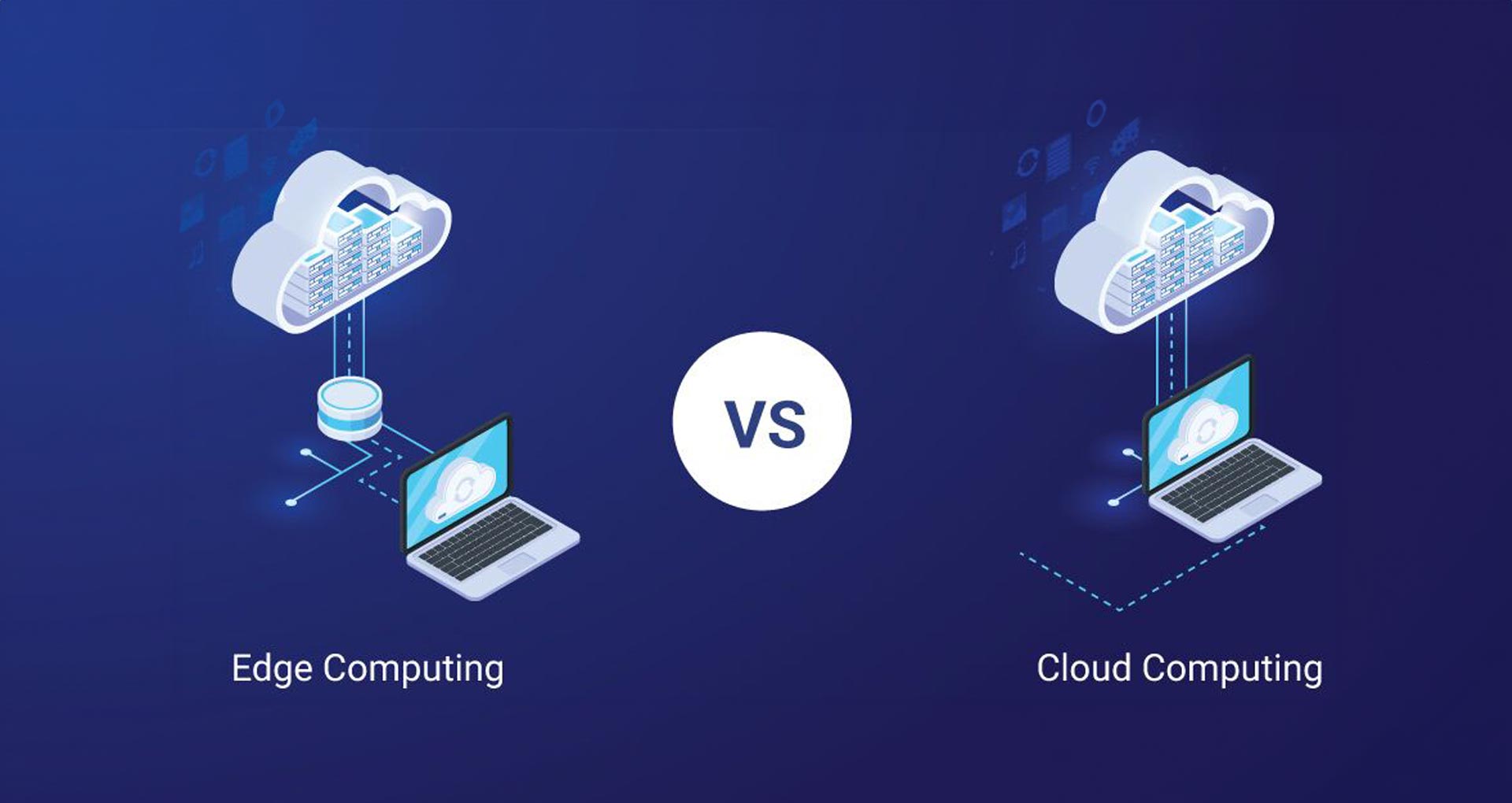
Edge Computing vs Cloud Computing
- Edge → Local processing
- Cloud → Centralized processing
- Edge → Low latency
- Cloud → Higher latency
Both technologies complement each other.
Key Components of Edge Computing
- Edge devices (sensors, IoT devices)
- Edge servers
- Network connectivity
- Cloud integration
These components enable efficient data processing.
Applications of Edge Computing
Edge computing is widely used across industries.
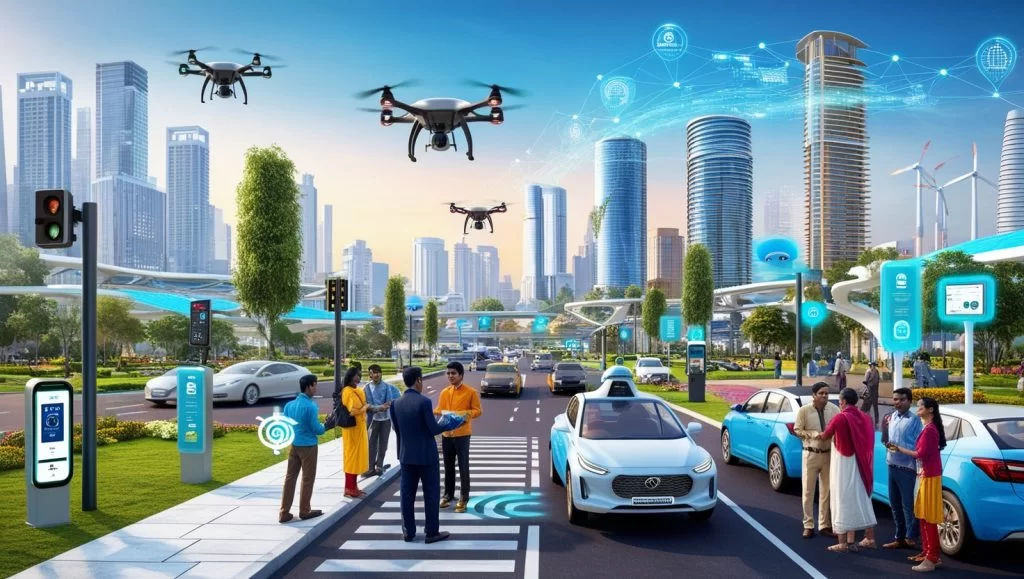
- Smart cities
- Autonomous vehicles
- Healthcare monitoring
- Industrial automation
- Retail analytics
Its applications are expanding rapidly.
Benefits of Edge Computing
- Reduced latency
- Improved performance
- Lower bandwidth usage
- Enhanced security
These benefits make it highly valuable.
Challenges of Edge Computing
- Infrastructure complexity
- Security concerns
- Data management issues
- High initial setup cost
Proper planning is required to overcome these challenges.
Role in IoT
Edge computing plays a crucial role in IoT systems.
- Processes real-time data
- Reduces cloud dependency
- Improves device performance
It enhances IoT efficiency.
Edge computing brings intelligence closer to where data is created, enabling faster and smarter decision-making.
Future of Edge Computing
The future of edge computing is driven by technological advancements.
- 5G integration
- AI-powered edge devices
- Expansion of IoT ecosystems
- Smart infrastructure development
It will play a key role in future technologies.
Role in Digital Transformation
Edge computing is essential for digital transformation.
- Improves efficiency
- Enables real-time insights
- Supports innovation
It is a key technology for modern systems.
Frequently Asked Questions
What is edge computing?
It is processing data near its source instead of centralized servers.
Why is it important?
It reduces latency and improves performance.
Where is it used?
IoT, smart cities, healthcare, and more.
Conclusion
Edge computing is transforming the way data is processed by bringing computation closer to the source. It enhances speed, efficiency, and real-time decision-making, making it essential for modern applications. As technology continues to evolve, edge computing will play a critical role in shaping the future of digital systems and connectivity.