Embedded Microfluidic Silicon Cooling
The semiconductor industry is facing an unprecedented thermal management challenge. Artificial intelligence accelerators, hyperscale data centers, advanced GPUs, high-performance computing systems, and next-generation processors are generating more heat than conventional cooling technologies can efficiently dissipate.
As transistor densities continue to increase and computing power reaches new levels, traditional air cooling and even advanced liquid cooling systems are approaching their practical limits. To address this issue, researchers and semiconductor manufacturers are exploring a revolutionary approach known as Embedded Microfluidic Silicon Cooling.
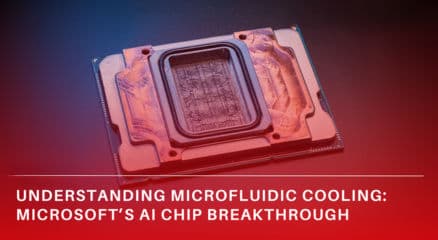
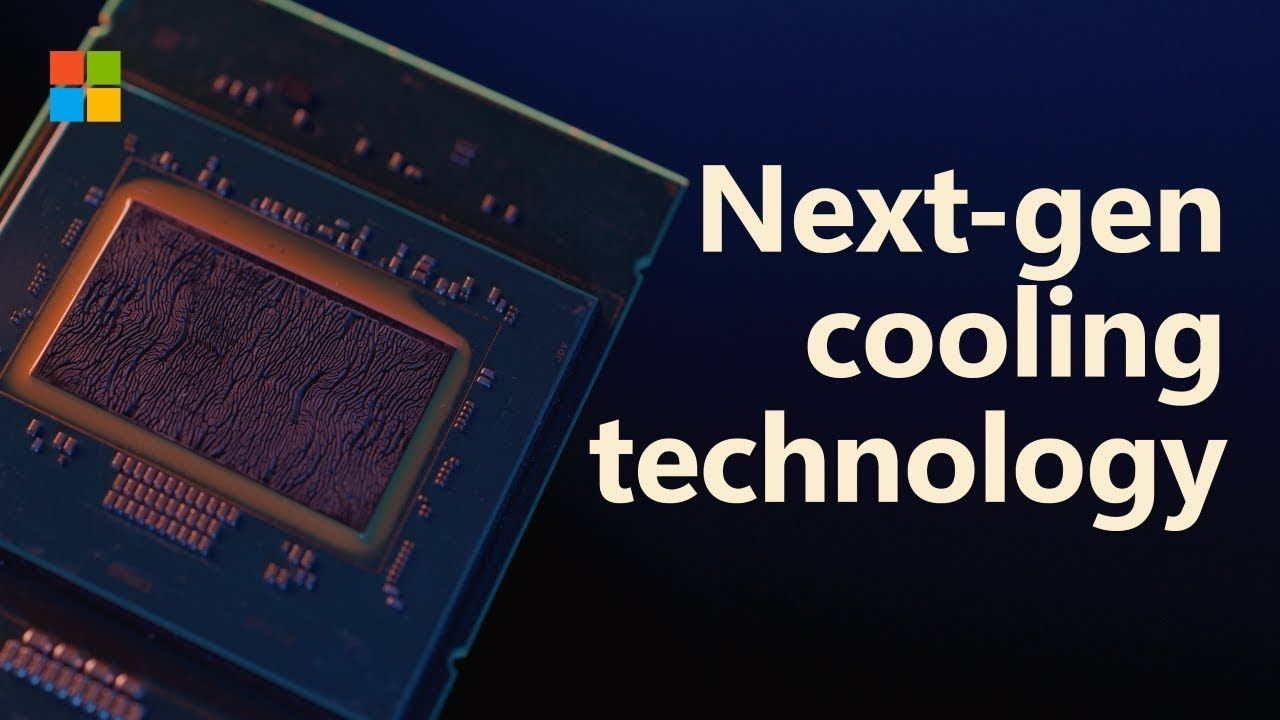
This technology integrates microscopic cooling channels directly inside semiconductor substrates, allowing coolant to flow through the silicon itself and remove heat at its source.
Embedded Microfluidic Silicon Cooling could become one of the most important enabling technologies for future AI infrastructure, quantum computing, advanced packaging, and exascale computing systems.
What Is Embedded Microfluidic Silicon Cooling?
Embedded Microfluidic Silicon Cooling is a thermal management technology that incorporates microscopic fluid channels directly within semiconductor materials or chip packages.
These channels allow cooling fluids to circulate extremely close to heat-generating transistors.
The concept combines:
- Microfluidics engineering
- Semiconductor manufacturing
- Advanced packaging technologies
- Thermal management systems
- Precision fluid control
Rather than cooling chips from the outside, heat is removed from within the silicon structure itself.
Why Traditional Cooling Is Reaching Its Limits
Modern AI processors can consume enormous amounts of power.
- Higher transistor densities
- Increasing power consumption
- Advanced GPU clusters
- AI training infrastructure
- 3D chip stacking architectures
- Exascale computing systems
Conventional cooling systems often struggle to dissipate heat quickly enough from densely packed semiconductor components.
How Embedded Microfluidic Cooling Works
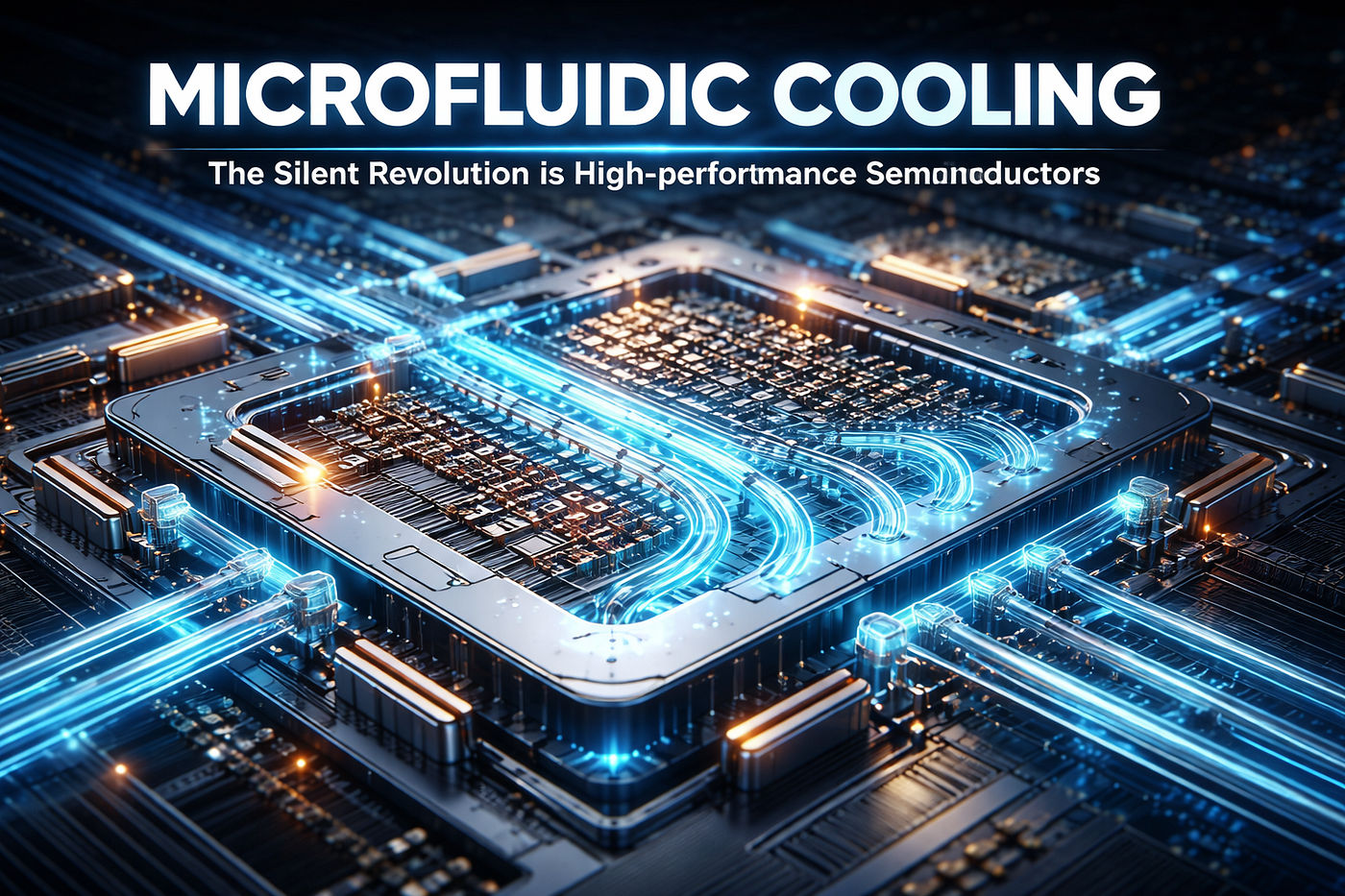
Microscopic channels are fabricated within silicon layers or advanced packaging structures.
Typical process:
- Microchannels are etched into silicon.
- Coolant is circulated through the channels.
- Heat transfers directly into the fluid.
- The warmed coolant exits the system.
- Heat is dissipated externally.
- Cooled fluid recirculates through the chip.
This creates highly efficient localized cooling.
Core Technologies Enabling the System
- Microelectromechanical Systems (MEMS)
- Advanced Semiconductor Packaging
- Silicon Micromachining
- Fluid Dynamics Engineering
- 3D Chip Integration
- Thermal Interface Materials
- Precision Manufacturing Systems
These technologies allow cooling systems to operate at microscopic scales.
Benefits of Embedded Microfluidic Cooling
The technology offers several potential advantages.
- Superior heat removal efficiency
- Higher chip performance
- Reduced thermal hotspots
- Improved energy efficiency
- Support for denser chip architectures
- Longer component lifespan
- Reduced cooling infrastructure requirements
Cooling performance may improve dramatically compared to conventional approaches.
Applications Across the Computing Industry
Embedded microfluidic cooling could support a wide range of technologies.
- Artificial Intelligence Accelerators
- High-Performance Computing Systems
- Quantum Computing Infrastructure
- Data Center Processors
- Advanced GPUs
- Defense Electronics
- Scientific Computing Platforms
The technology is particularly attractive for power-dense computing environments.
Future processors may not simply sit beneath cooling systems—they may contain cooling systems within themselves.
Role in AI Infrastructure
Artificial intelligence is driving unprecedented demand for computing power.
- Large language model training
- AI inference clusters
- Neural network acceleration
- Generative AI infrastructure
- Machine learning supercomputers
Embedded cooling may help sustain future AI performance growth while reducing energy consumption.

Traditional Cooling vs Embedded Microfluidic Cooling
| Traditional Cooling | Embedded Microfluidic Cooling |
|---|---|
| External heat removal | Internal heat removal |
| Cooling from package surface | Cooling near transistor level |
| Thermal resistance challenges | Reduced thermal resistance |
| Limited scalability | Supports higher power densities |
Challenges and Risks
- Manufacturing complexity
- Fluid leakage risks
- Higher production costs
- Reliability requirements
- Material compatibility issues
- Scaling challenges
Significant engineering advancements are still required before widespread deployment.
Future Outlook
The semiconductor industry is expected to continue investing heavily in advanced cooling technologies.
- AI-native processor architectures
- 3D stacked computing systems
- Integrated cooling substrates
- Self-regulating thermal platforms
- Exascale computing infrastructure
Embedded cooling may become a standard feature of next-generation processors.
Economic and Strategic Implications
Embedded Microfluidic Silicon Cooling could significantly influence the future economics of computing.
- Reduced data center energy costs
- Higher AI infrastructure efficiency
- Improved semiconductor competitiveness
- Support for advanced computing workloads
- Expansion of next-generation packaging markets
Organizations that master advanced thermal management may gain significant competitive advantages in future computing markets.
Frequently Asked Questions
What is Embedded Microfluidic Silicon Cooling?
A cooling technology that integrates microscopic fluid channels directly into semiconductor structures to remove heat more efficiently.
Why is it important?
Because future AI processors and advanced computing systems generate more heat than conventional cooling methods can efficiently handle.
Which industries could benefit most?
AI infrastructure, data centers, high-performance computing, quantum computing, defense electronics, and advanced semiconductor manufacturing.
Conclusion
Embedded Microfluidic Silicon Cooling represents a major breakthrough in thermal management technology. By bringing cooling systems directly into semiconductor structures, engineers may overcome some of the most significant barriers facing future computing systems. As AI workloads continue to expand and chip architectures become increasingly complex, embedded cooling could play a critical role in enabling the next generation of high-performance, energy-efficient computing infrastructure.