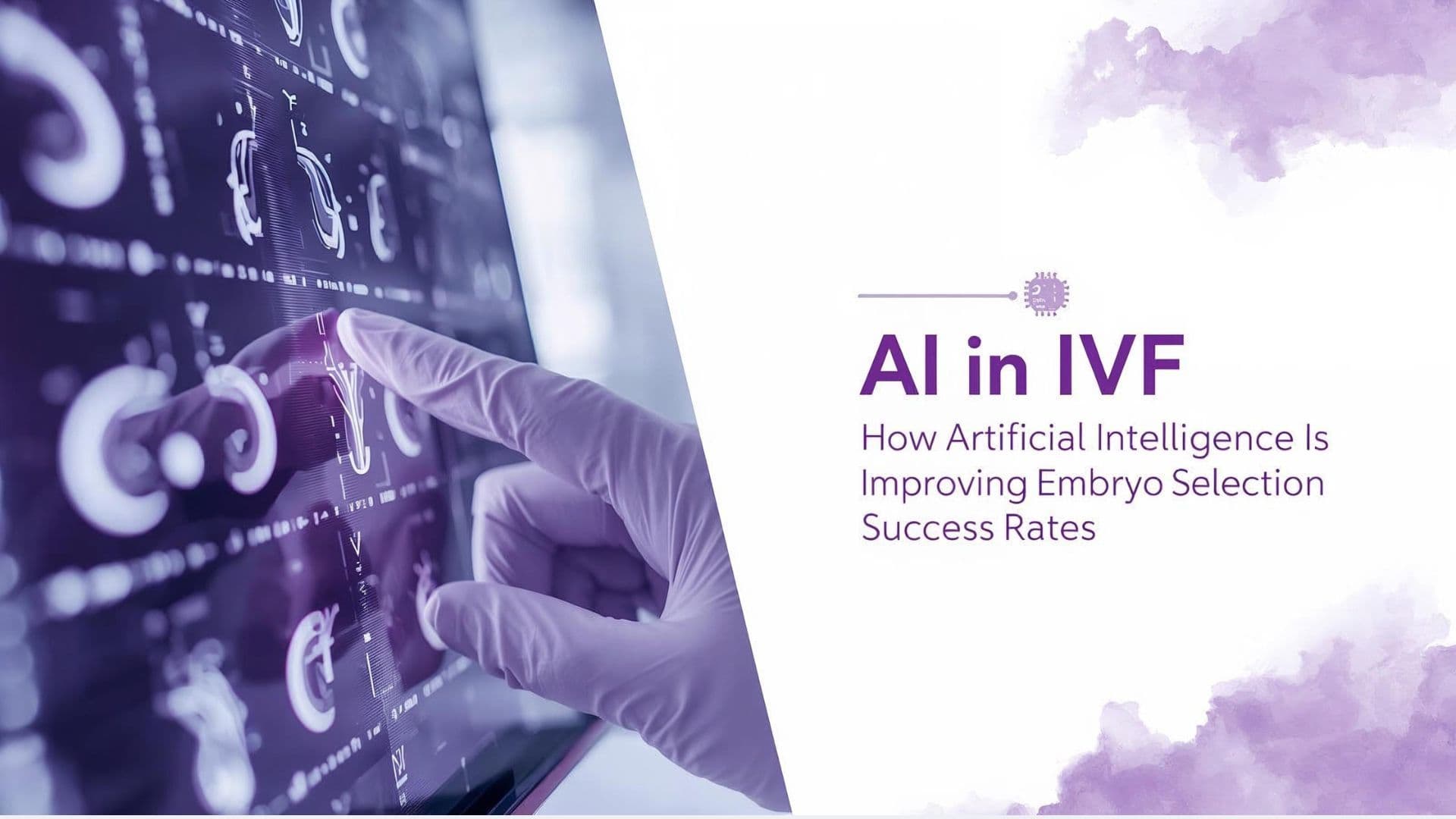
Embryo Genetic Scoring
The convergence of artificial intelligence, genomics, reproductive medicine, and biotechnology is transforming the future of fertility science. One of the most controversial and technologically advanced developments in this space is Embryo Genetic Scoring—a process that uses genetic analysis, computational modeling, and predictive algorithms to assess embryos created through in vitro fertilization (IVF).
Traditionally, embryologists selected embryos primarily through visual inspection and limited chromosomal testing. Today, advances in genome sequencing, machine learning, and predictive analytics are enabling far more detailed evaluations of embryo viability, inherited disease risks, and developmental potential.
Embryo Genetic Scoring aims to improve reproductive outcomes by combining biological data with advanced computational analysis. However, it also raises major ethical, societal, medical, and philosophical questions regarding genetics, human selection, privacy, and the future of reproductive medicine.
As precision medicine evolves, embryo genetic scoring could become one of the most transformative—and debated—applications of AI-driven biotechnology.
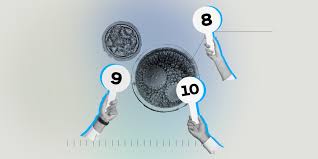
What Is Embryo Genetic Scoring?
Embryo Genetic Scoring refers to the process of evaluating embryos based on genetic, chromosomal, and developmental data to estimate health-related characteristics or implantation potential.
The process often combines:
- Genome sequencing
- Preimplantation genetic testing (PGT)
- AI-based predictive analytics
- Embryo imaging systems
- Developmental modeling
- Statistical risk scoring
The objective is to support fertility specialists and prospective parents with additional biological insights during IVF procedures.
Why Embryo Selection Is Evolving
Traditional embryo assessment methods rely heavily on morphology and basic chromosomal screening.
- Embryo shape and appearance
- Cell division timing
- Blastocyst quality grading
- Limited genetic abnormality detection
While clinically useful, these methods provide only partial biological information.
Modern genomics and AI systems now allow deeper analysis of embryo characteristics.
How Embryo Genetic Scoring Works
Embryo scoring systems integrate genetic testing with computational analysis.
Typical workflow:
- Embryos are created through IVF.
- Cells are biopsied from embryos.
- DNA is sequenced or analyzed.
- AI systems process genomic information.
- Developmental indicators are evaluated.
- Predictive scoring models generate assessments.
The resulting analysis may assist clinicians during embryo selection.

Key Technologies Behind Embryo Genetic Scoring
- Whole Genome Sequencing
- Artificial Intelligence
- Machine Learning Models
- Embryo Imaging Systems
- Bioinformatics Platforms
- Predictive Genomics
- Cloud-Based Genetic Analysis
These technologies enable increasingly sophisticated embryo assessment capabilities.
Potential Medical Applications
- Inherited disease risk reduction
- Improved IVF success rates
- Chromosomal abnormality screening
- Rare disease detection
- Personalized fertility treatment
- Advanced reproductive diagnostics
Supporters believe these technologies may improve reproductive healthcare outcomes.
Role of Artificial Intelligence
AI systems are increasingly central to modern reproductive analytics.
- Embryo image analysis
- Pattern recognition
- Predictive developmental modeling
- Risk assessment scoring
- Data-driven embryo ranking
Machine learning systems can identify subtle biological patterns difficult for humans to detect.
Embryo Genetic Scoring represents the convergence of genomics, artificial intelligence, and reproductive medicine at the molecular level.
Embryo Genetic Scoring vs Traditional Embryo Selection
| Traditional Embryo Selection | Embryo Genetic Scoring |
|---|---|
| Visual morphology analysis | Genomic and AI-driven analysis |
| Limited biological insight | Expanded genetic evaluation |
| Manual assessment | AI-assisted predictive scoring |
| Basic chromosomal testing | Multi-dimensional genomic analysis |
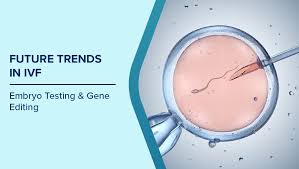
Ethical and Societal Concerns
Embryo Genetic Scoring raises significant ethical debates.
- Genetic privacy concerns
- Potential discrimination risks
- Human enhancement debates
- Equity and access issues
- Algorithmic bias concerns
- Questions surrounding embryo selection
Many experts emphasize the importance of strong ethical governance and regulatory oversight.
Scientific Limitations
Human genetics remains extraordinarily complex.
- Most traits involve many genes
- Environmental influences remain important
- Predictive uncertainty still exists
- Long-term developmental outcomes are difficult to forecast
- Genomic interpretation remains incomplete
Many human characteristics cannot currently be predicted with high certainty.
Future Outlook
The next decade may see increasing integration of AI and genomics within fertility medicine.
- AI-assisted fertility clinics
- Expanded genetic diagnostics
- Personalized reproductive medicine
- Advanced embryo modeling
- Predictive genomic healthcare systems
Future reproductive medicine may become increasingly data-driven and individualized.
Economic and Strategic Implications
Embryo Genetic Scoring could significantly influence reproductive healthcare and biotechnology markets.
- Expansion of fertility technology industries
- Growth of genomic healthcare services
- Acceleration of precision medicine
- Increased AI-biotech integration
- Development of predictive healthcare platforms
The organizations leading in reproductive genomics and AI-driven healthcare may shape the future of precision biotechnology.
Frequently Asked Questions
What is Embryo Genetic Scoring?
It is the use of genetic analysis and AI-driven evaluation systems to assess embryos created during IVF procedures.
Why is Embryo Genetic Scoring important?
It may help improve IVF outcomes, identify certain genetic abnormalities, and support more personalized reproductive medicine.
Can Embryo Genetic Scoring predict all future traits?
No. Most human traits are influenced by highly complex interactions between genetics, environment, development, and life experiences.
Conclusion
Embryo Genetic Scoring represents one of the most advanced intersections of genomics, artificial intelligence, and reproductive medicine. By combining predictive analytics with genetic data, this technology may improve fertility outcomes and expand precision healthcare capabilities. However, its development also raises profound ethical, scientific, and societal questions that will likely shape the future governance of reproductive biotechnology in the decades ahead.