Gene Resurrection & De-extinction Tech
The idea of bringing extinct species back to life has long existed in science fiction, but advances in genetics, biotechnology, and synthetic biology are turning this concept into scientific reality. Gene resurrection and de-extinction technologies aim to revive extinct organisms or restore lost genetic traits using advanced DNA engineering techniques.
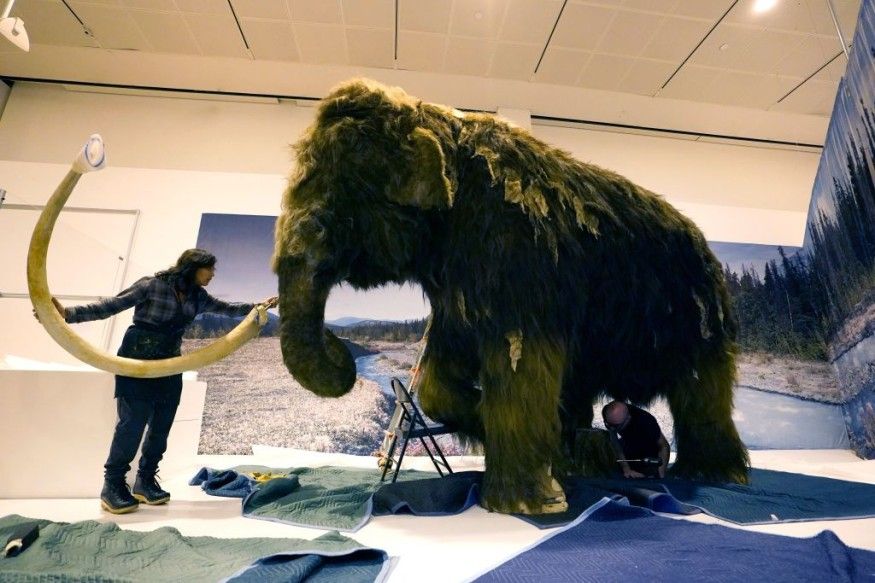
In 2026, scientists are exploring ways to revive species such as the woolly mammoth, thylacine, and passenger pigeon using genome editing, cloning, and synthetic biology. While the field remains experimental, it has sparked global interest due to its potential impact on biodiversity, conservation, and ecological restoration.
This emerging field represents one of the most fascinating intersections of biology and technology.
What Is Gene Resurrection?
Gene resurrection refers to the process of restoring extinct genes or genetic traits using biotechnology.
- Recovery of ancient DNA
- Genetic reconstruction
- Synthetic biology techniques
- Genome editing and engineering
It focuses on rebuilding lost genetics.

What Is De-extinction Technology?
De-extinction technology involves attempts to revive extinct species or recreate organisms with similar characteristics.
- Cloning extinct animals
- Genome editing with CRISPR
- Selective breeding
- Synthetic embryo development
It aims to restore biodiversity.
Why Scientists Are Exploring De-extinction
- Restore ecological balance
- Preserve biodiversity
- Advance genetic science
- Support conservation efforts
These goals drive research forward.

How De-extinction Works
The process combines multiple technologies.
- Ancient DNA is extracted
- Genomes are reconstructed
- Genes are edited into living relatives
- Embryos are developed and tested
This enables genetic revival attempts.
Key Technologies Behind De-extinction
- CRISPR gene editing
- Cloning technologies
- Artificial womb research
- Genomic sequencing
These technologies make de-extinction possible.
Potential Applications
De-extinction has implications beyond revival.
- Conservation biology
- Climate change mitigation
- Medical and genetic research
- Ecosystem restoration
Its impact could be significant.
Benefits of Gene Resurrection
- Advances genetic science
- Protects endangered species
- Enhances biodiversity research
- Improves ecosystem understanding
These benefits drive innovation.
Ethical and Ecological Concerns
- Animal welfare issues
- Ecological imbalance risks
- High research costs
- Questions about human intervention in nature
These concerns fuel debate.
De-extinction technology challenges humanity to rethink the boundaries between science, ethics, and nature itself.
De-extinction vs Traditional Conservation
- Traditional → Protect existing species
- De-extinction → Revive extinct species
- Traditional → Habitat conservation
- De-extinction → Genetic reconstruction
This shift expands conservation science.
Future of De-extinction Technology
The future of this field is rapidly evolving.
- Advanced synthetic biology
- AI-assisted genome analysis
- Improved cloning techniques
- Expansion into ecosystem engineering
It could redefine conservation biology.
Role in Scientific Innovation
Gene resurrection is driving innovation across biology.
- Enhances genomic research
- Improves biotechnology tools
- Supports medical breakthroughs
It is shaping the future of biological science.
Frequently Asked Questions
What is de-extinction?
The process of attempting to revive extinct species.
Which species are scientists trying to revive?
Examples include the woolly mammoth and thylacine.
Why is de-extinction important?
It supports biodiversity and advances genetic science.
Conclusion
Gene resurrection and de-extinction technologies represent one of the most ambitious scientific frontiers of the modern era. By combining genetics, synthetic biology, and advanced biotechnology, scientists are exploring ways to revive extinct species and restore lost ecosystems. While ethical and ecological concerns remain significant, the field has the potential to transform conservation, biodiversity research, and our understanding of life itself.