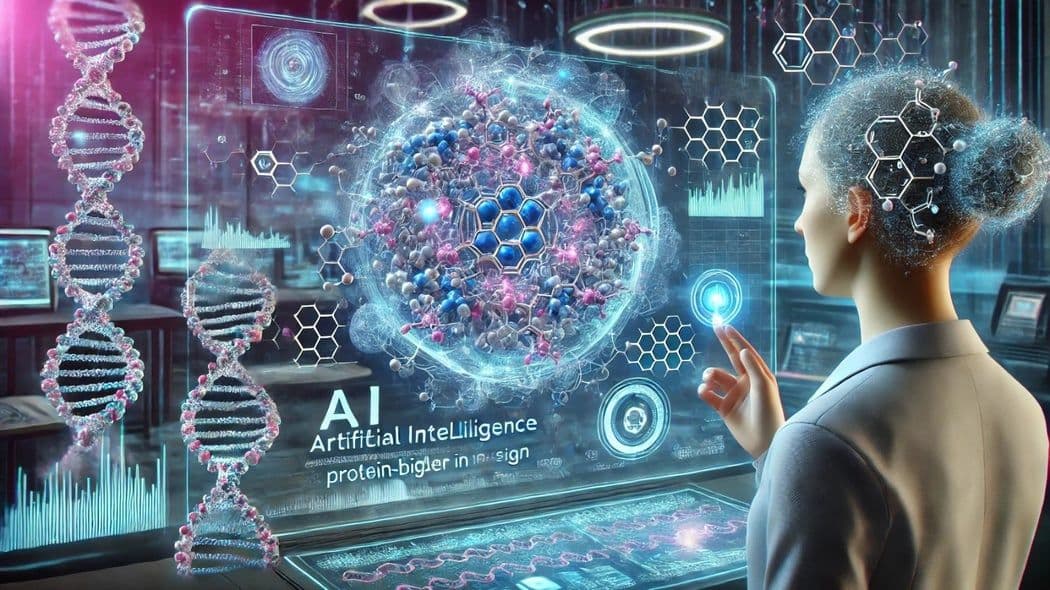
Generative Protein Design
The intersection of artificial intelligence and biotechnology is unlocking one of the most exciting frontiers in science—generative protein design. Proteins are the fundamental building blocks of life, responsible for nearly all biological functions. Designing new proteins has traditionally been a complex and time-consuming process, requiring years of research and experimentation.
In 2026, generative AI is revolutionizing this field by enabling scientists to design novel proteins with specific functions, structures, and properties. This breakthrough is accelerating drug discovery, improving healthcare, and opening new possibilities in materials science and synthetic biology.
Generative protein design represents a paradigm shift in how we understand and engineer life at the molecular level.
What Is Generative Protein Design?
Generative protein design uses AI models to create new protein structures and sequences.
- AI-driven protein generation
- Design of novel structures
- Optimization of protein functions
- Simulation of biological behavior
It enables precise molecular engineering.
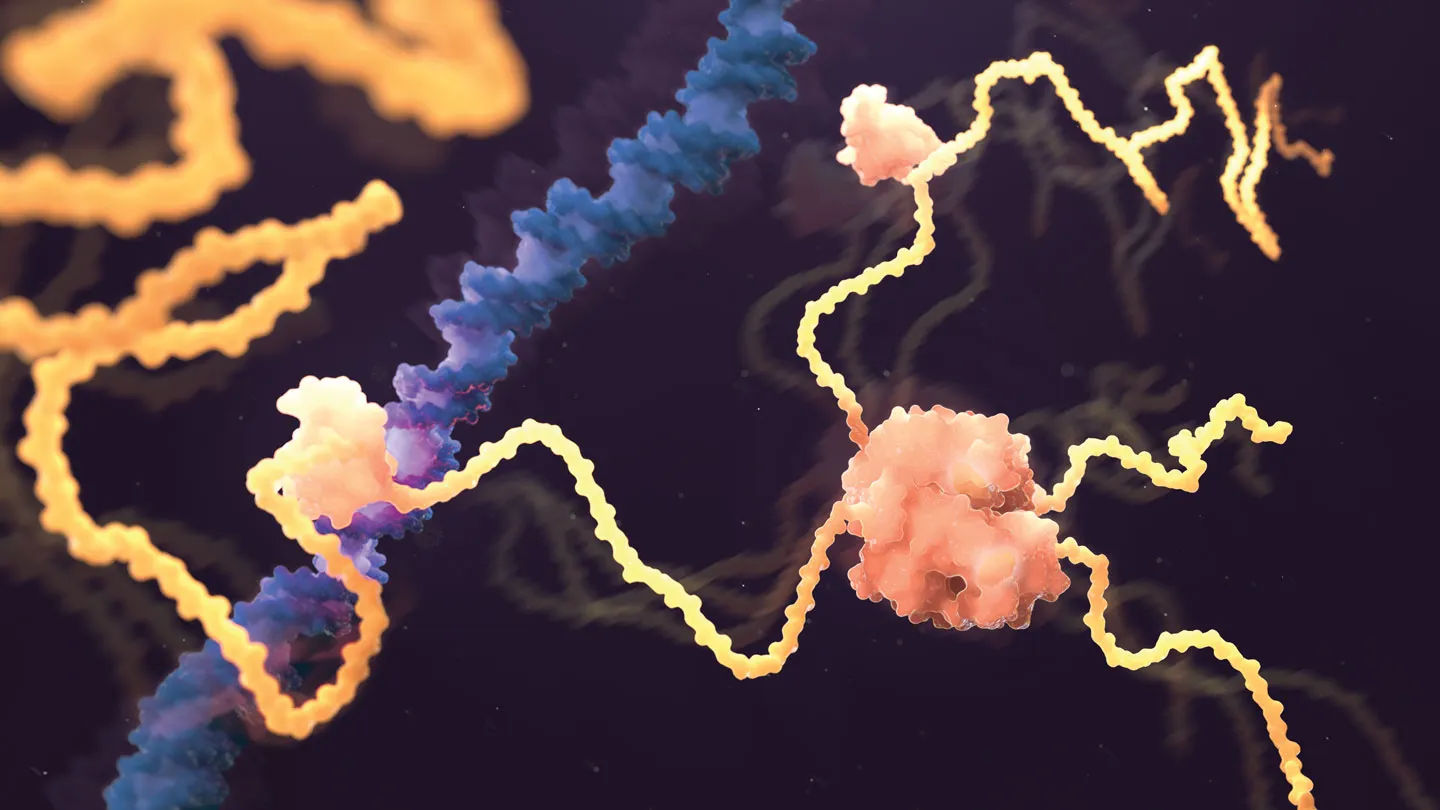
Why Proteins Are Important
- Enable biological functions
- Act as enzymes and catalysts
- Support immune responses
- Form structural components of cells
Proteins are essential for life.
How Generative AI Designs Proteins
AI models analyze and generate protein structures.
- Train on protein databases
- Learn structure-function relationships
- Generate new sequences
- Predict folding and behavior
This accelerates discovery.
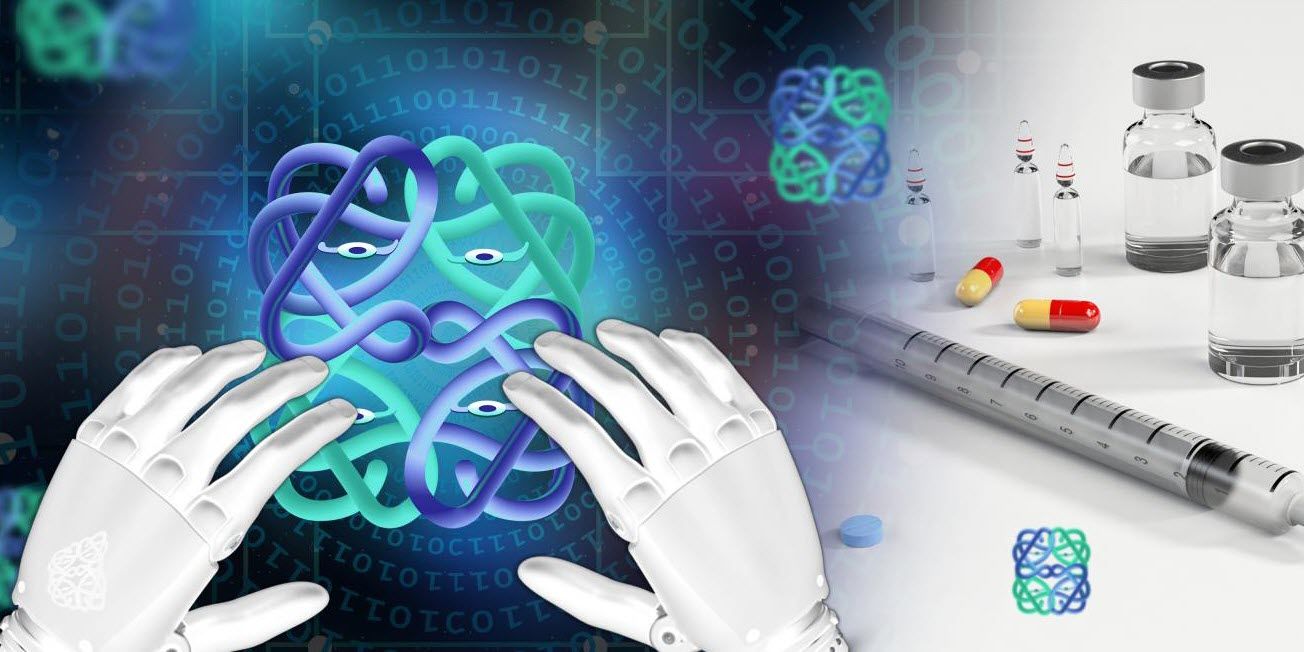
Applications of Generative Protein Design
This technology is transforming multiple fields.
- Drug discovery and development
- Vaccine design
- Enzyme engineering
- Biomaterials and nanotechnology
Its impact is significant.

Benefits of Generative Protein Design
- Faster drug development
- Reduced research costs
- High precision design
- New possibilities in medicine
These benefits drive innovation.
Challenges and Limitations
- Complex biological systems
- Data limitations
- Validation requirements
- Ethical considerations
These challenges must be addressed.
Generative protein design is not just about understanding life—it is about creating it with precision and purpose.
Generative AI vs Traditional Protein Engineering
- Traditional → Trial-and-error approach
- Generative → AI-driven design
- Traditional → Time-consuming
- Generative → Rapid development
This shift accelerates innovation.
Future of Protein Design
The future of generative protein design is promising.
- Personalized medicine
- Advanced therapeutics
- Synthetic biology breakthroughs
- Integration with AI and robotics
It will redefine biotechnology.
Role in Healthcare Innovation
Generative protein design plays a key role in healthcare.
- Improves treatment outcomes
- Accelerates drug discovery
- Enables precision medicine
It is shaping the future of medicine.
Frequently Asked Questions
What is generative protein design?
AI-driven creation of new proteins.
Why is it important?
It accelerates drug discovery and innovation.
Where is it used?
Healthcare, biotechnology, and research.
Conclusion
Generative protein design represents a revolutionary advancement in biotechnology, enabling scientists to design and engineer proteins with unprecedented precision. By combining artificial intelligence with biological science, it is transforming drug discovery, healthcare, and synthetic biology. As this technology continues to evolve, it holds the potential to reshape our understanding of life and unlock new possibilities for innovation.